“The music press didn’t want to know. I knew it was necessary to record the beginning of what was happening.”
– Caroline Coon on punk
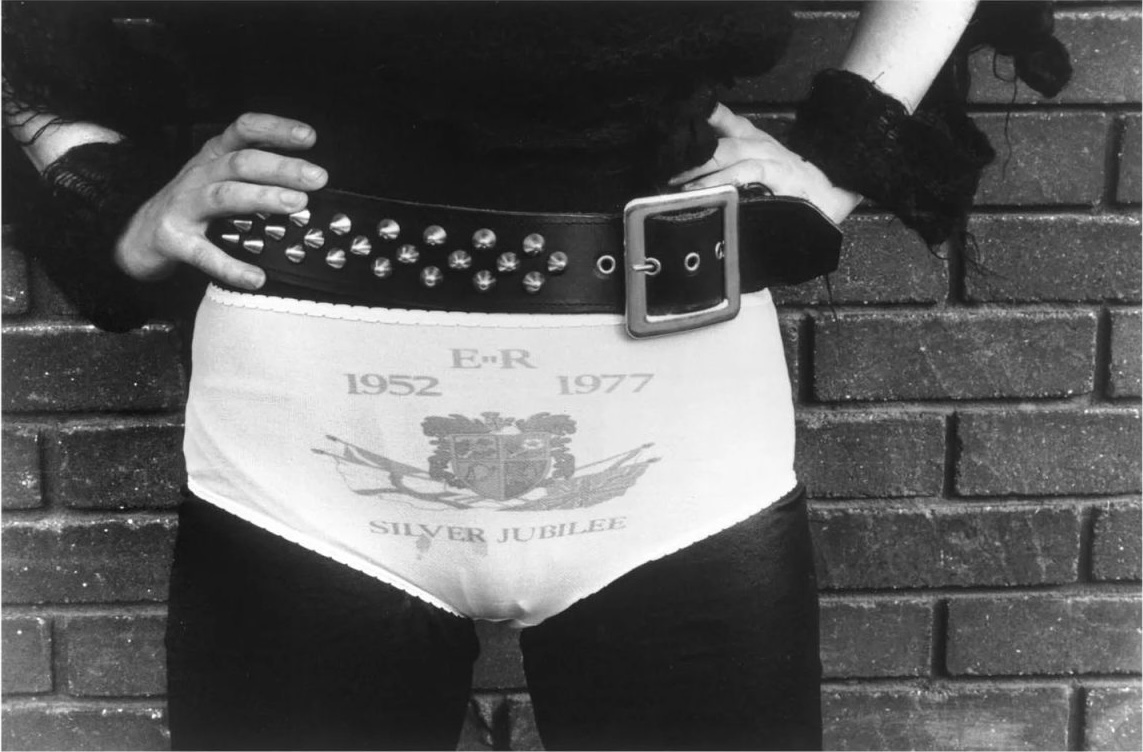
Ari-up of The Slits in her Silver Jubilee knickers, Brighton, 15 June 1977
Caroline Coon was there at punk’s early days. The photographer and later manager of punk band The Clash was a trailblazer.
“I loved the job,” she recalled. But it wasn’t easy. “Women who are seen to be close to male musicians either personally or professionally are trivialised, pilloried and despised as: women who break up bands, women of no significance or agency, as groupies, slags, loose, whores…”
These pictures and words were part of the exhibition Nothing to lose: The punk photographs of Caroline Coon at The Centre for British Photography.
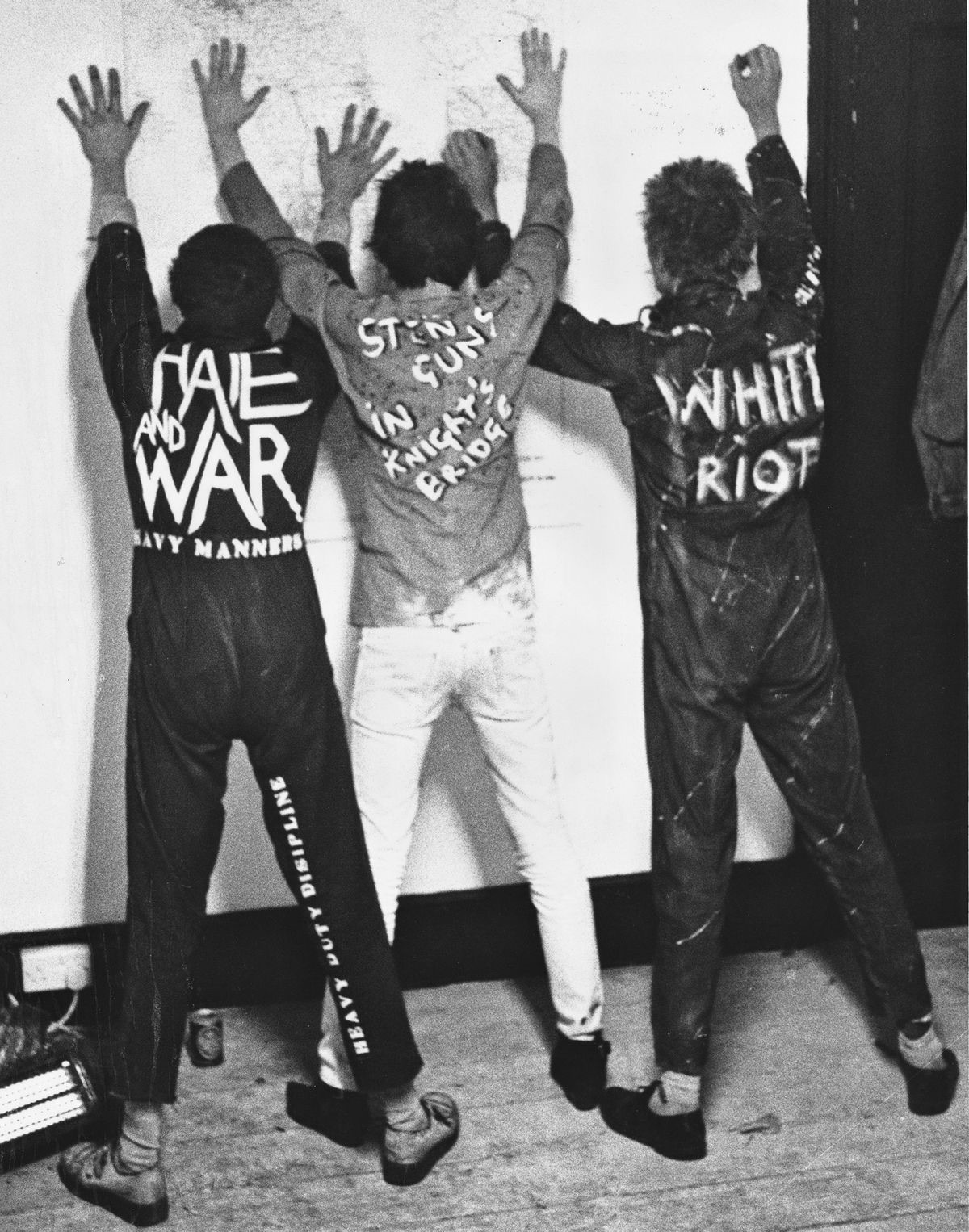
The Clash
“As 1960’s psychedelic ‘Peace and Love’ optimism disintegrated into economic crisis, 1970s political failure and urban dilapidation, I wondered how disenchanted and alienated youth would react. Would the next generation be as angry as I was? In 1976, I saw the Sex Pistols perform their second gig and immediately I recognised a galvanizing new expression of subcultural revolt.
“The music press didn’t want to know. I knew it was necessary to record the beginning of what was happening. Having witnessed how ‘hippy movement’ youth had been condemned in the media and imprisoned by the police I thought by suggesting young bands group together as a movement – the punk rock movement – there would be a modicum of safety in numbers.
“Urgently I upgraded the Kodak Instamatic I used for my painting to a Nikon F2 SLR. As the early days of the dramatic punk scene evolved – created by bands like the Sex Pistols, The Clash, the Damned and the Slits – I photographed and interviewed musicians and fans.”
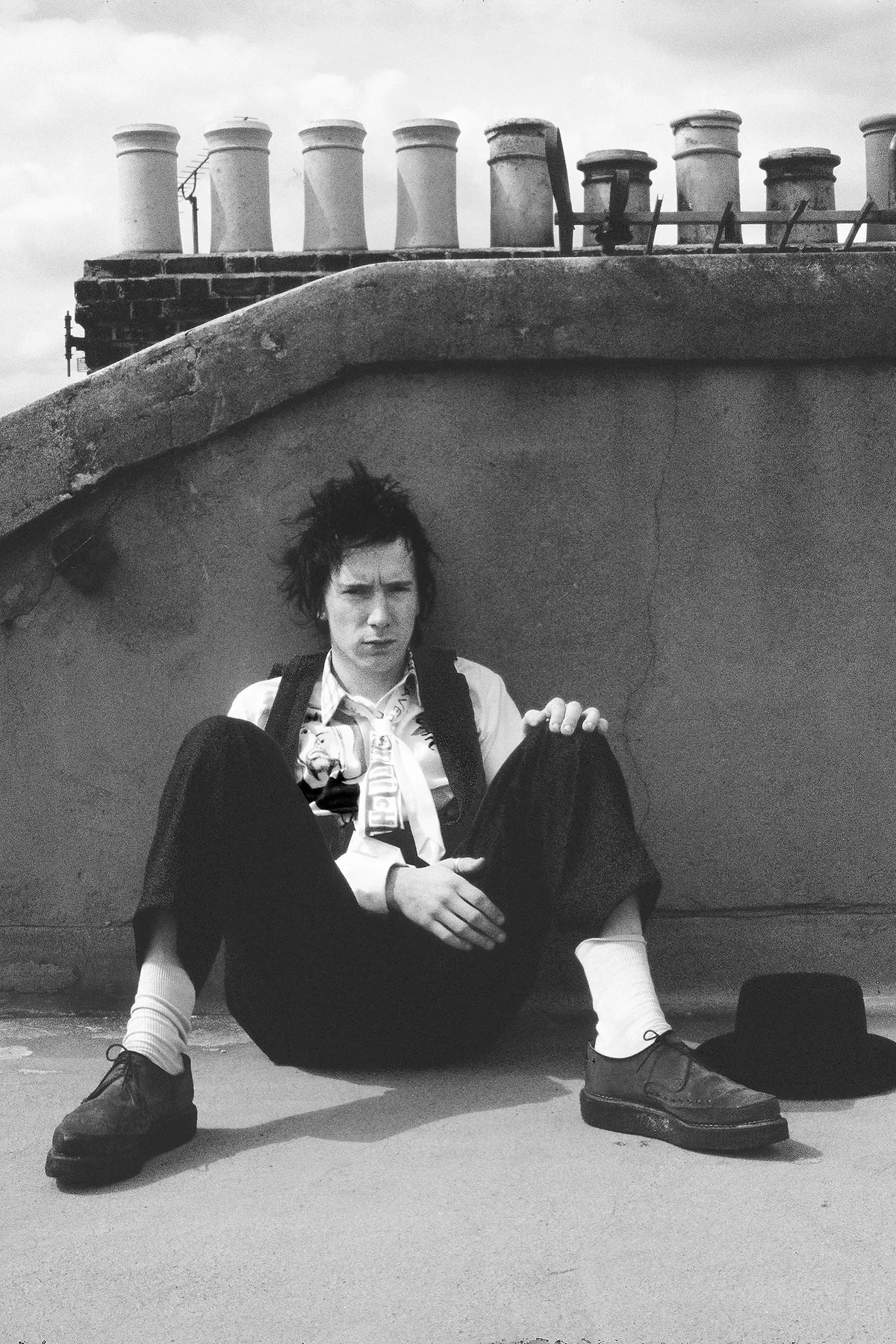
Johnny Rotten of the Sex Pistols
“On the evening of 1st December 1976, the Sex Pistols were invited on to the ITV Today Show. Provoked by sneering presenter, Bill Grundy, into shocking the nation with choice swear words, they were front page tabloid news by morning.
“‘Professional’ photographers took over even as most in the music business considered all things punk just a ‘fad’ hopefully soon to be over and forgotten. The music critic of the Sunday Times pronounced punk ‘The latest musical garbage… Punk will fade… its apologists are ludicrous… when it dies it will not be mourned’. I focused back on my painting.
“It was not until the early 1990’s, when people began reconsidering and recognising the significance of punk, that there was a new demand for my photographs. Unfortunately, Dark Room where my films were developed had moved and my negatives were lost. The photographs in this exhibition, often restored and printed from re-negatives made from scratched contact sheets, are what has survived.”
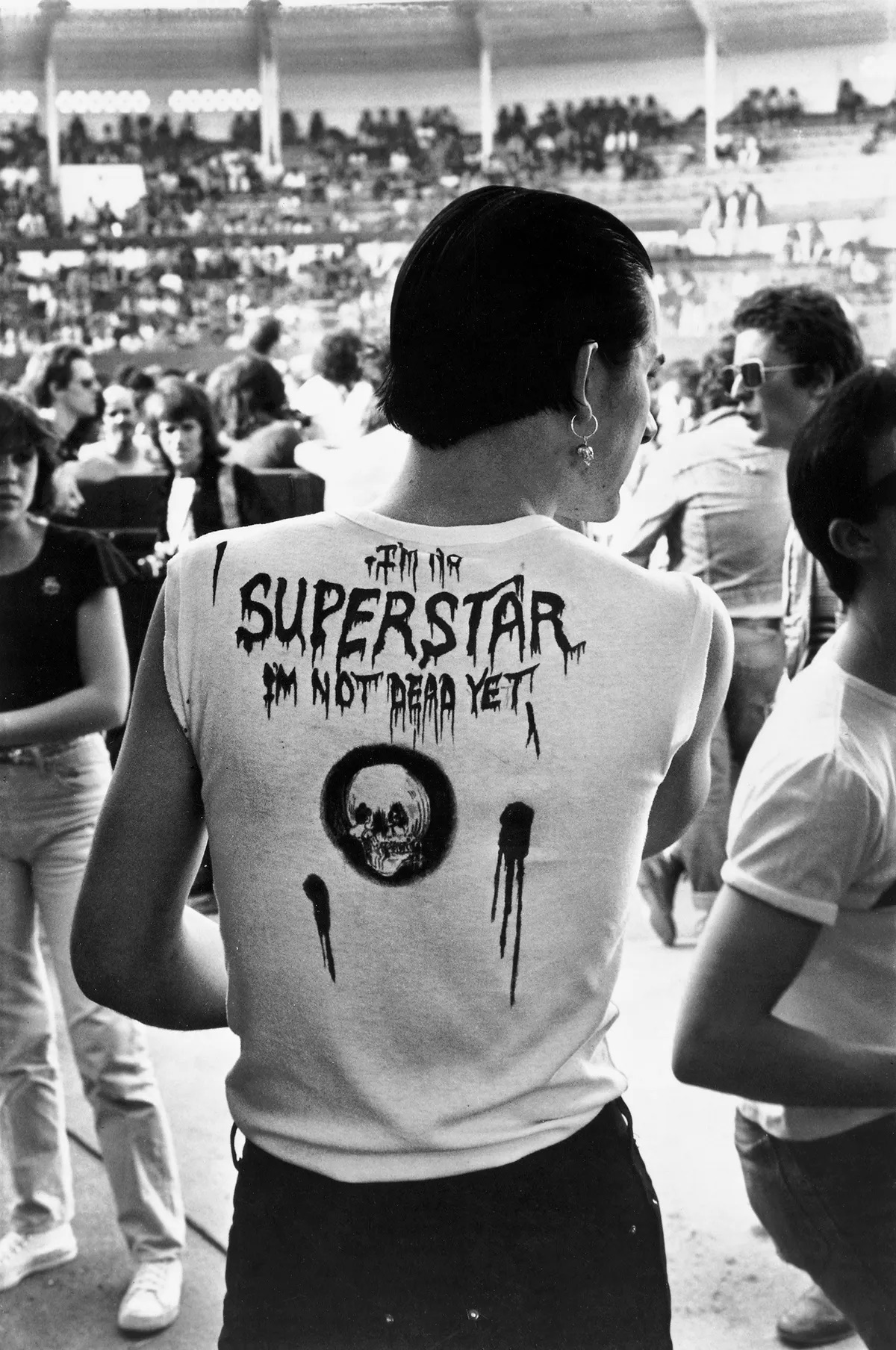

Dave Vanian of The Damned at The First European Punk Rock Festival, Mont de Marsan, August 1976
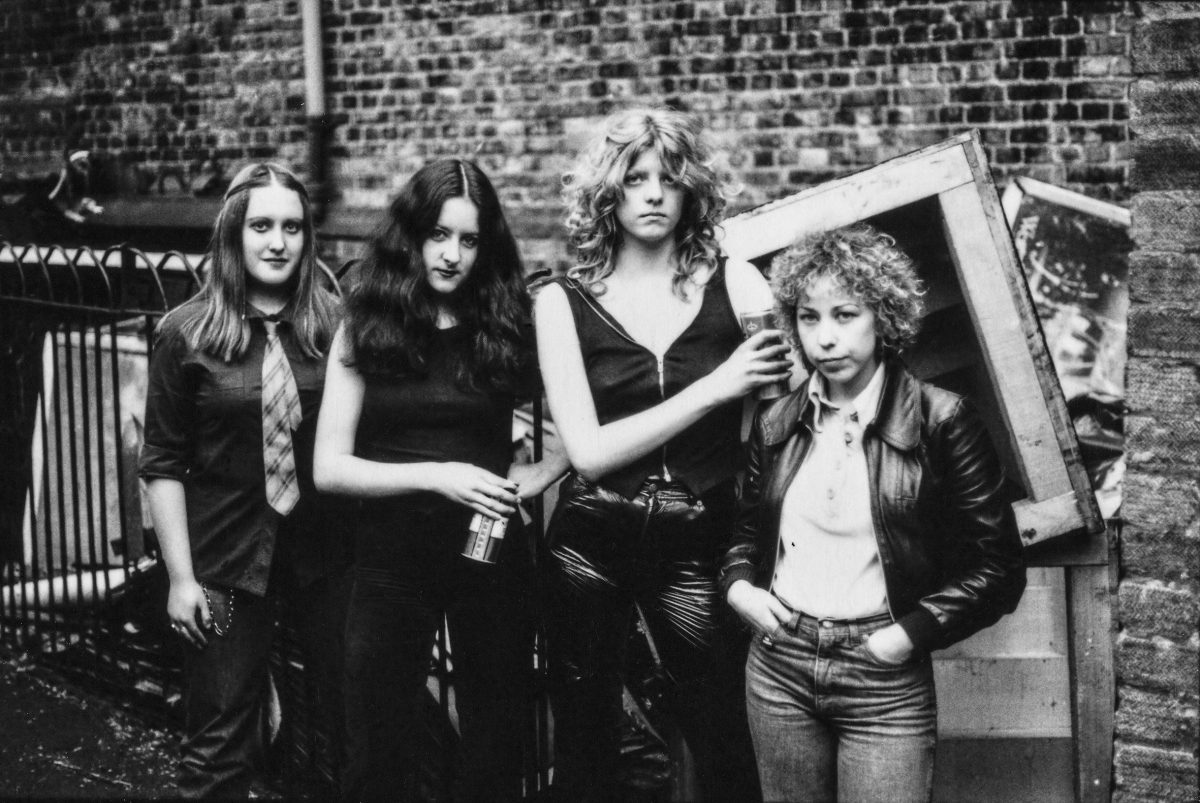
Girl School, 1978
“Today, looking back at the photographs I took then, reminds us that all the musicians and fans creating such disruptive, universal perturbation were barely out of their teens: Johnny Rotten was just 20. Joe Strummer was 23. The average age of The Jam was 19, The Buzzcocks – 19, Subway Sect – 18. Poly Styrene, lead singer of X-Ray Specs, was 19, Ari-Up, lead singer of The Slits, was 14.”
– Caroline Coon
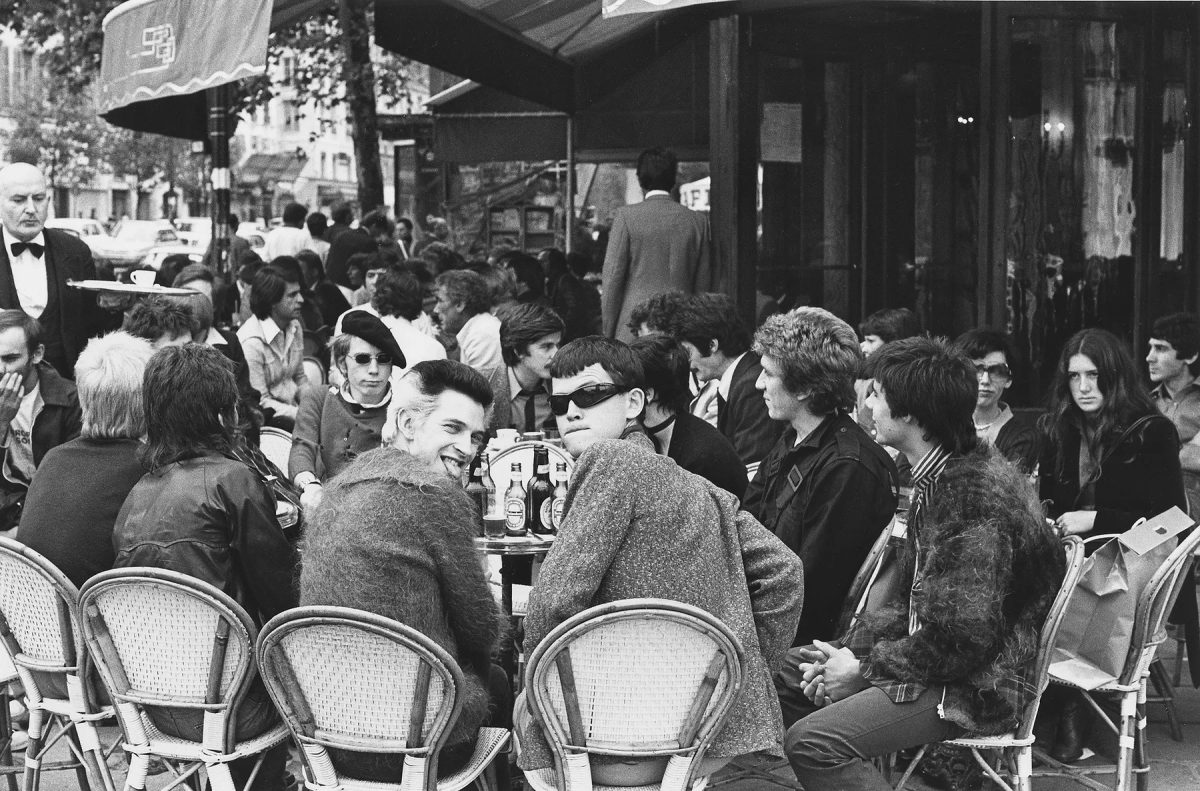

The Sex Pistols and fans meet up at the Deux Magots brasserie, the day after their first gig abroad – Paris, 4 September 1976
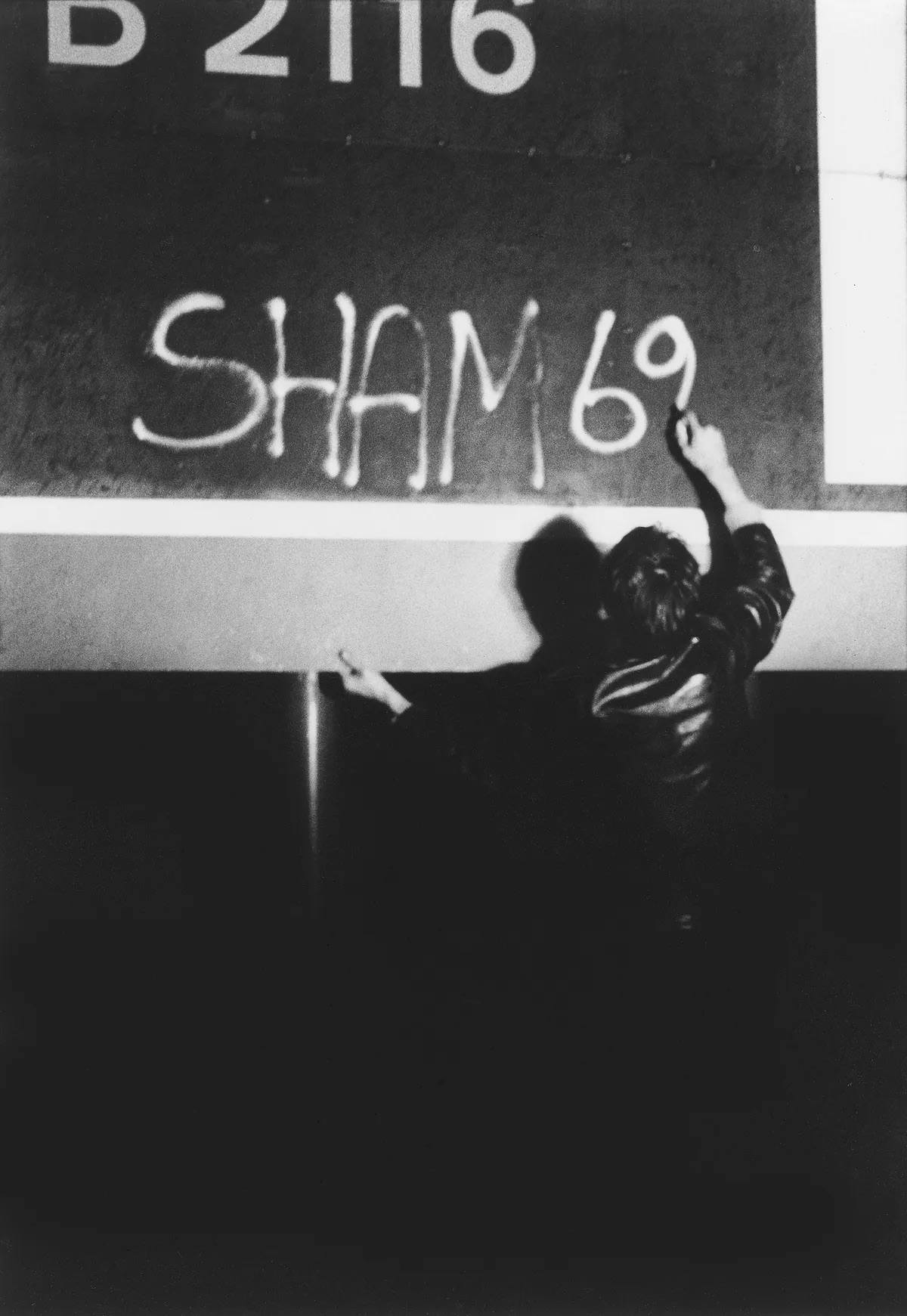
Jimmy Pursey, Shame 69 – December 1978
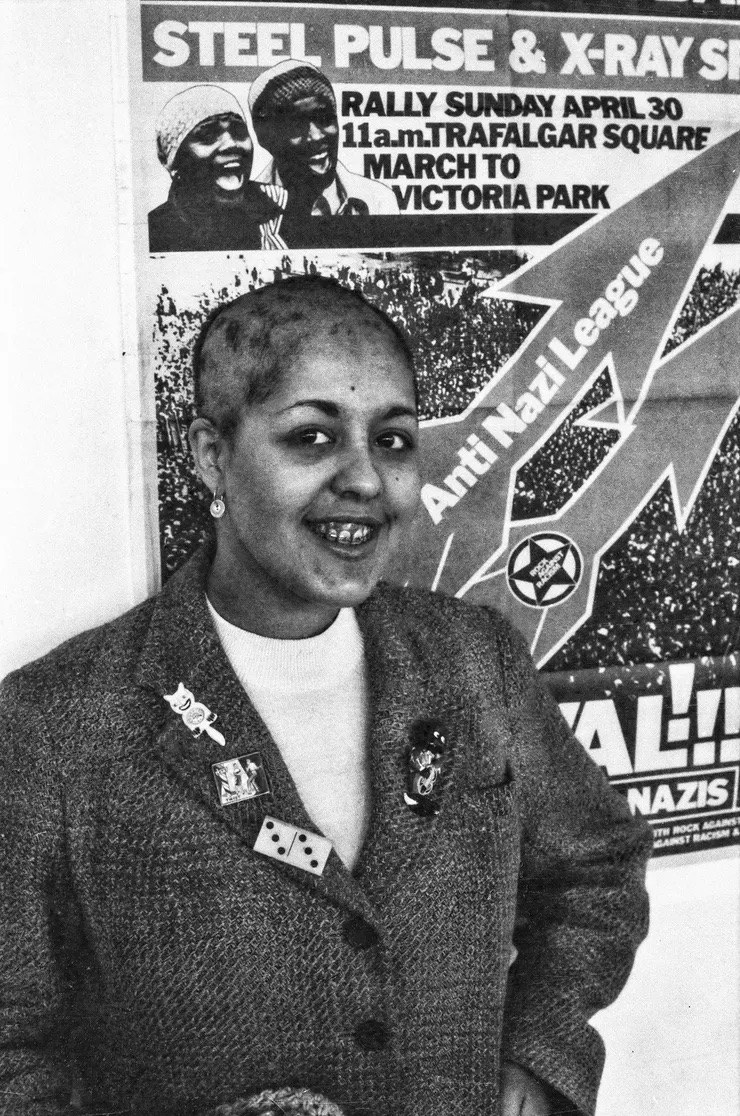
Polystyrene of X-Ray Spex, Rock Against Racism, 30 April 1978
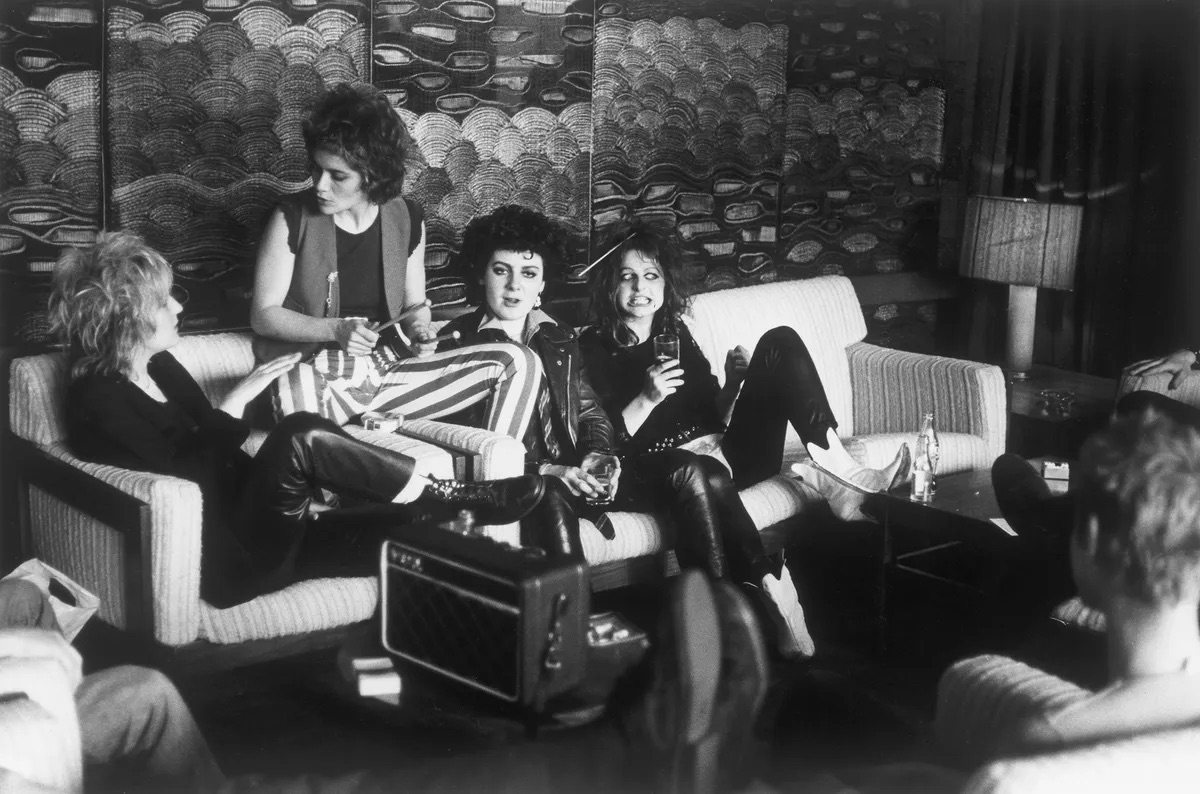
The Slits, Hotel Lobby Cardiff, 1977
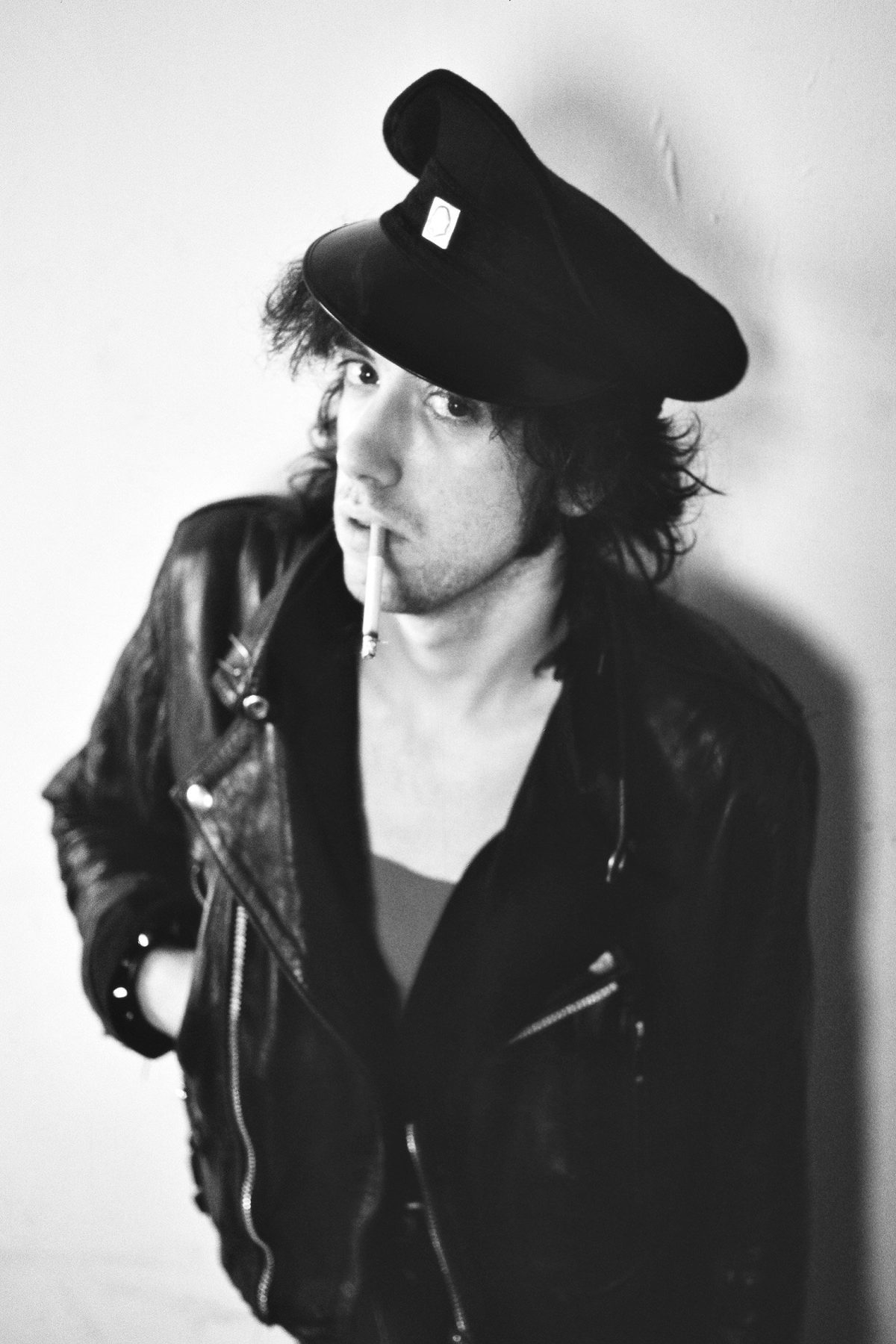
Mick Jones, 1978
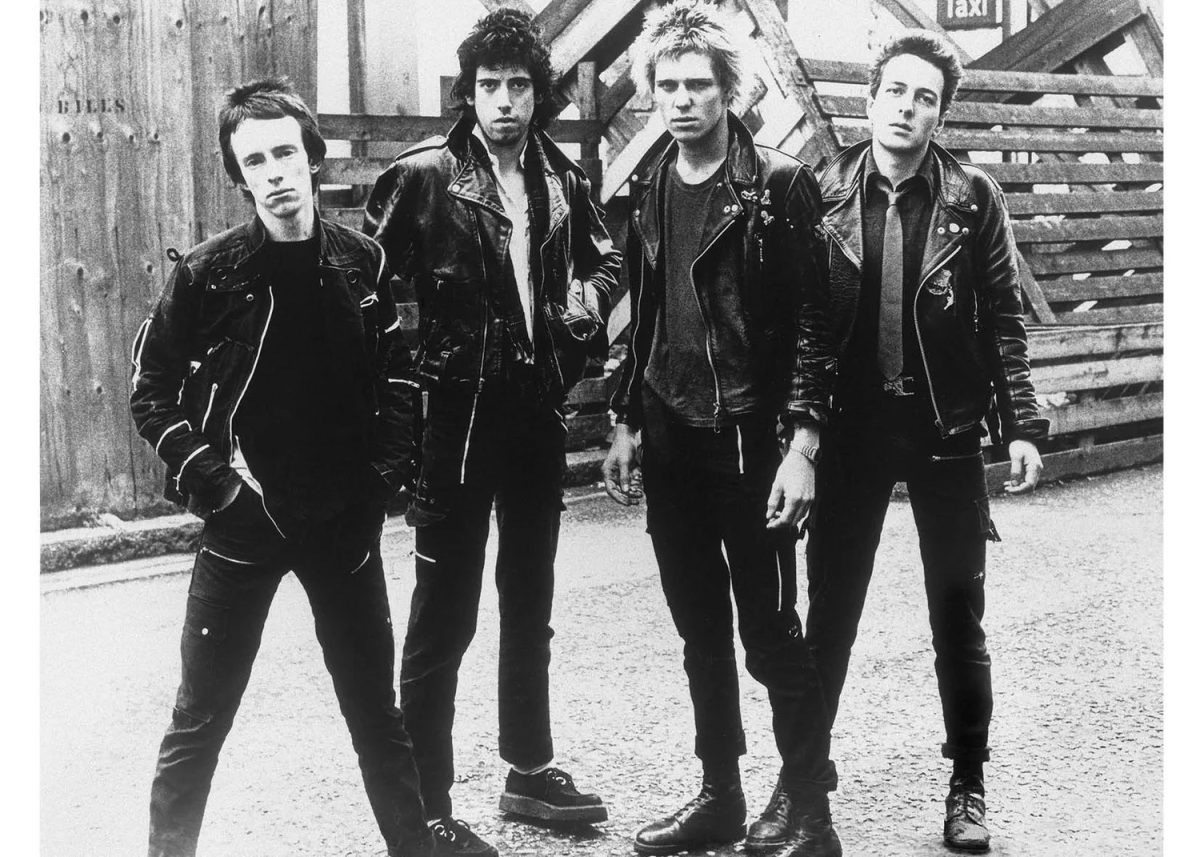
The Clash
Via: Artsy, Cafe Royal Press, Nothing to lose: The punk photographs of Caroline Coon was shown at The Centre for British Photography.
Would you like to support Flashbak?
Please consider making a donation to our site. We don't want to rely on ads to bring you the best of visual culture. You can also support us by signing up to our Mailing List. And you can also follow us on Facebook, Instagram and Twitter. For great art and culture delivered to your door, visit our shop.