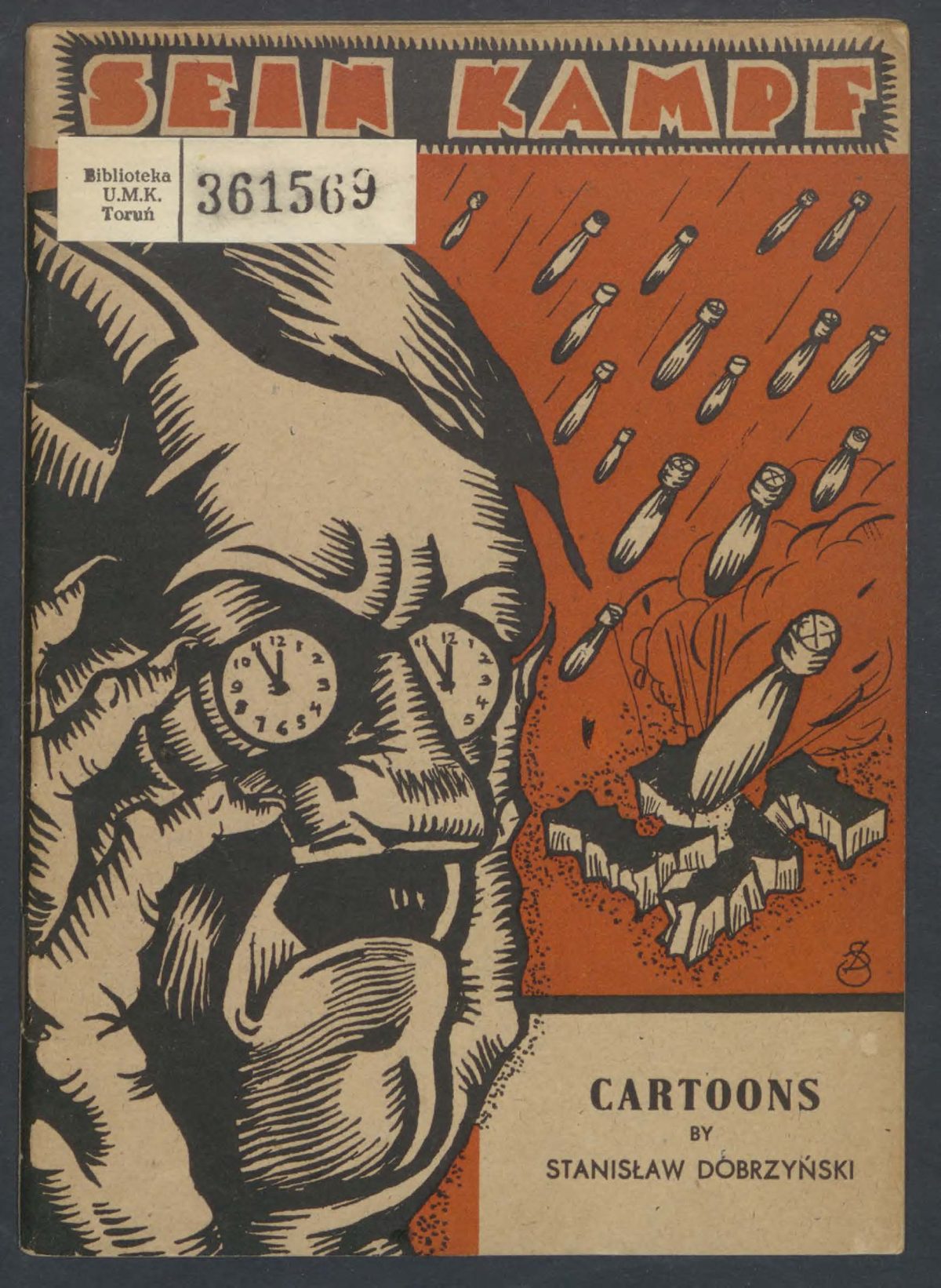
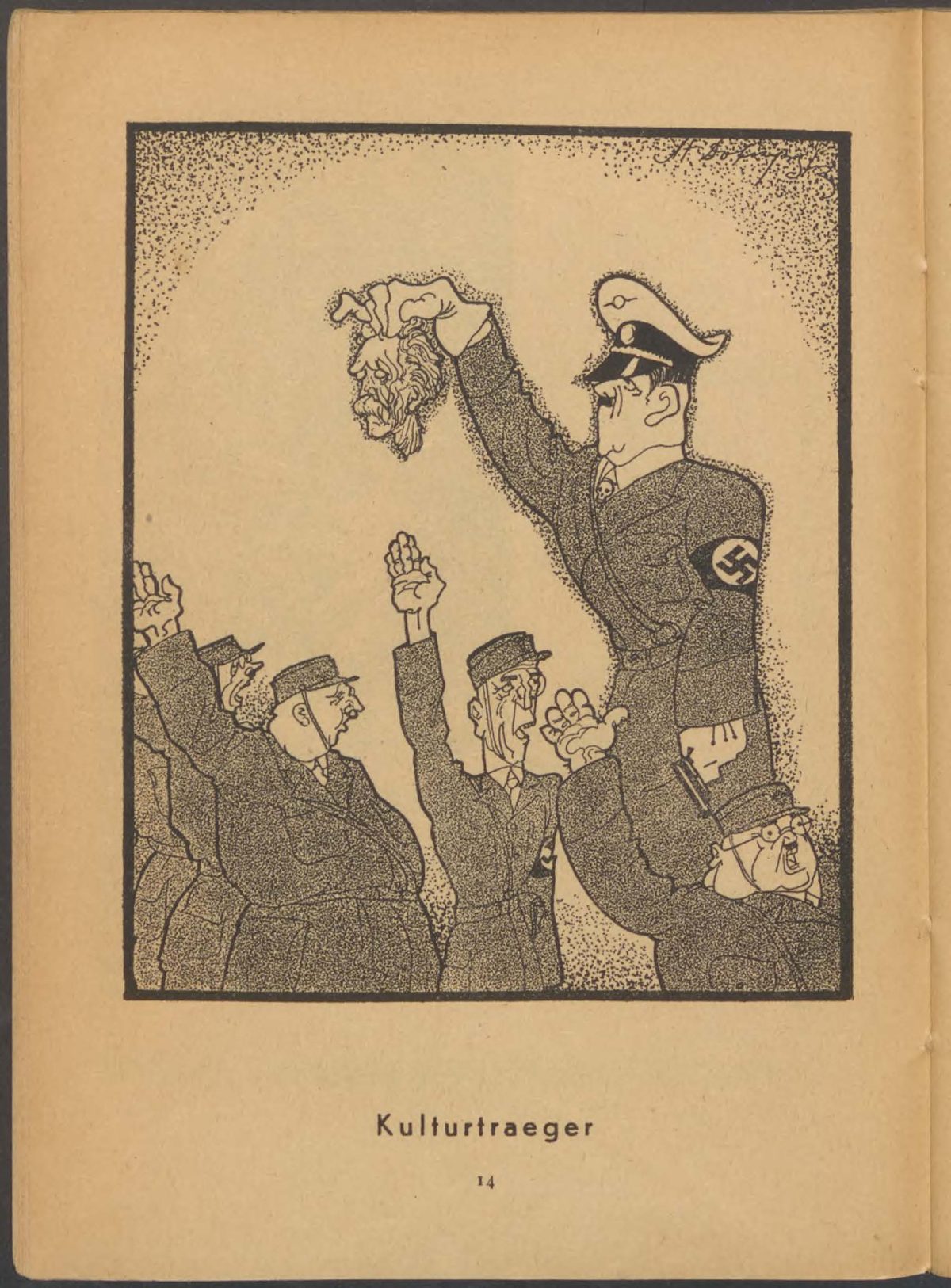
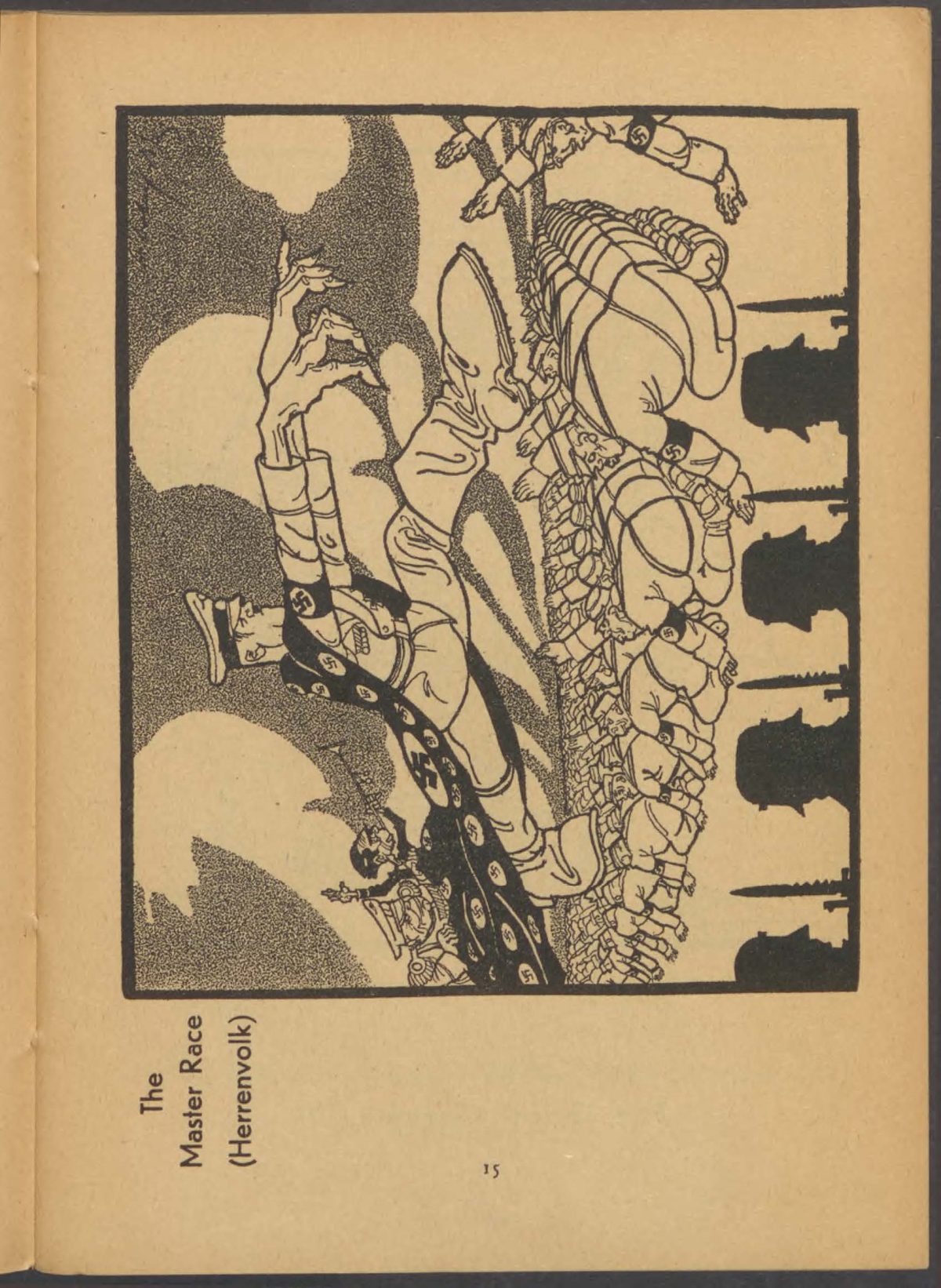
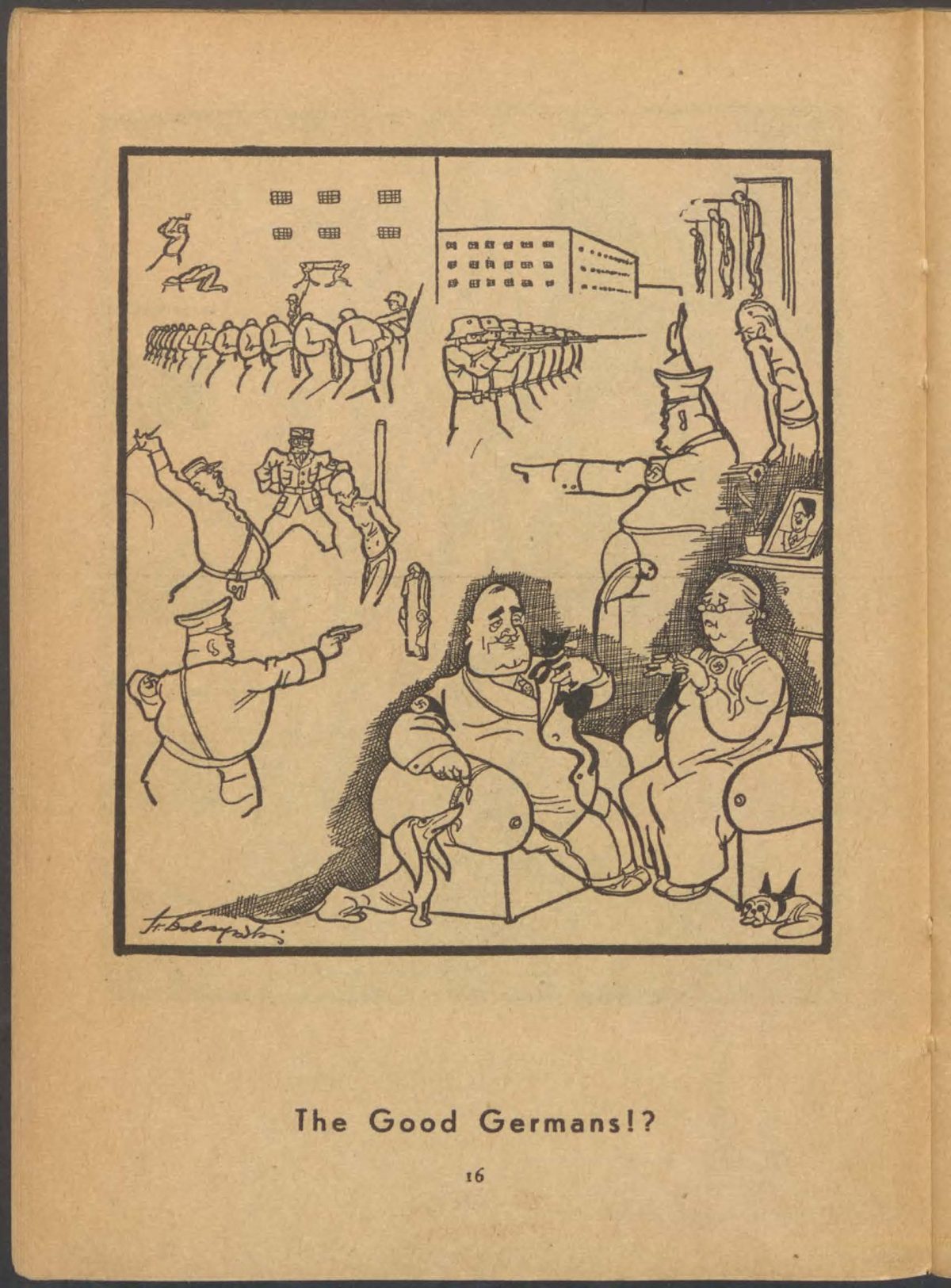
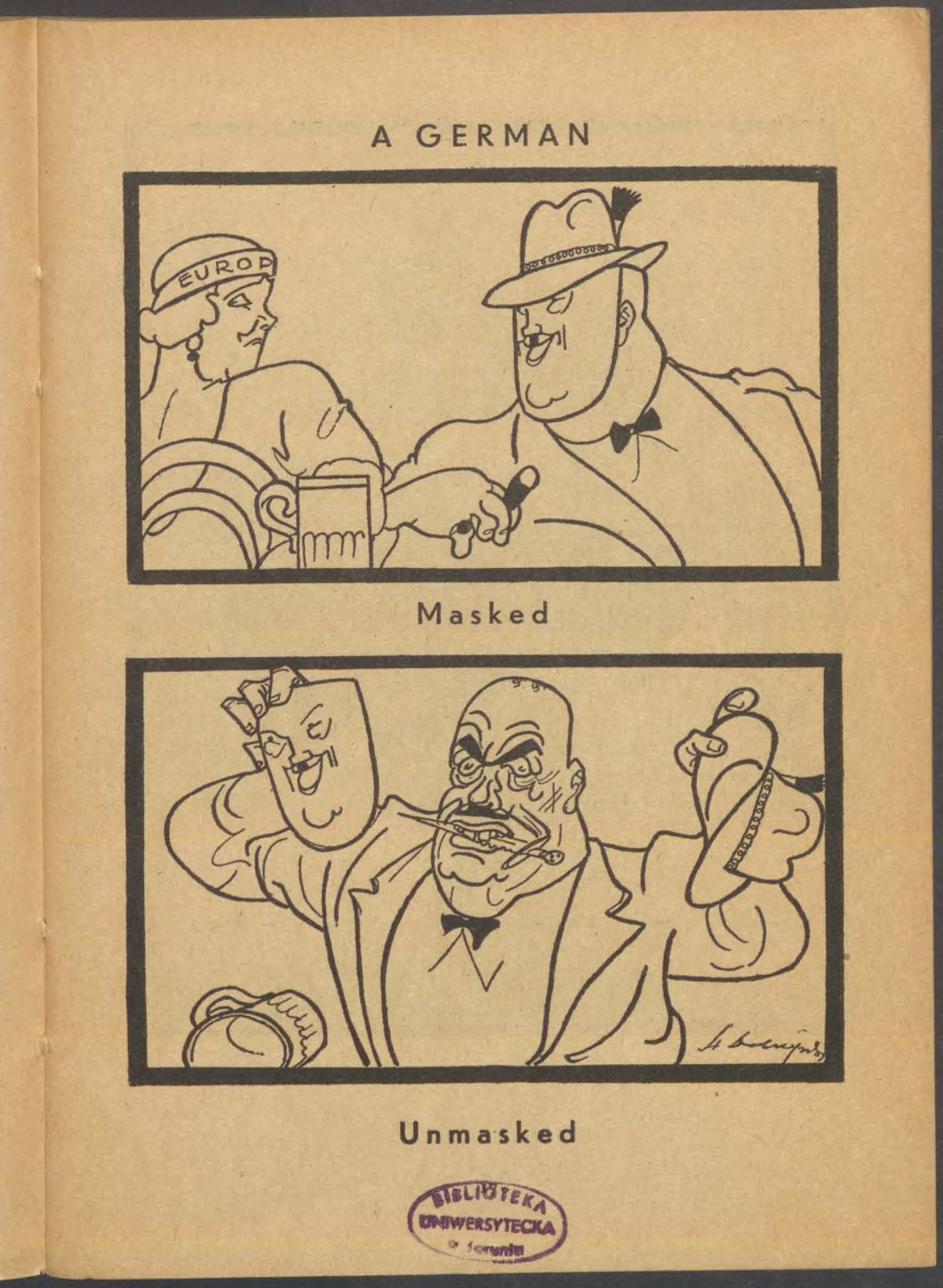
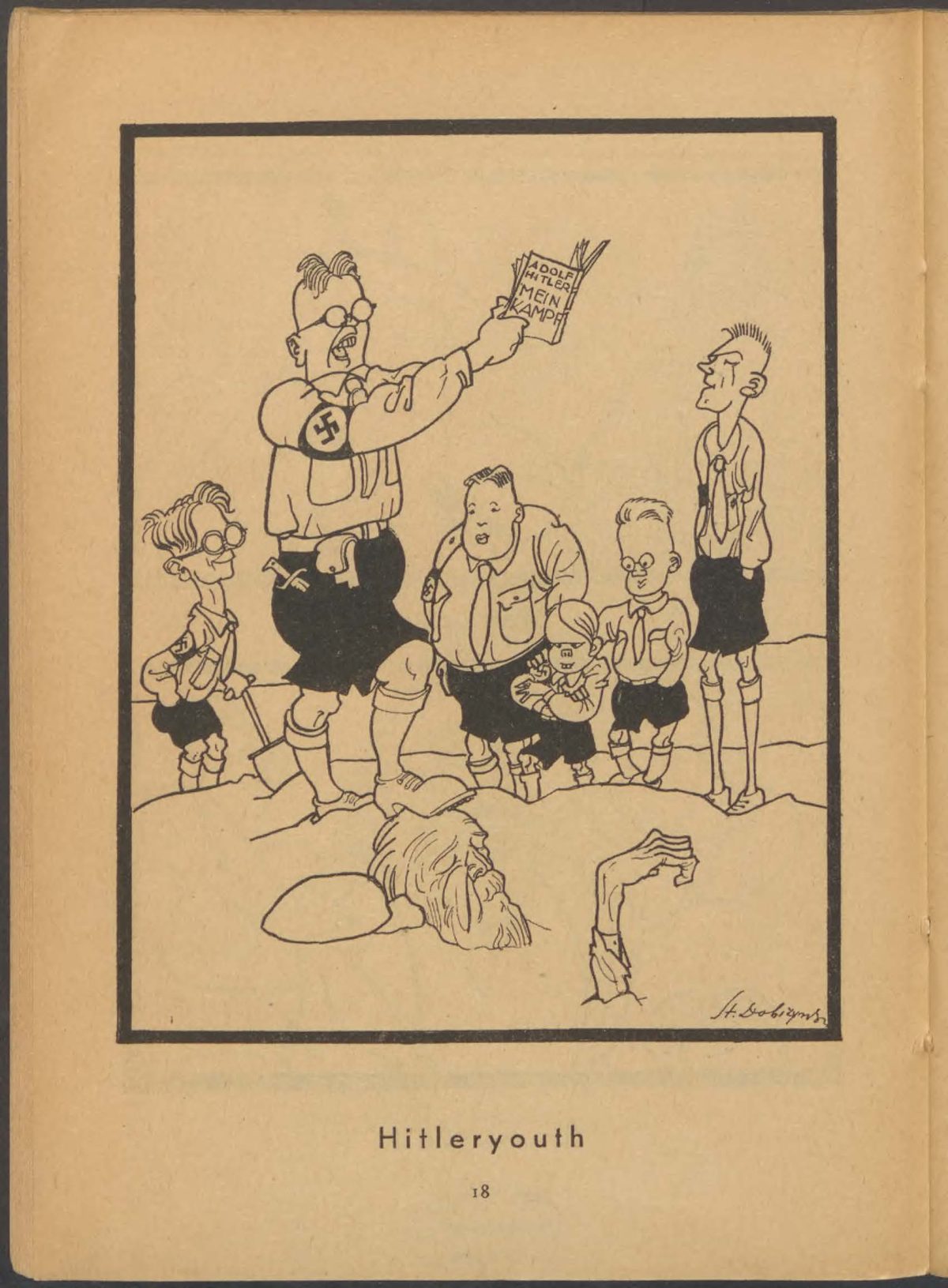
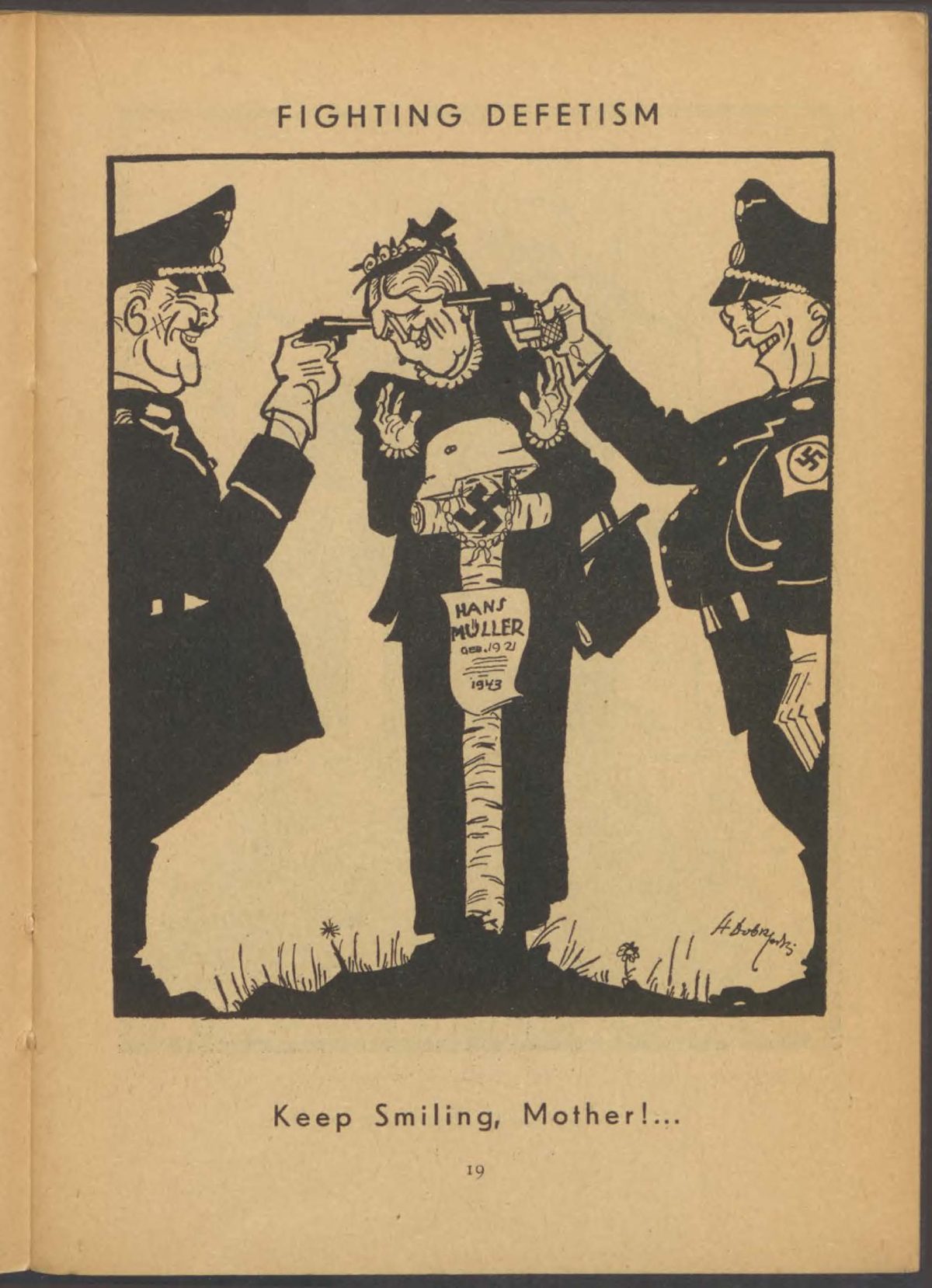
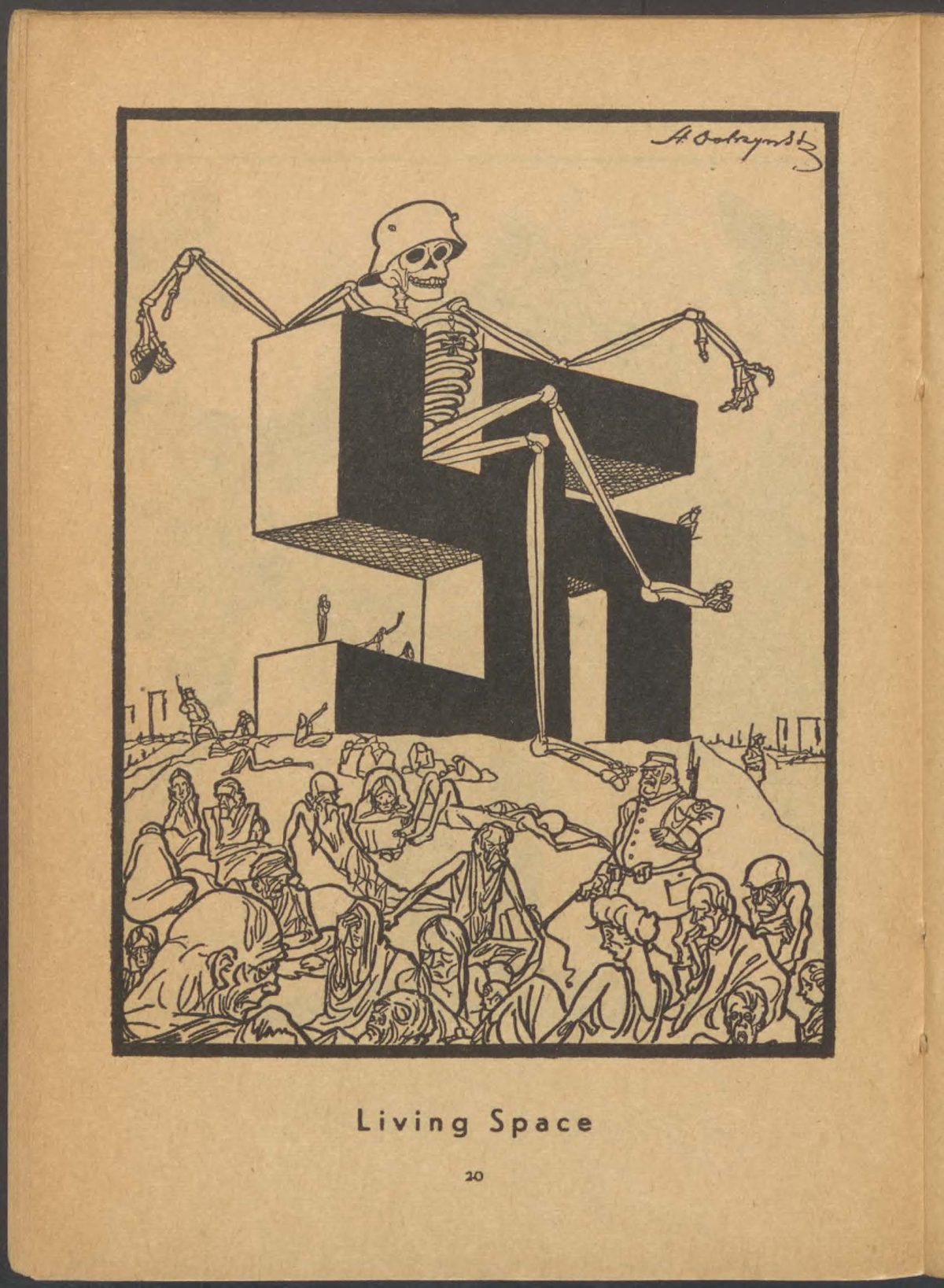
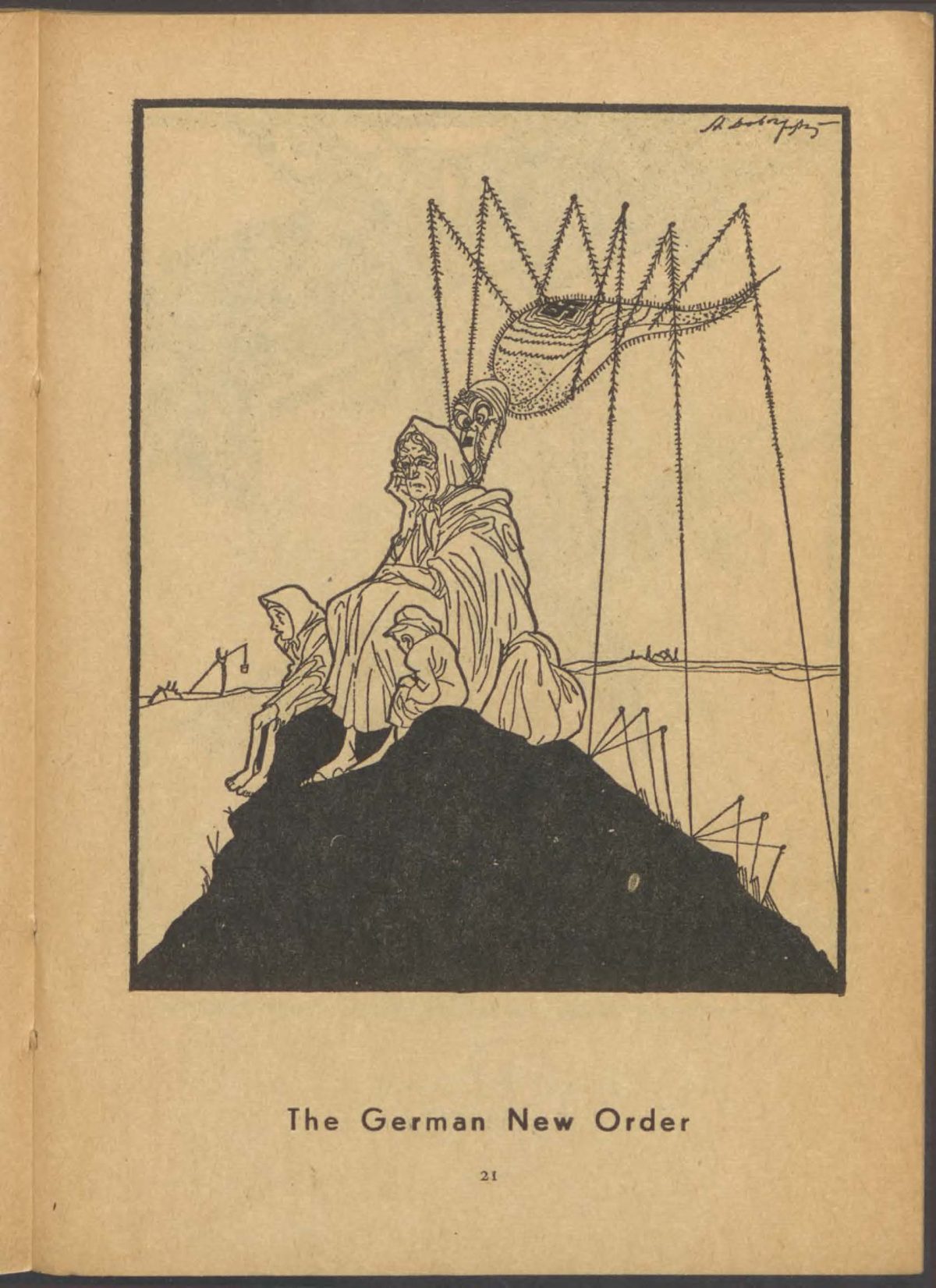
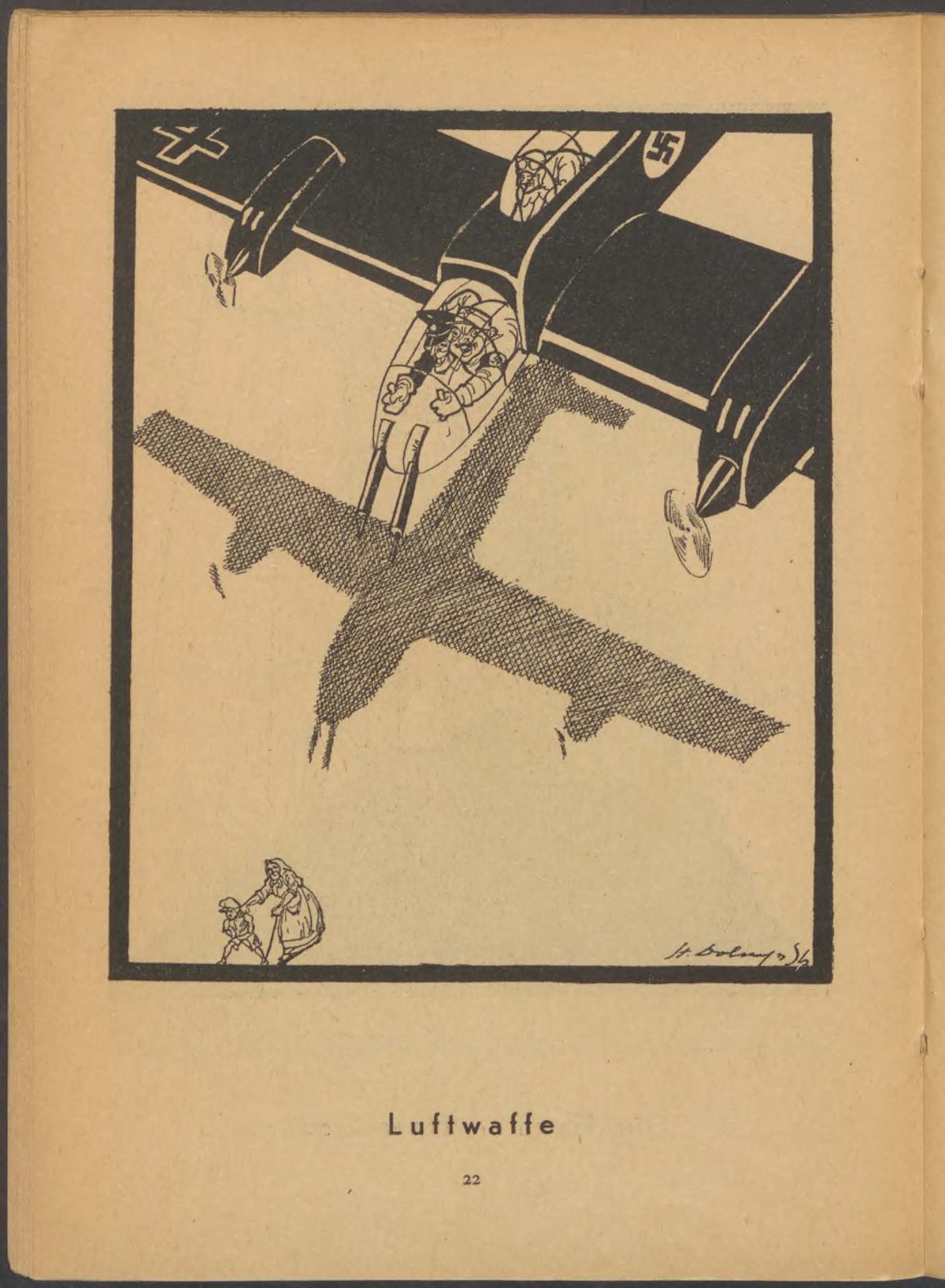
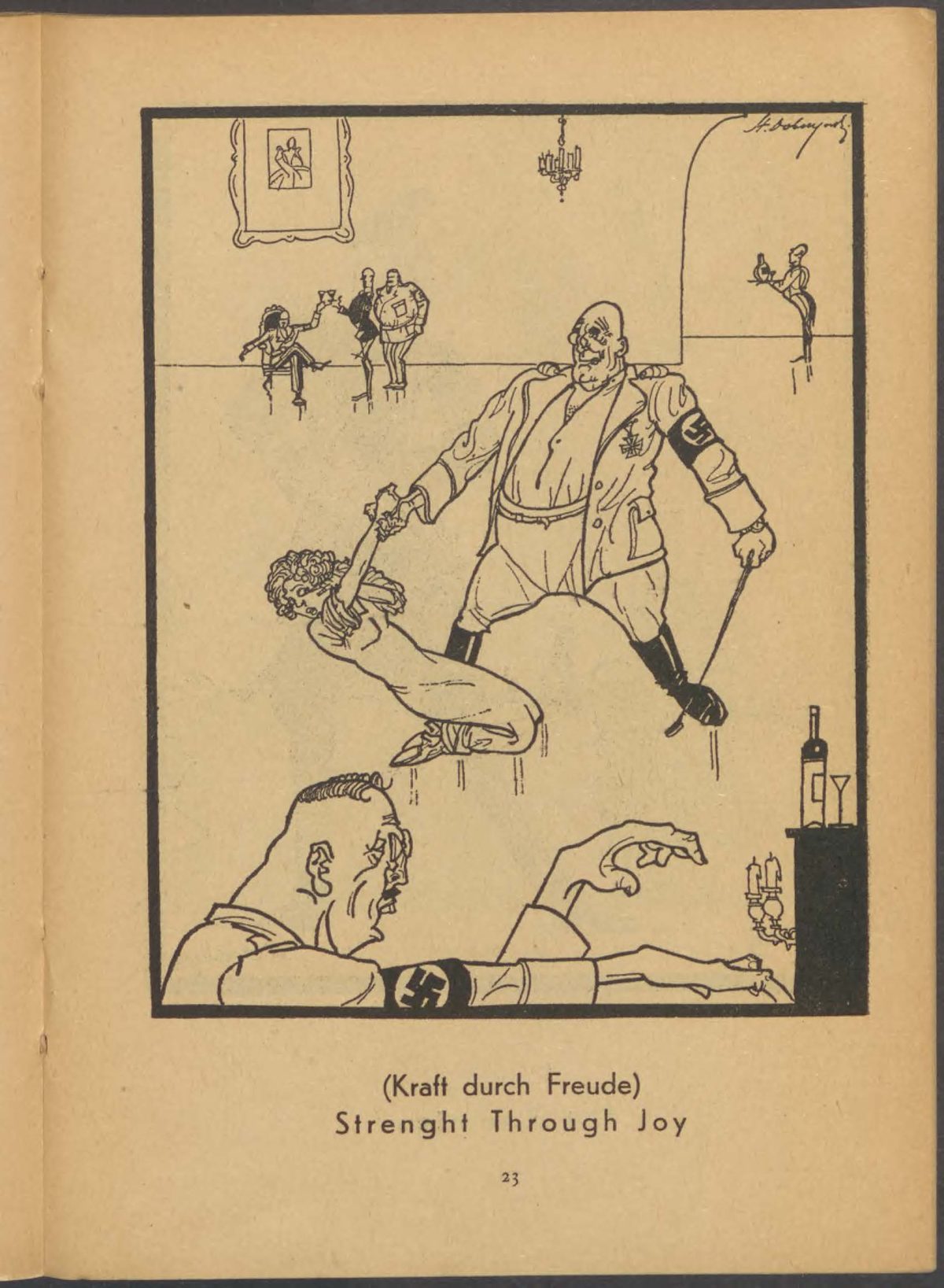
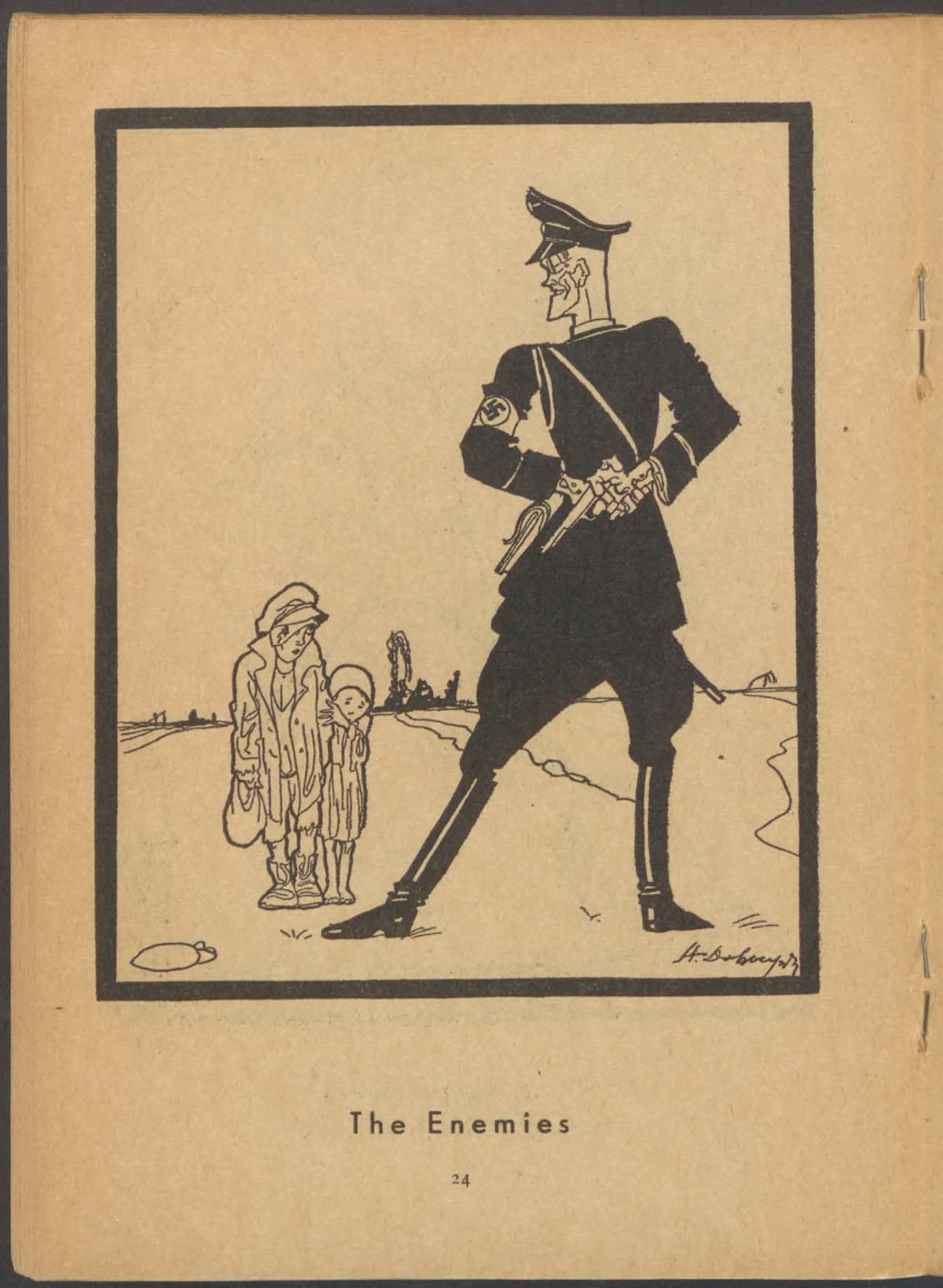
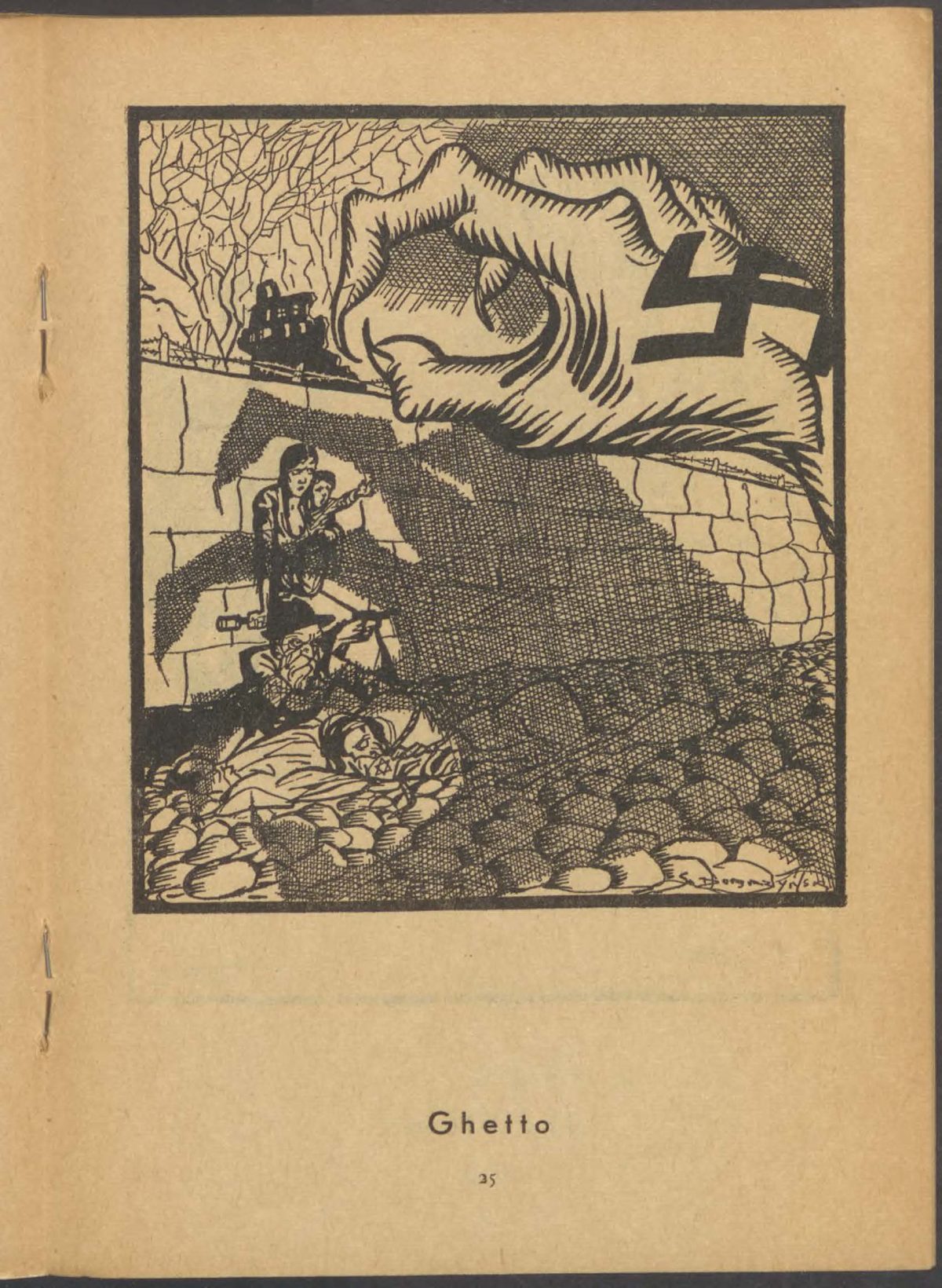
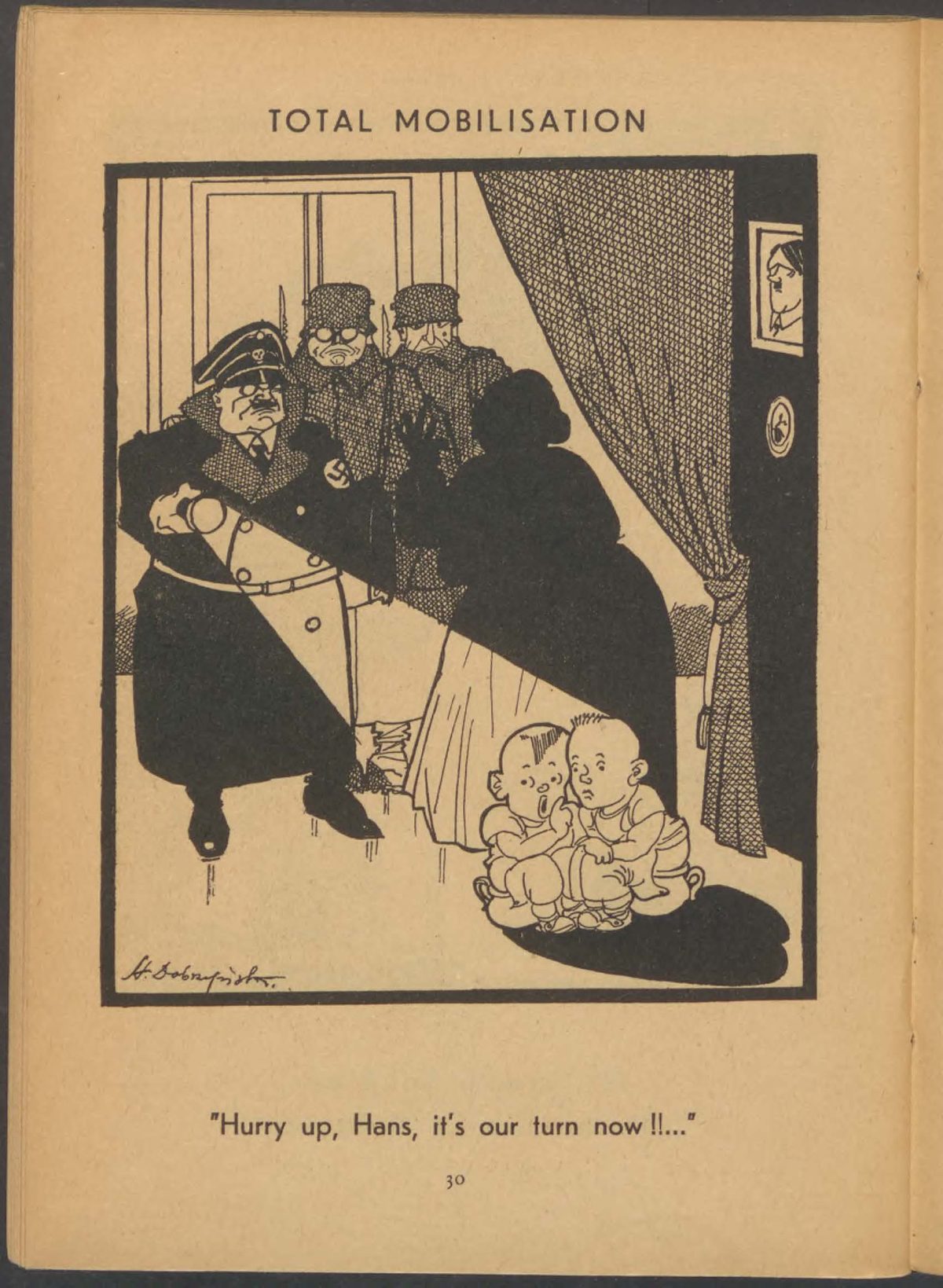
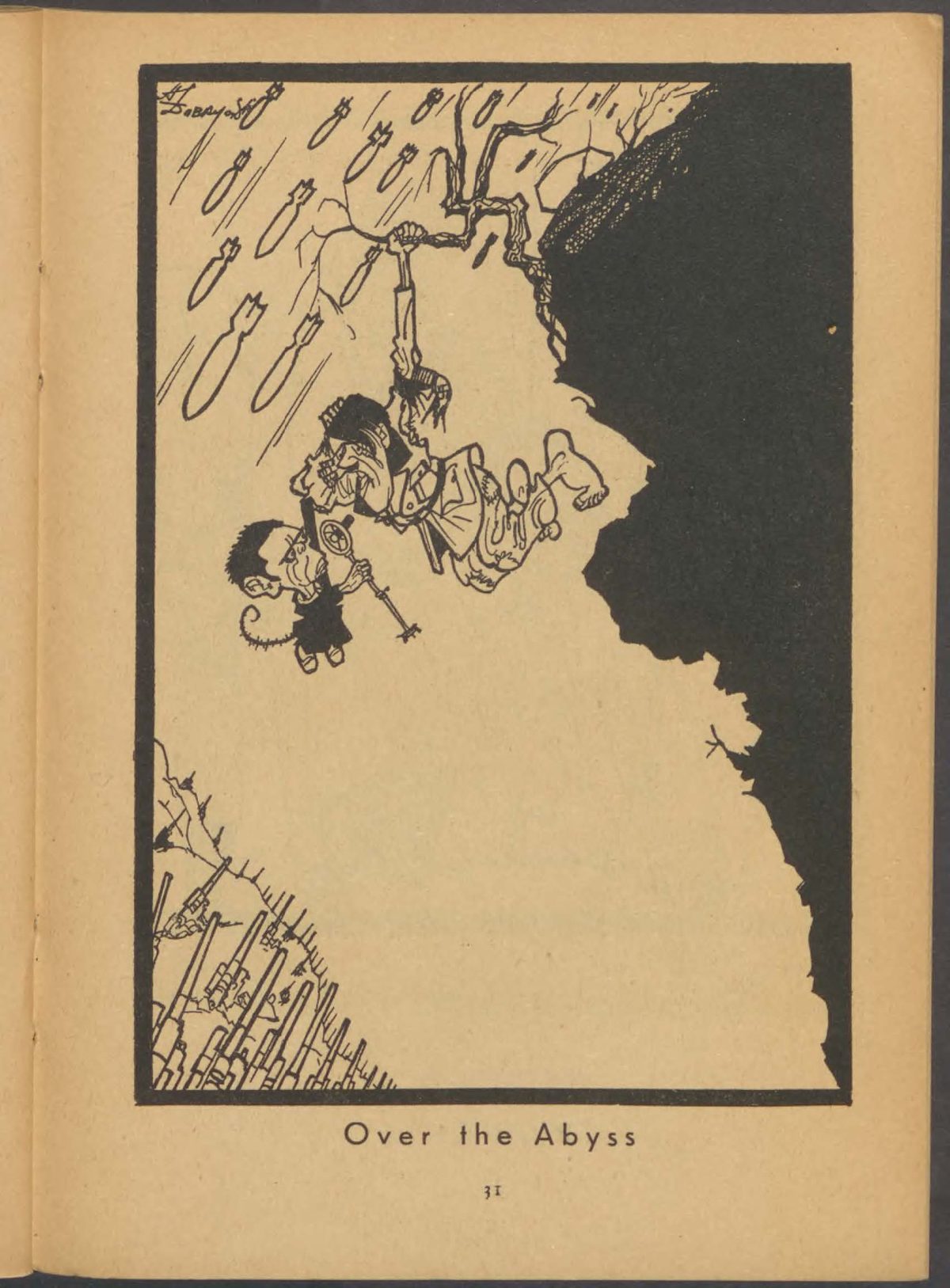
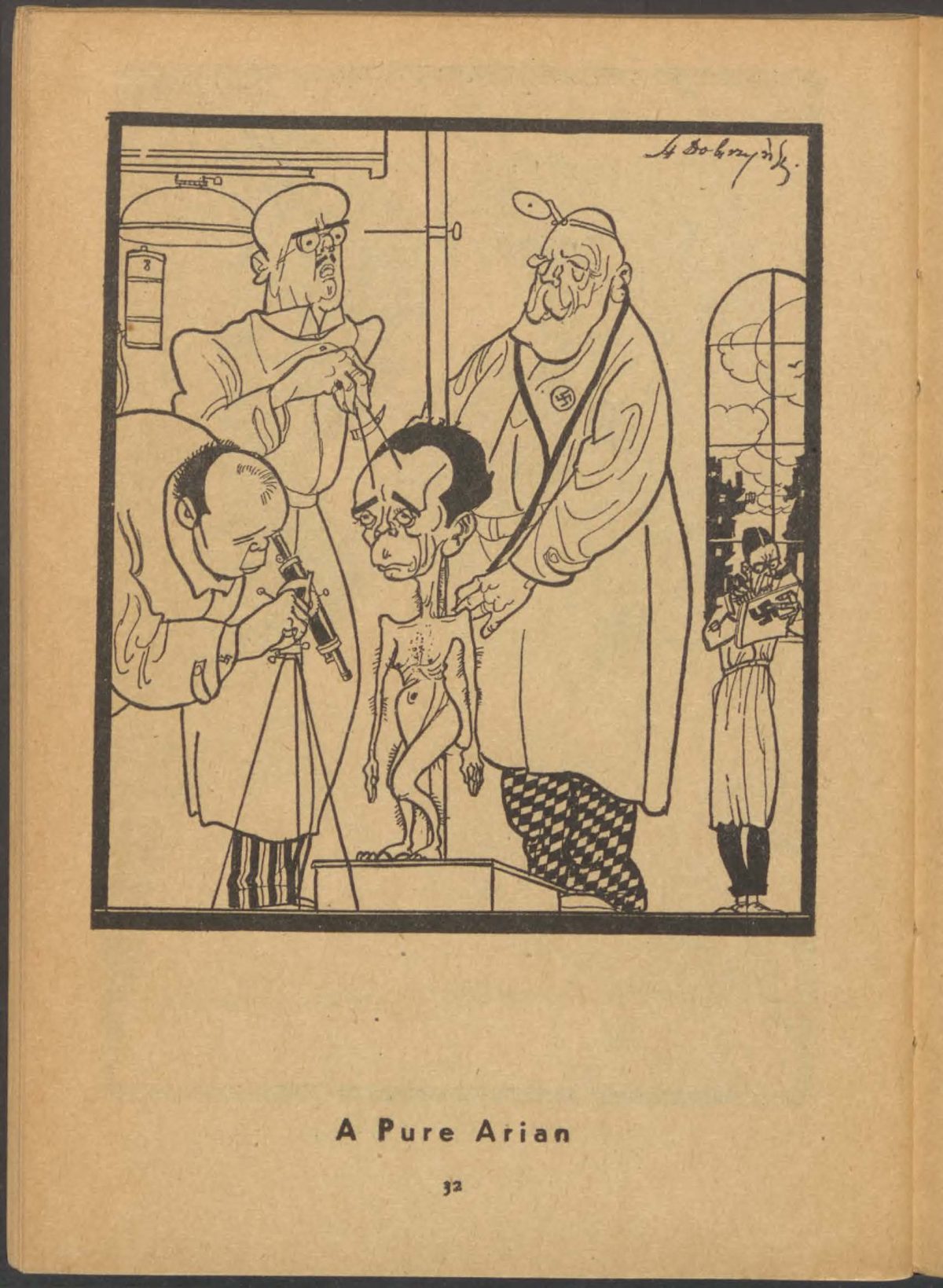
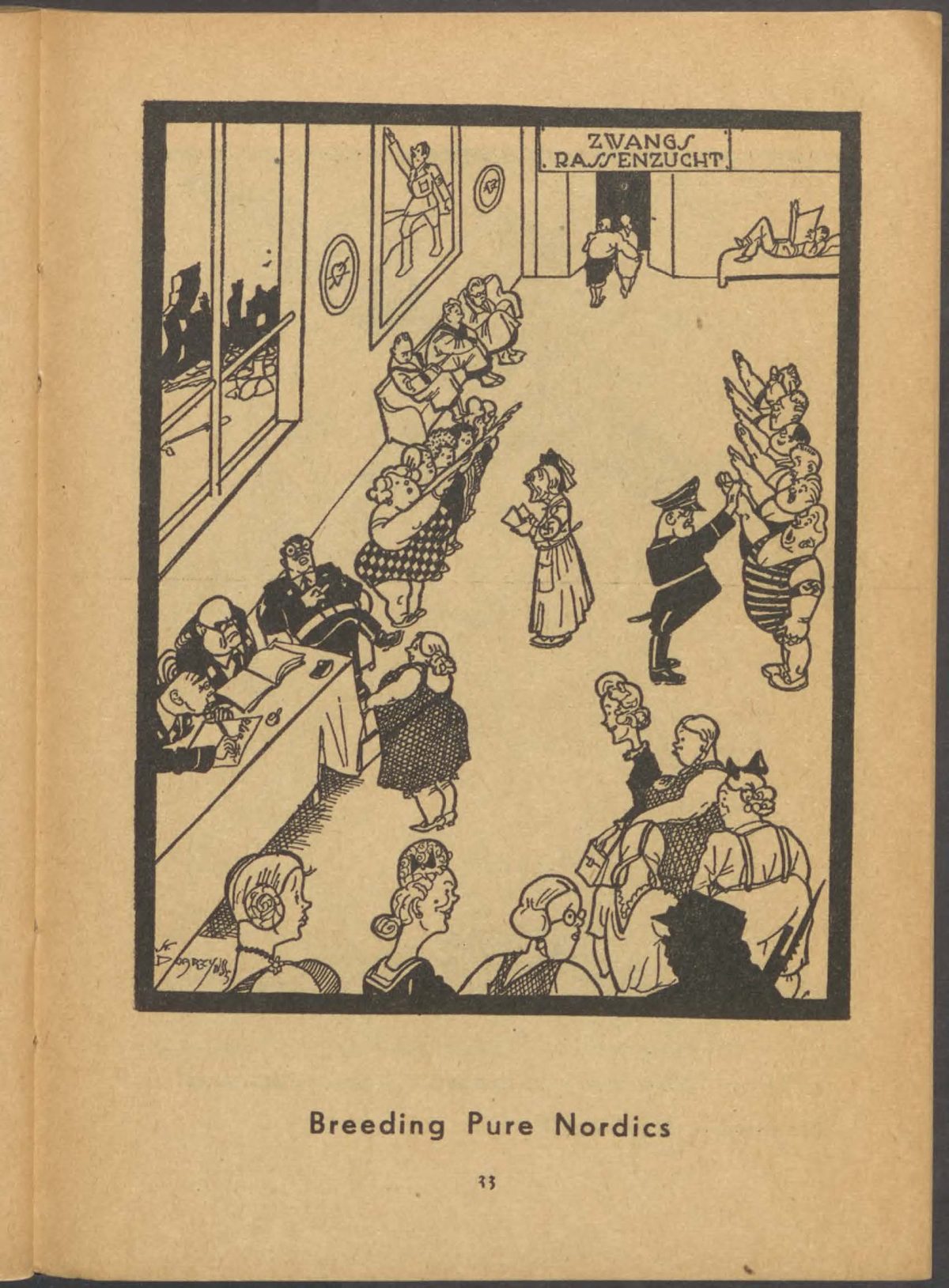
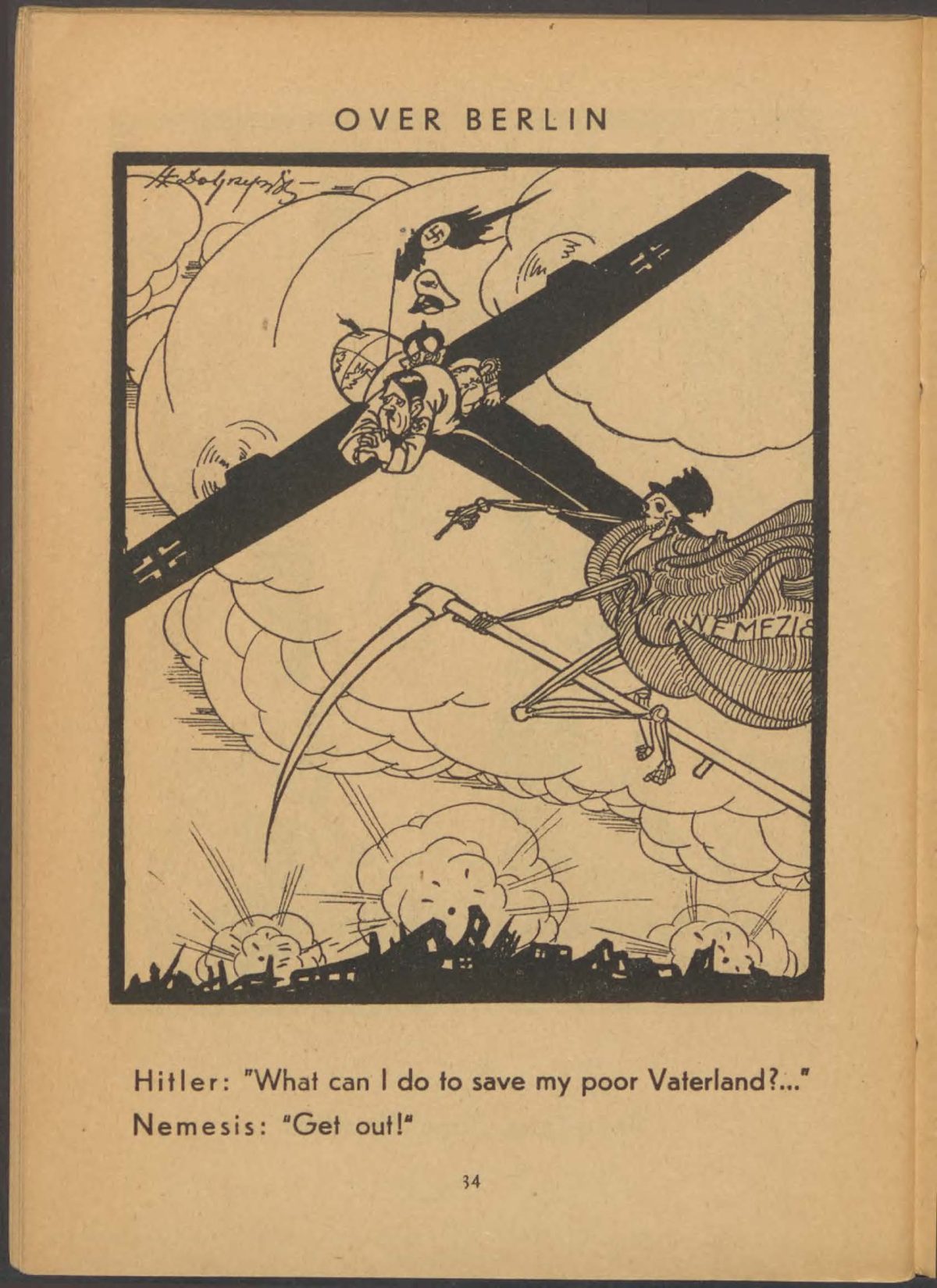
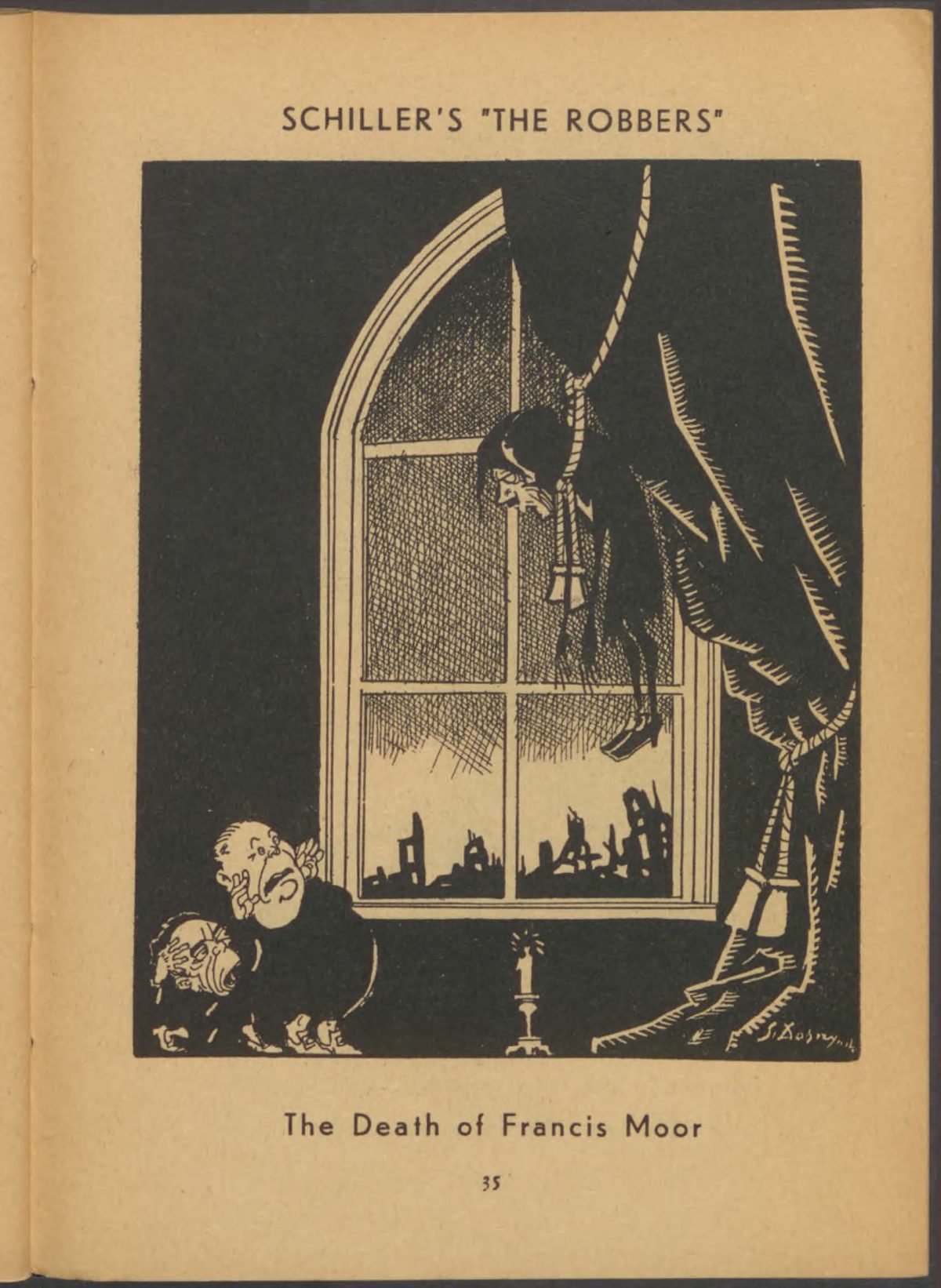
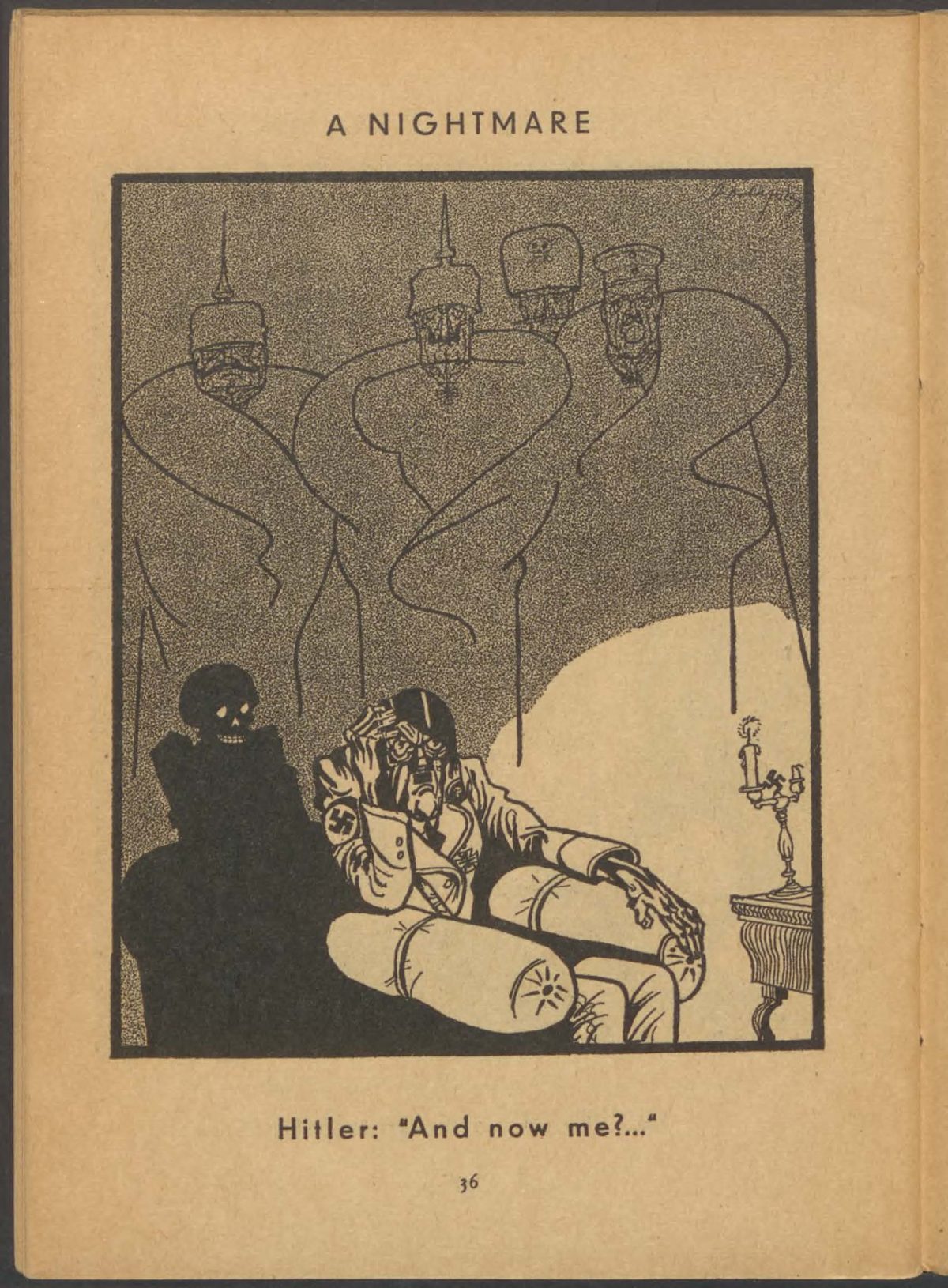
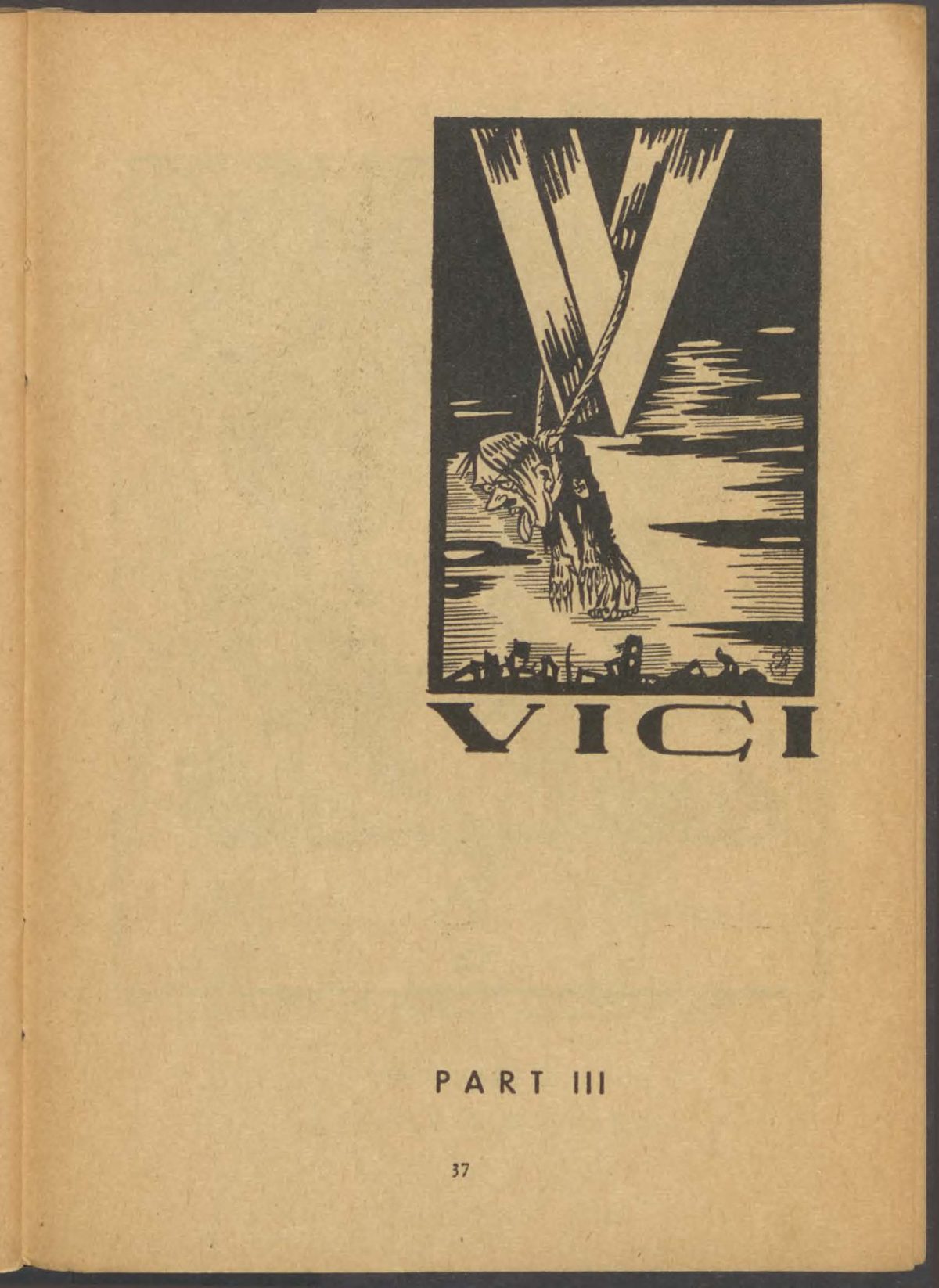
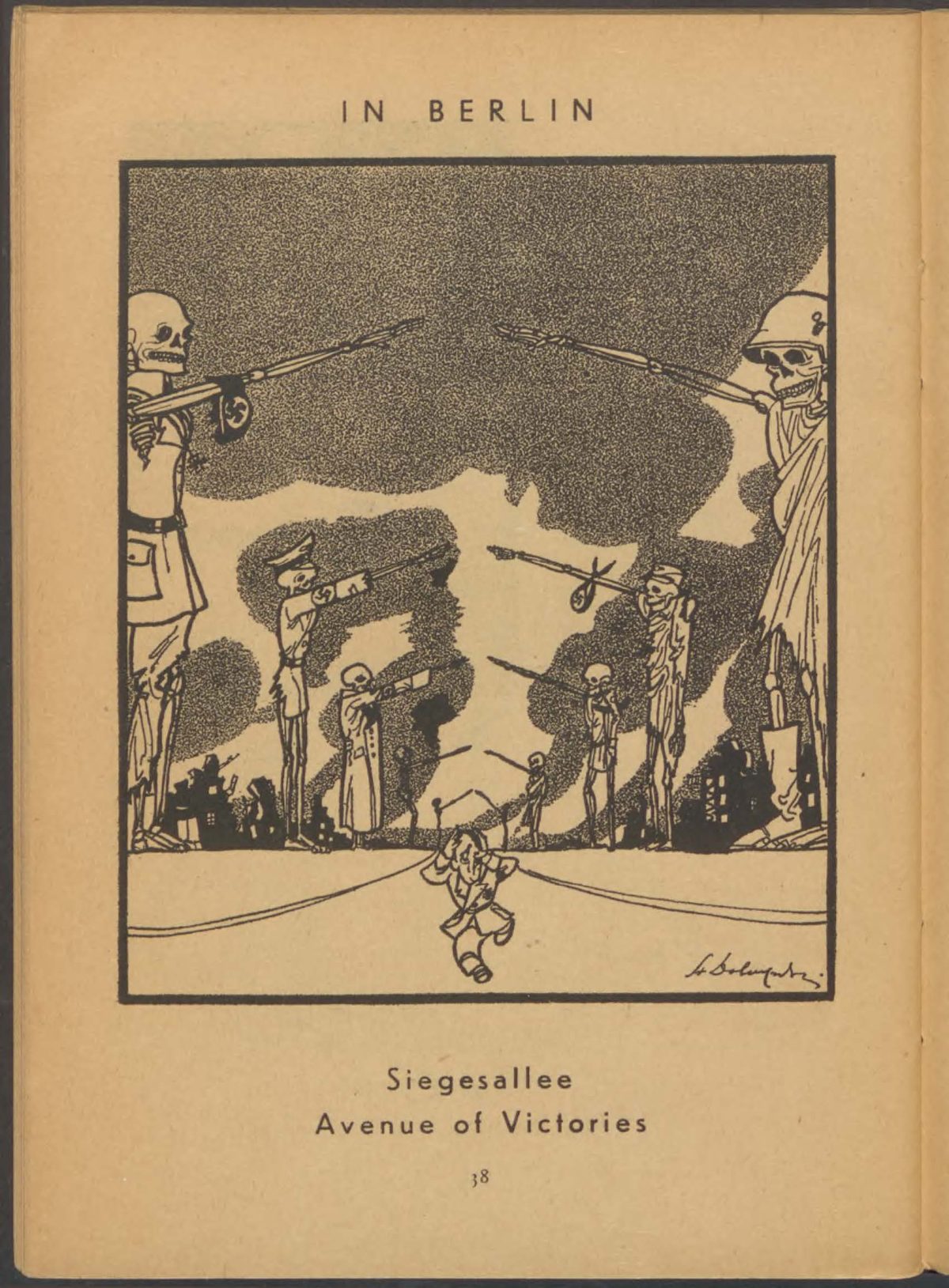
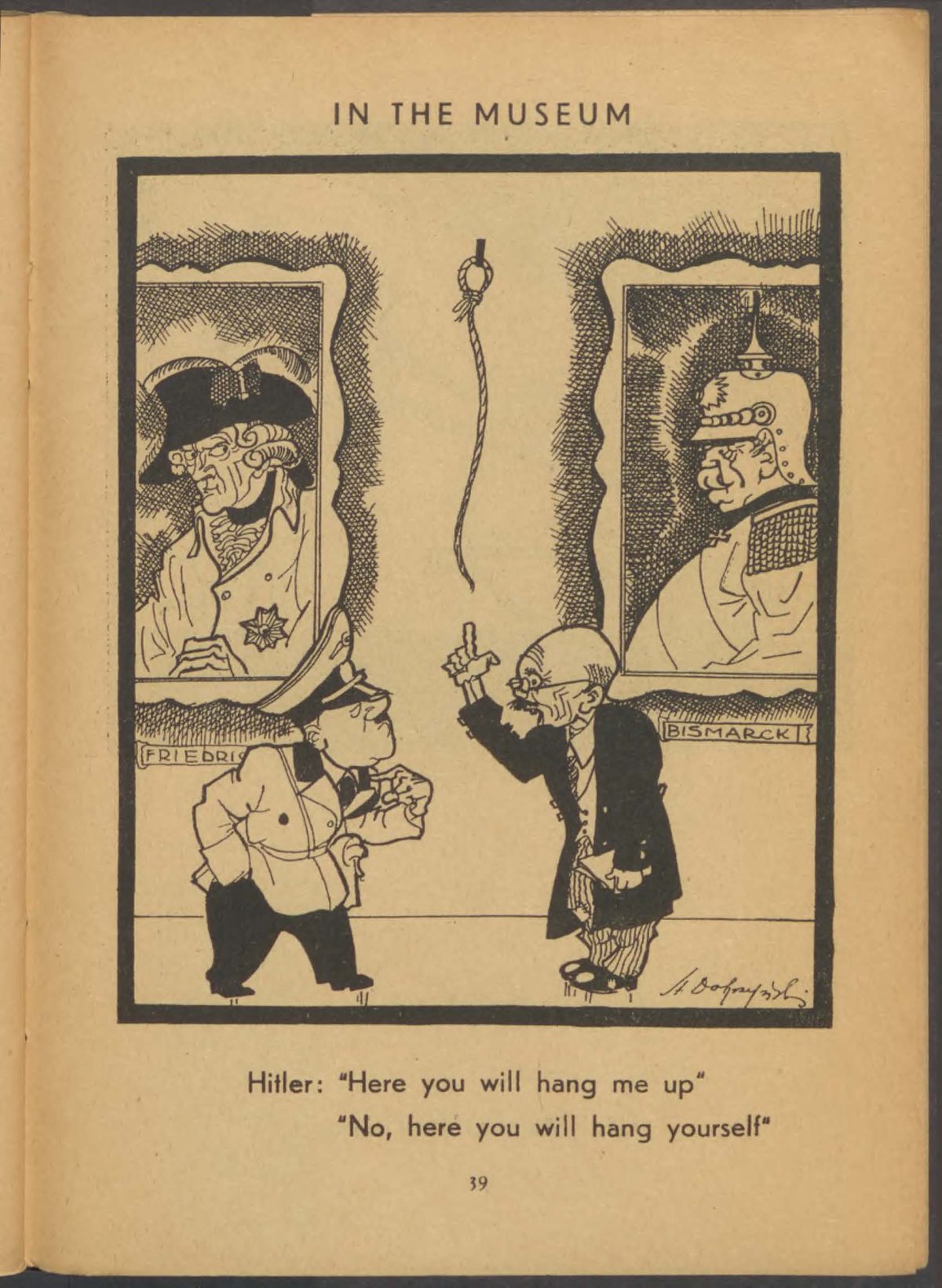
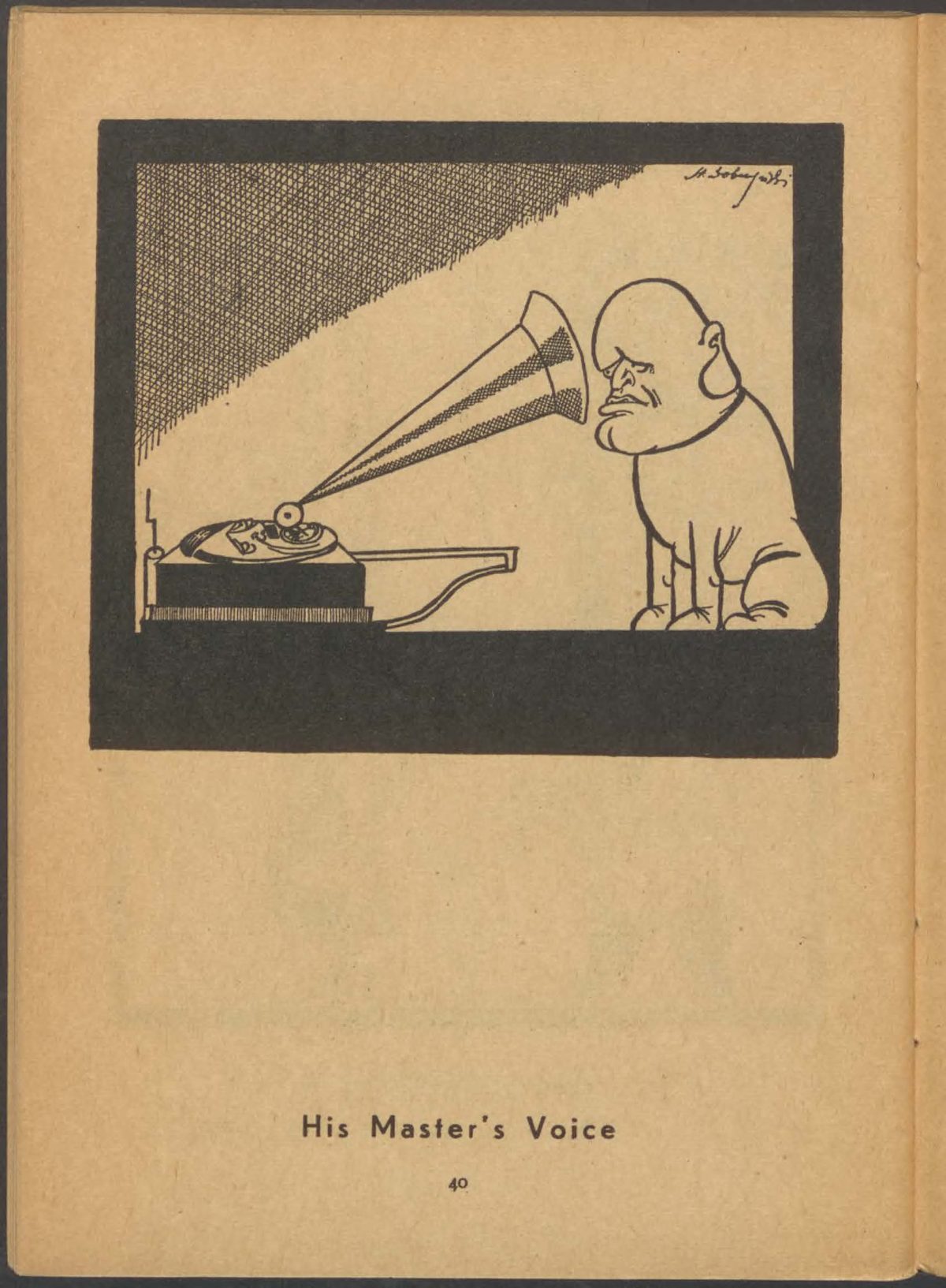
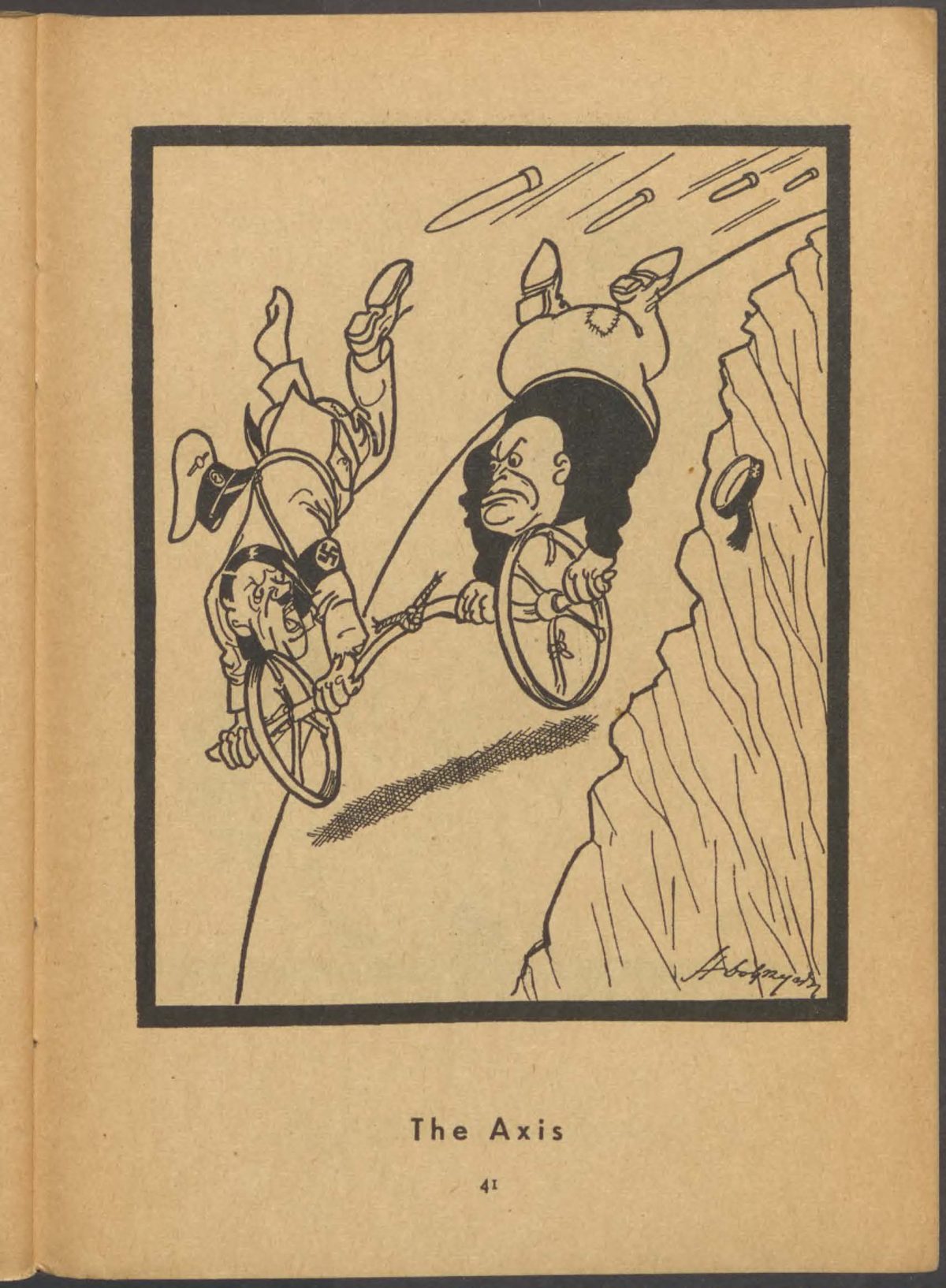
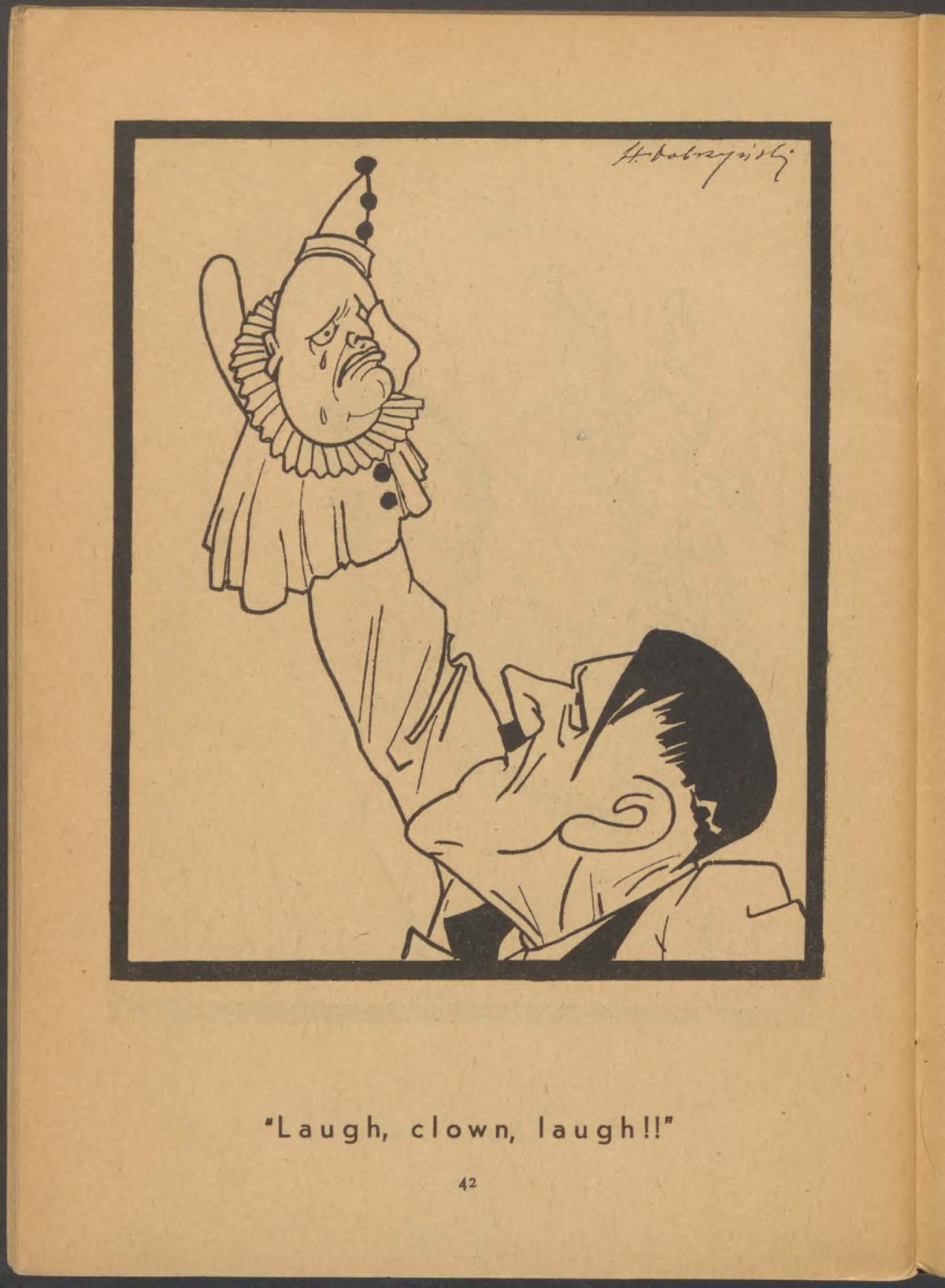
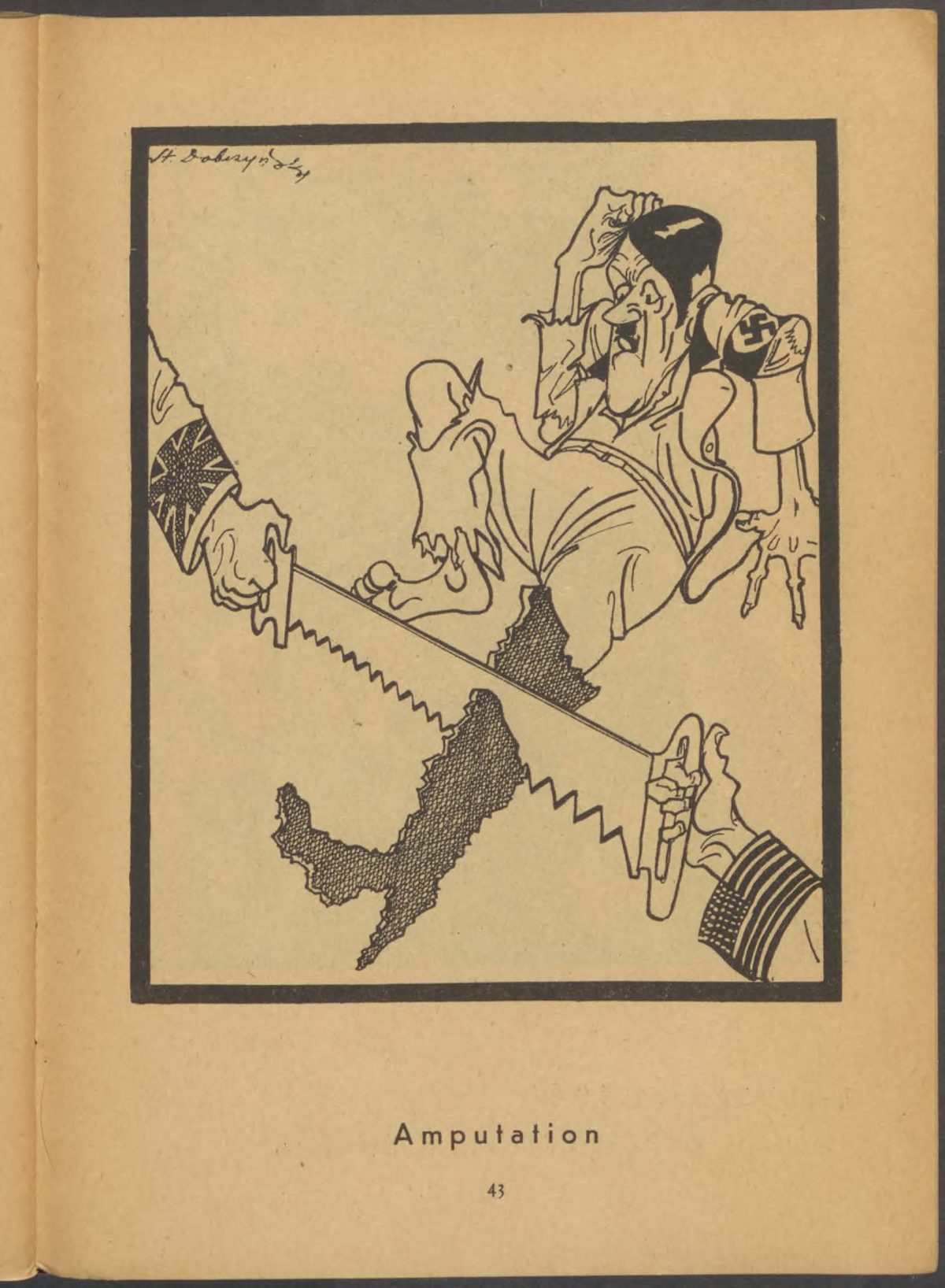
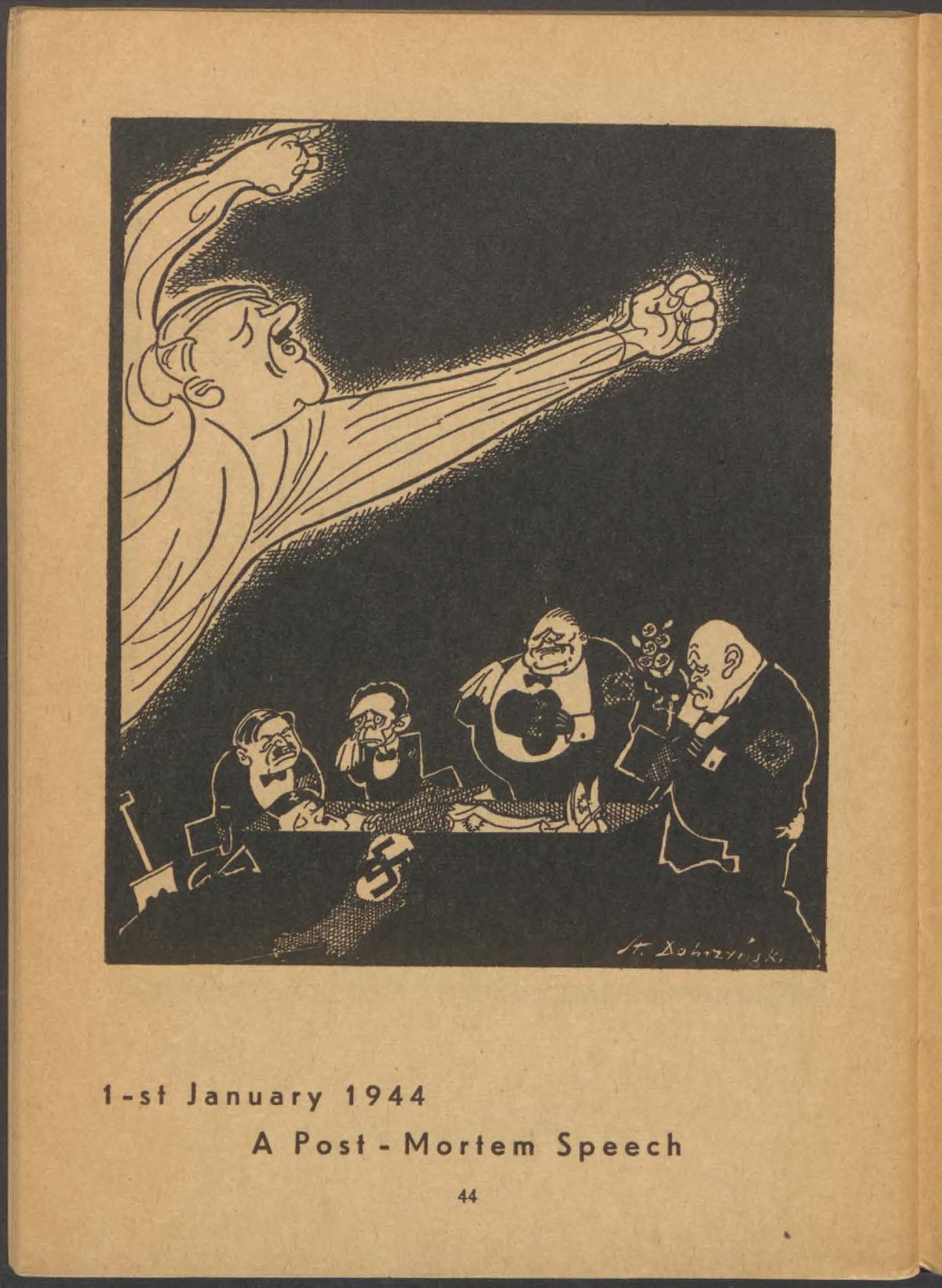
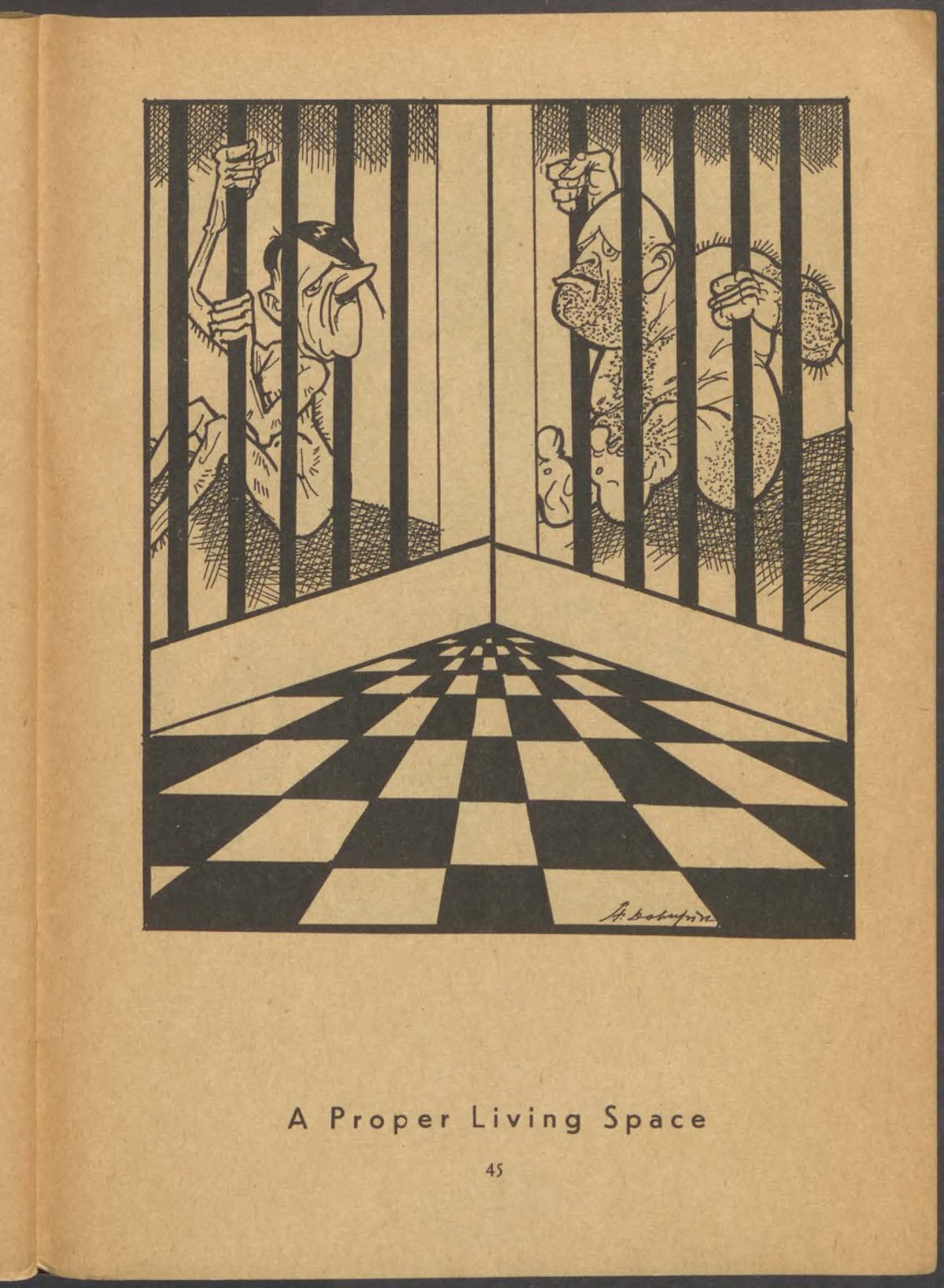
These images are from Sein Kampf (His Struggle), a 1944 collection of cartoons by Stanisław Dobrzyński (1897 to 1949). Sein Kampf was published in Jerusalem by W Drodze (On the Way), a publishing house and magazine founded in Dobrzyński’s native Poland. It was printed by the Haaretz Press, Tel Aviv.
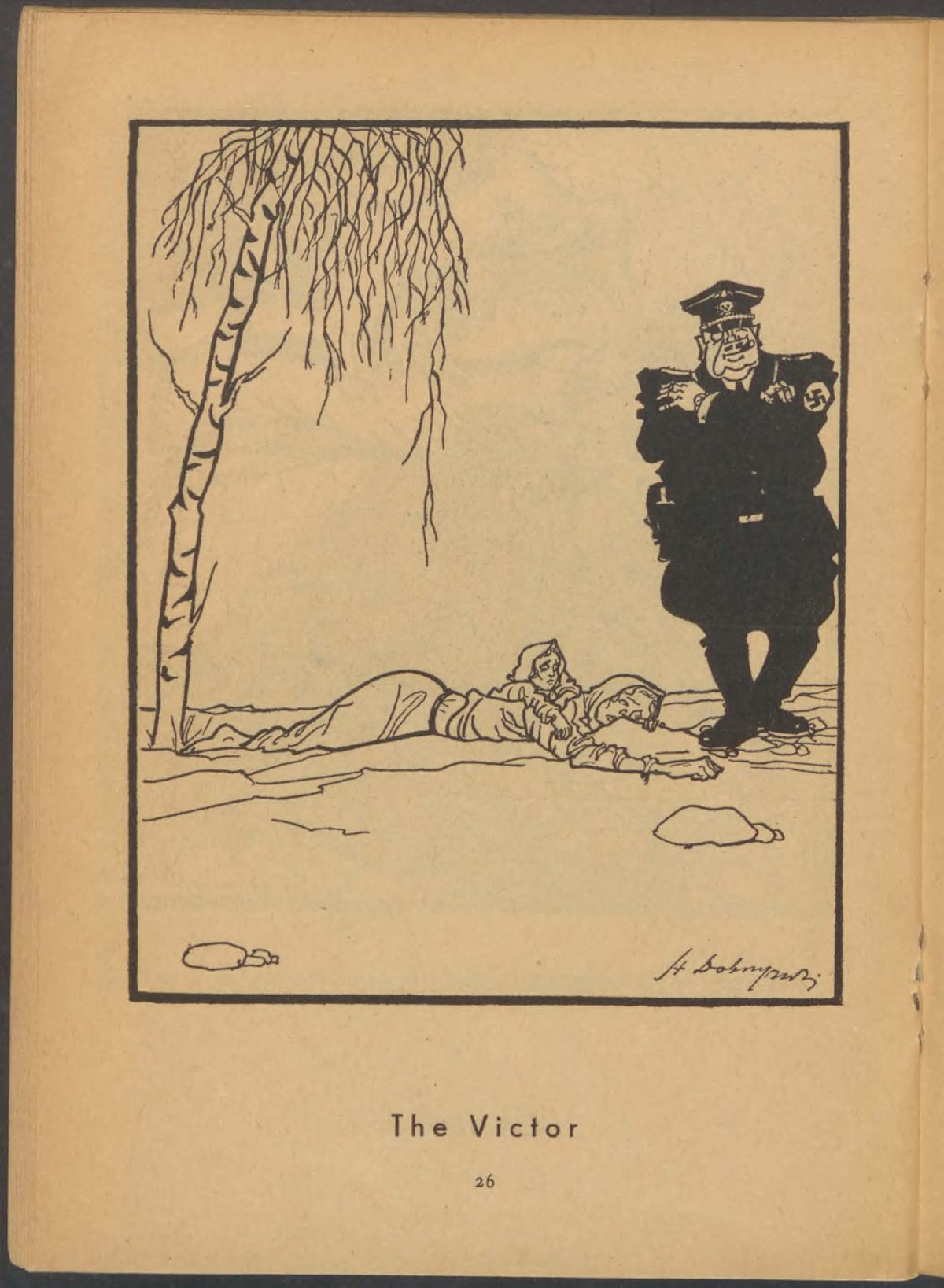
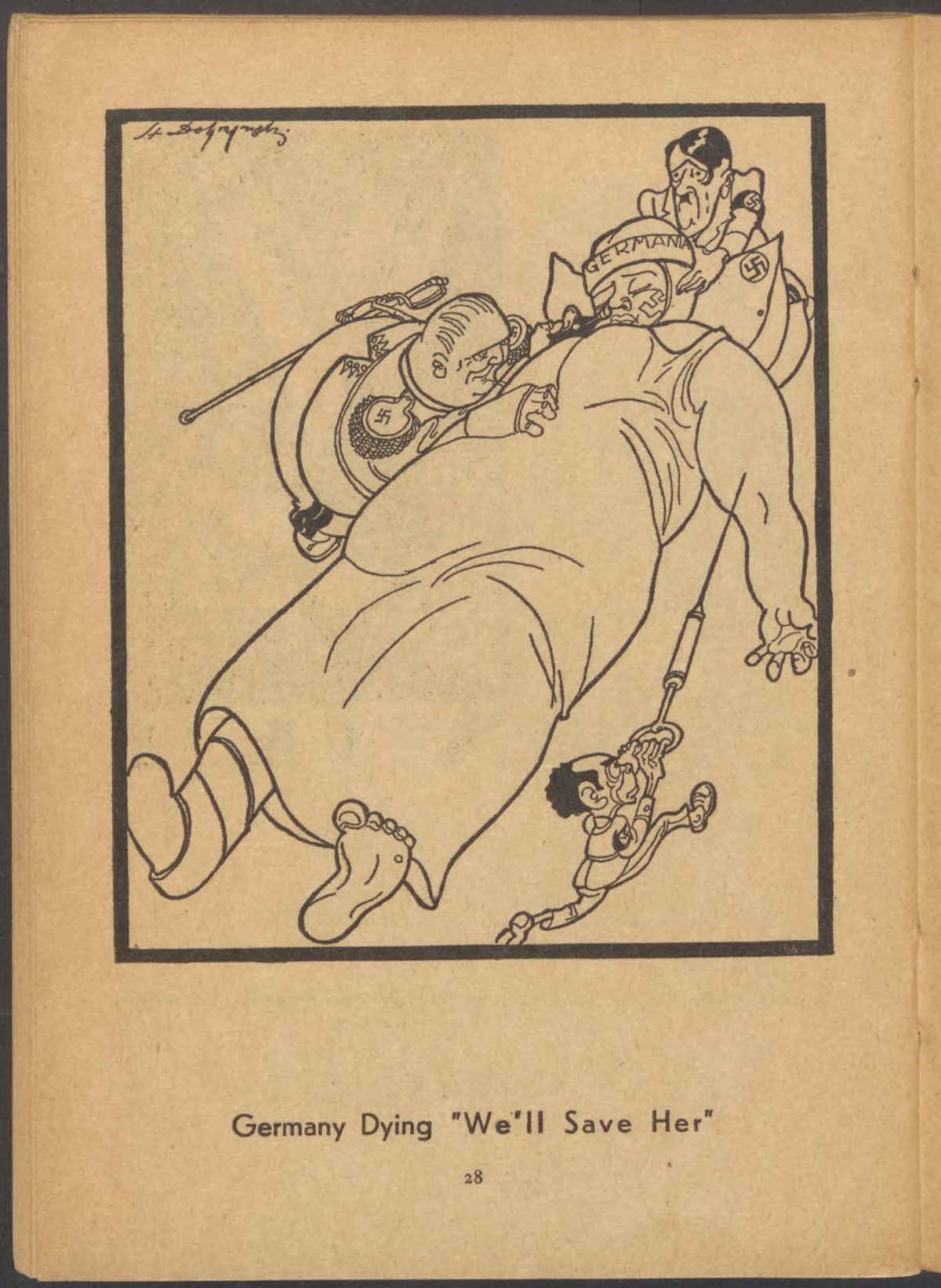
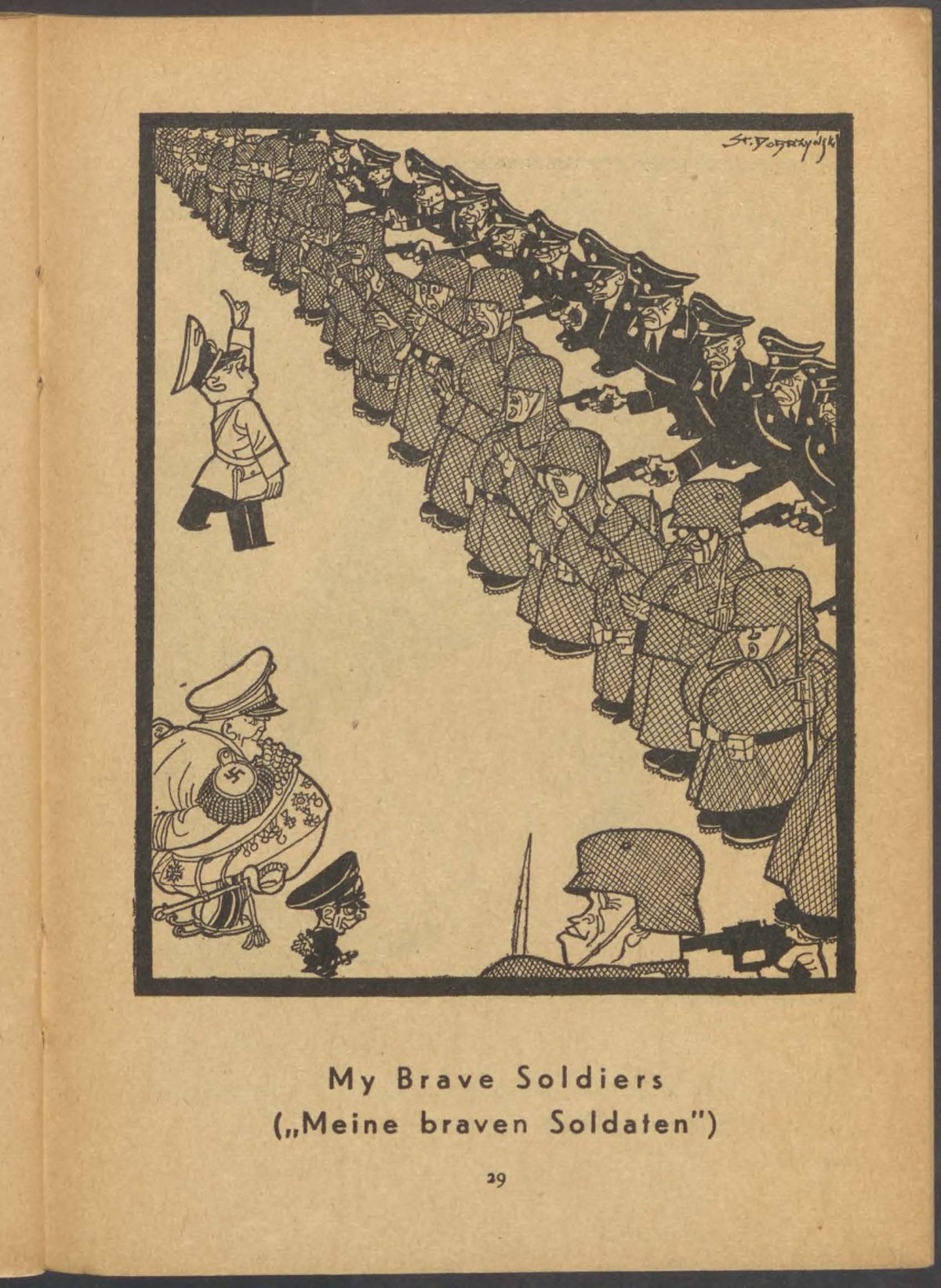
The book featuredsa two-page introduction in Polish and 41 full-page cartoons with captions in Polish (with the occasional word in German or English). The cartoons lampoon Adolf Hitler, Benito Mussolini and other leading fascists, detailing life under Nazi rule (there are a number of anti-antisemitic images), and foreshadowing the fall of Hitler and National Socialism. Sein Kampf will not be confused with Hitler’s book Mein Kampf.
Hitler’s 7 Deadly Sins
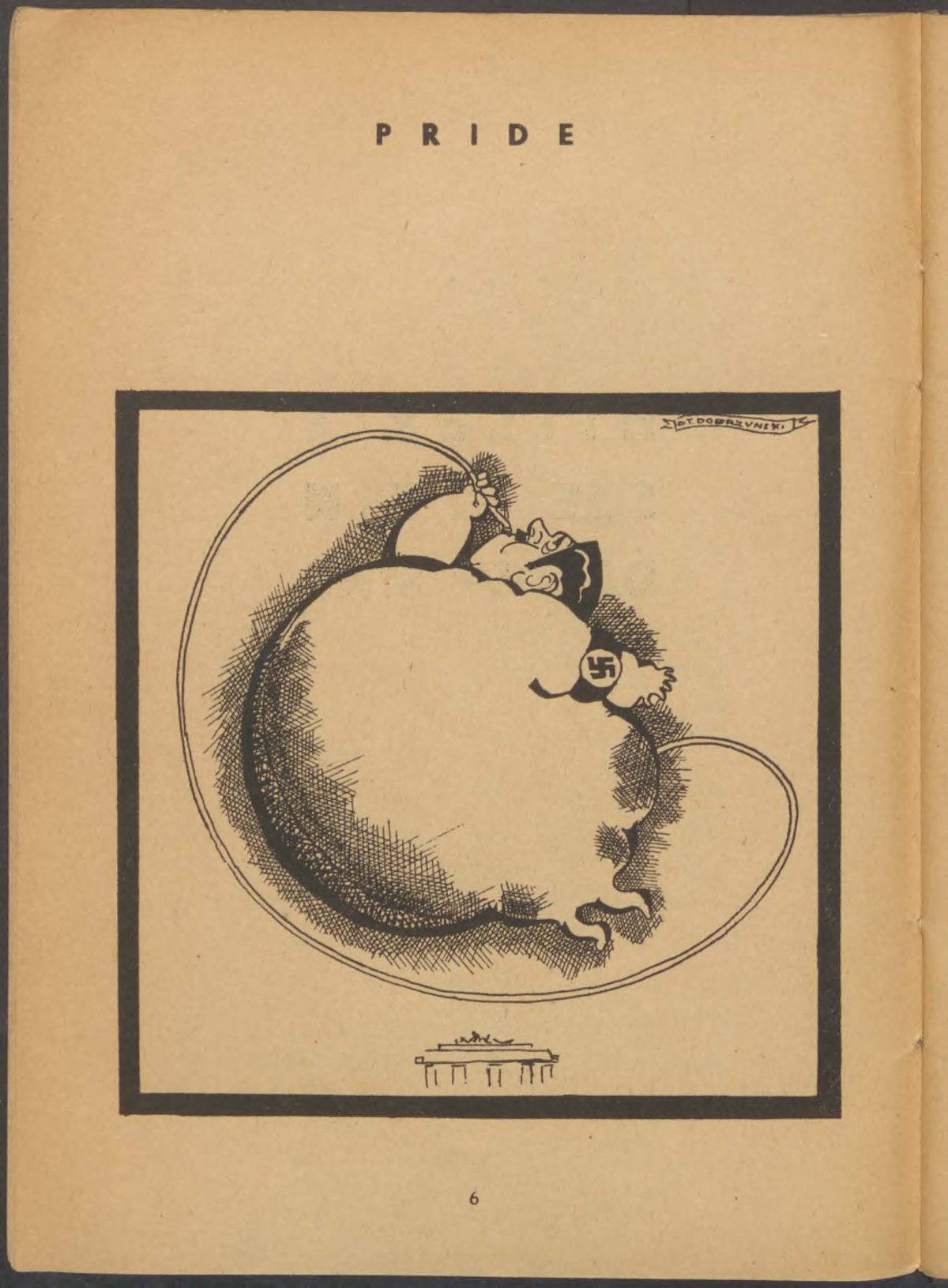
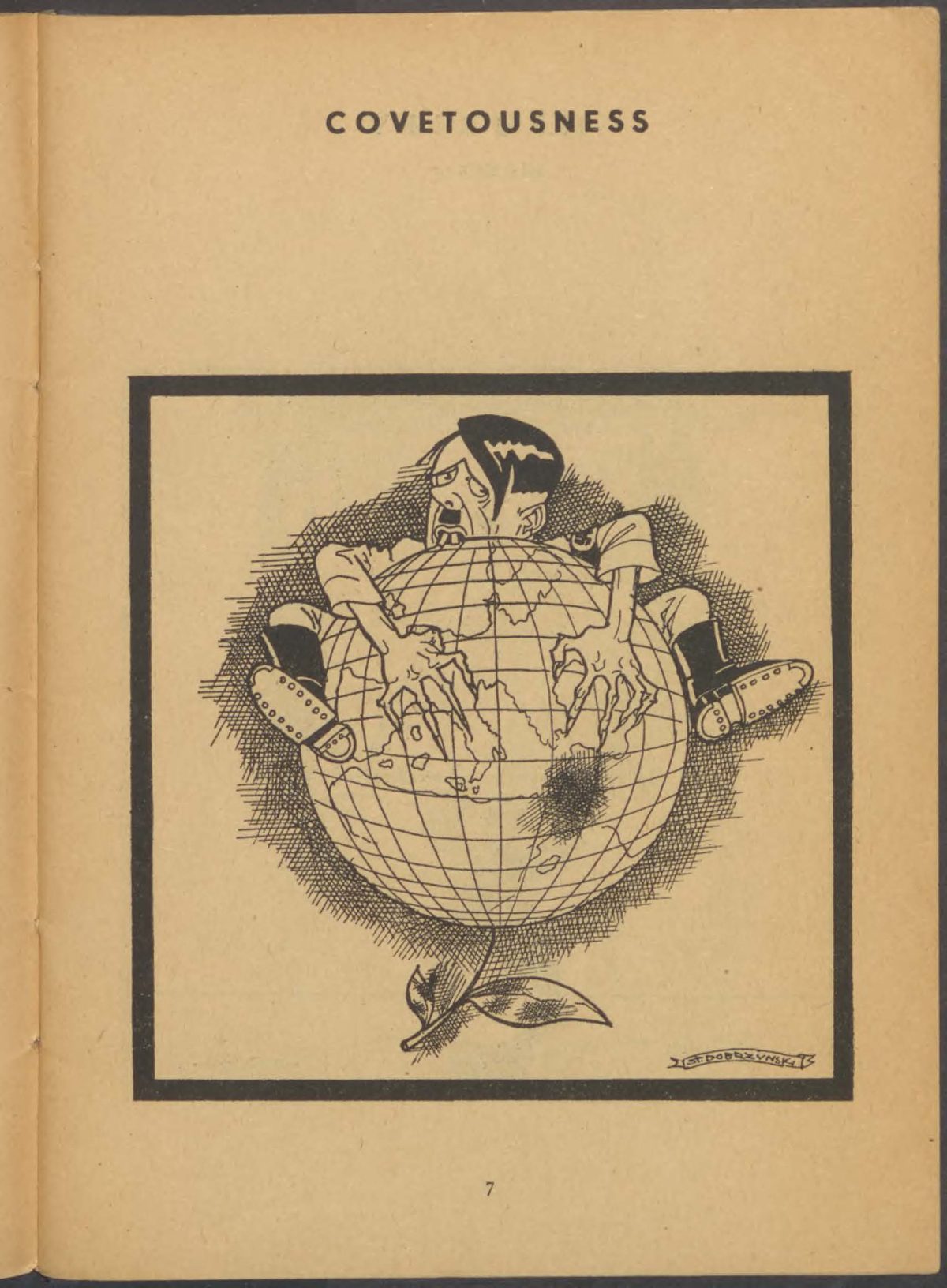
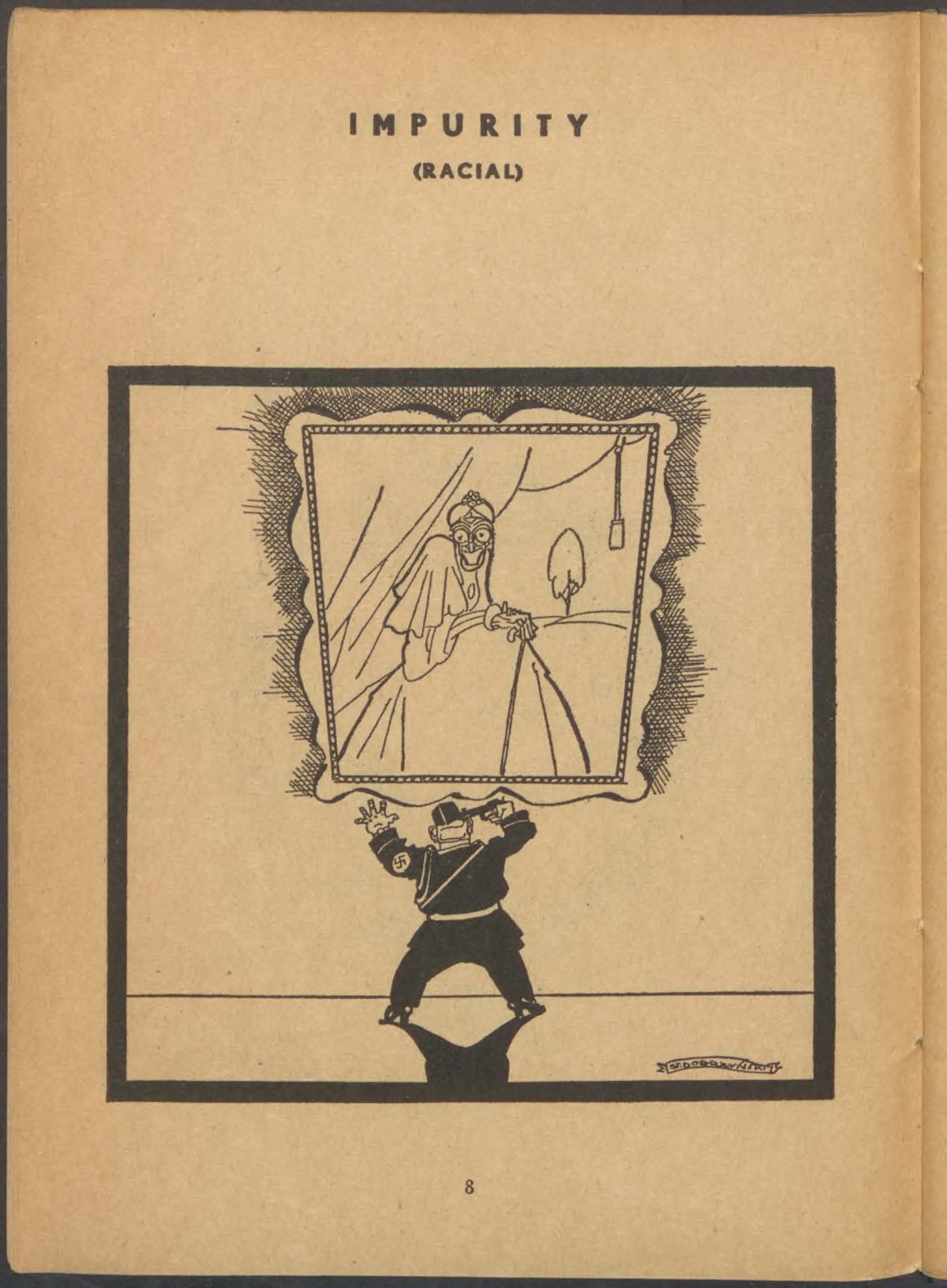

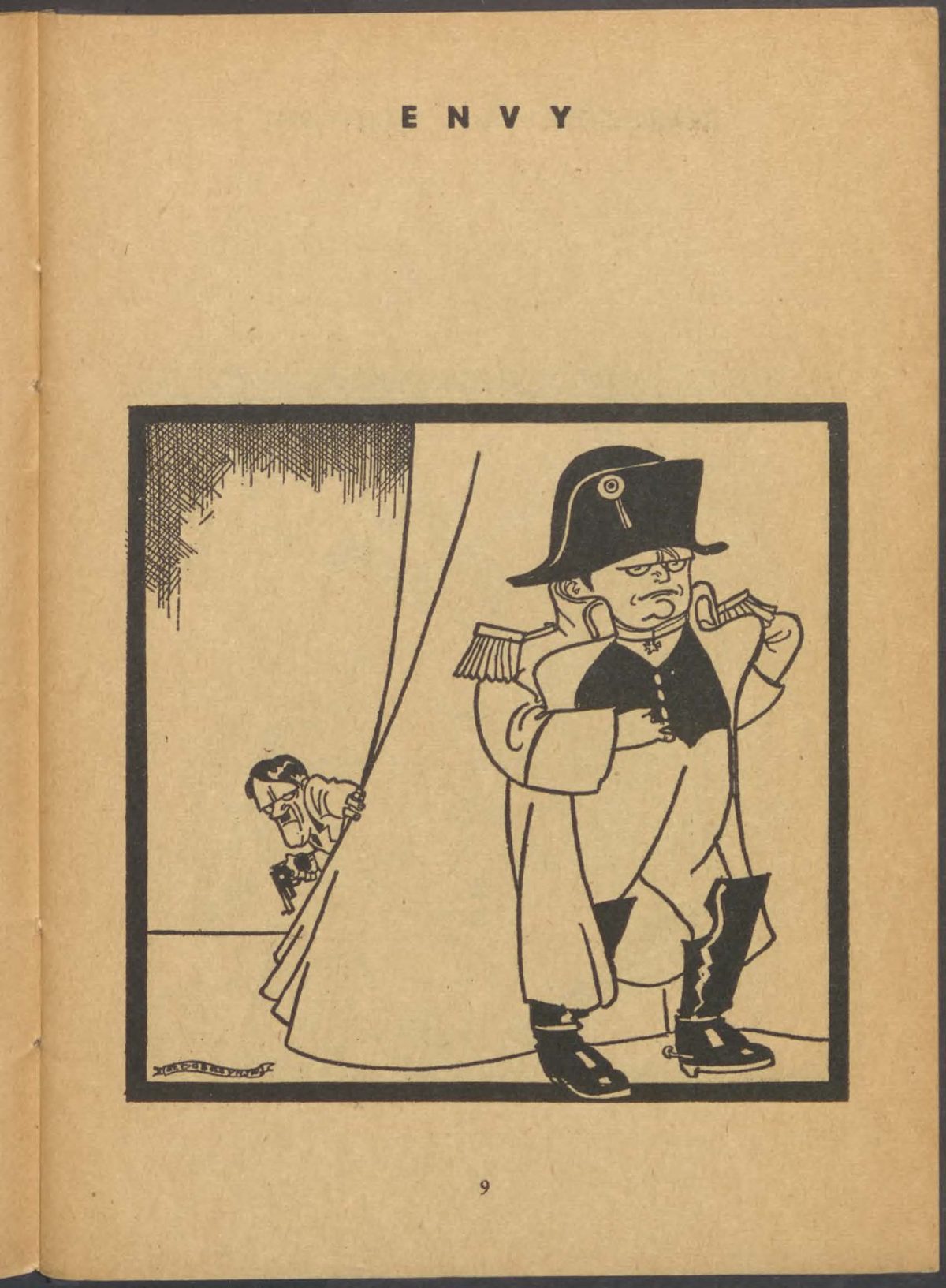
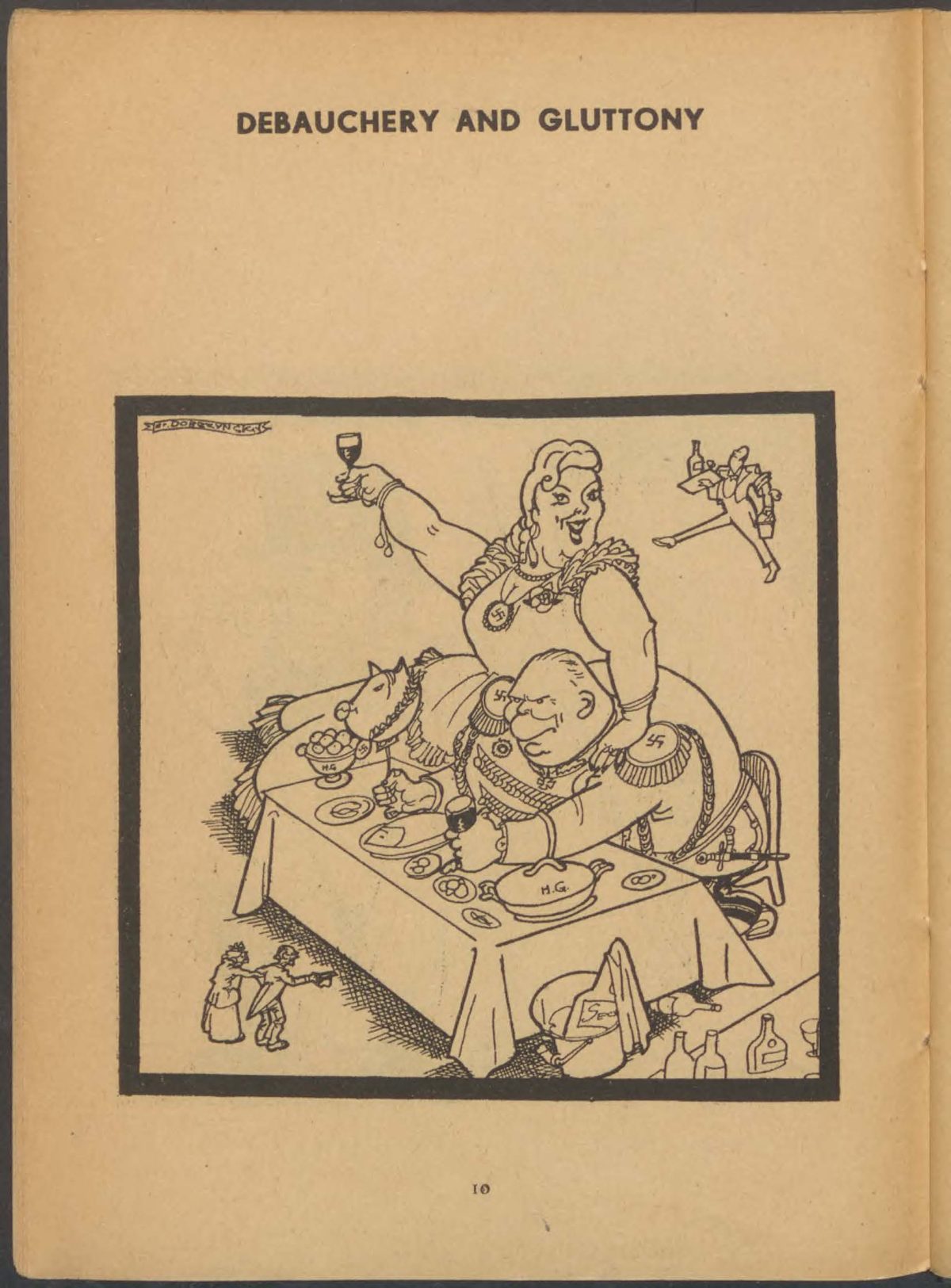

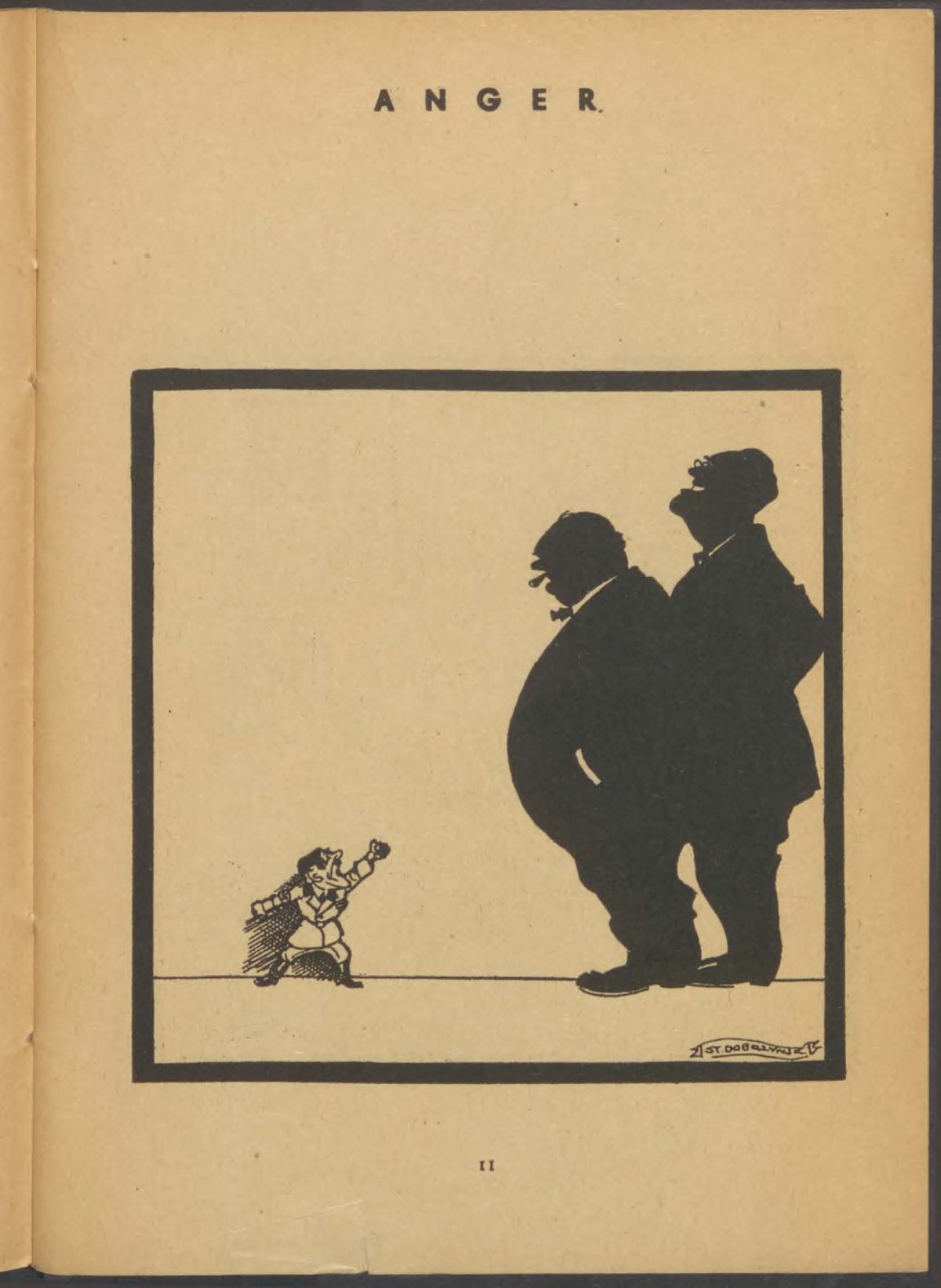
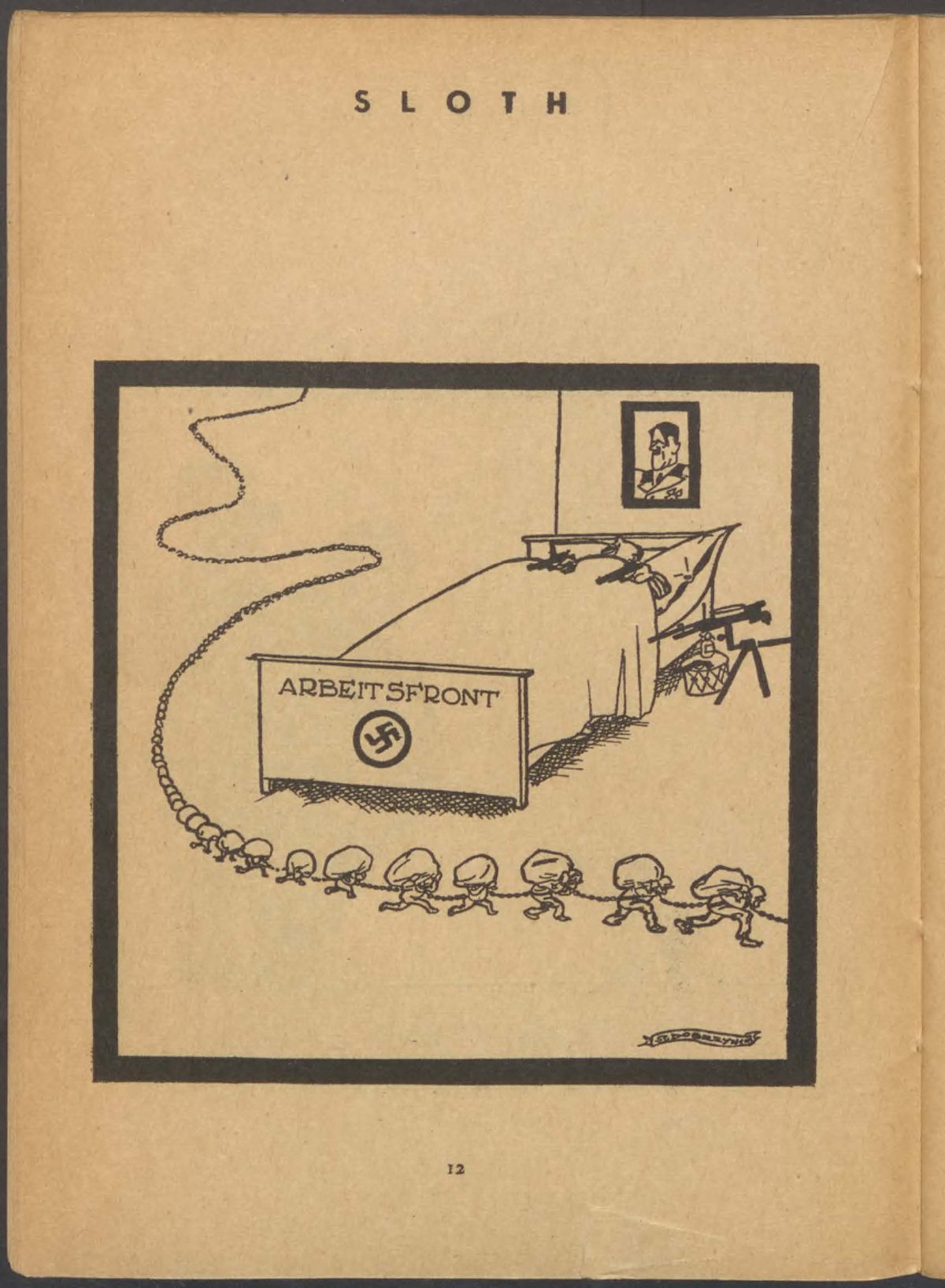
Dobrzyński, a leading Polish cartoonist the interwar years, fled abroad at the start of the Second World War, working for the press in Egypt, where he also took part in an anti-Nazi propaganda exhibition, possibly organised by the British. Following the war he moved to Brazil and then to Venezuela, where he died in 1949.
He studied art at the School of Fine Arts in Warsaw, where he began his studies in 1916. He primarily worked in caricature, relating to the Warsaw theatre scene and political life. He is considered a pioneer of Polish animation. During World War II, Stanisław Dobrzyński lived in exile in Cairo, and after the war, he moved to São Paulo, Brazil, where he worked under the pseudonym “STANDO.” He died in 1949 in Caracas, Venezuela.
Part 1: VENI
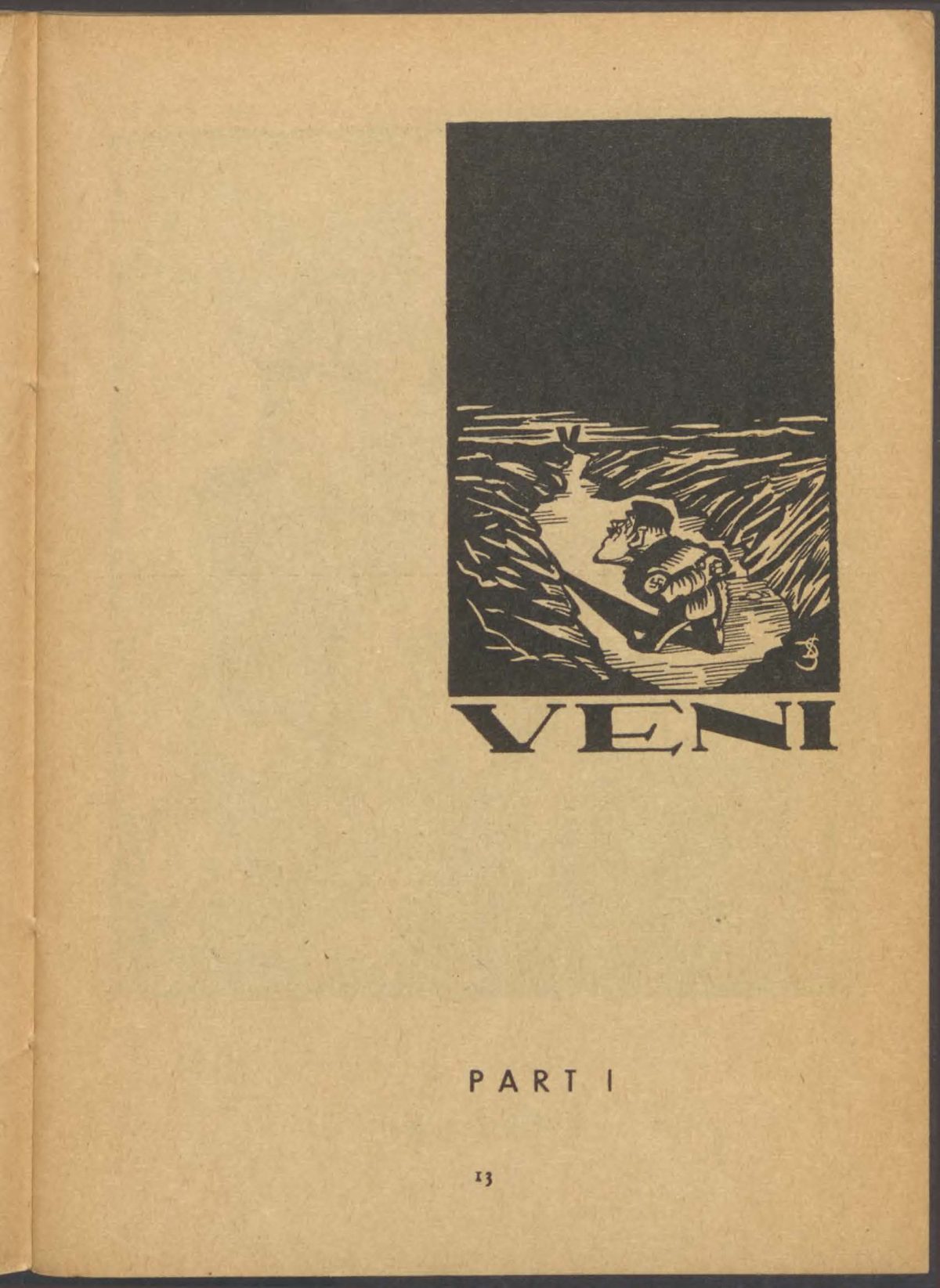
Preface to Sein Kampf by Stanisław Dobrzyński:
This war is above all a great crisis of confidence not in international relations only but also in relations of man to man. Up to the outbreak of the First World War Germany was a respectable member of the community of nations.
In countries where the populations were accustomed lto decide their own fate Prussian methods were never popular. It was, however, remembered that Germany had presented the world with artists, philosophers and men of science.
The world used to lay the blame of the bar barism 1of Poland’s partitions upon the political situation and the sufferings of the Poles in the “Kulturkampf” period could \not find credence kuith the world’s public opinion.
The First World War which disclosed some characteristics of the German soul was a turning point in the attitude of public opinion towards Germany.
U-Boat warfare, murders in Belgium, the burn ing down of Louvain and Kalisz are some of the examples.
Those facts caused the need for Germany to pass through a period of isolation during which she was expected to prove to the world that she was animated by the same principles as the rest of humanity.
The world, however, had soon forgotten about that only to awake shaken by the horror of the war and of the true image of the German soul.
The deeds of Germany and those of the Germans call for justice and freedom from their repetition.
The peace of Versailles and the years that followed, convinced the Germans that crimes pass unpunished, that the world could not and would not secure itself against them.
The international order that will be established after this war must provide for retribution for the crimes of the Germans and guarantee that they will not be repeated.
Providence has punished us terribly for our sloth and selfishness and now the voices of the victims of the Germans call not only for punishment but for the victory of law over force, and for peace for those who will come after us.
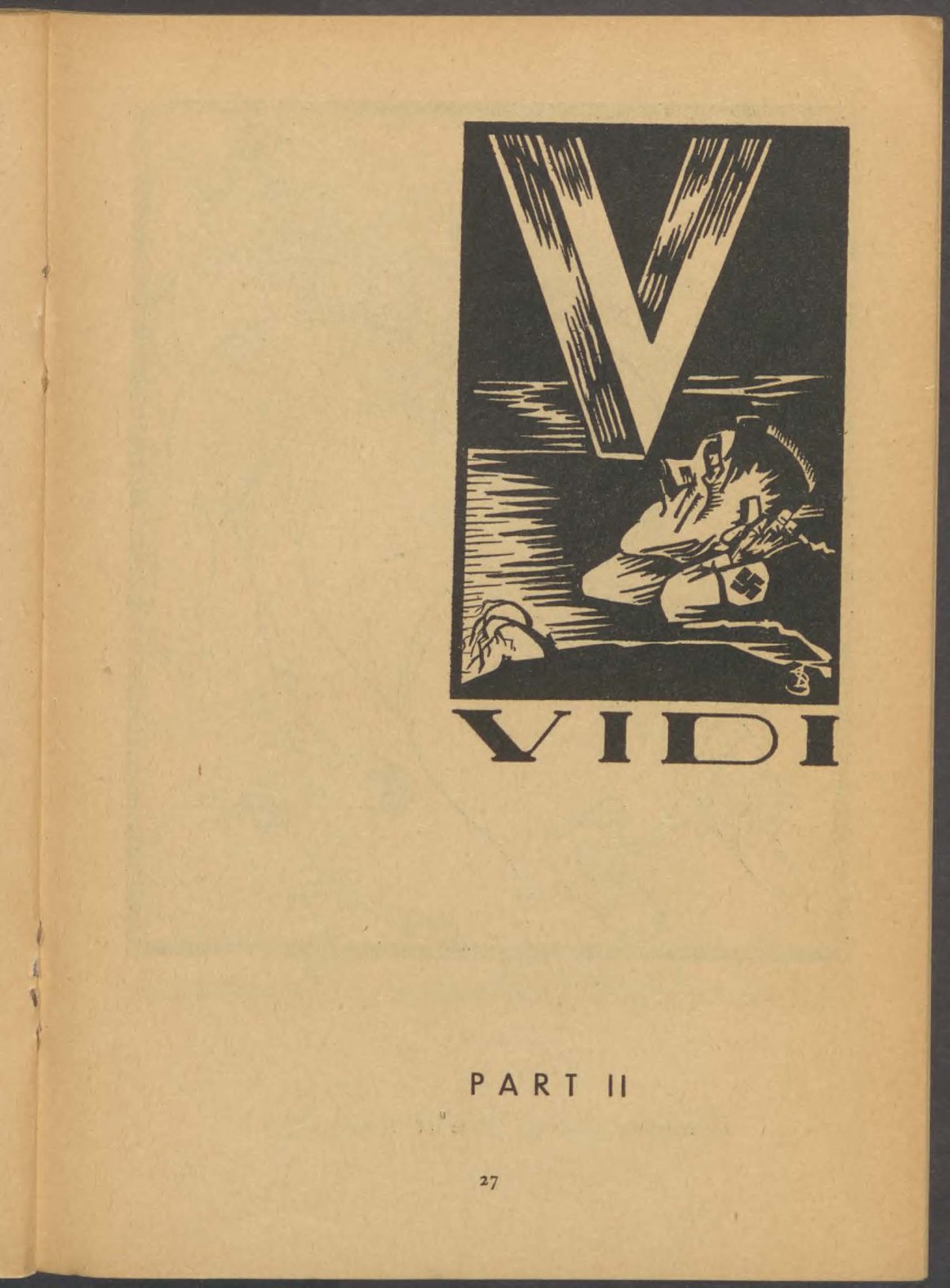
Part 2: VIDI
Part 3: VICI
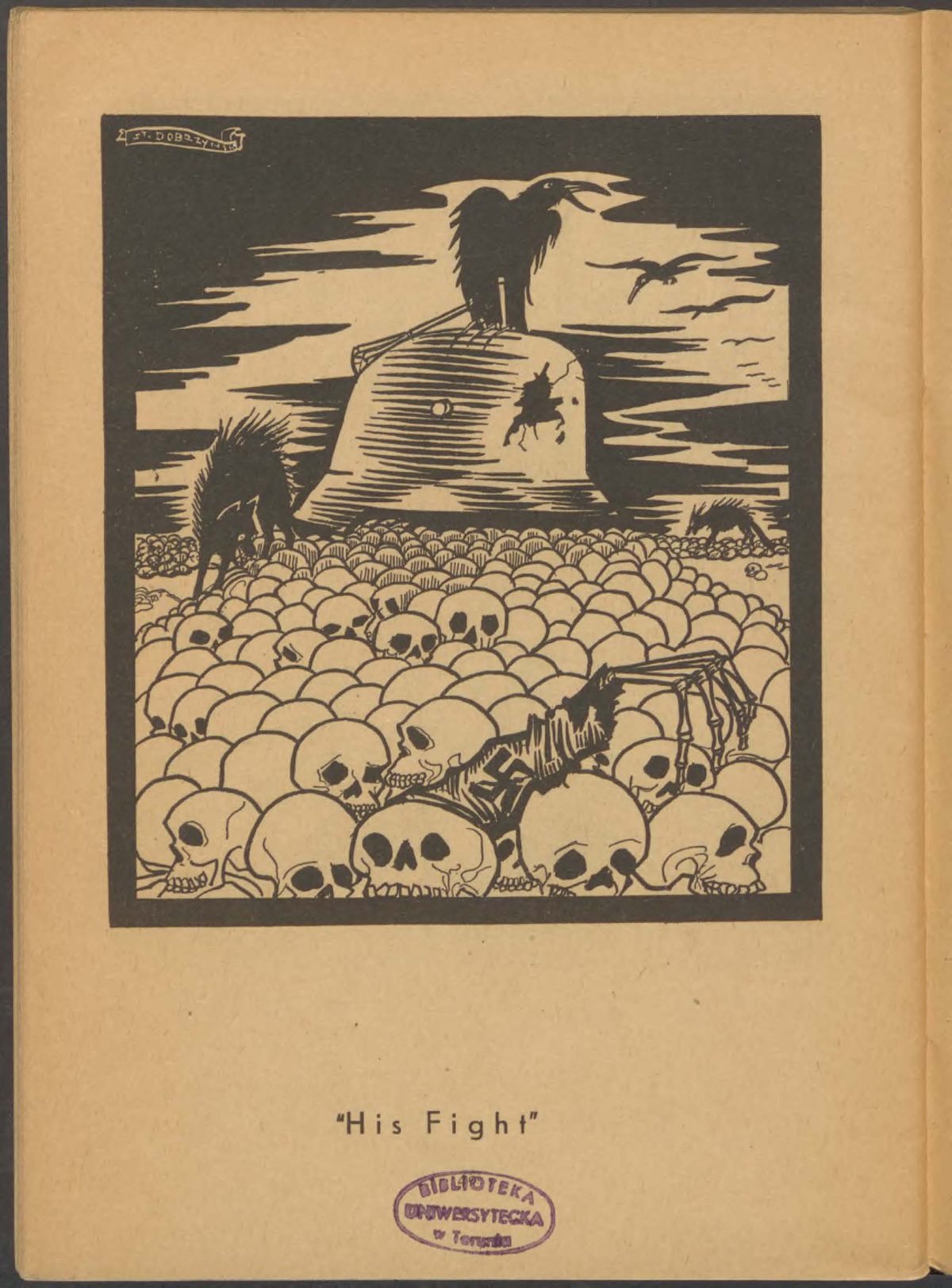
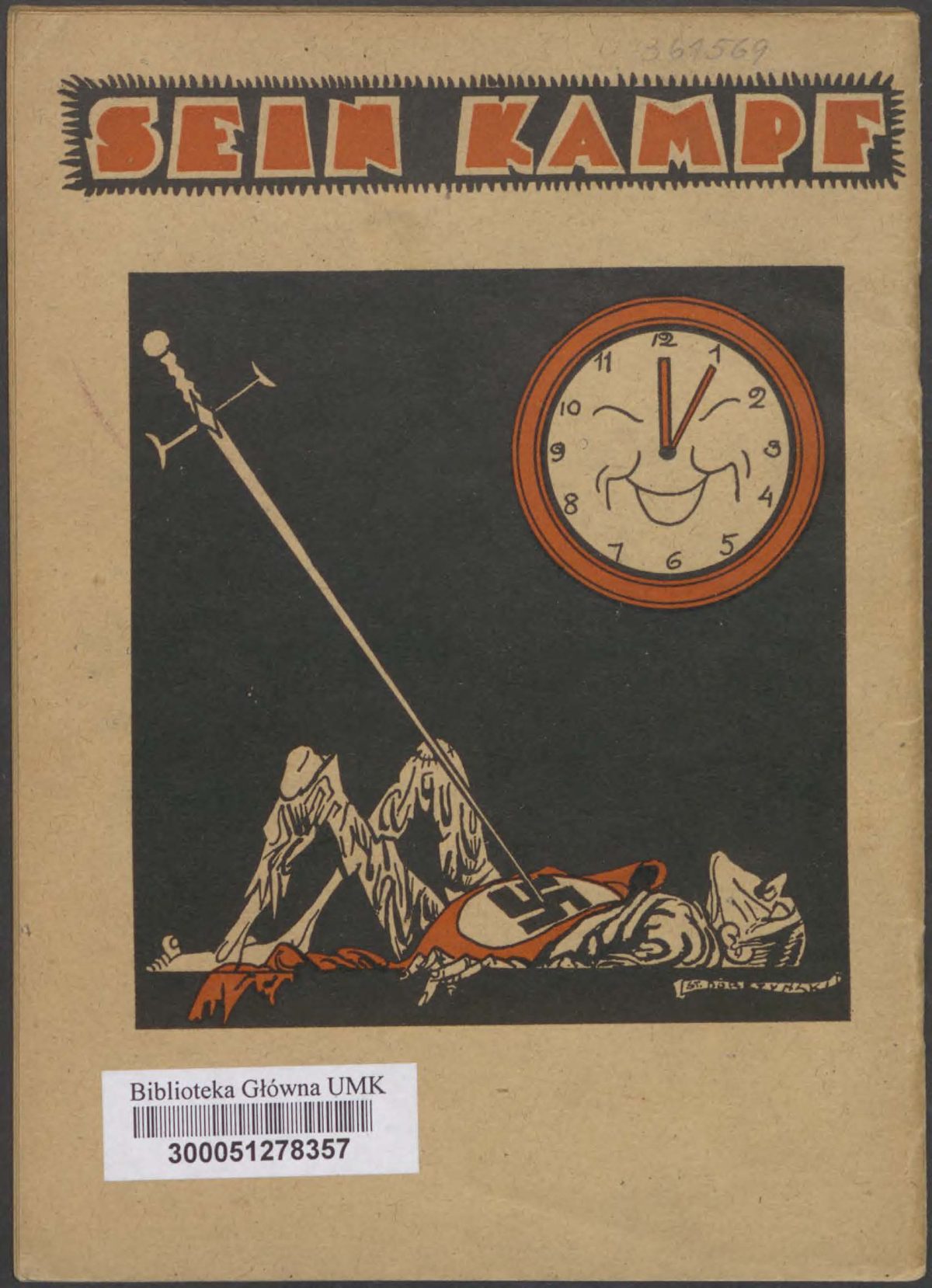
Via: here
Would you like to support Flashbak?
Please consider making a donation to our site. We don't want to rely on ads to bring you the best of visual culture. You can also support us by signing up to our Mailing List. And you can also follow us on Facebook, Instagram and Twitter. For great art and culture delivered to your door, visit our shop.