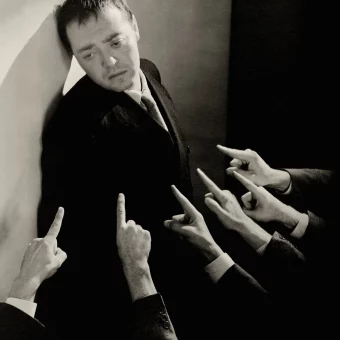
“It was so loud. I never experienced that loudness in my life… It was so loud that the sound hurt my body.”
— Makoto Kubota
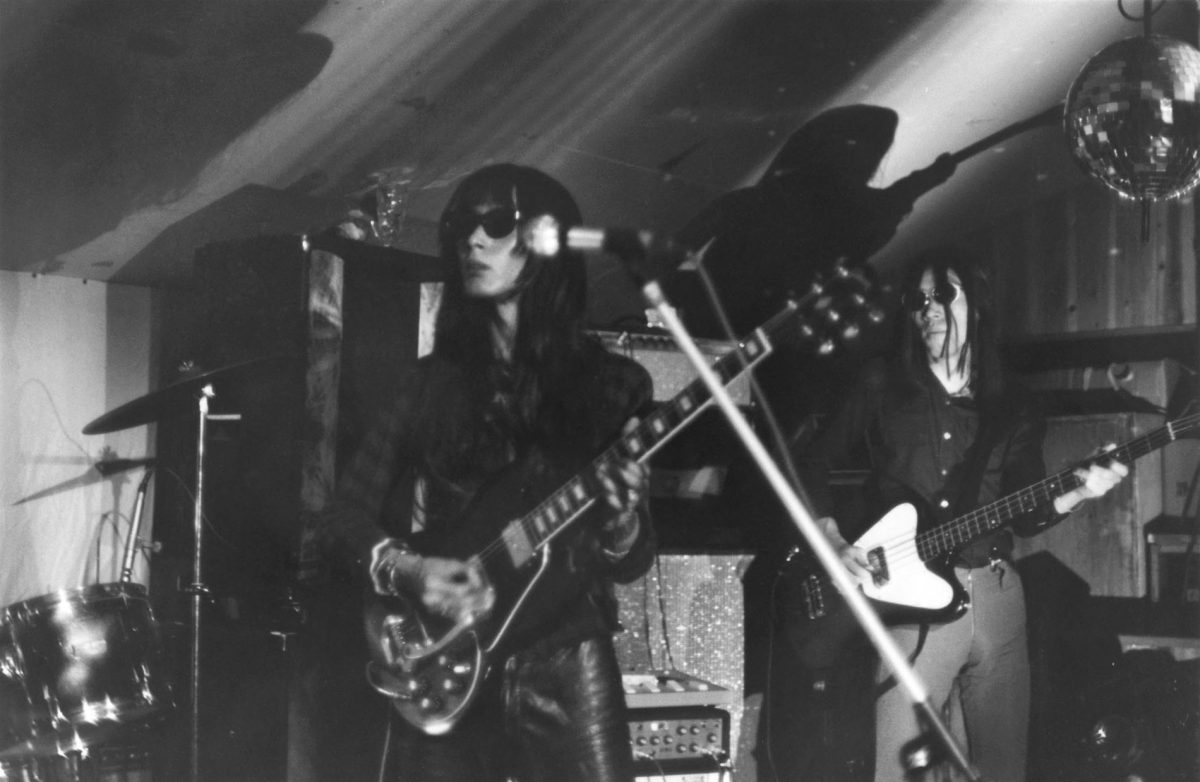
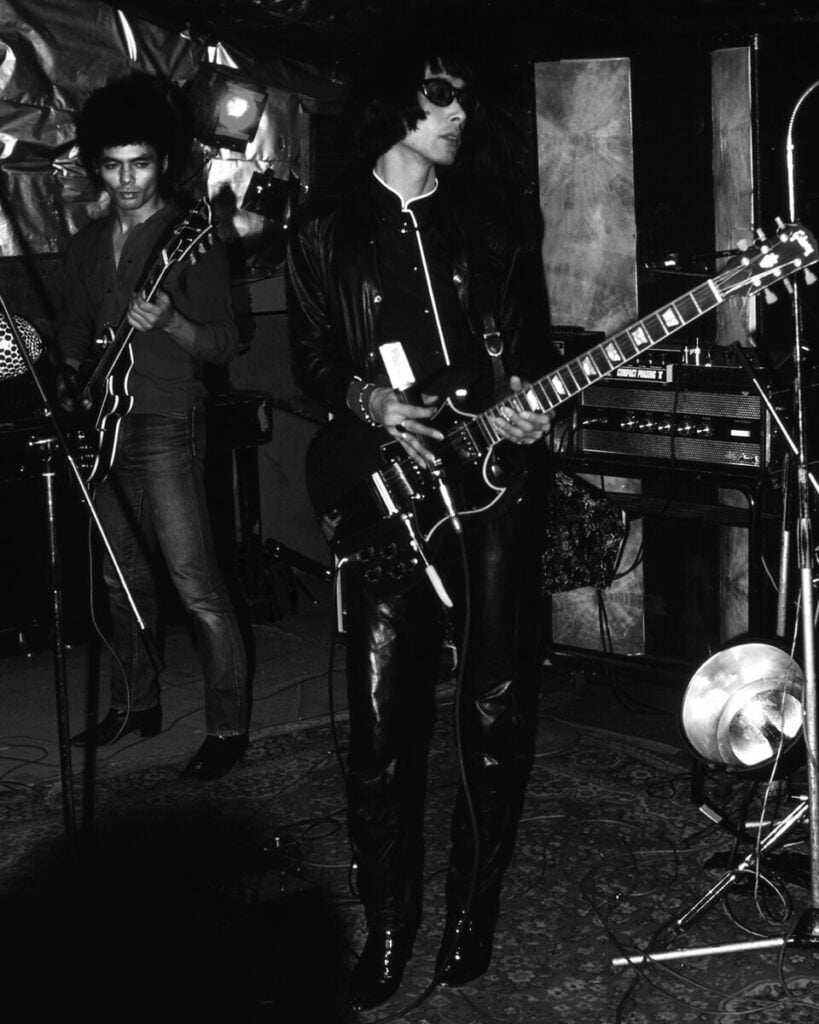
Les Rallizes Dénudés in 1976, by Shigeo Matsumoto
Dig into any fandom community and you’ll find lists of favorite musicians of fan’s favorite musicians. The more obscure and difficult the influences, the more credible a musician’s artistry. One band that appears on such lists, Les Rallizes Dénudés wins top honors for obscurity and difficulty. The band is not French, but Japanese, and the name is largely meaningless. (What are nude rallizes? No one knows.) And they never actually recorded any music. Wel, not in a studio, anyway.
Rallizes came out of a radical time and place, Kyoto in 1967 or ’68 (the exact year of formation is a matter of dispute, like most of the band’s history). Their first members were aspiring revolutionaries. And yet, according to former bassist Makoto Kubota, the band was no more political than they were commercial. Instead, they were a physical experience. “Rallizes was a live band, not a recording band,” he says. “They were too loud, and uncontrollable.”
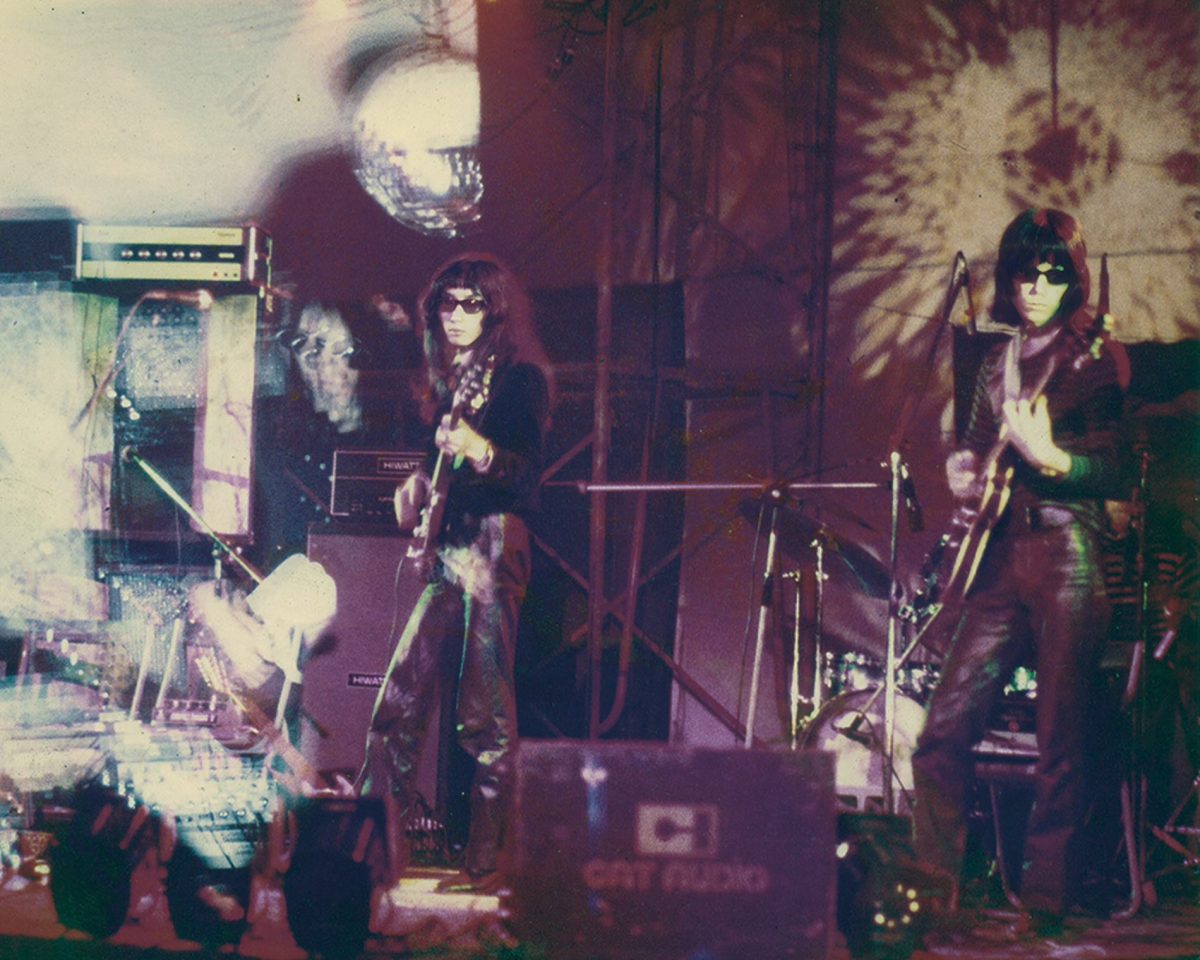
Les Rallizes Dénudés in 1976, by Aquilha Mochiduki
Kubota replaced former member Moriaki Wakabayashi, who left when he started “getting more serious about the Red Army Stuff,” Kubota explains. The musician hijacked a plane with samurai sword and some comrades, intent on flying to Cuba. They ended up in North Korea, where they remain (not by choice, it seems). Lead singer and guitarist Takashi Mizutani, however, the only mainstay in ever-shifting lineups, avoided political commentary of any kind, cultivating the most opaque of rock mystiques.
Mizutani became paranoid and reclusive after the hijacking, convinced his audiences were full of spies. He may have been right. (When asked about spies in the audience by Far Out’s Tom Taylor, Kubota says, “I mean, probably.”) Hidden behind proto-Joey Ramone fringe and sunglasses, Rallizes frontman seemed intent on one thing only: the shrieking “atonal, hypnotic cacophony” of his sound, as Daniel Hess describes it: a feedback-saturated mashup of the Velvet Underground, Haight-Ashbury psych, and British blues.
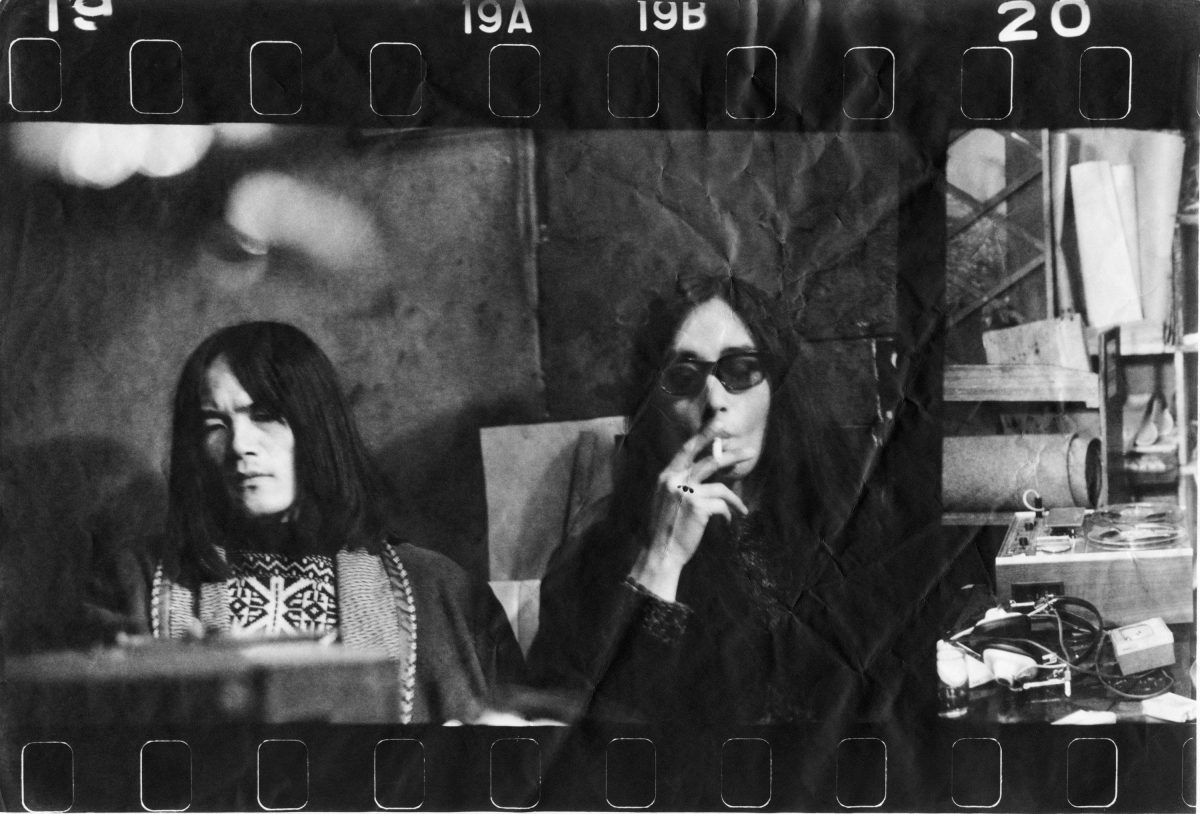
Despite performing with various lineups for 26 years, Mizutani seemed allergic to success. “After an aborted, reportedly disastrous studio session” Hess writes, he “swore off ever working in a studio environment again.” The absence of official recordings left bootleggers to catalogue the band’s legacy with a slew of unofficial releases of extremely varying quality, even as his legend grew. Talks with Richard Branson and Virgin Records went nowhere. “When he wasn’t performing,” Grayson Haver Currin explains, “Mizutani remained incredibly elusive.”
His own bandmates had no idea where he went during the day, or what he did for money.” Kubota ascribes his appearances onstage outfitted in leather, sunglasses, guitars, and amplifiers to “magic,” saying, “he always had the loudest music with the loudest equipment all the time.” He also credits Mizutani with starting the Japanese underground psych rock scene, even if that role has been forgotten, spinning records from America that no one else had during his DJ sets in Kyoto’s clubs.
Over the decades, Rallizes “fandom swelled to international levels, and a roster of musicians waited for mystic calls from Mizutani on high,” Taylor writes. They mostly waited in vain, as did Kubota, who moved on to other international musical projects, but wanted to polish the live recordings for official release, something he finally began doing in 2019 after Mizutani’s death. In tracks like “Carnival” from Jittoku ’76, you’ll hear what one fan describes as their “beefy and noisy sound ahead of its time…. the epiphany of psychedelic noise-rock at its finest.”
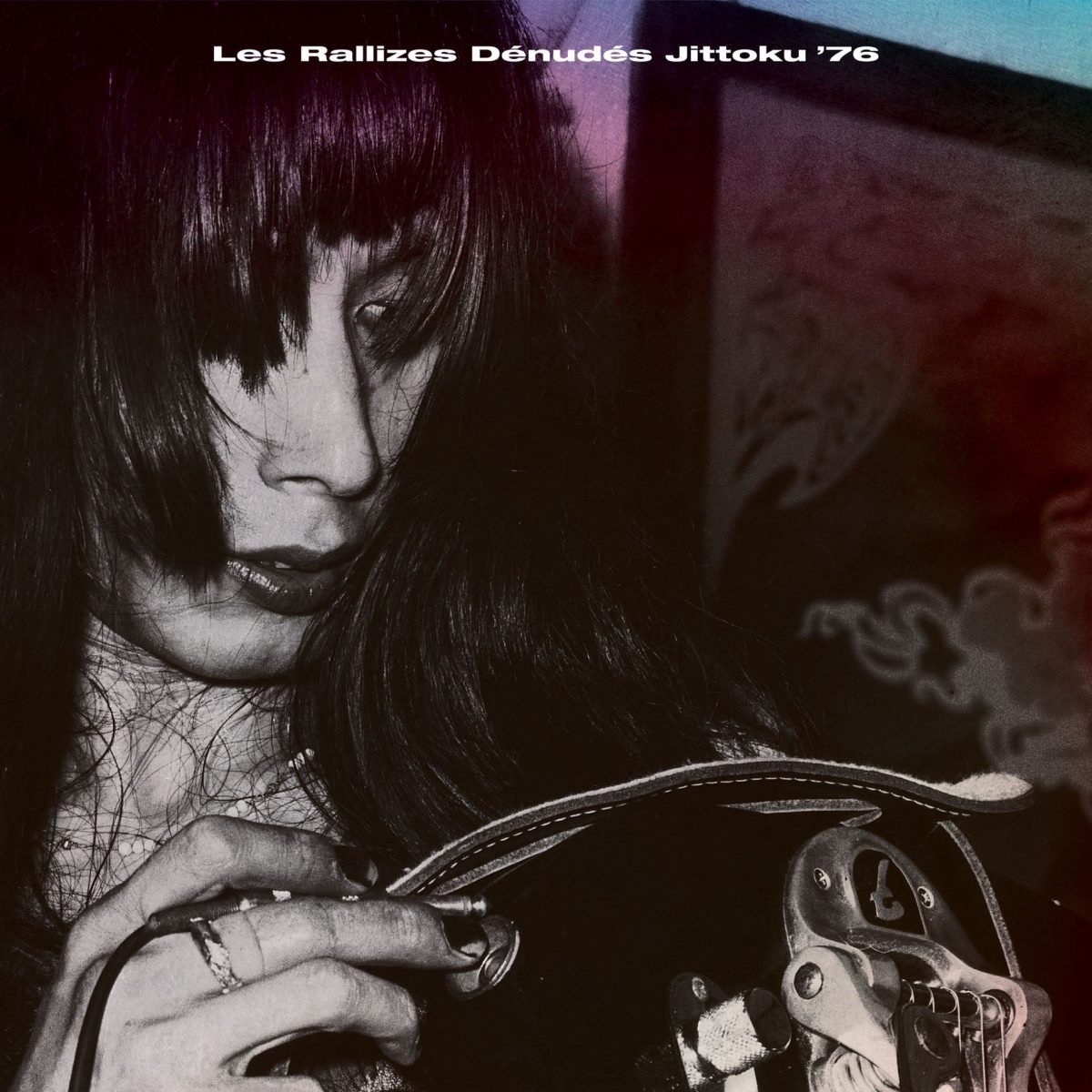

As Kubota explains, the band’s mercurial nature derived in part from the most primal motivation in rock and roll: “He loves the feeling of the first time. I mean, the meaning of a fresh session. So he didn’t want to repeat anything. It’s more like music theatre. When the band starts repeating, he changed the band.” But most of his shows consisted of the same set, played differently each time, with extended jams and freakouts, and levels of noise that would only be equalled years later by Swans in New York’s downtown No Wave scene.
Attending his first Les Rallizes Dénudés as a fan, Kubota remembered, “It was so fucking loud. I never seen this. I never experienced that loudness in my life…. It was so loud that the sound hurt my body.” The physical effects of such volume cannot be put on record, but Mizutani’s near-Hendrix-level mastery of feedback and distortion are fully evident on the releases Kubota remastered and uploaded to Bandcamp, a project he undertook with Mizutani’s blessing before the frontman’s death in 2019.
He describes the process of recovering and remastering live recordings as a labor of love, telling Sunset Sounds, “I’m very grateful that [Mizutani] and his family kept very good care of all the old cassettes, videotapes, and reel-to-reel…but some are a copy of a copy of a copy, so it’s a bit of a mess. It takes [a lot of work] to find which are good.” Mizutani himself “just stopped calling” during their initial conversations about a reunion tour and reissues. “Then, a few months later,” says “Kubota, “his wife contacted me, and said he had passed away.”
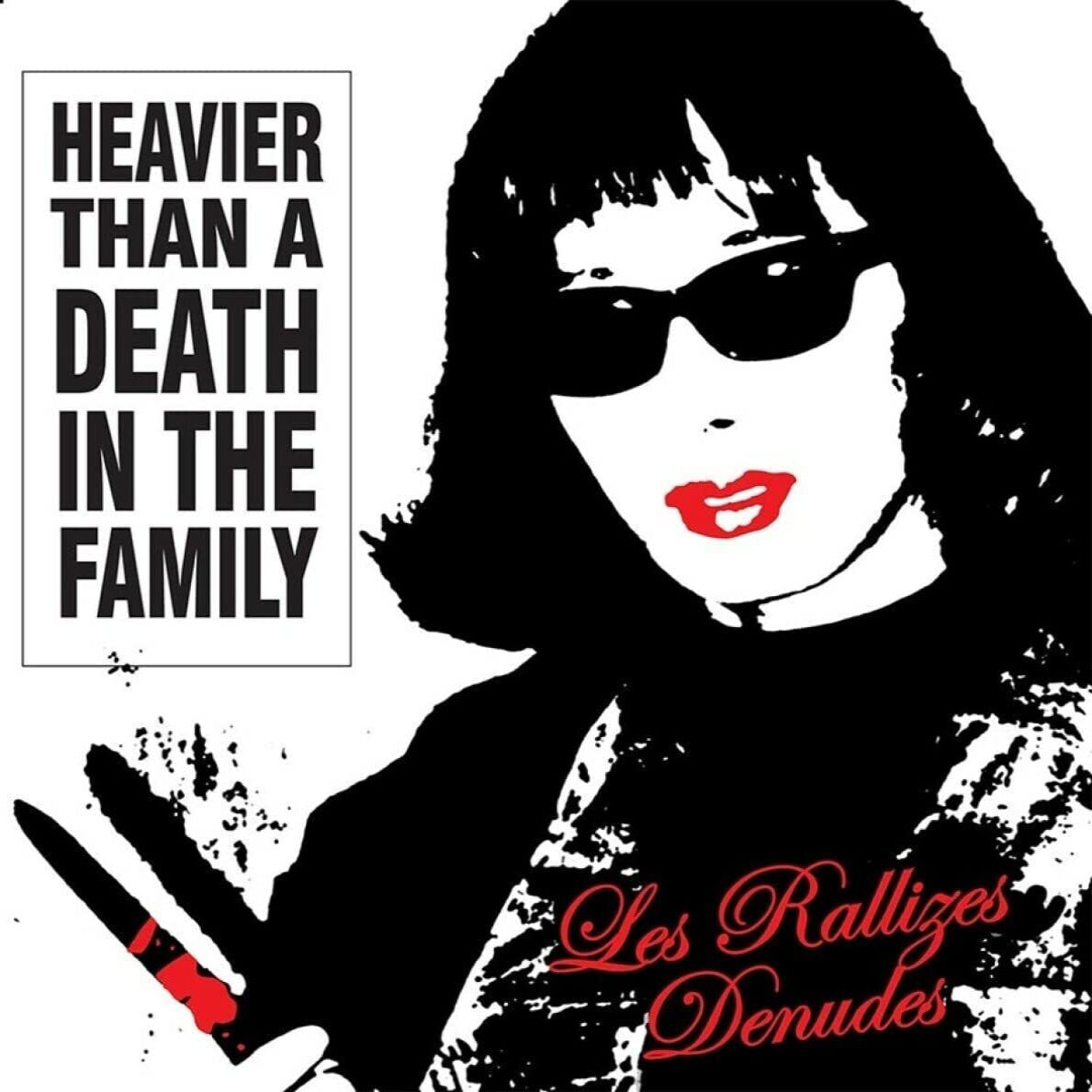
A classic Les Ralllizes Dénudés bootleg
The advent of streaming means nothing stays hidden for long anymore. While physical copies of Rallizes bootleg releases are rare, you can find them now uploaded to Spotify and Apple Music. This kind of availability was impossible to imagine when Western admirers first began discovering the band. As with all cult phenomena pre-internet, the only way to learn anything about them was to ask around or rely on whoever took the trouble to do so and publish. And yet, Rallizes remained hard to fathom even after Google gave us access to every artist’s personal history.
Julian Cope’s groundbreaking 2007 survey Japrocksampler covered the Japanese postwar rock scene with the obsessive devotion of a true fan. The book contains 14 pages on Les Rallizes Dénudés, and most of them are garbled or incorrect. Writer Grayson Currin tried the story direct from the sources: the musicians and the band’s audiences and critics. His search proved less than fruitful. “Ghosts all around,” was the summation of one contact, John Whitson (now deceased) founder of Portland, Oregon’s Holy Mountain records. Despite Kubota’s willingness to open up about his time with the band and his process of recovering their live recordings, he knows little about the man he calls a musical “brother,” and little about what happened with the band after his departure.
Whitson compared Rallizes discography to “an archeogist’s broken plate” to explain why there’ll never be a perfect record from the band. The metaphor also works in understanding their history. All we have are tantalizing fragments. Just enough for a legend to emerge from the void. As Whitson puts it, “If you just go, ‘ Well the bass player hijacked a plane to North Korea and these guys really rock,’ your mind can fill in the blanks in really interesting ways.” With Mizutani, blanks are almost all we have to work with. “Black and night is his life; it’s his style,” says former bandmate Doronco. No one in Japan’s underground rock scene wore it better.
Hear over a dozen recently remastered live Les Rallizes Dénudés records on Bandcamp. Kubota promises more are on the way.

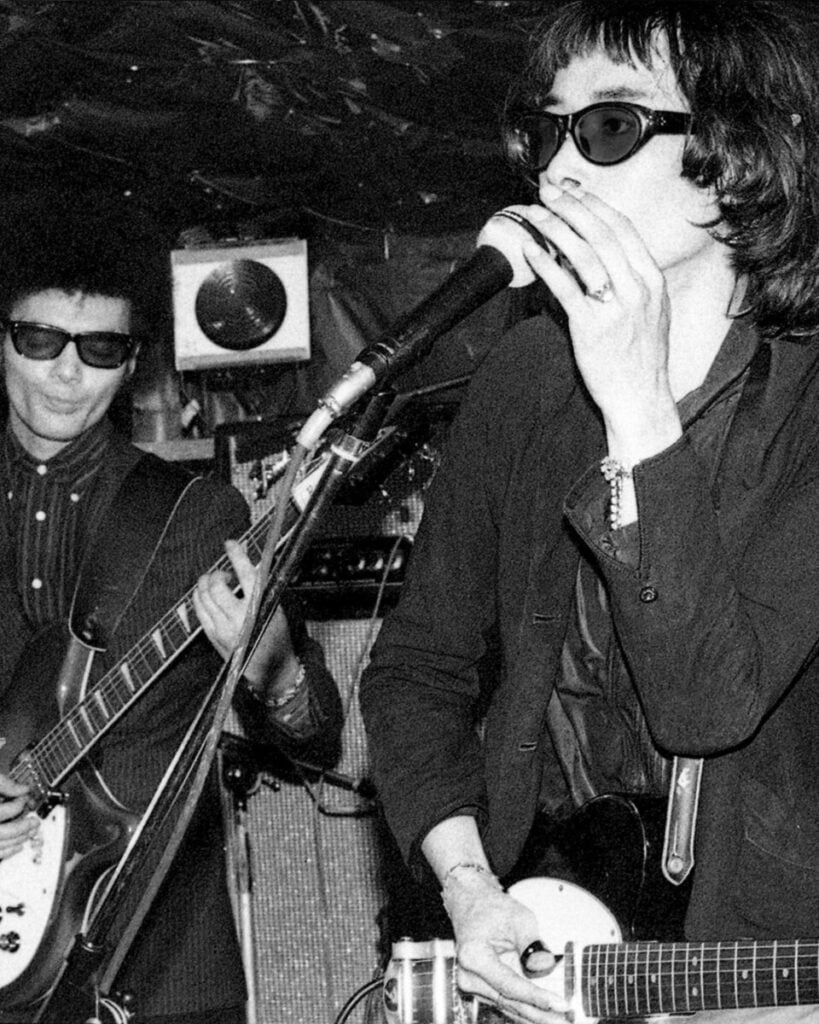
Les Rallizes Dénudés – Night of The Assassins (3rd Sunset Festival, August 3, 1976)
Would you like to support Flashbak?
Please consider making a donation to our site. We don't want to rely on ads to bring you the best of visual culture. You can also support us by signing up to our Mailing List. And you can also follow us on Facebook, Instagram and Twitter. For great art and culture delivered to your door, visit our shop.