“I hate snotty-nosed pictures of street kids. That wasn’t the reality”
– Douglas Corrance, Glasgow
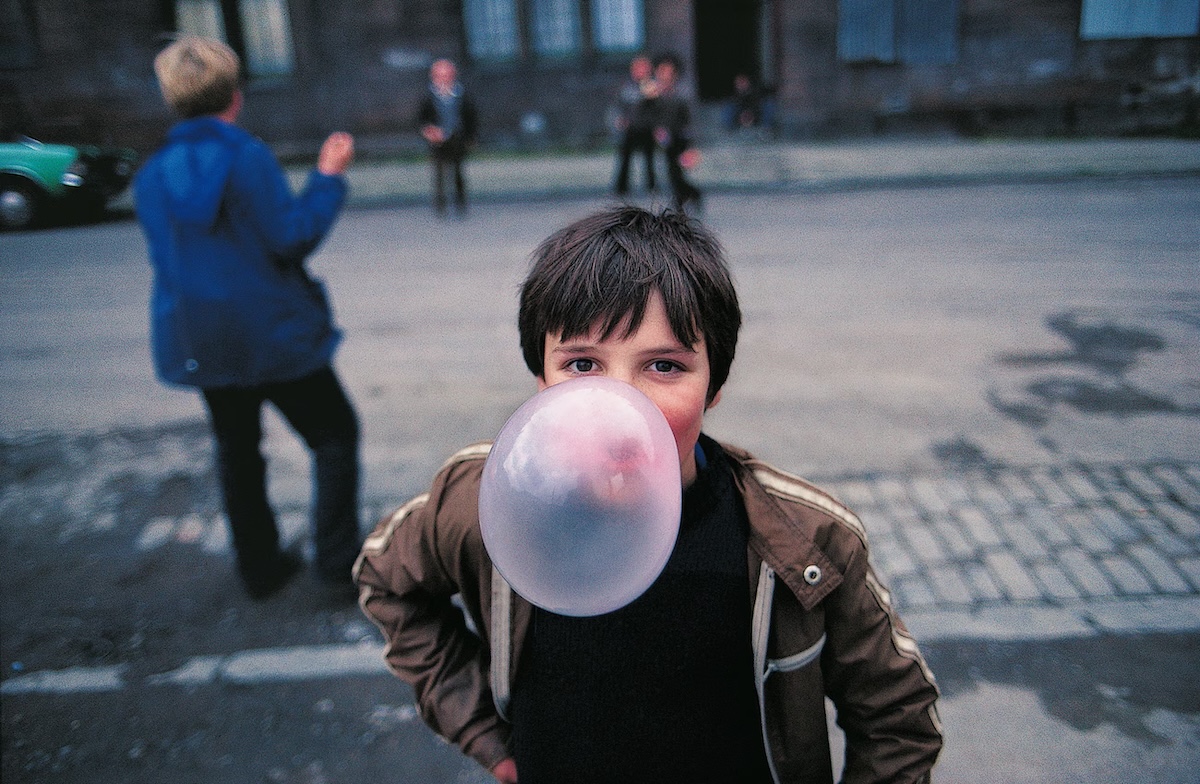
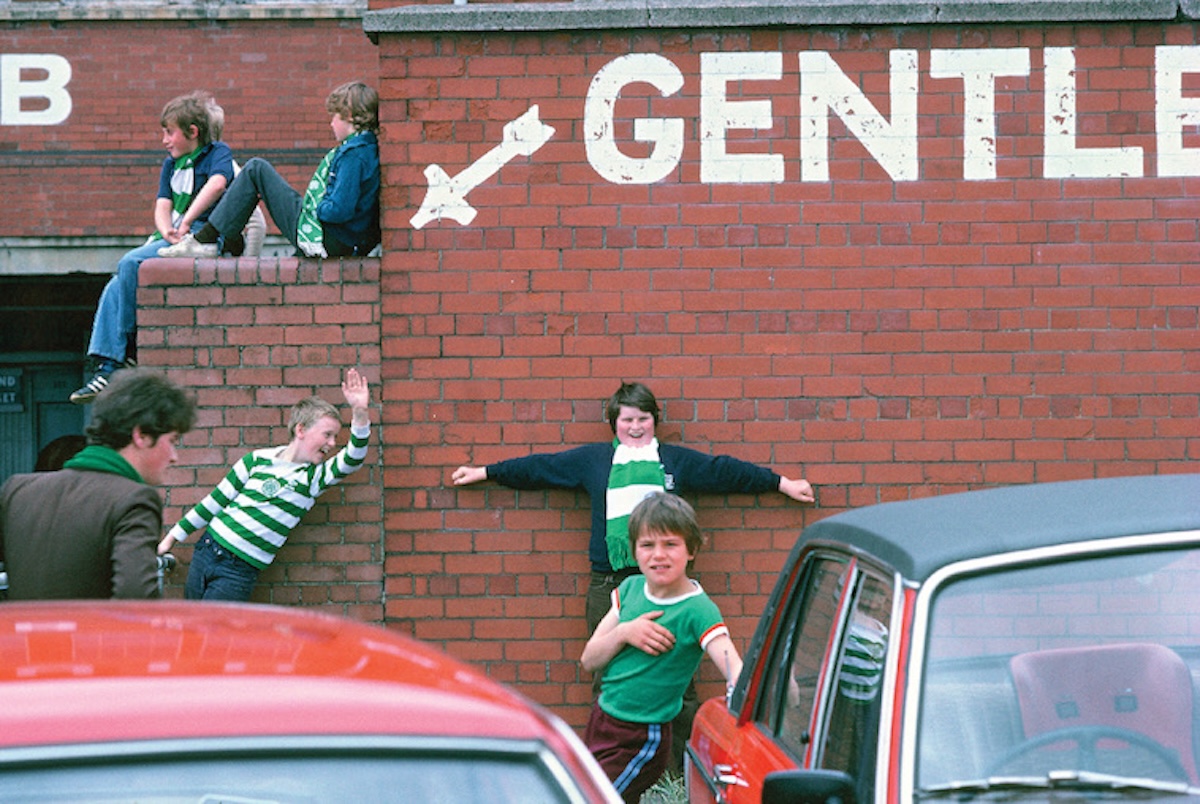
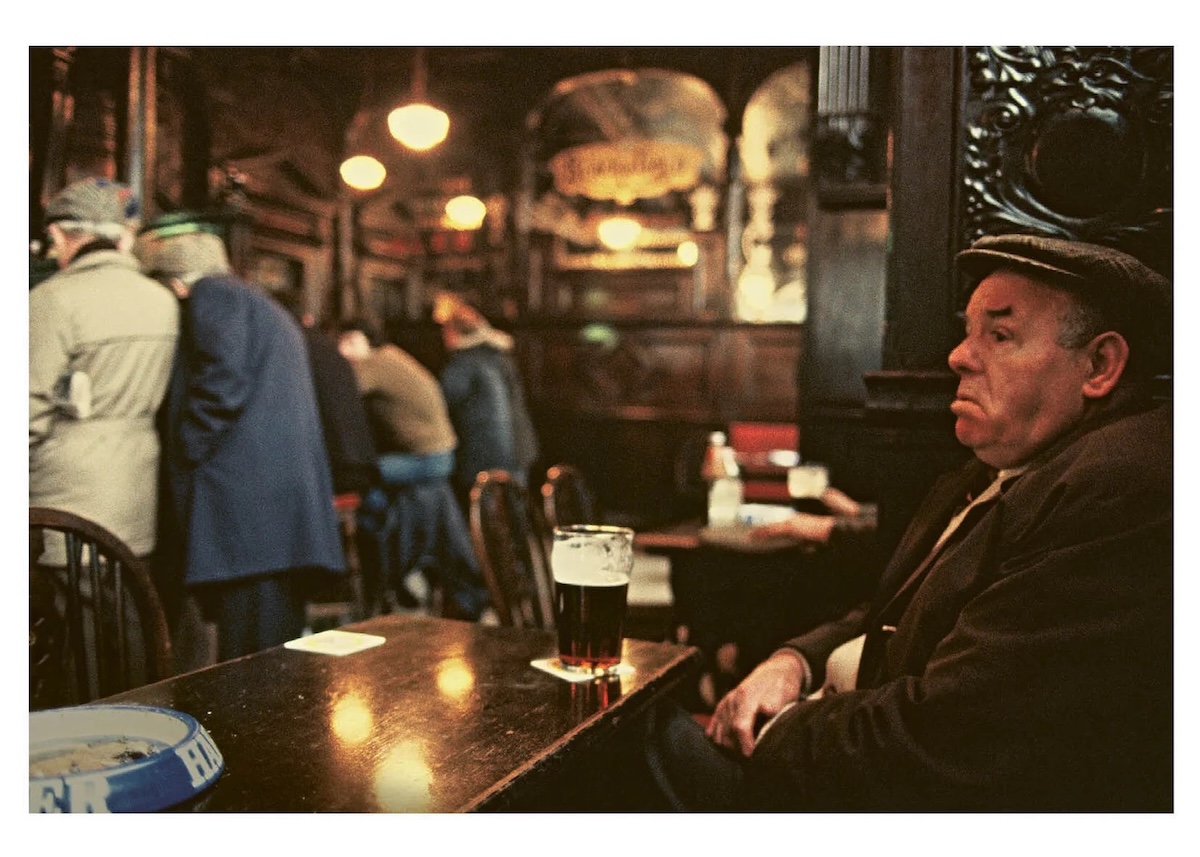
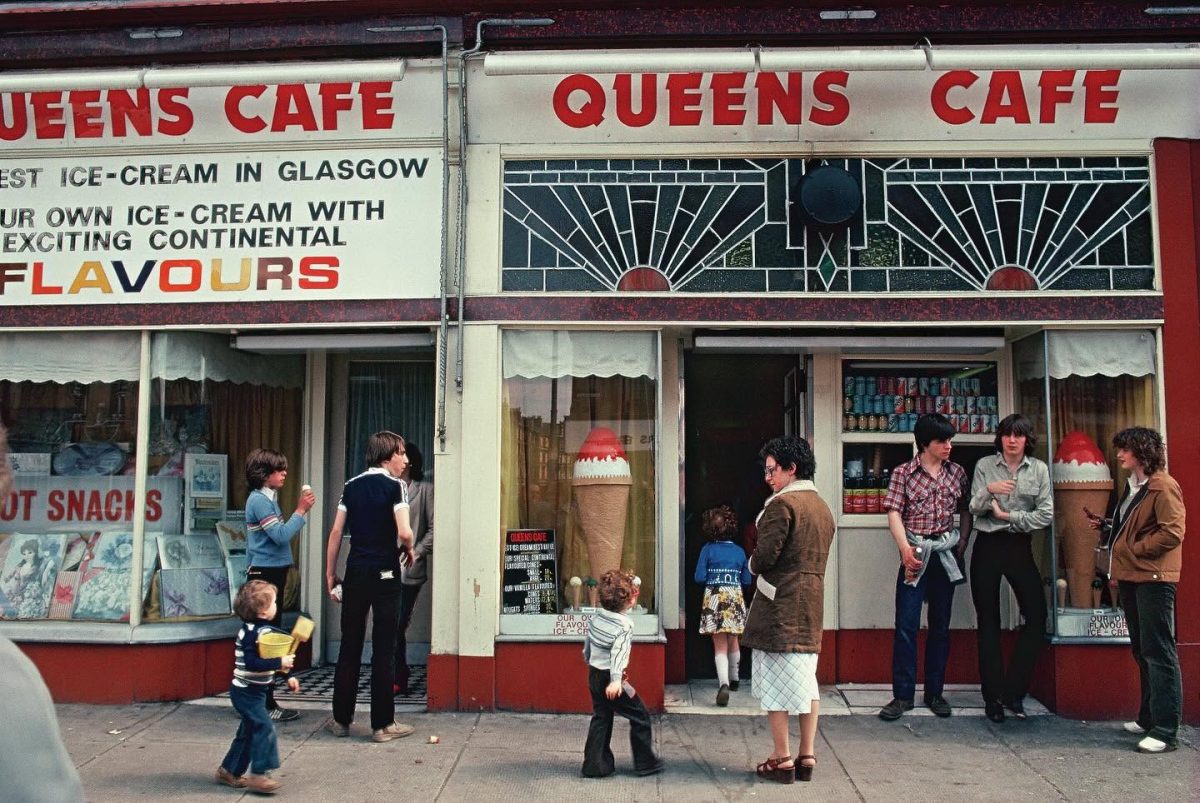
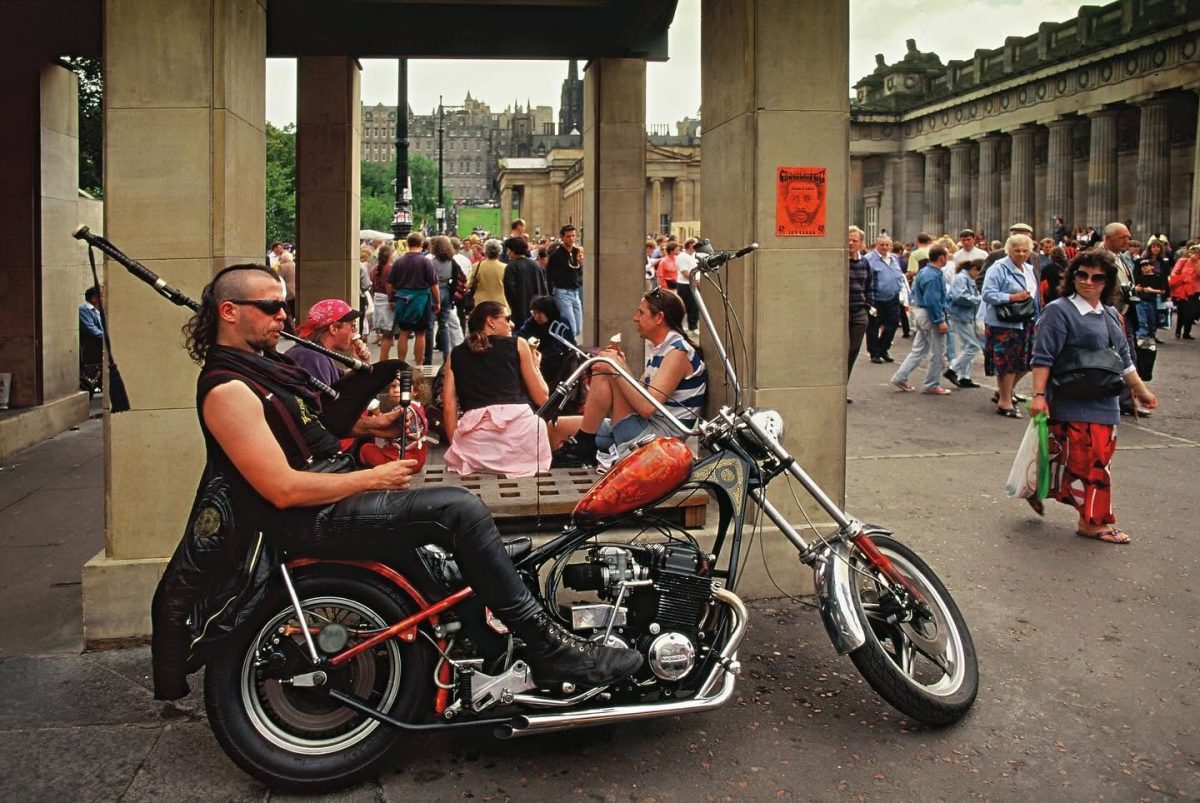
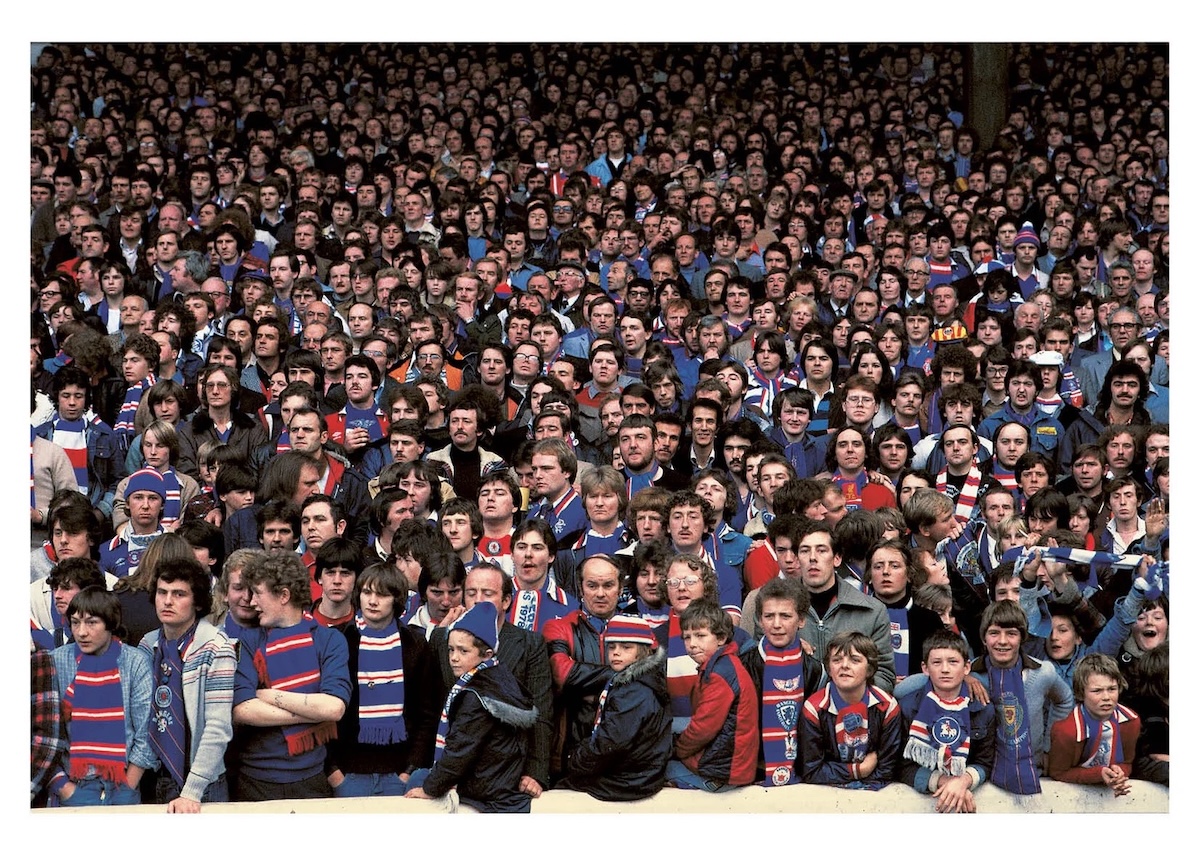
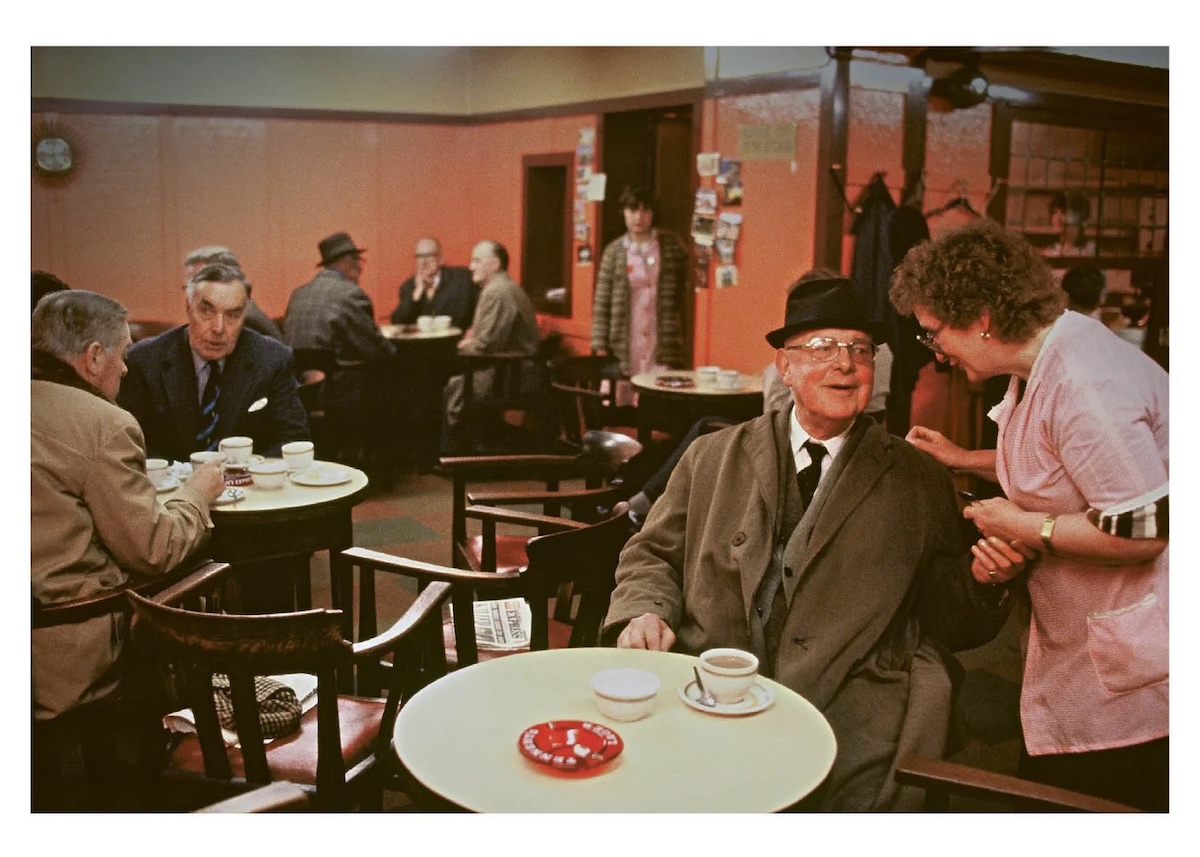
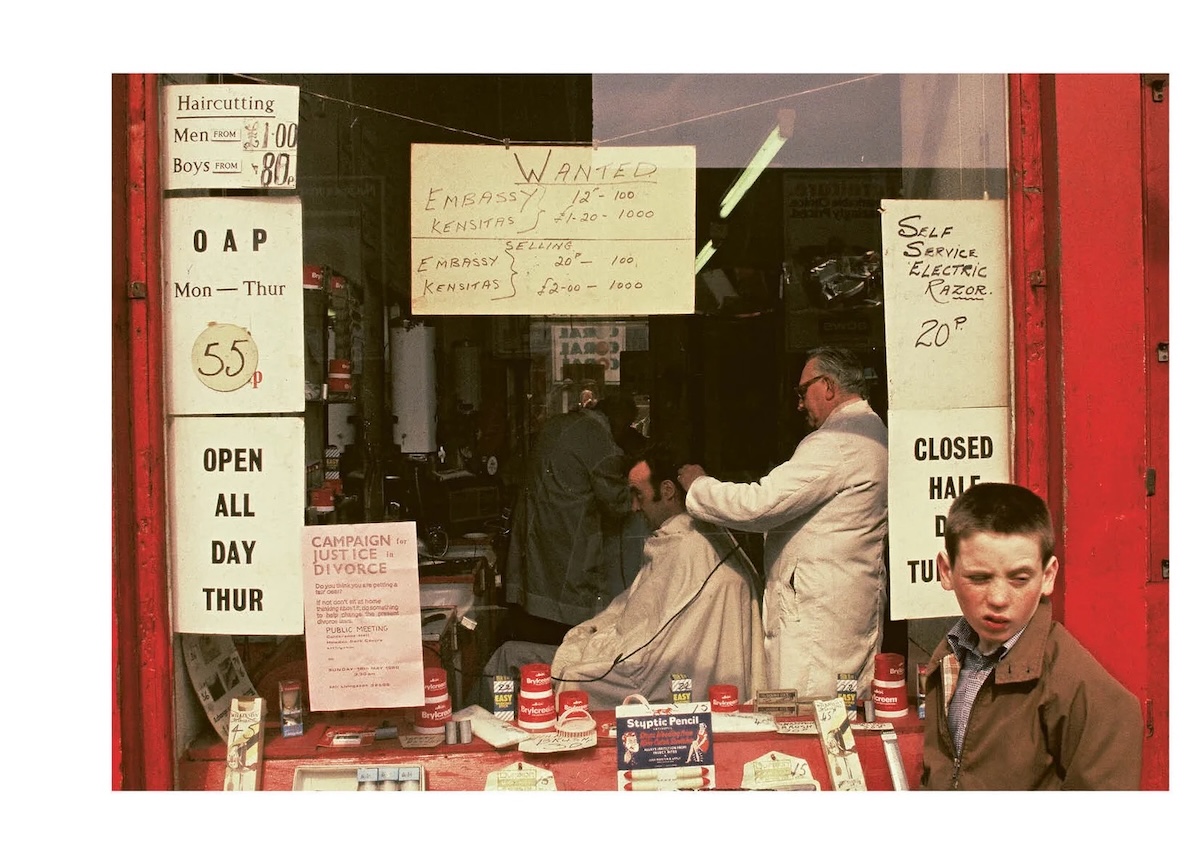
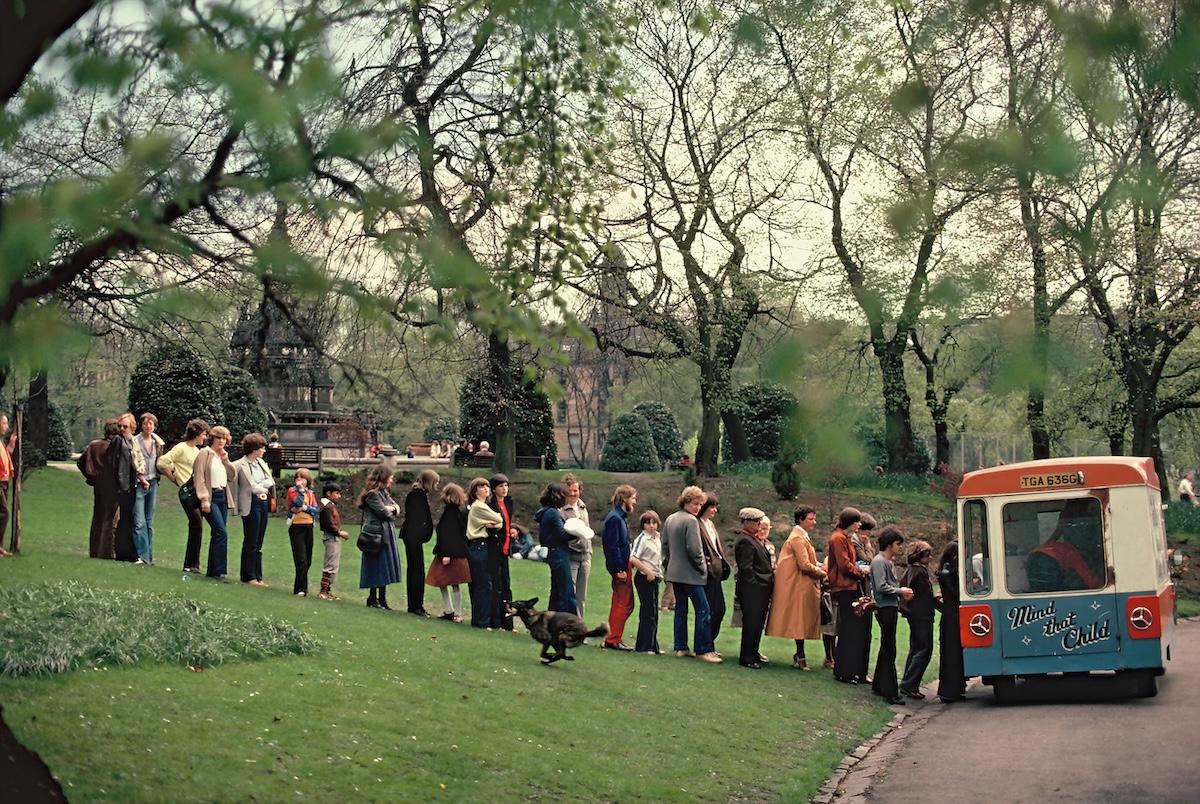
“I hate snotty-nosed pictures of street kids.,” says Douglas Corrance of his colourful pictures of Glasgow in the 1970s and 80s. “That wasn’t the reality. Those tenement streets had a bad name, but as buildings, the Glasgow tenement was one of the finest designs ever made for city living. And they just pulled most of them down. Up until six years ago I lived in one, and it was great.”
Corrance was working for the Scottish tourist board when he took pictures in one of Glasgow’s few surviving tenement streets in Maryhill in the late 1970s, parks, shops and streets .
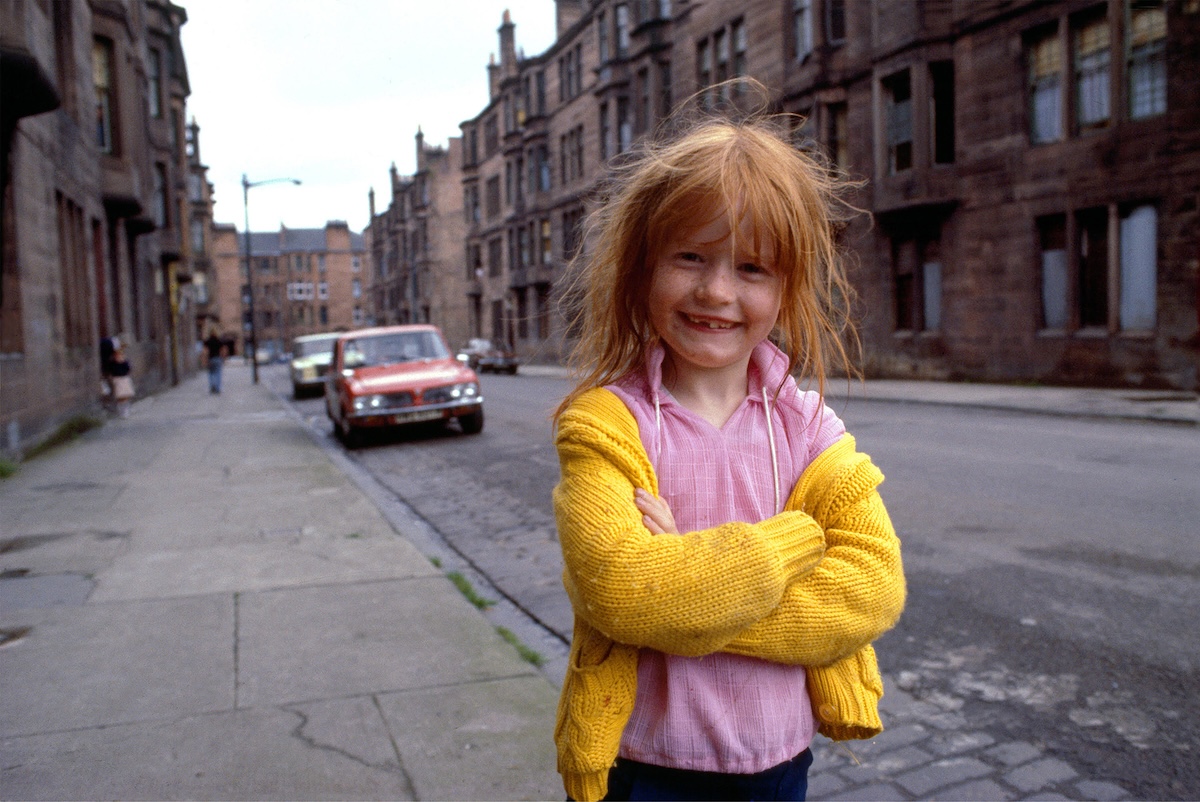
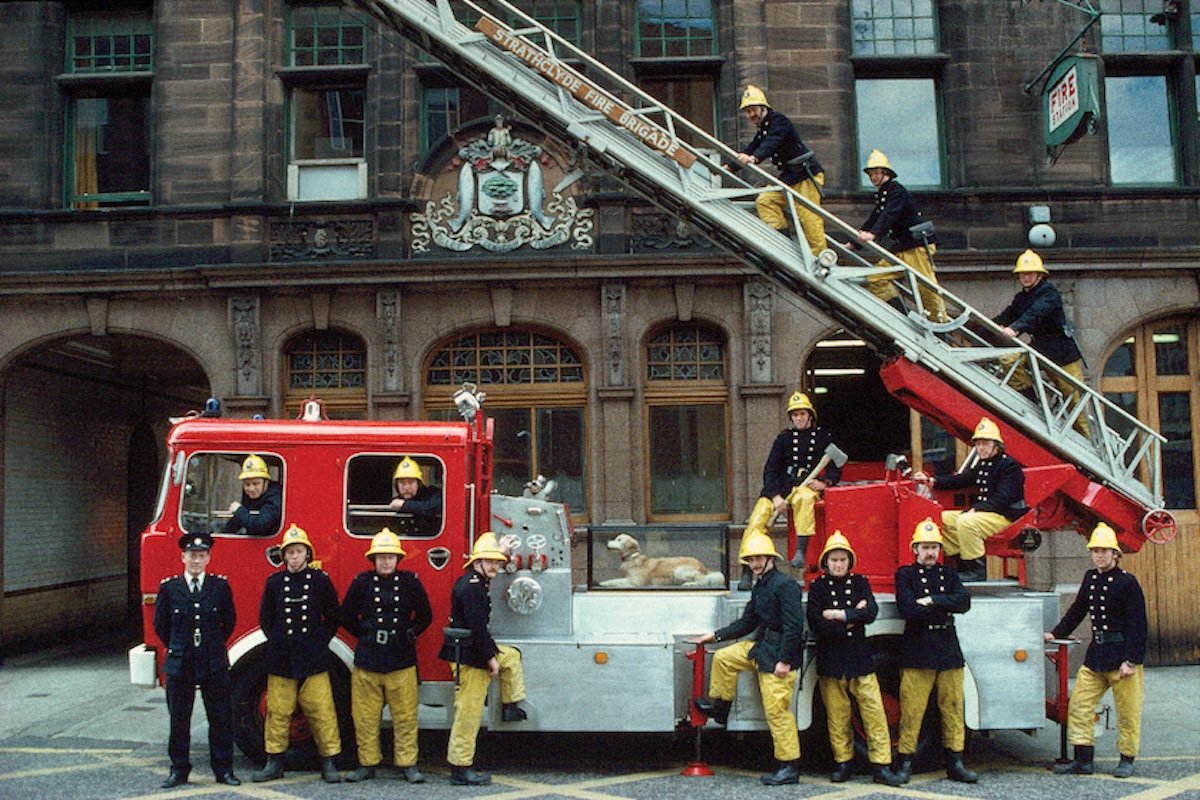
“The city was changing, building up to rebranding itself in 1990 as European City of Culture. At that time, Glasgow had the same feeling as New York – there was always something going on in the streets. A lot of my shots come about by chance while I’m wandering about. You turn a corner and find something you didn’t expect. I don’t really plan anything when I photograph: things somehow fall into place.”
– Douglas Corrance
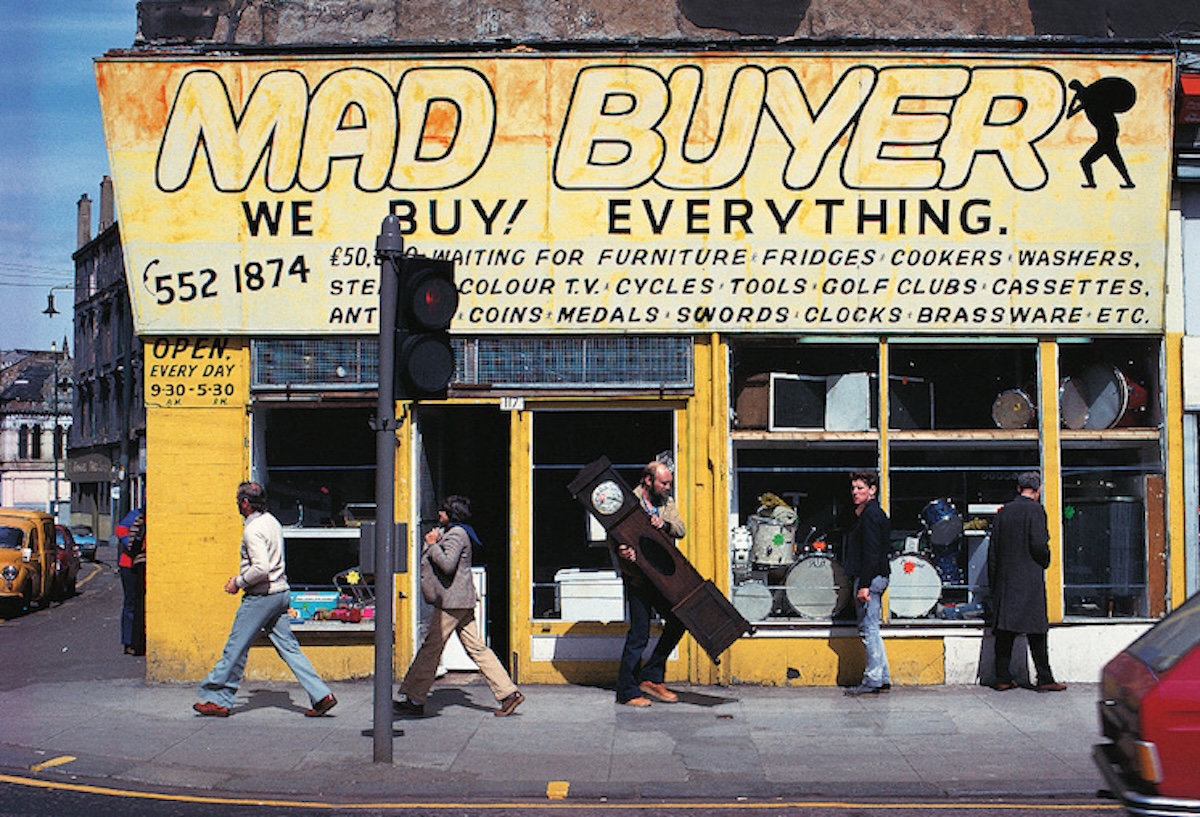
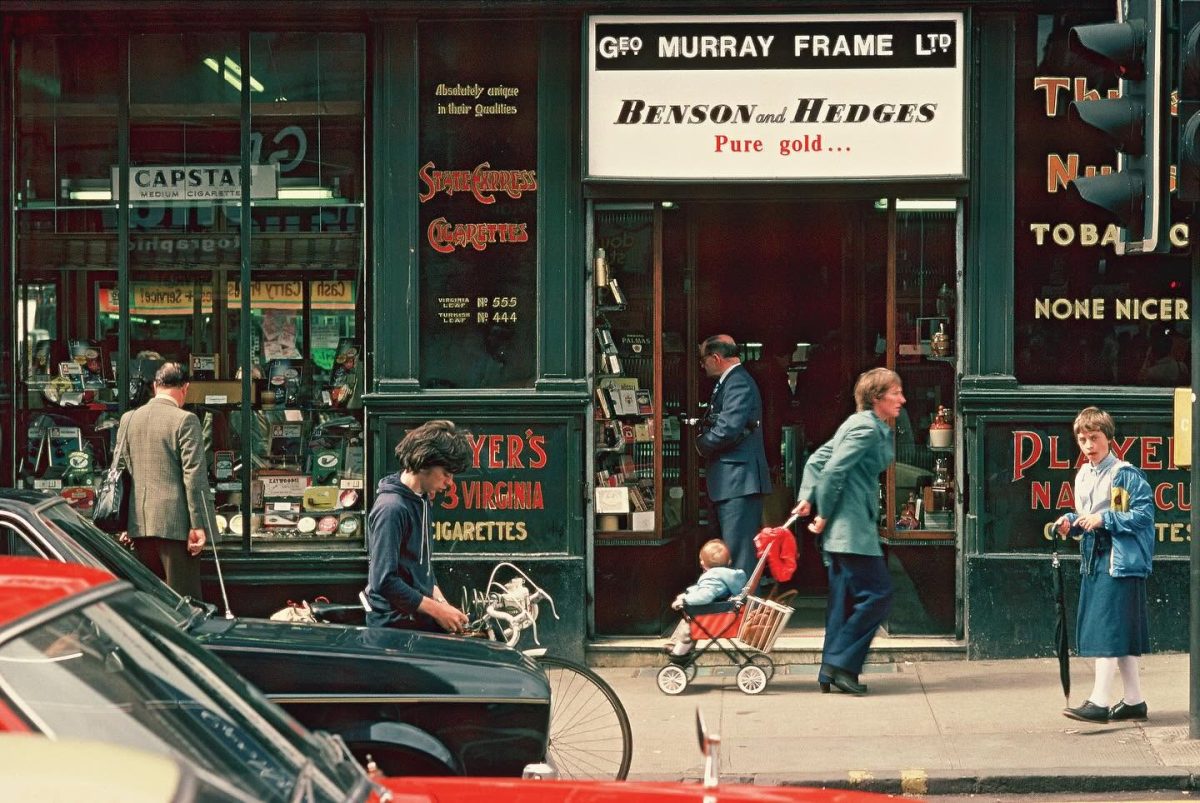
The corner of Moir Street and London Road, 1980
“I was working for the Scottish tourist board at the time. I was there for 11 years, until 1984. It was a great springboard: I was given cameras and a pretty free hand. After I left, I had a lot of contacts and the work didn’t seem to stop. I did city guides and went all over the world. An editor once told me I’m a good travel photographer because I always get lost.”
– Douglas Corrance
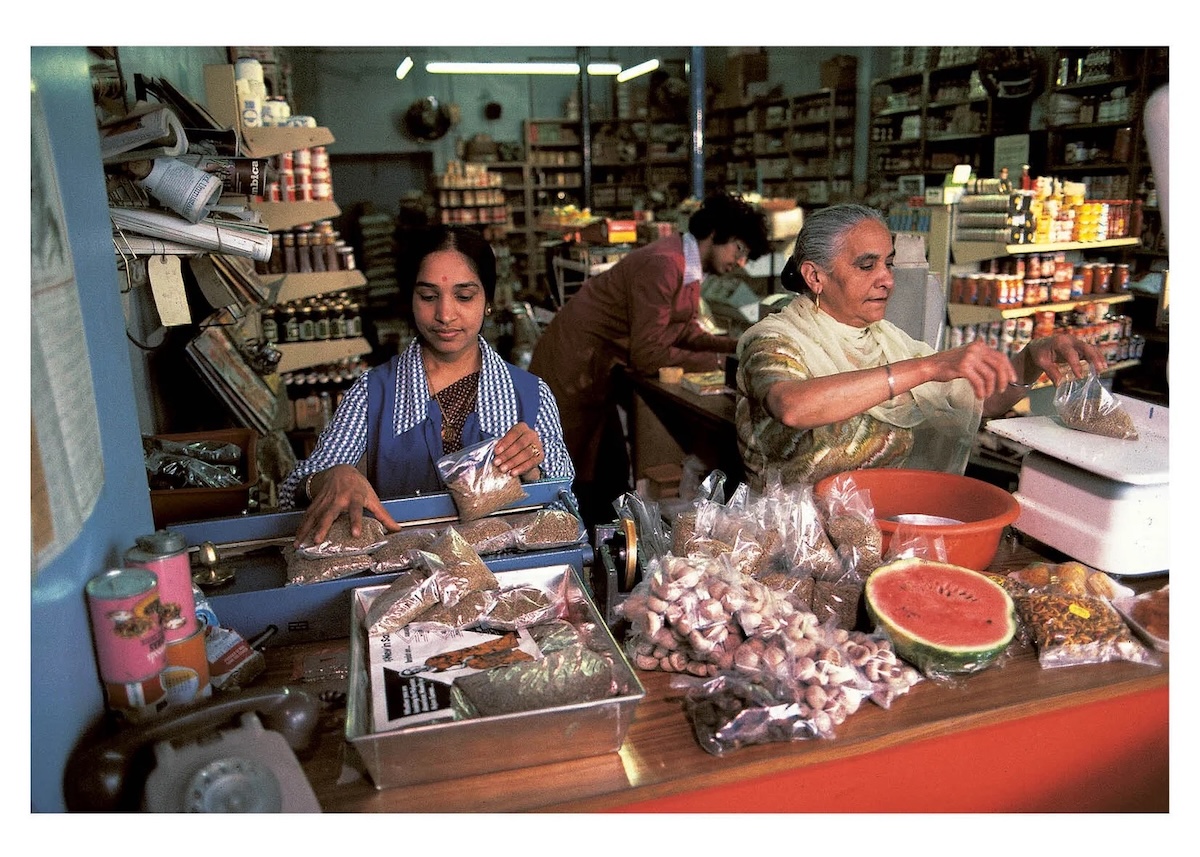

“I just like straight photographs. Composition is the most important thing. When you’re shooting from the hip, you’ve got to take everything in – shapes, forms, balance – and then you start noticing other things that create a little story. That’s the ideal photograph, but you’re lucky if you get four or five a year.”
– Douglas Corrance
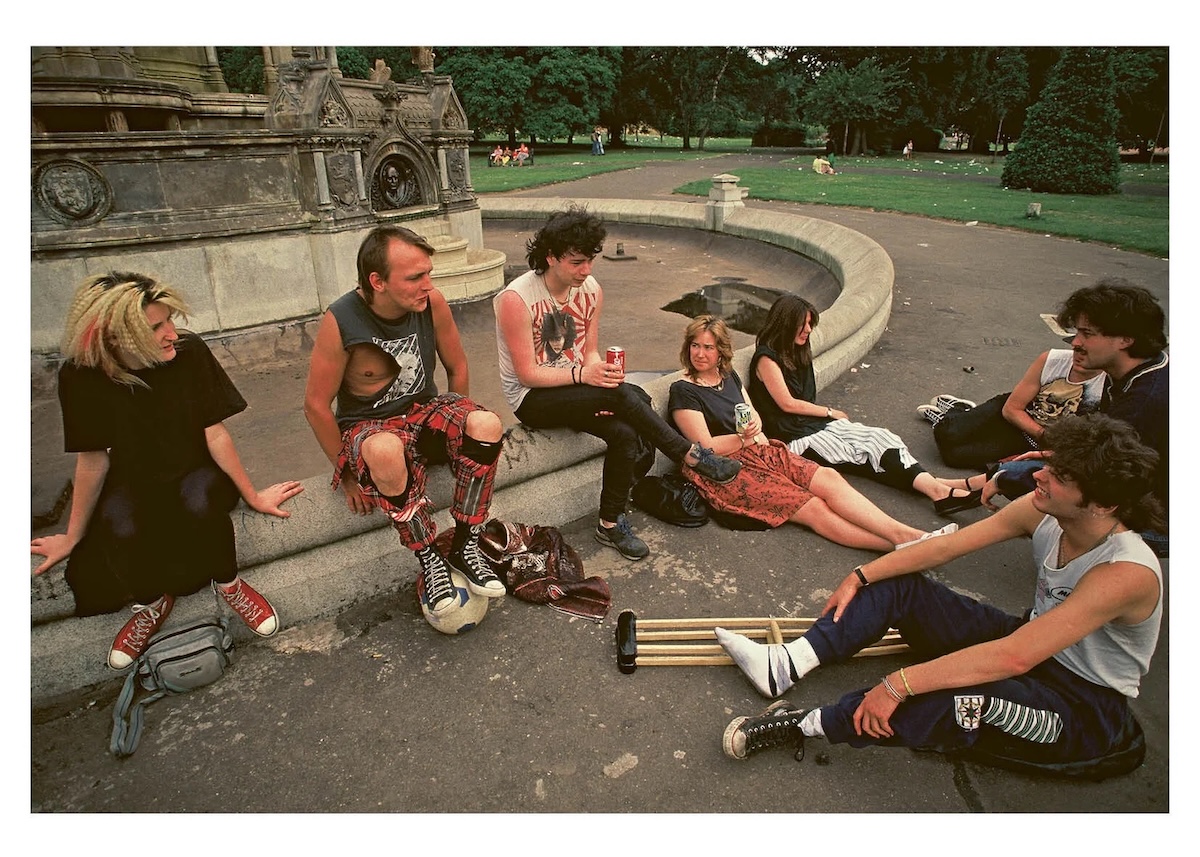
“Glasgow has a great sense of its own worth. Having got lost in a heavy rainstorm, I asked my assistant, ‘Where are we?’ Only to receive this response from a down-and-out [who overheard me], ‘You’re in the finest city in the world mister!’”
– Douglas Corrance

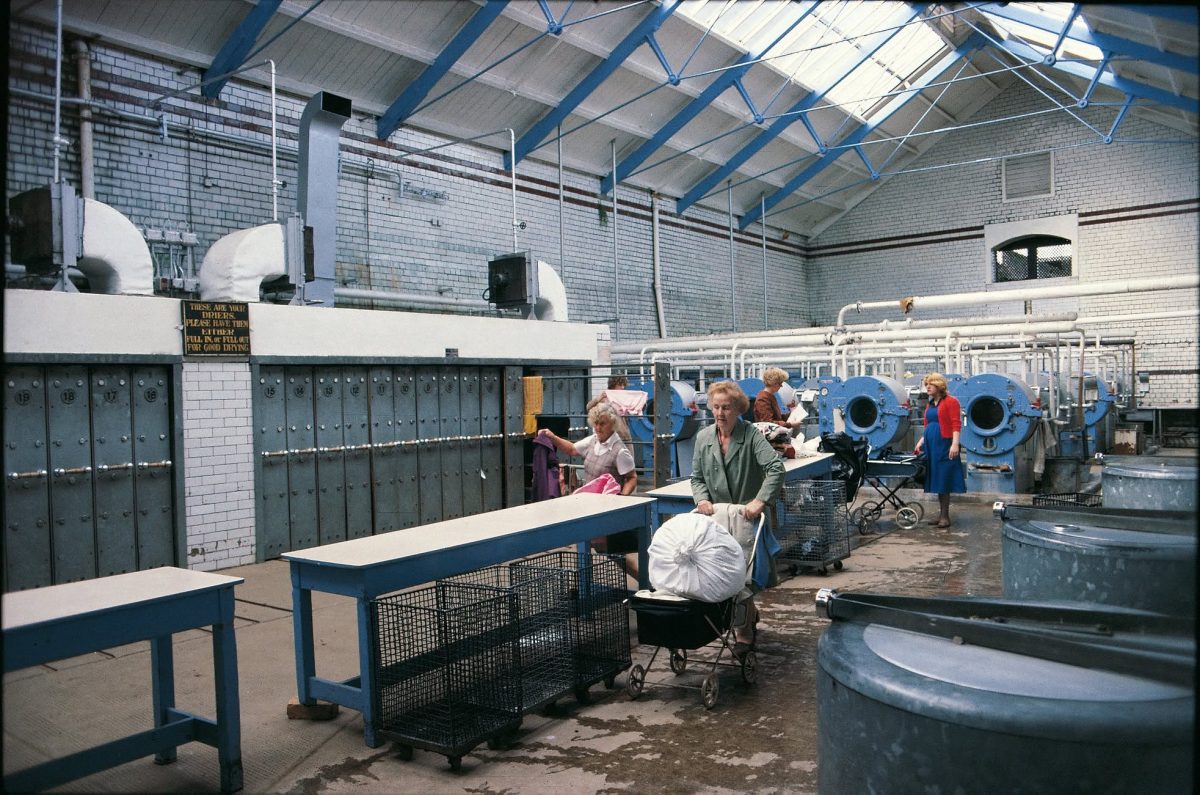
“This was the last day of the last Glasgow steamie (wash-house) in Partick in 1982, the end of a tradition that began in 1732. The good nature and humour of customers and staff belies the loss of a sociable and practical amenity. We lose sensible community activities, and social planners replace them with classes in crochet, web design and the study of the social effects of the demise of the steamie in the 20th century.”
– Douglas Corrance (Above)
Follow Douglas on Facebook.
Glasgow 1970s-1980s by Douglas Corrance is published by Cafe Royal books.
Would you like to support Flashbak?
Please consider making a donation to our site. We don't want to rely on ads to bring you the best of visual culture. You can also support us by signing up to our Mailing List. And you can also follow us on Facebook, Instagram and Twitter. For great art and culture delivered to your door, visit our shop.