“For each work of art that becomes physical, there are many variations that do not”
– Sol Lewitt, Sentences on Conceptual Art in the British journal Art-Language, 1969
Launched in 1972 by Canada’s art collective General Idea (active 1969–1994), FILE magazine called for reader contributions and included a directory connecting artists and writers.
The magazine was part of the mail art movement in which artists found a way to show, share and swap their own work without the need for institutional consent and conformity.
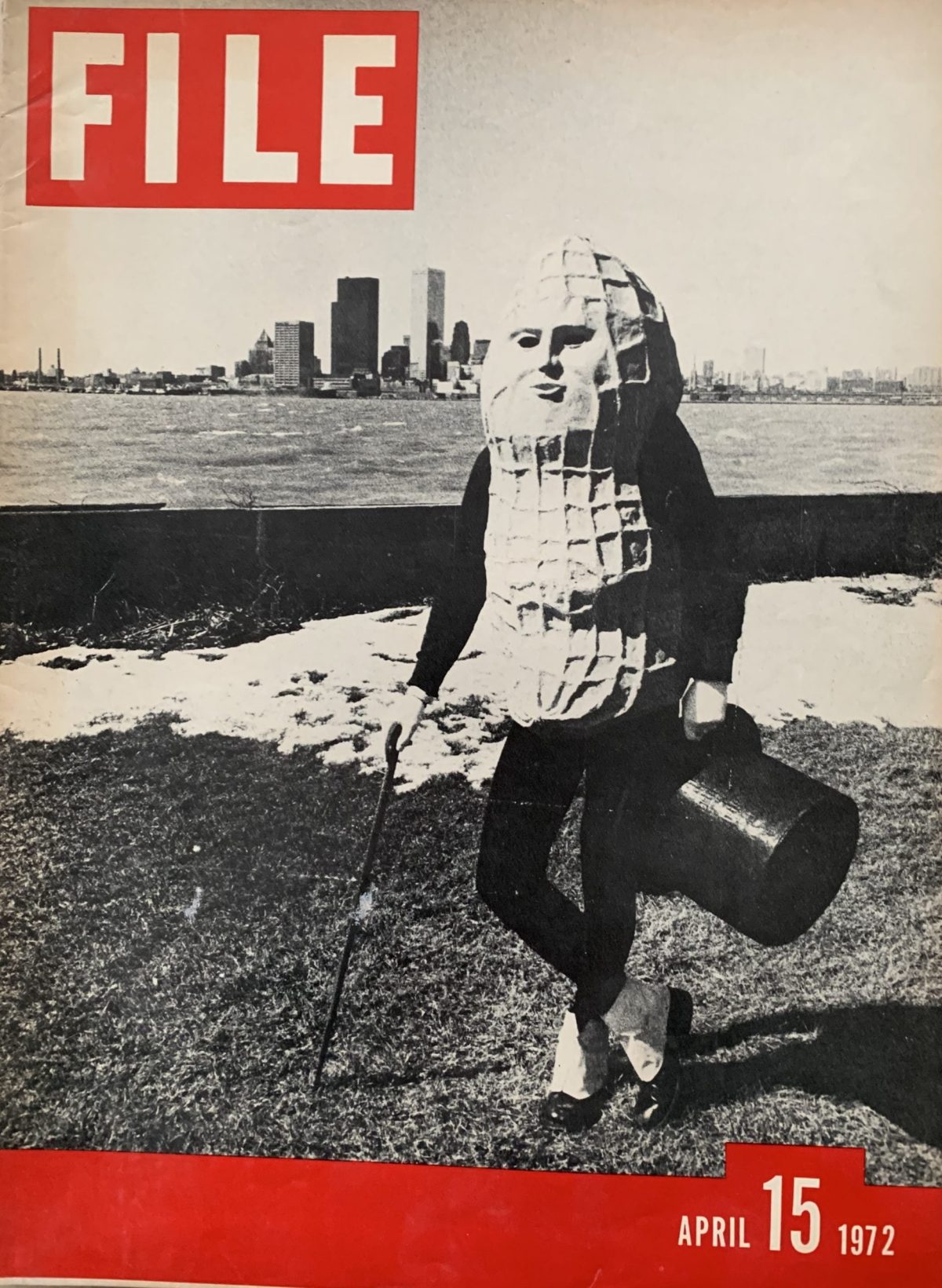
Lifting its name and logo from the popular postwar US glossy Life, FILE ran for 26 issues before closing in 1989, with cover stars including Debbie Harry, Tina Turner and Mr Peanut.
The Genesis P-Orridge Letters
British artist, musician and hilarious entertainer of public schoolboys Genesis P-Orridge (born Neil Andrew Megson; 22 February 1950 – 14 March 2020) contributed to the magazine, posting contributions to FILE headquarters in downtown Toronto.
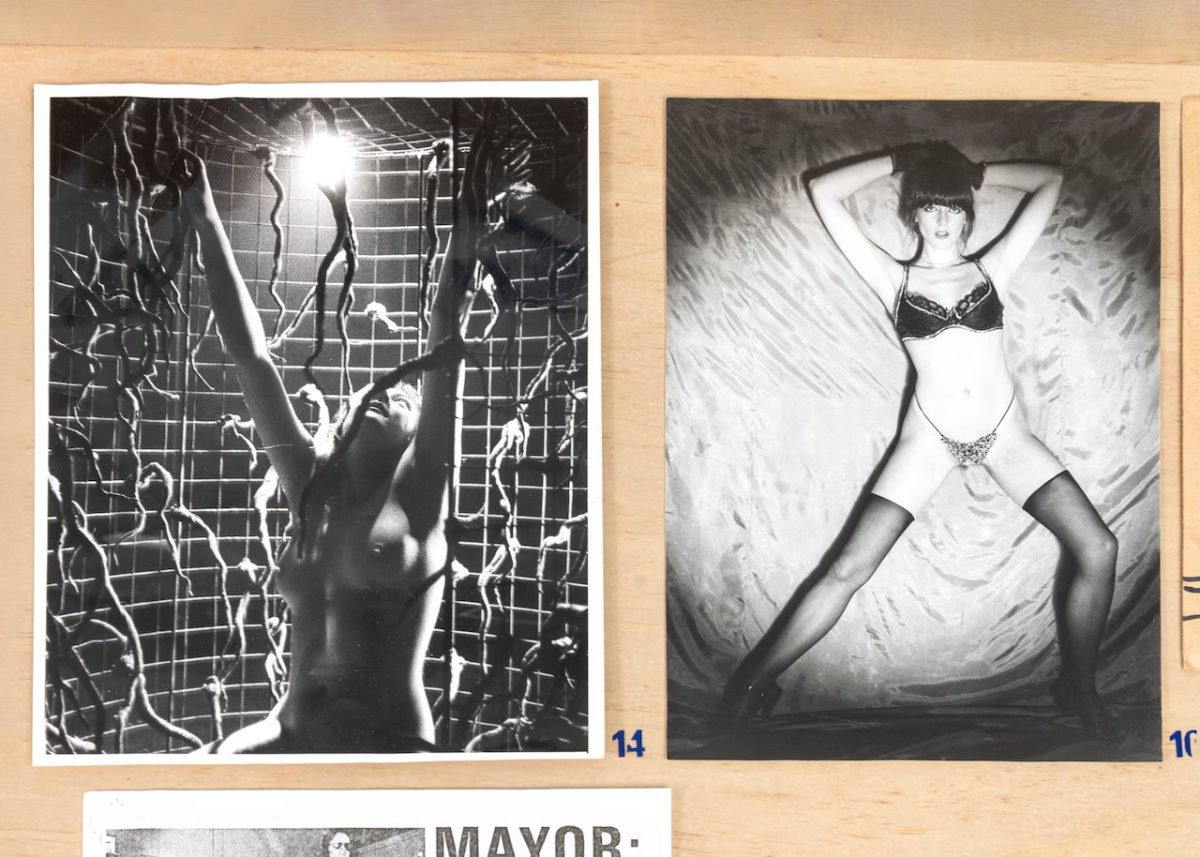
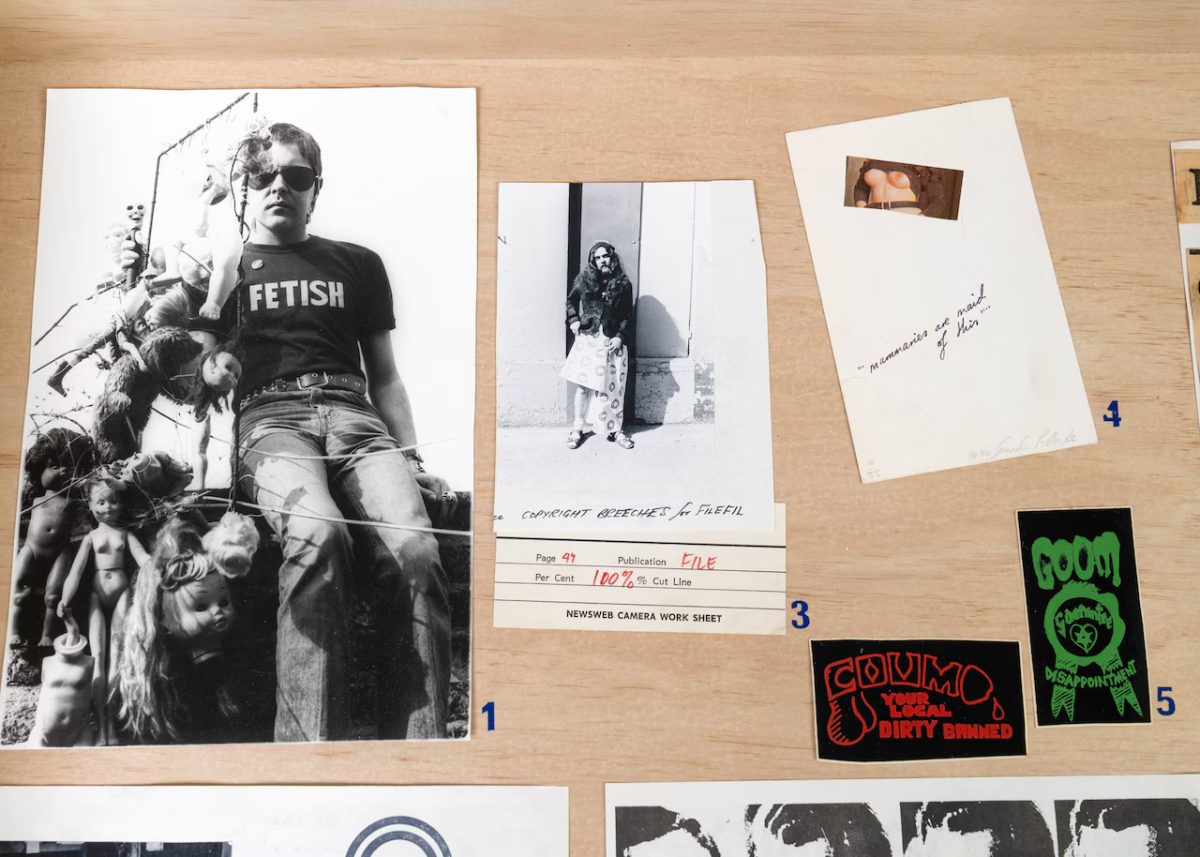
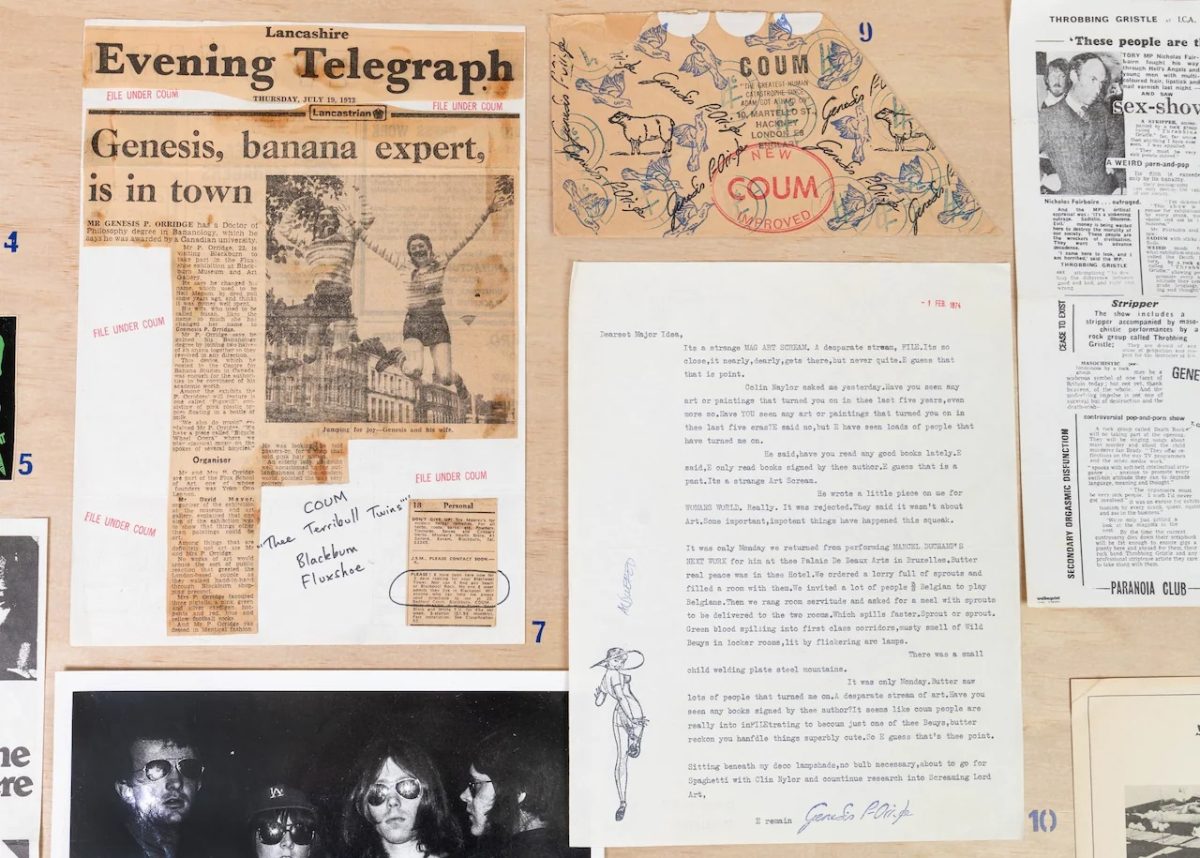
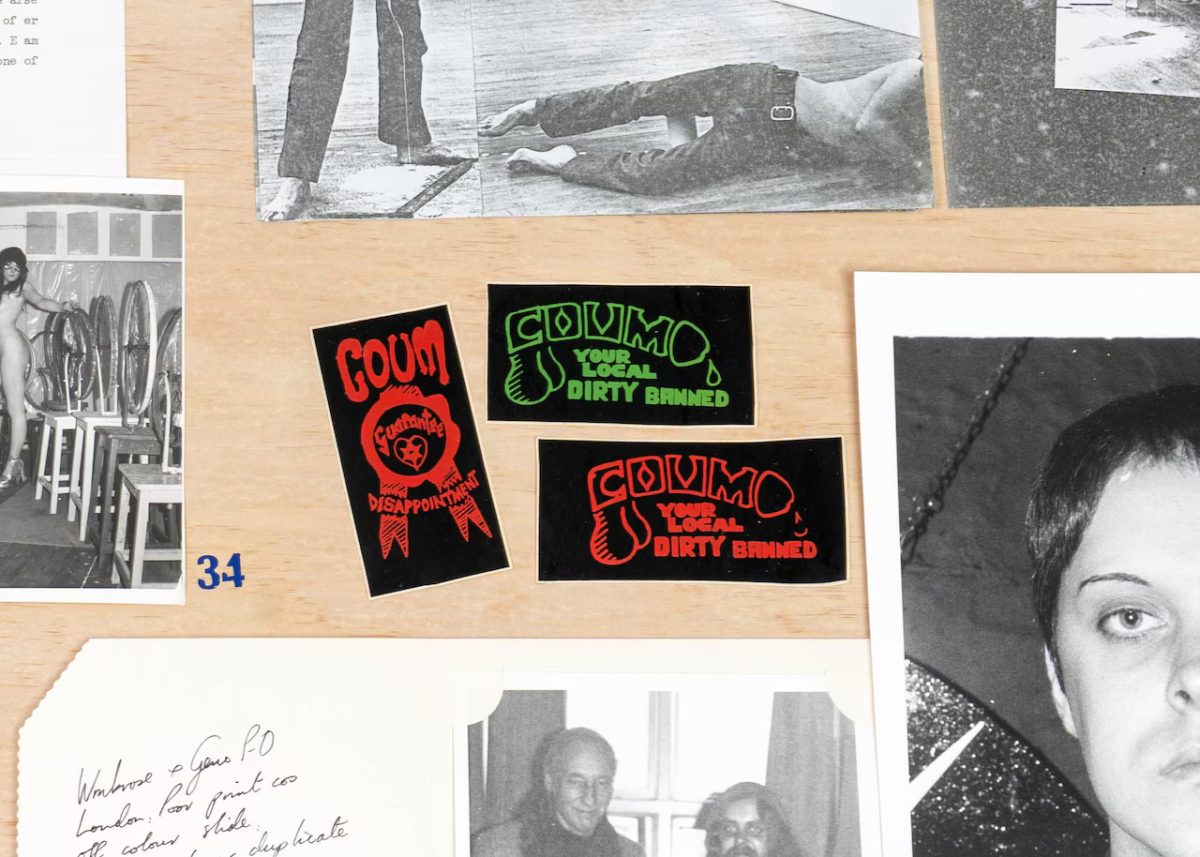
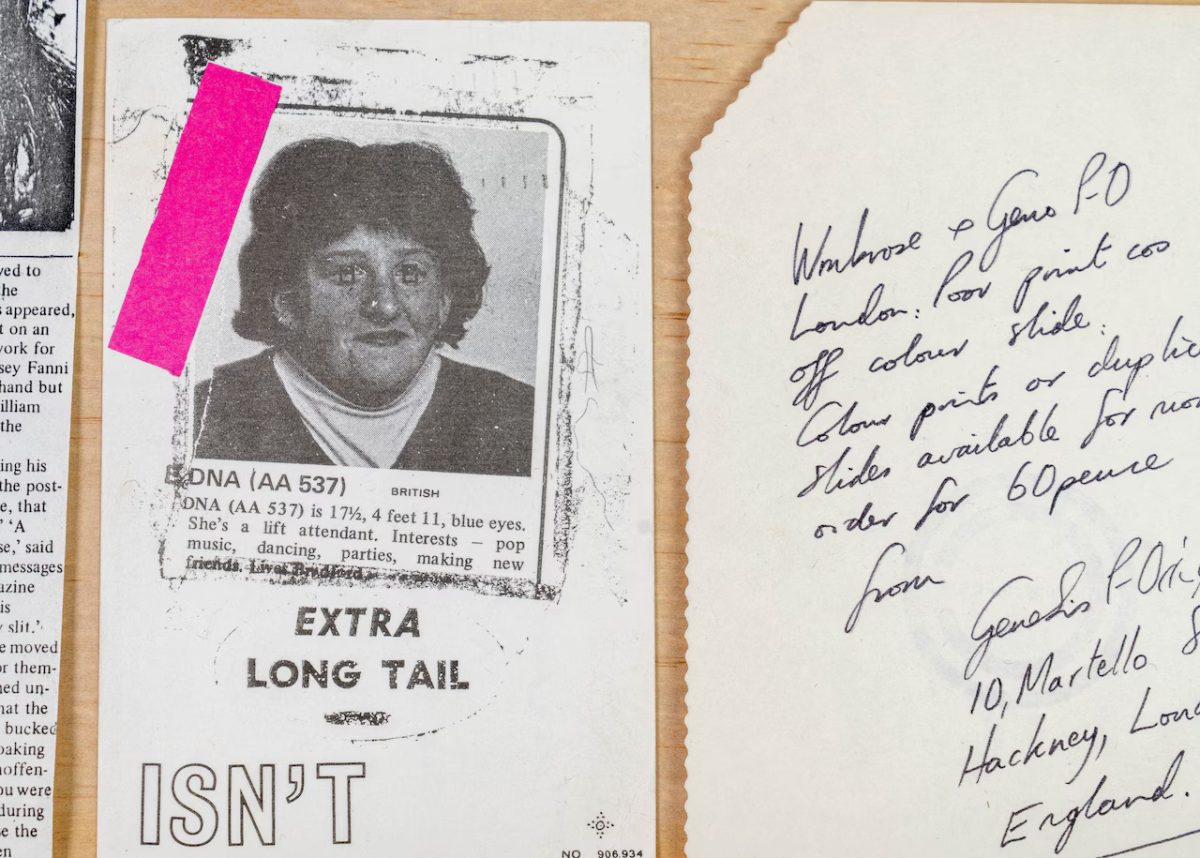
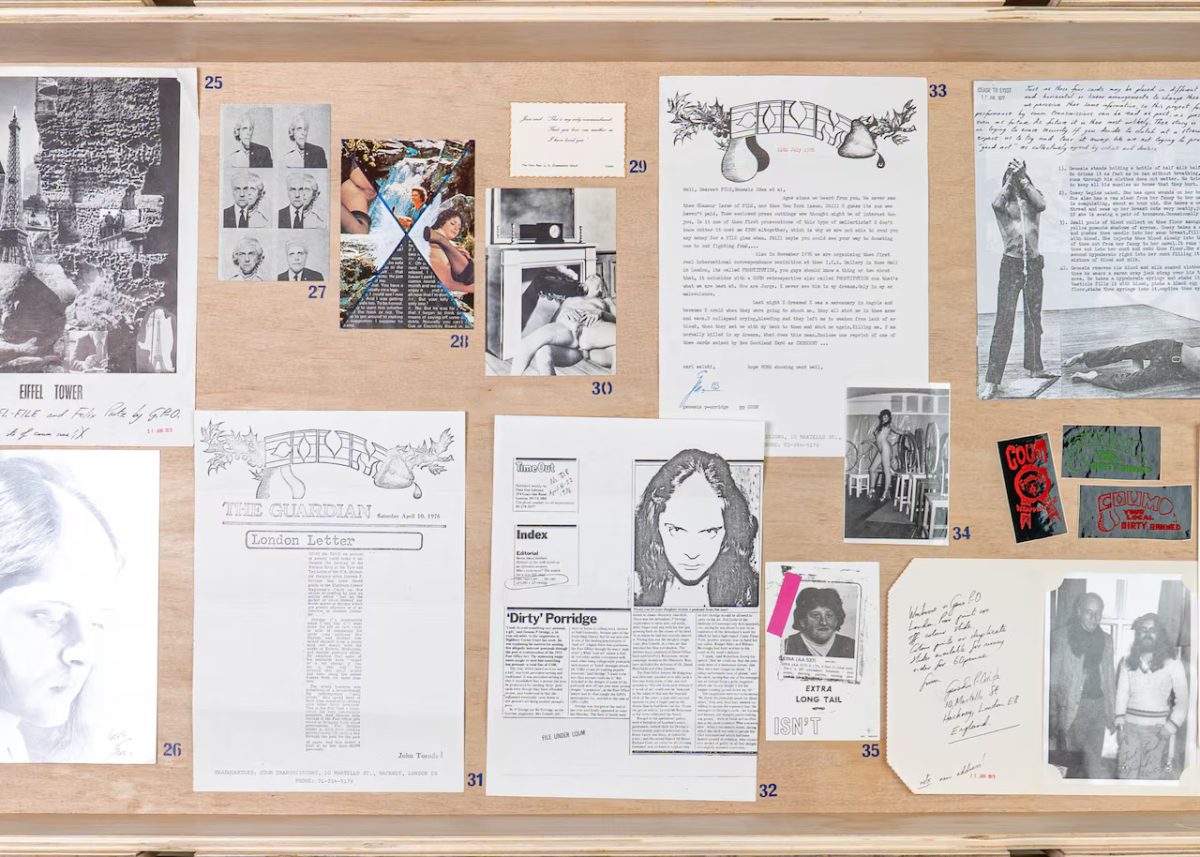
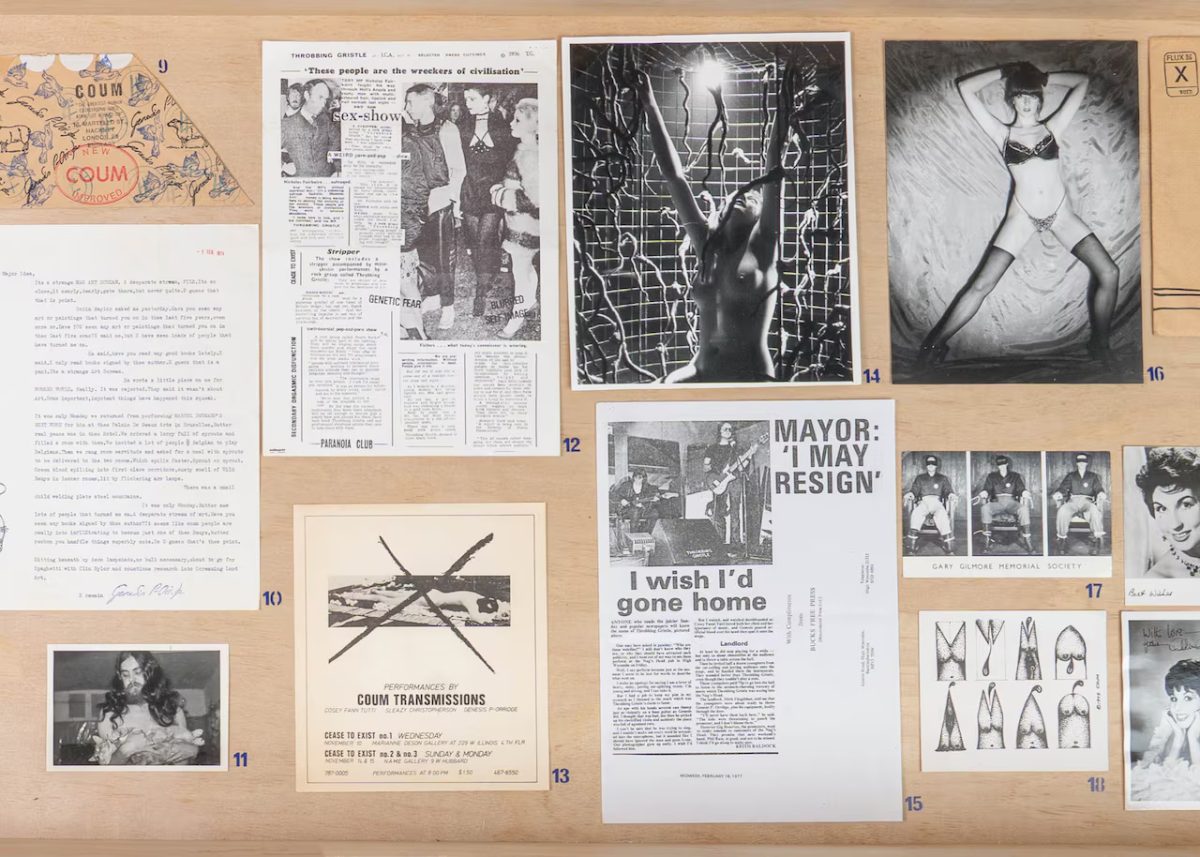
P-Orridge sent letters, photos, graphic pornography, negative press about his band Throbbing Gristle (“I wish I’d gone home” reads the title of one show review), stickers (“COUM Guarantee Disappointment”) and racy pictures of bandmate and star of aggro chic (NSFW) Cosey Fanni Tutti.
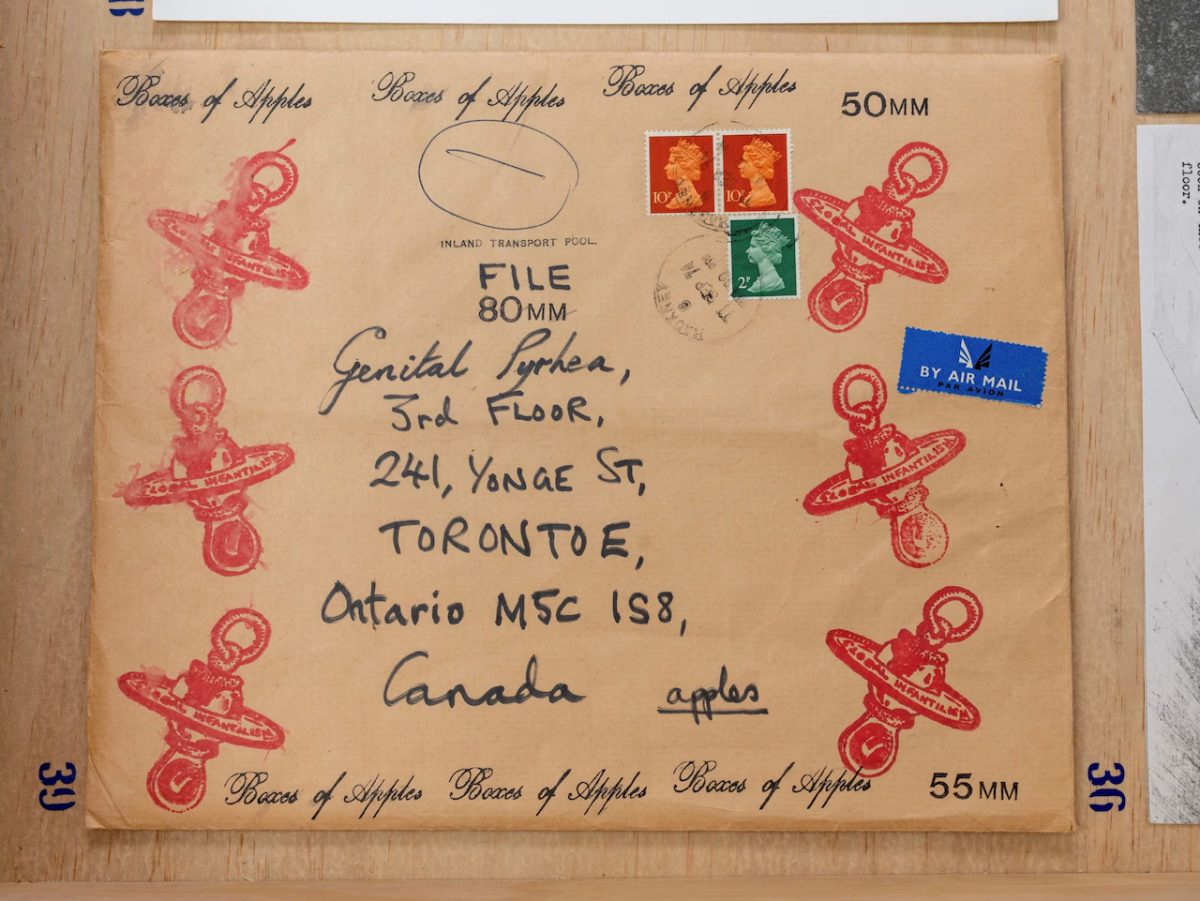
P-Orridge sent his submissions in envelopes addressed to FILE at “Genital Pyrheam”, 241 Yonge Street “Torontoe” and decorated with non-sequiturs, the occasional dripping knob and other symbols.
His letters are on display at Art Metropole, the world’s oldest artist-run bookstore founded by General Idea.


General Idea and FILE Magazine
FILE was created and published by Gernal Idea founxers Felix Partz (born Ronald Gabe; 1945–1994), Jorge Zontal (Slobodan Saia-Levy; 1944–1994), and AA Bronson (Michael Tims; b. 1946).
The magazine would be a “parasite within the magazine distribution system”. As Bronson explained: “We knew that if it looked familiar, people would pick it up, and they did. We thought of it as a kind of virus within the communication systems, a concept that William Burroughs had written about in the early ’60s.”
The cover of Issue #1 featured Mr. Peanut. “Image of the Month” was Robert Cumming’s photograph of a Ritz cracker, its dimples superimposed with anuses.
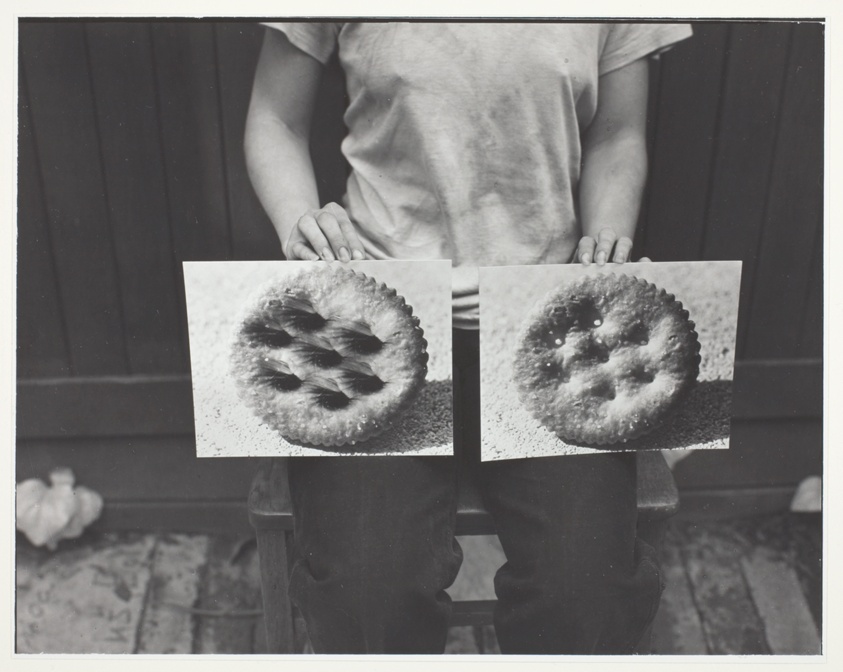
Asshole Ritz CrackerDate: 1972 Artist: Robert Cumming American, 1943-2021 – via: Art Institute Chicago
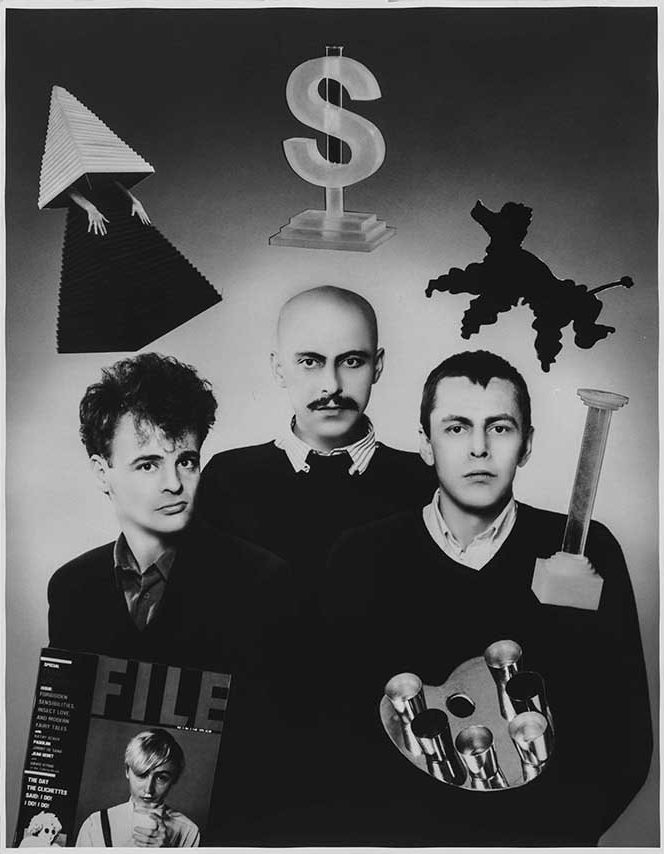
General Idea, “Self-portrait with Objects,” 1981-82 montage, gelatin silver print, 14” x 11” (National Gallery of Canada; photo courtesy NGC)
The trio met in Toronto in 1969, drawn to the city’s compact but vibrant countercultural scene. As Bronson put it: “The counterculture scene was small at that time. The three major nodes were Rochdale College, Theatre Passe Muraille, and the Coach House Press.”
They formed General Idea, adopted pseudonyms and used their work to shine a light on mass media and gender conformity, as witnessed in their Miss General Idea Pageant (1971).
Partz explained the pageant: “It was our examination of the existing art world… a questioning of the process by which masterpieces are created… validated… selected and worshipped.”
They were, according to Bronson, born out of the “late 60s psychedelia of student revolution, fluorescent posters, underground newspapers and Marshall McLuhan, and inspired by Canada’s first artist-run centre … Intermedia.”
In FILE Issue #5, The “Glamour” issue, the trio programmatically stated:
“We wanted to be artists and we knew that if we were famous and glamorous we could say we were artists and we would be. . . . We knew Glamour was not an object, not an action, not an idea. We knew Glamour never emerged from the ‘nature’ of things. There are no glamorous people, no glamorous events. We knew Glamour was artificial. We knew that in order to be glamorous we had to become plagiarists, intellectual parasites.”
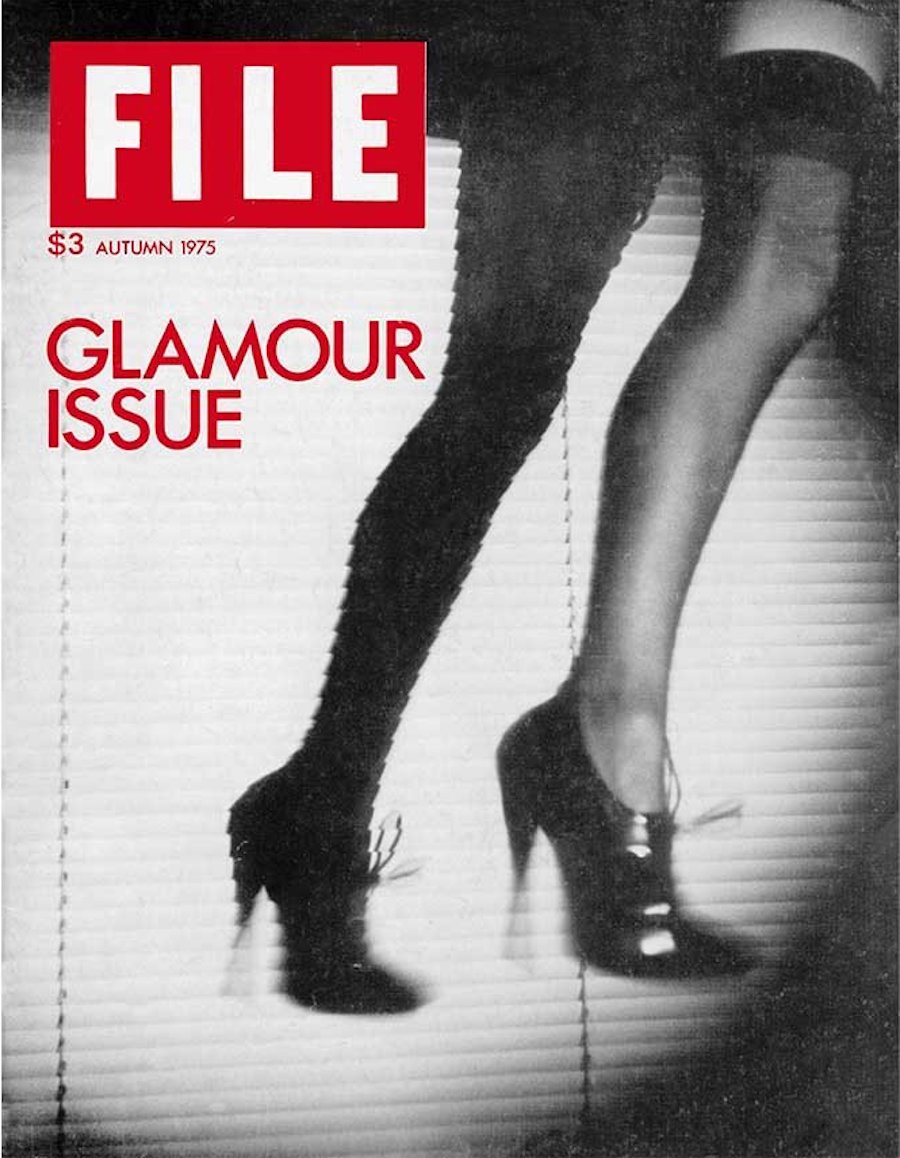
Art Metropole
In 1974, they founded Art Metropole, a distribution centre and archive, which held various low-cost formats, including artists books, video and audio works as well as multiples. Still operating today, Art Metropole holds an important place in the history of alternative arts venues in Canada.
In the 1980s, General Idea targeted the booming art market with their queer politics. Having relocated to New York, in 1987 General Idea reconfigured Robert Indiana’s LOVE sculpture to read “AIDS.”
General Idea came to an end in 1994, with the deaths of Partz and Zontal from AIDS-related causes.
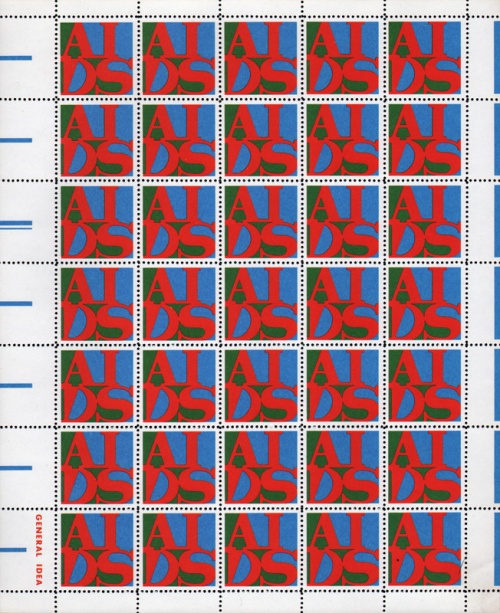
AIDS Stamps, 1988. The General Idea AIDS logo repeated thirty-five times on this sheet of postage stamps.
Genesis P-Orridge
Genesis (Breyer) P-Orridge (1950–2020) was born in Manchester, England. S/he is one of the founding members of performance collective COUM Transmissions, music group Throbbing Gristle, and experimental pop rock band Psychic TV.
Later in h/er career, P-Orridge embarked on The Pandrogyny Project with h/er partner and collaborator Lady Jaye Breyer P-Orridge, which aimed to surgically and spiritually transition the two artists into a combined person. P-Orridge’s complex legacy encompasses h/er multimedia artworks, h/er music, and h/er own notoriety and controversy. S/he is widely considered to be the godparent of industrial music.
S/he is credited as popularizing body modifications including tattoos and piercings. H/er performances and artworks have been exhibited internationally. S/he was exiled from the United Kingdom. H/er prolific output as an artist and performer disavowed conventionality and demonstrated h/er commitment to constant evolution: whether that be transforming the culture in which one lives or the physical body that one occupies.
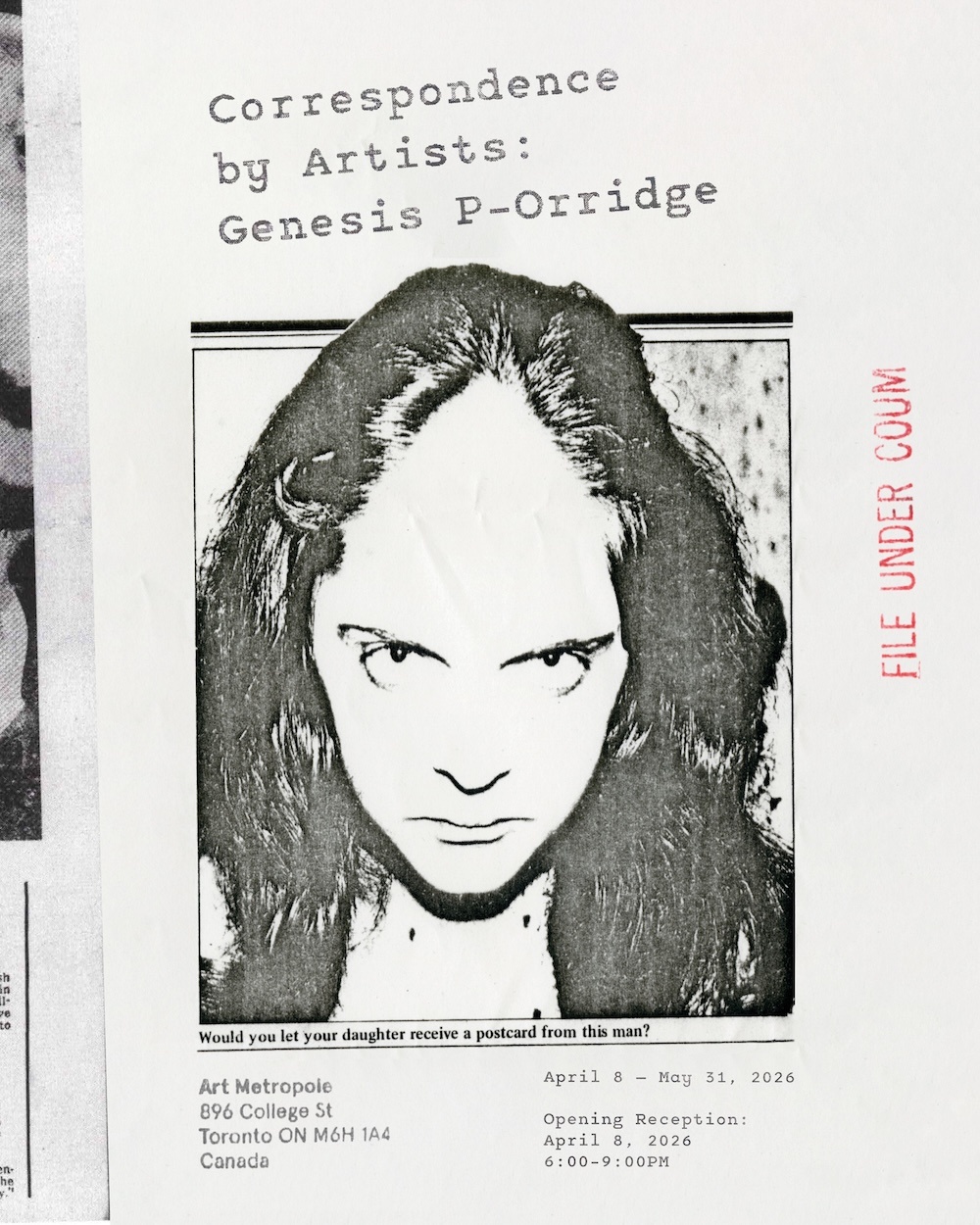
Correspondence by Artists: Genesis P-Orridge is on at Art Metropole until 31 May.
Via: NGC, ACI, ArtForum, AnOther.
Would you like to support Flashbak?
Please consider making a donation to our site. We don't want to rely on ads to bring you the best of visual culture. You can also support us by signing up to our Mailing List. And you can also follow us on Facebook, Instagram and Twitter. For great art and culture delivered to your door, visit our shop.