“I didn’t know it was going to be such an important moment in history. To someone coming from Germany, New York was a different world.”
– Albert Scopin on living at the Chelsea Hotel, NYC
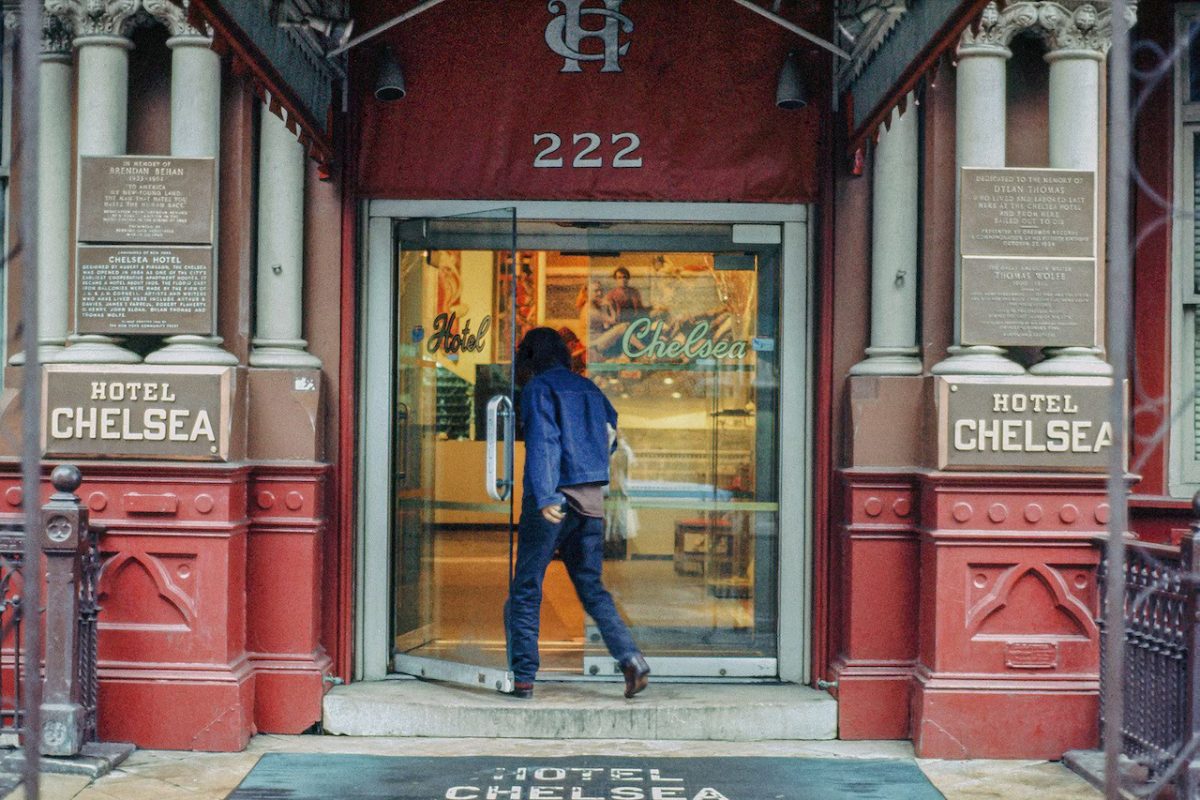
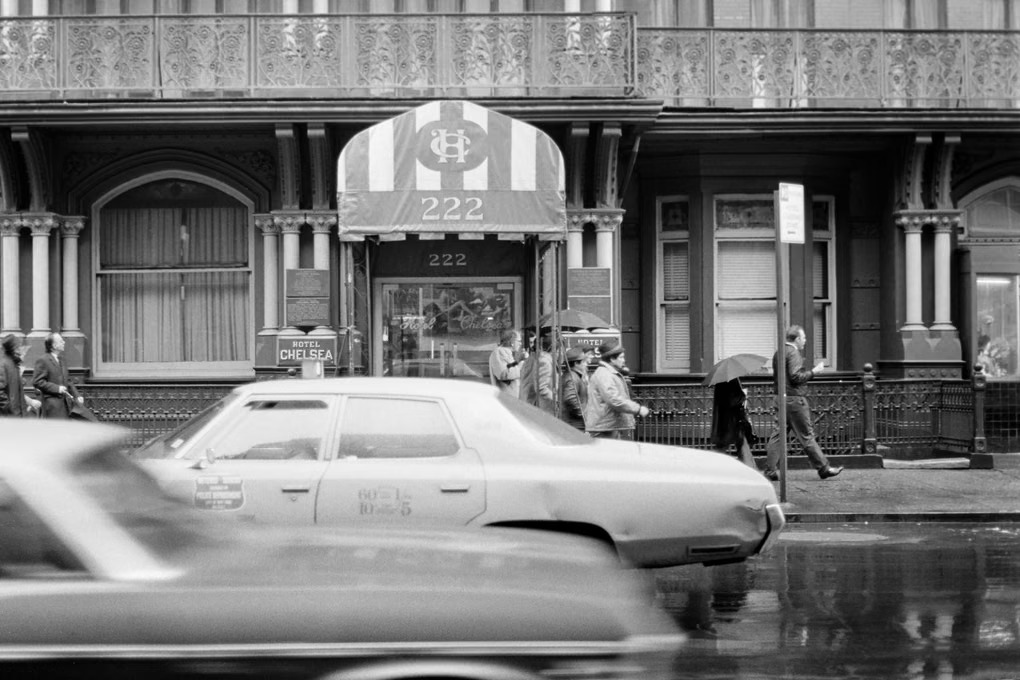
Albert Scopin was taking photos of life at New York’s Chelsea Hotel at 222 West 23rd Street when it was at the epicentre of free expression. The German photographer lived there from 1969 to 1971, attracted to its presence of musicians and reputation as a cultural haven.
“It was the day after the Americans made it to the moon,” he tells Seán O’Hagan of the day he moved in. “There was a lot of excitement in the air, but I didn’t have much money and no idea where to go. Luckily, I met some musicians who told me about the Chelsea.”
“The hotel was well known; people said you had to be there,” he adds in conversation with Julia Silverberg. “I also didn’t have much money, and I could live there for $40 a week.”
For more than four decades his pictures went unpublished.
“At the time we were really busy,” he says. “I sent the photographs to friends who worked at ZEITmagazin. I trusted they were being well kept there, but we were doing so much throughout the 70s; we didn’t think much about it. It was only when I returned to Germany that I wanted my material back – and realised it was gone.”
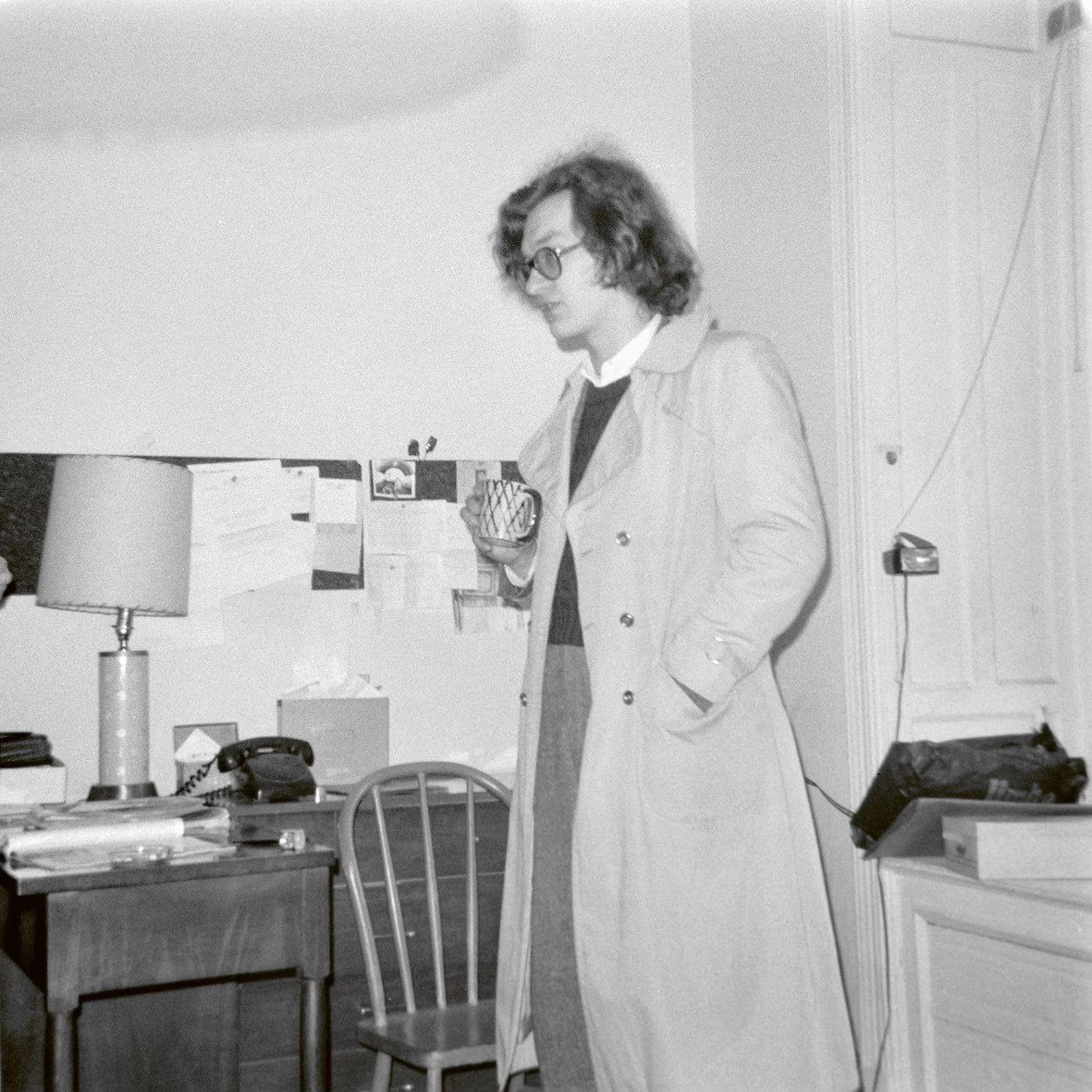
Wim Wenders hanging out
“From the summer of ’69 until the spring of ’72 I was a more or less permanent resident at the Chelsea Hotel – hopping from room to room depending on my budget. Initially, after arriving in NY I worked as a photographic assistant to Bill King who, at the time, did mainly photoshoots for Harpers Bazaar.
“As a matter of good fortune his Studio was located close to the Warhol Factory and [Andy] Warhol shot a number of scenes for his movies Flesh and Trash at the studio. In this way I not only got to know the Warhol crowd, but was also allowed a front row seat and was able to observe them closely. For the movies they effectively had to play themselves and I was absolutely stunned and fascinated by the transvestites: the certainty, the ambiguity and ever present sexuality.
“By mid-1970 I had quit my job with Bill King and began to document the city as it happened around me. As a freelance photographer I covered numerous topics including street art, the Run Away Kids of East Village and the Chelsea Hotel. Thankfully, the then brand new Zeit Magazin, Hamburg, published many of these early projects.”
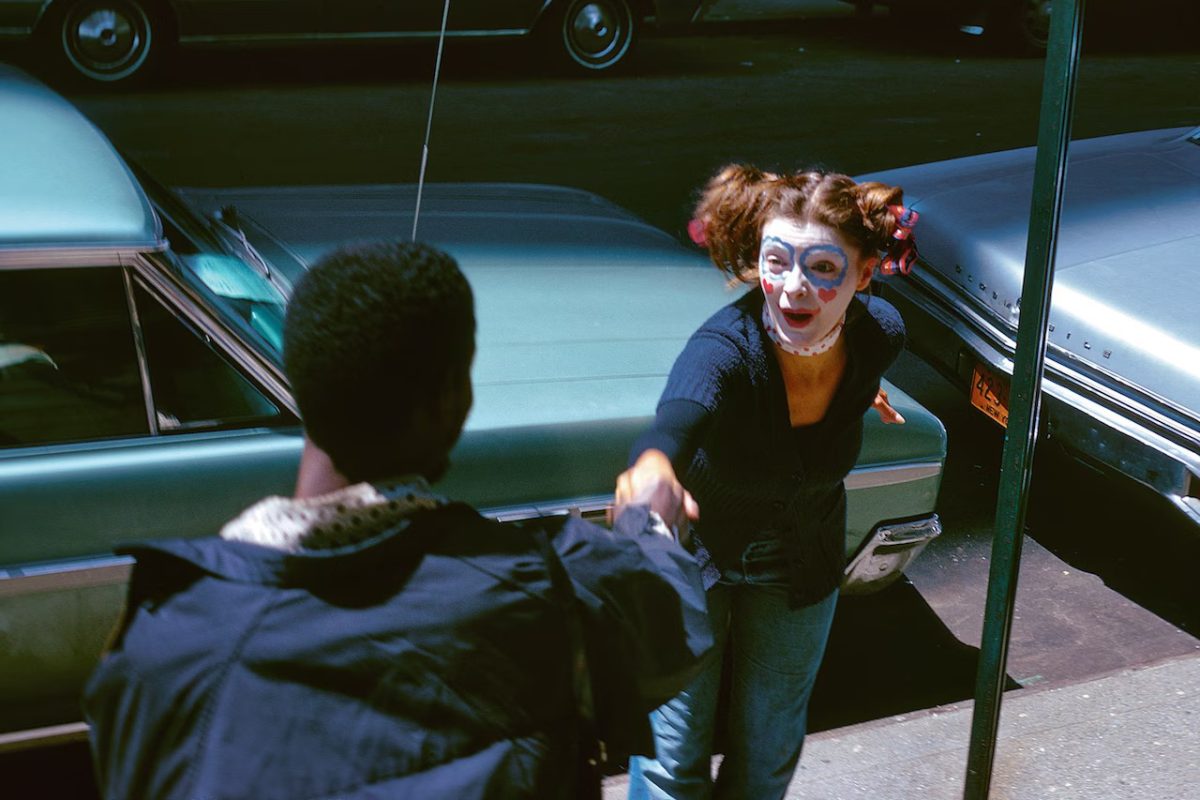
“Broadly speaking the inhabitants of the Chelsea Hotel could be split into three groups. First, there were the artists. They occupied the upper floors and existed within a strict hierarchy according to the degree of success and external recognition. Second came the musicians, film makers and writers that drifted in and out of NY and crashed at the Chelsea Hotel. The final group, the most mysterious, were the druggies and the dealers. To the best of my knowledge they occupied the third floor, but they existed in complete isolation and were never spoken of.”
– Albert Scopin at the Chelsea Hotel
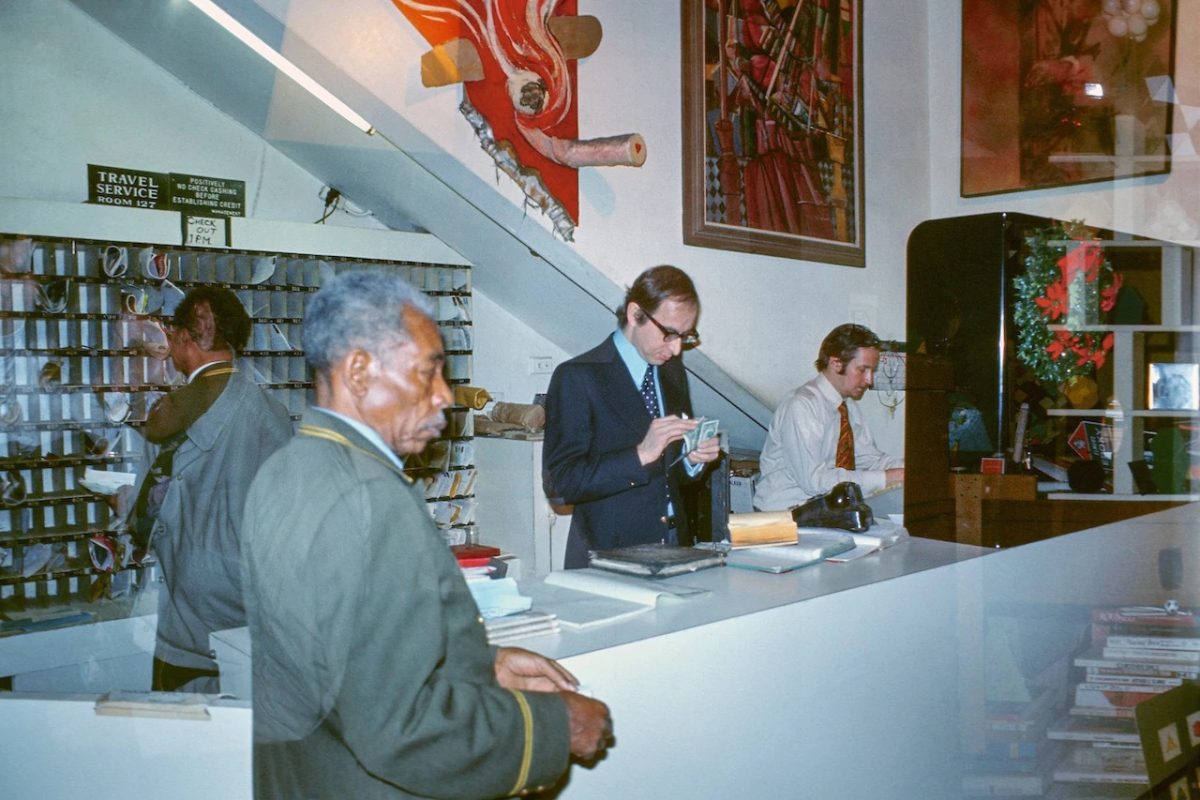

The hotel reception, 1971
For more than 40 years Stanley Bard (above; centre with glasses) was the Chelsea’s director and hotel manager. Stanley started out at the Chelsea in 1957 as a plumber’s assistant, employed by his father, who co-owned the hotel. After his father died in 1964 Stanley took over. If an artist couldn’t pay the bill, Stanley would let them pay with a painting. This gave rise to a notable collection, which could be admired in the foyer and corridors. He clung tenaciously to his positive spirit and his unshakeable belief that there is good in everyone.
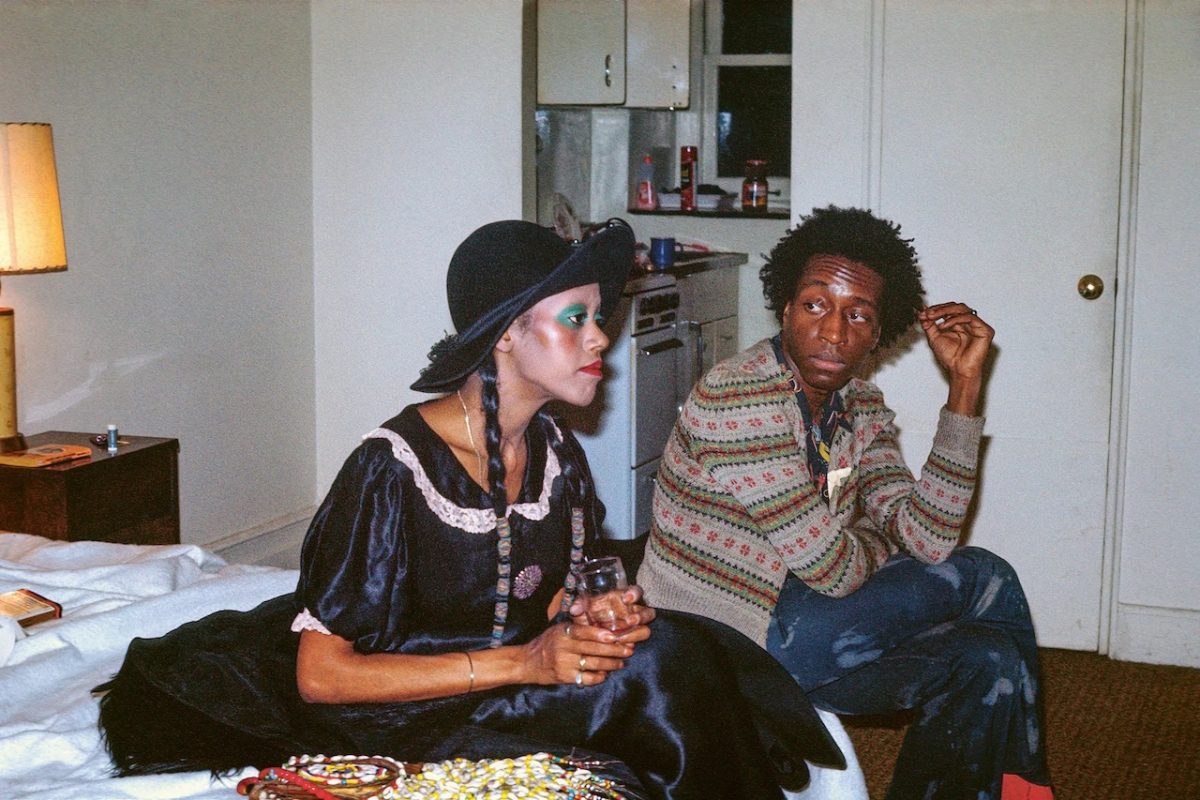
Chancy and Dévaureaux
Chelsea Hotel On Film
“Together with friends we went on to found the Yonah Yeend Production Company and set out to document life off-off Broadway. This short clip about the Chelsea Hotel was actually made as a pilot, which we pitched to the NDR in Hamburg to attract funding for a larger documentary we had planned. Amazingly they agreed, but because we didn’t budget very well, the film was never made – a regrettable folly of my youth.
“Even though the film was never made, it does exist in my head. Living at the Chelsea Hotel I studied its inhabitants very closely. Never before and never thereafter have I encountered a crowd more diverse, more vein and more fantastical. The bizarre paradox I observed was that in all their efforts to be unique, in all their efforts to become noticed, in all their efforts to become famous – all those people were surprisingly similar – made similar by their efforts to be different.”
“…there are two people I would like to mention in connection with this clip: Patti Smith and Robert Mapplethorpe. The two lived in a dilapidated building just next door to the Hotel and are so closely intertwined with all my memories of the Chelsea Hotel that I can’t not mention them. Patti fascinated me from the very start. She really was completely different to any other human I had ever met before. She was pure energy. Everything was an experiment and everything was to be understood. Robert, on the other hand, was a cool cynic, yet the two stood united in their fundamental aim to get to the top and I am incredibly pleased to know that they really made it!”
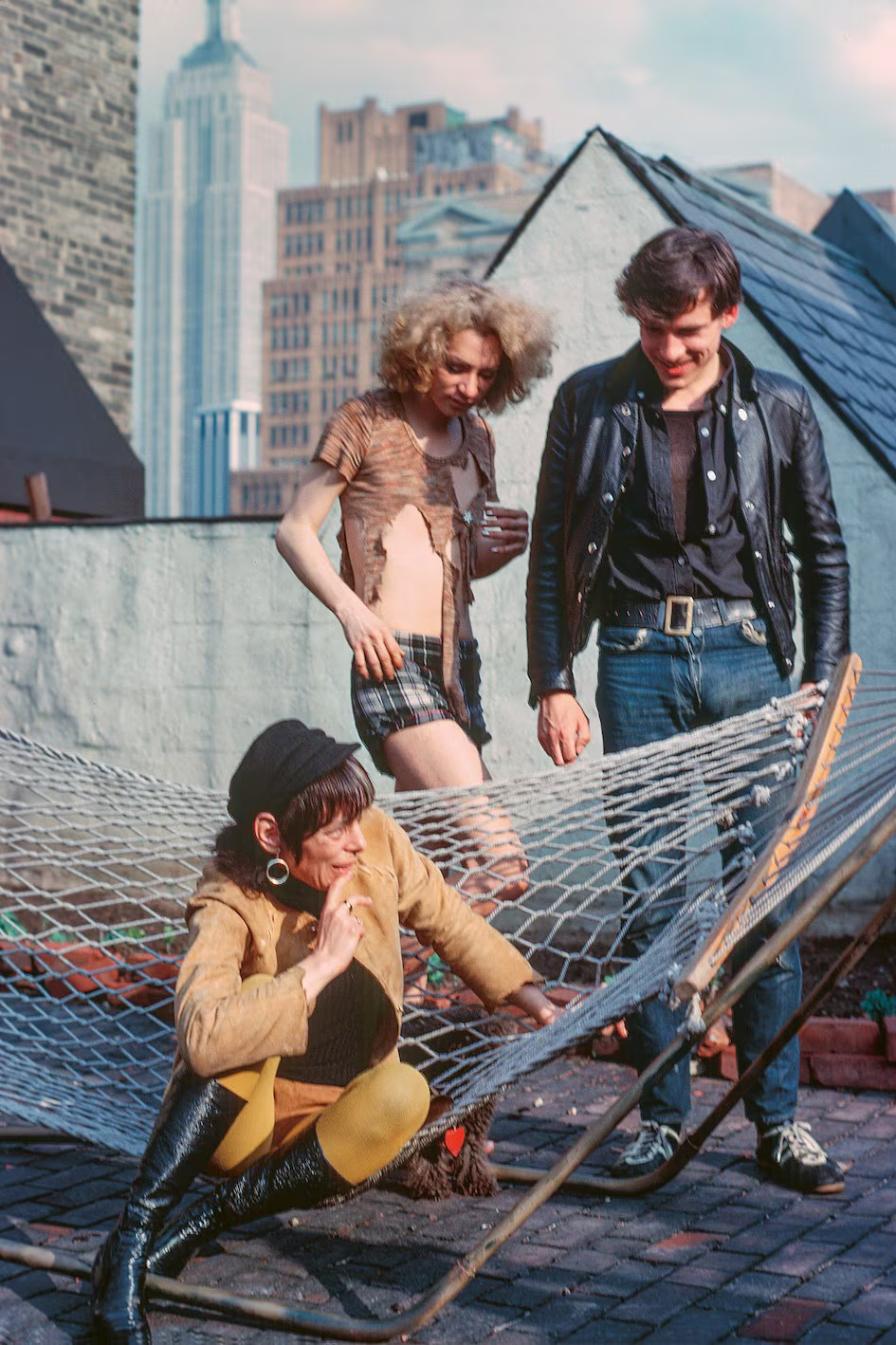

“I wanted to photograph people’s inner selves, which isn’t naturally possible. Though, in a certain way, I believe I found an approach: everyone’s room at the Chelsea was more or less their inner self.”
– Albert Scopin
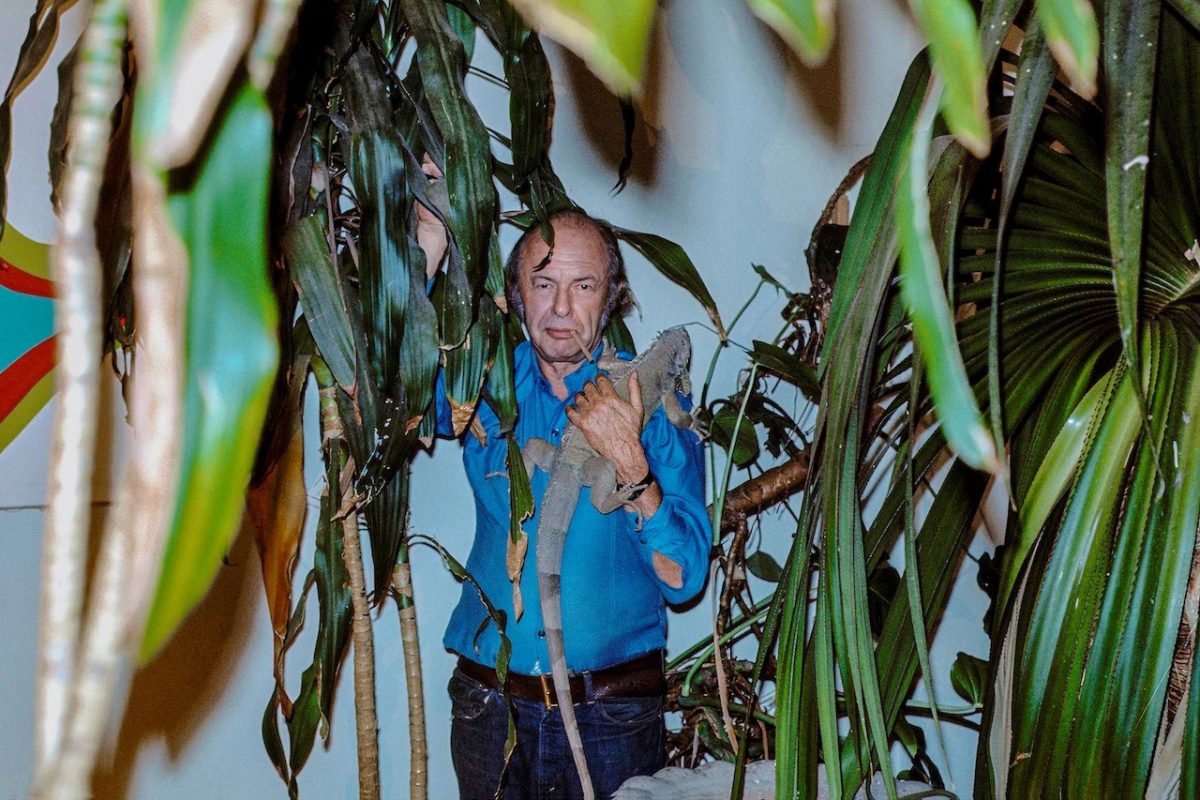
George Kleinsinger in his jungle-themed room
“I was very lucky to see these very strange, expressive rooms. They were on the upper floors, from the eighth to the twelfth, and were absolutely mind-blowing – different worlds from door to door. You’d meet the people in the elevator, talk to them, and sometimes they’d just invite you to come in…
“George Kleinsinger was a musician who was totally into animals; his room was a jungle. Another room was totally empty and white, containing only the silver helium cushions from Warhol and nothing else. It was very extreme.”
– Albert Scopin
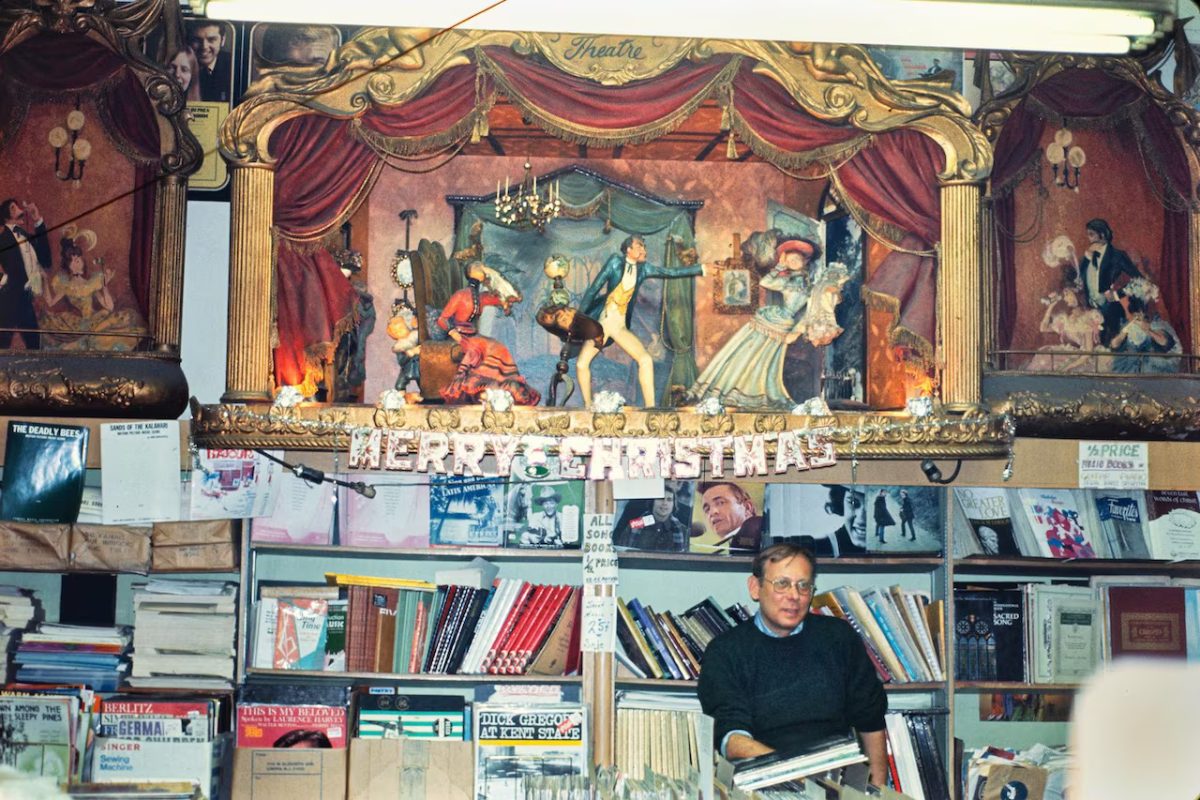
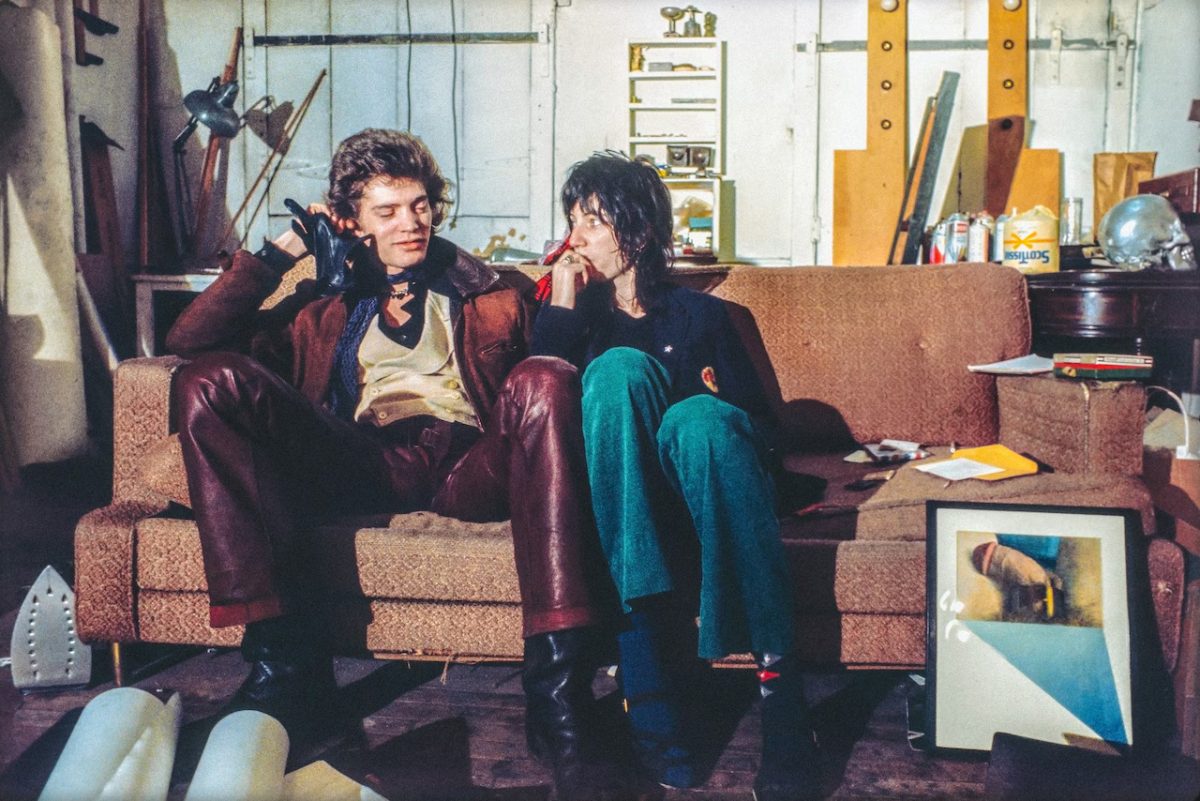
Patti Smith and Robert Mapplethorpe
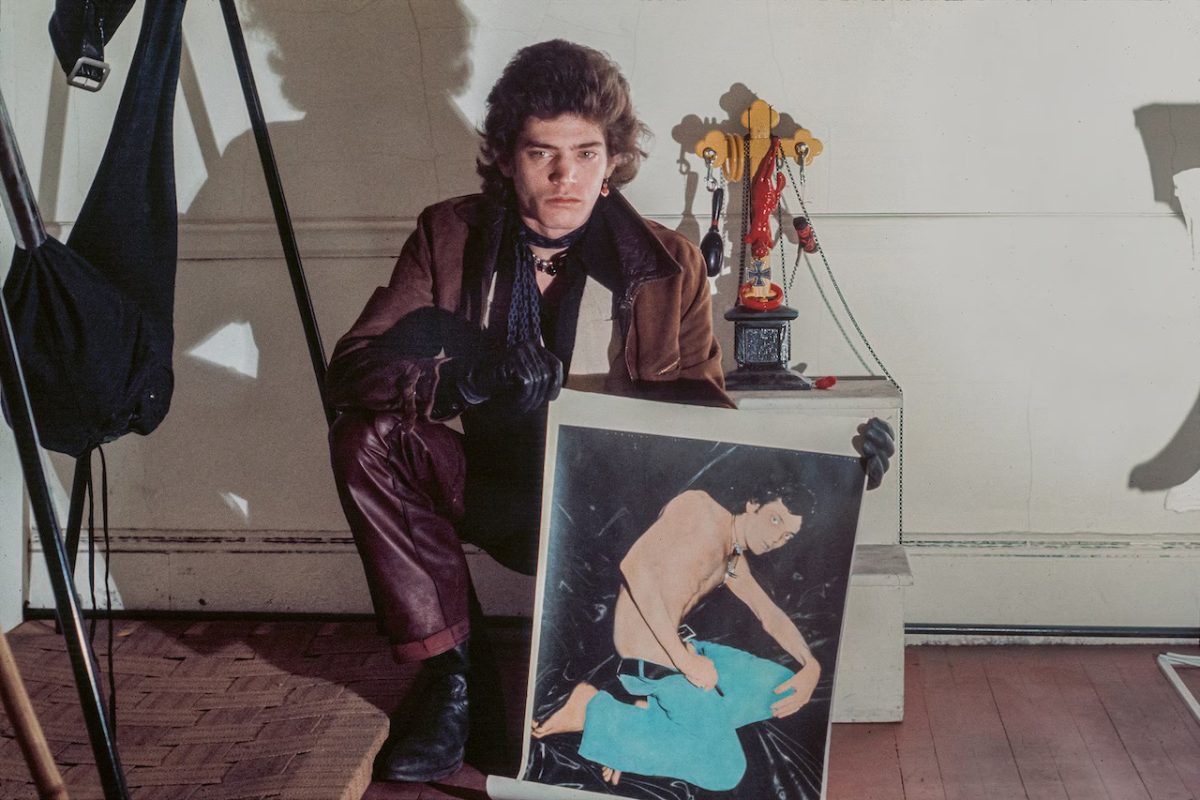
“I met Patti and Robert Mapplethorpe at a nude photoshoot in Bill King’s studio when I was working as his assistant,” says Albert. “At that time, in 1969 and 1970, Bill King,was doing those shoots almost daily, usually in the evenings after commercial studio production had stopped. Robert was visibly uncomfortable about those pictures but Patti was full of energy, the exact opposite of Robert. Her presence filled the studio. It seemed as if she could run up walls and along ceilings. That woman made a deep impression on Bill, and on me too.”
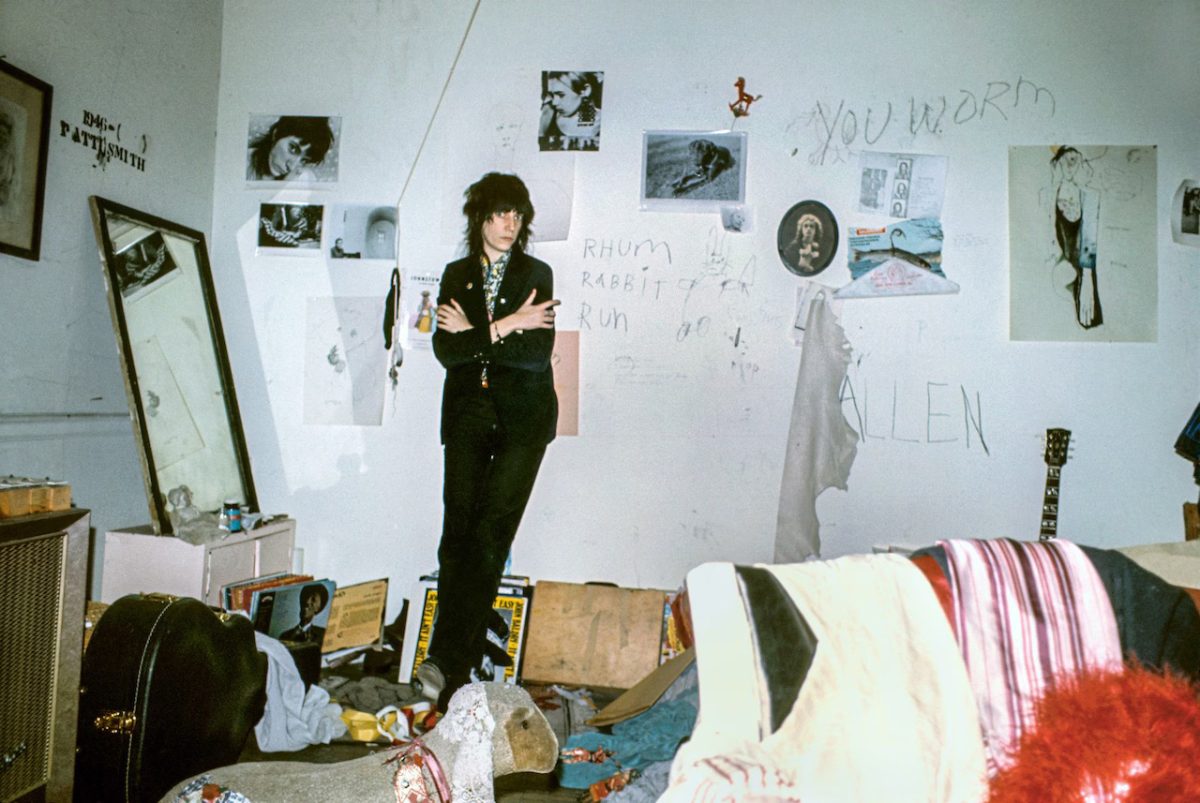
Patti Smith
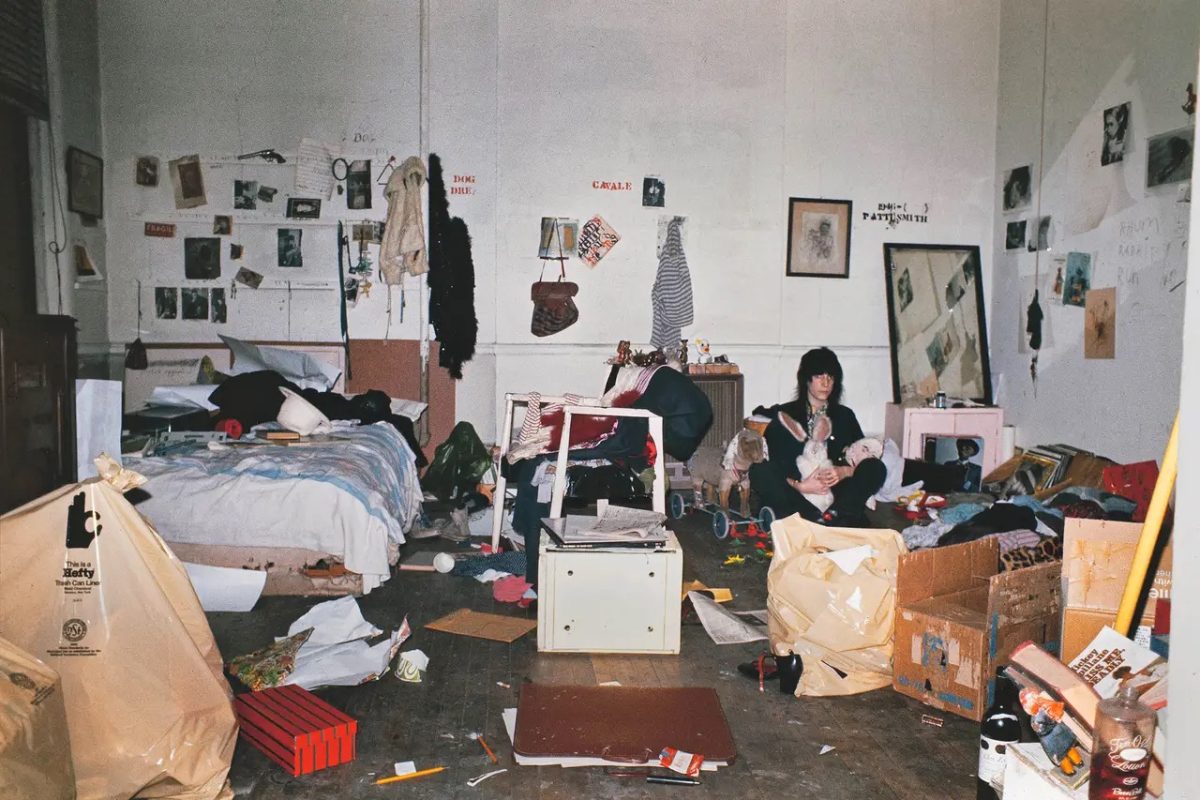
“Patti was focused in some ways but anarchic in others. Her room was the epitome of ‘creative’ chaos. Her husky voice gave you goosebumps, especially when she was reciting her own poems, which she did happily and often. It was obvious that Patti was on her way up, she wanted to go on stage, she wanted to be seen and heard. You could sense that success was not far away, that she would be famous one day.”
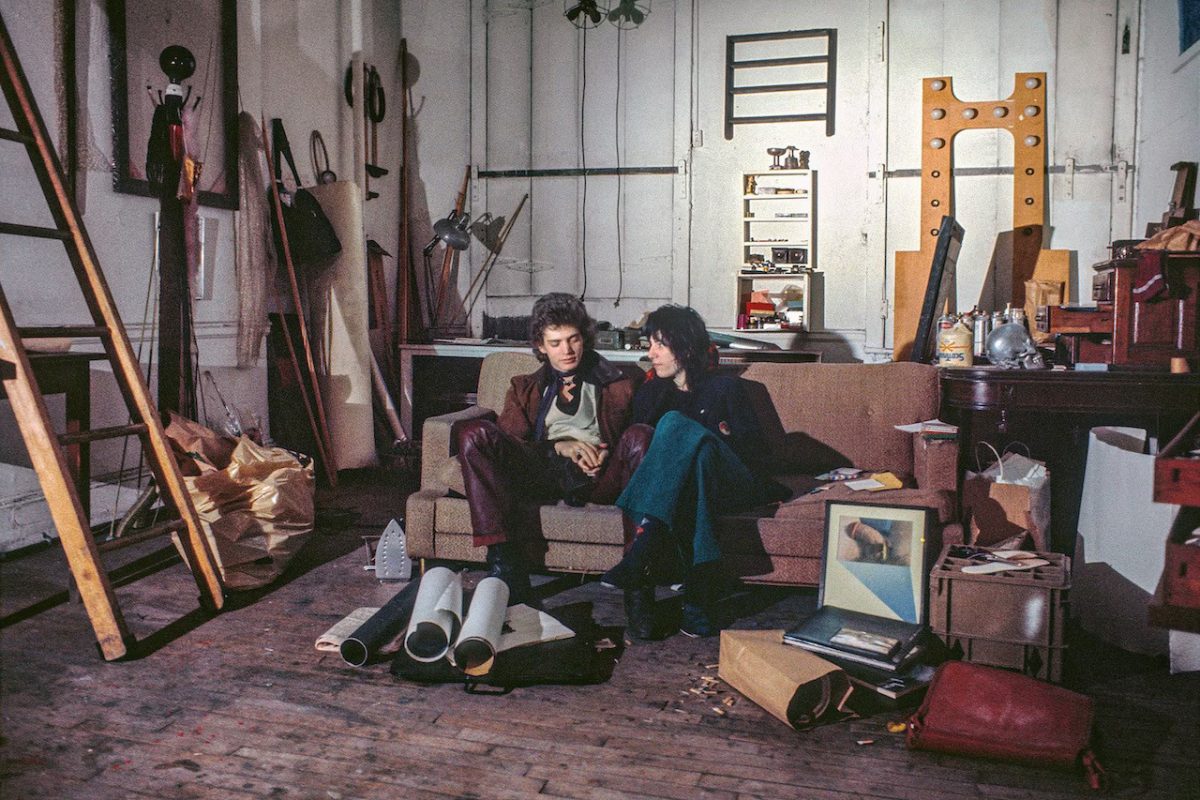
Robert Mappleforth and Pattie Smith
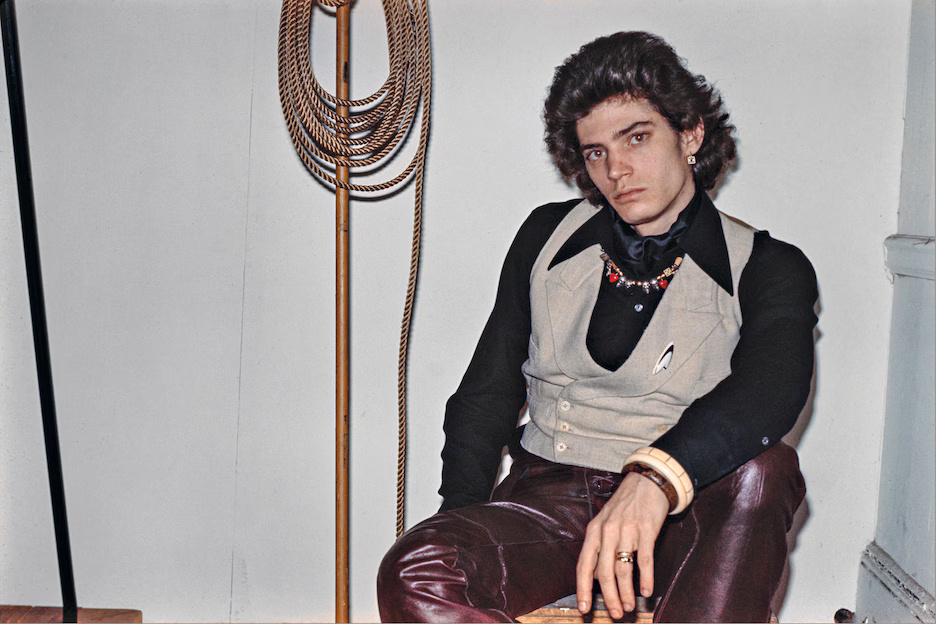
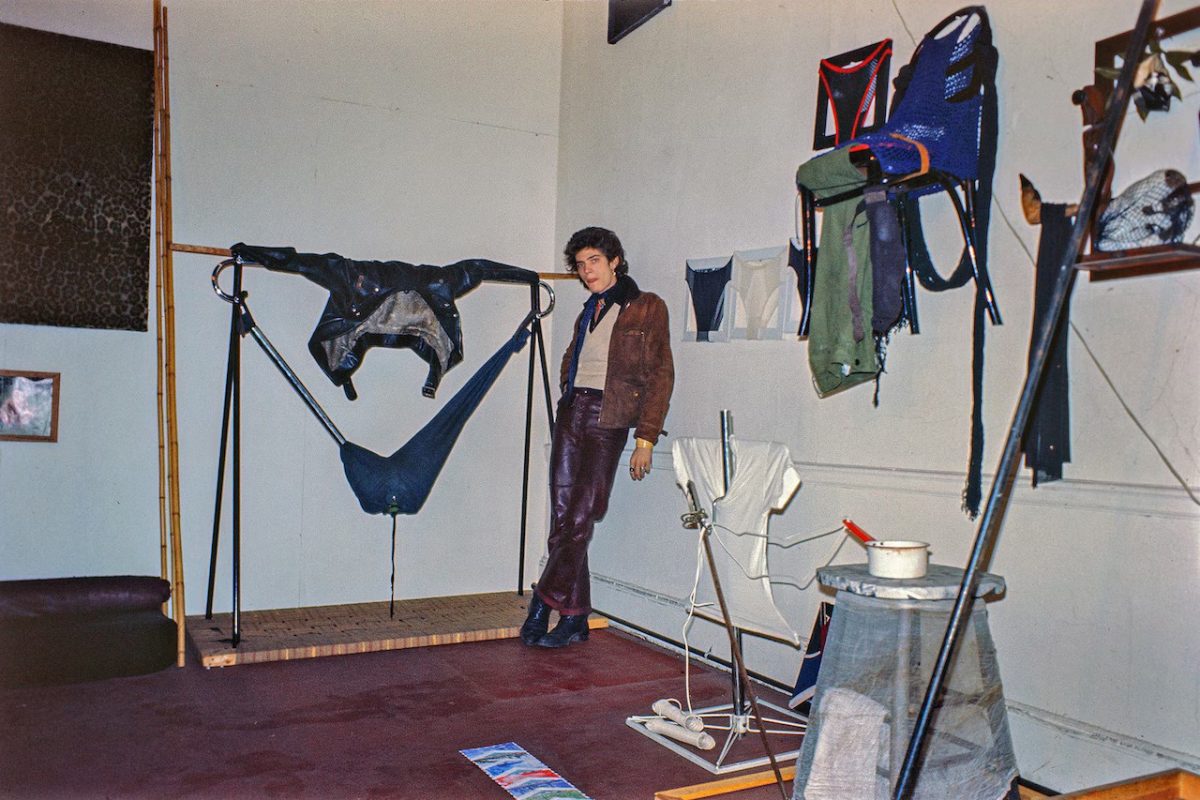
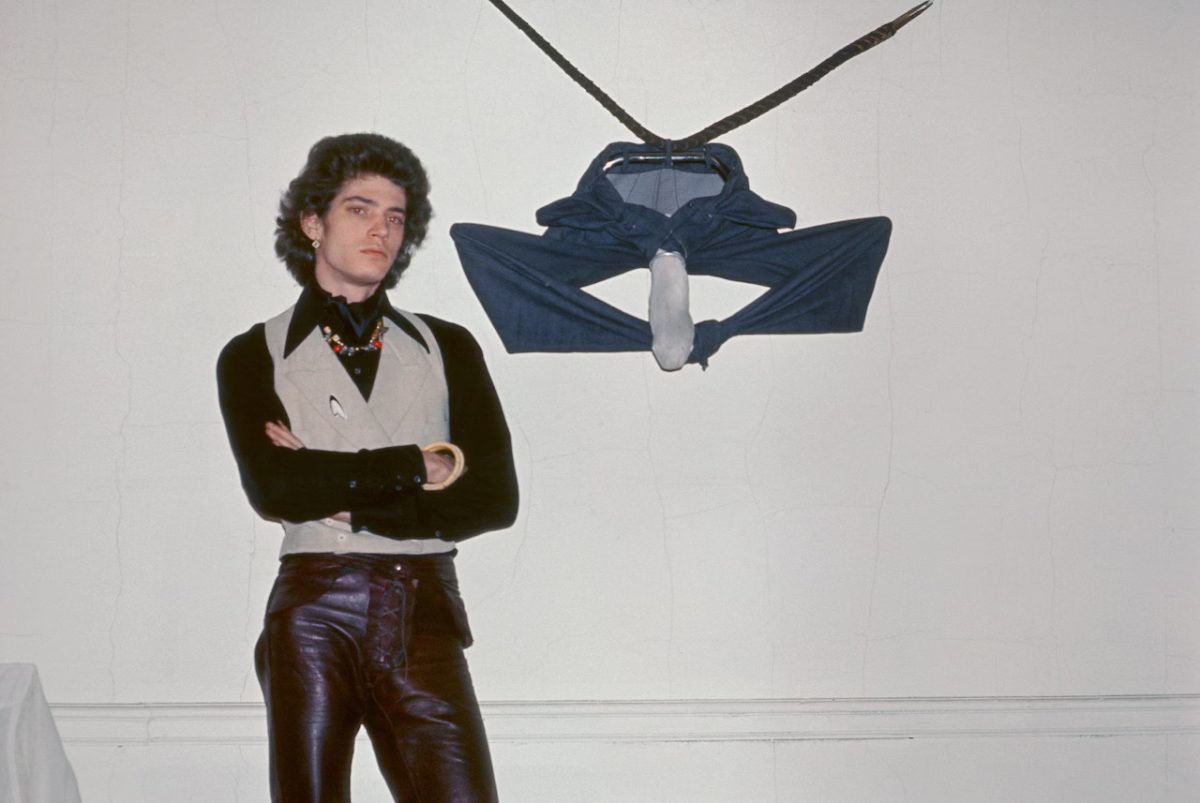
Robert Mapplethorpe in his studio
“Robert had his studio on the ground floor of the Chelsea annexe. The first time I visited him there in 1970 he was working on erotic collages that were fantastically bold. The next year he started experimenting with Polaroid material. Later he said of that experimental phase: ‘I began to understand that photography can be art.’”
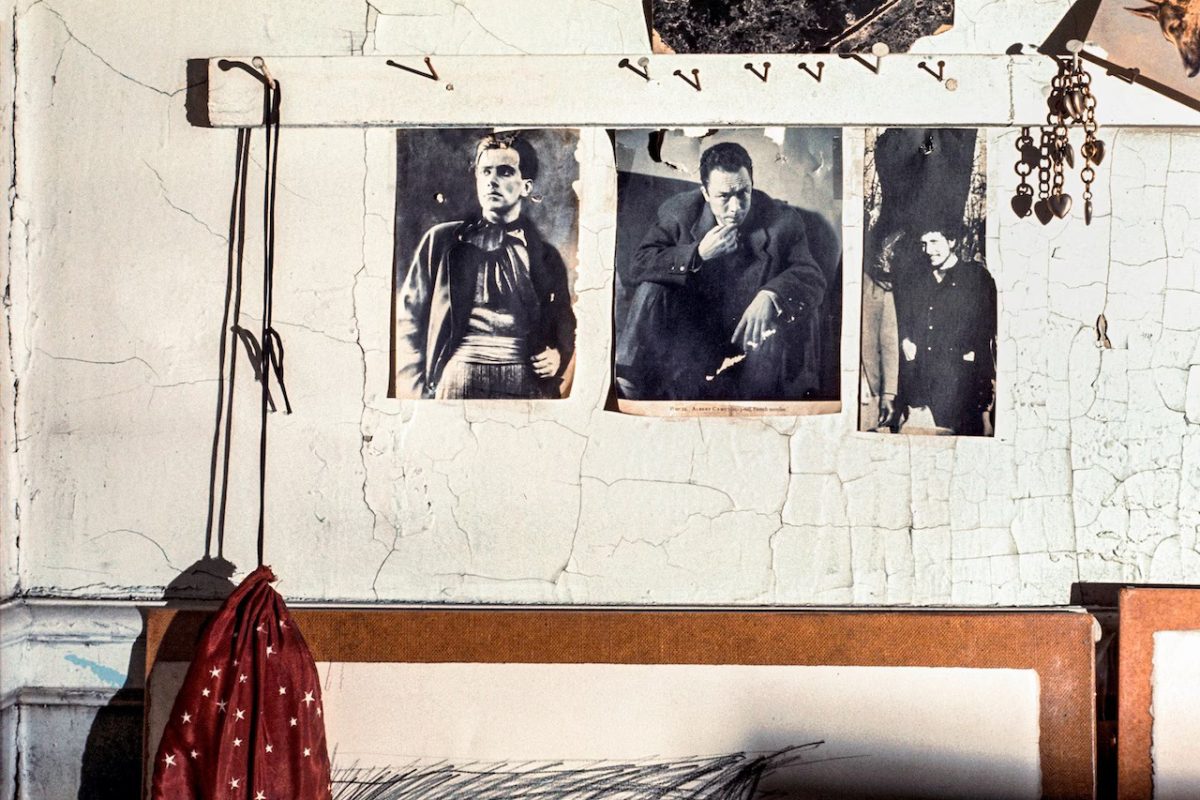
Patti Smith wall of fame
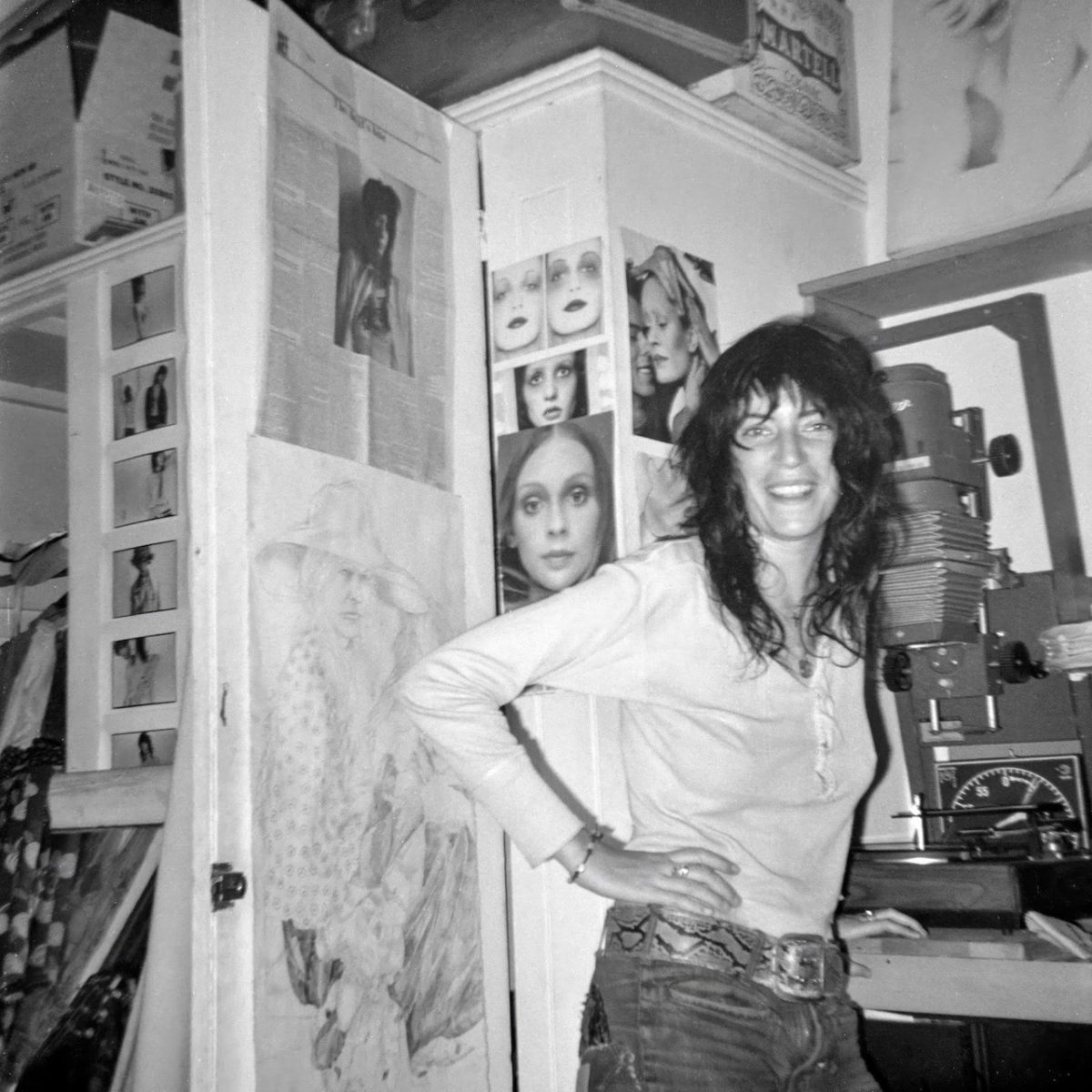
Patti Smith at home

Vali Myers
“It was wild in the sense that we were open to new ideas. Everybody believed in building up a new world. Naturally, some people experimented with drugs, but that wasn’t the basis. People worked seriously on projects; everybody thought that theirs was the best,” he laughs. “There were lots of little Andy Warhols around.”
– Albert Scopin
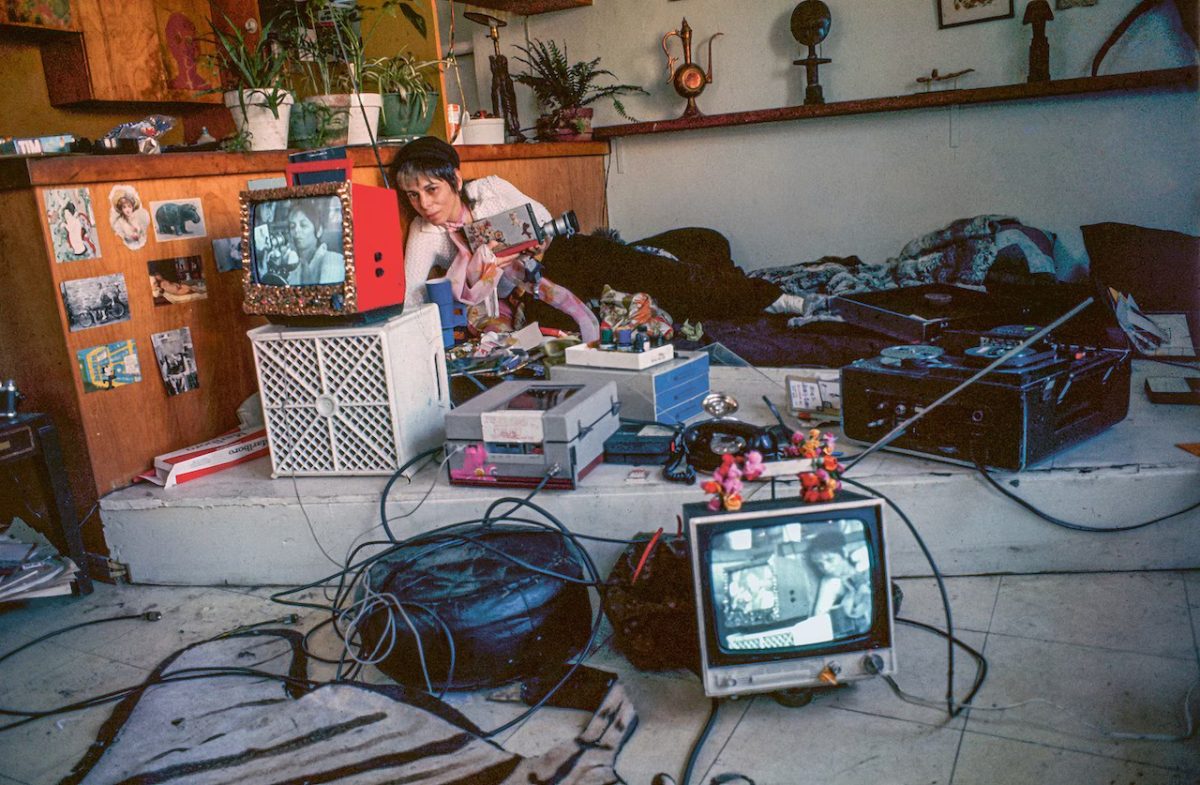
Shirley Clarke
“Everybody wanted to be recognised as a star. I also painted my camera yellow at the time, so nobody was afraid of it.”
– Albert Scopin
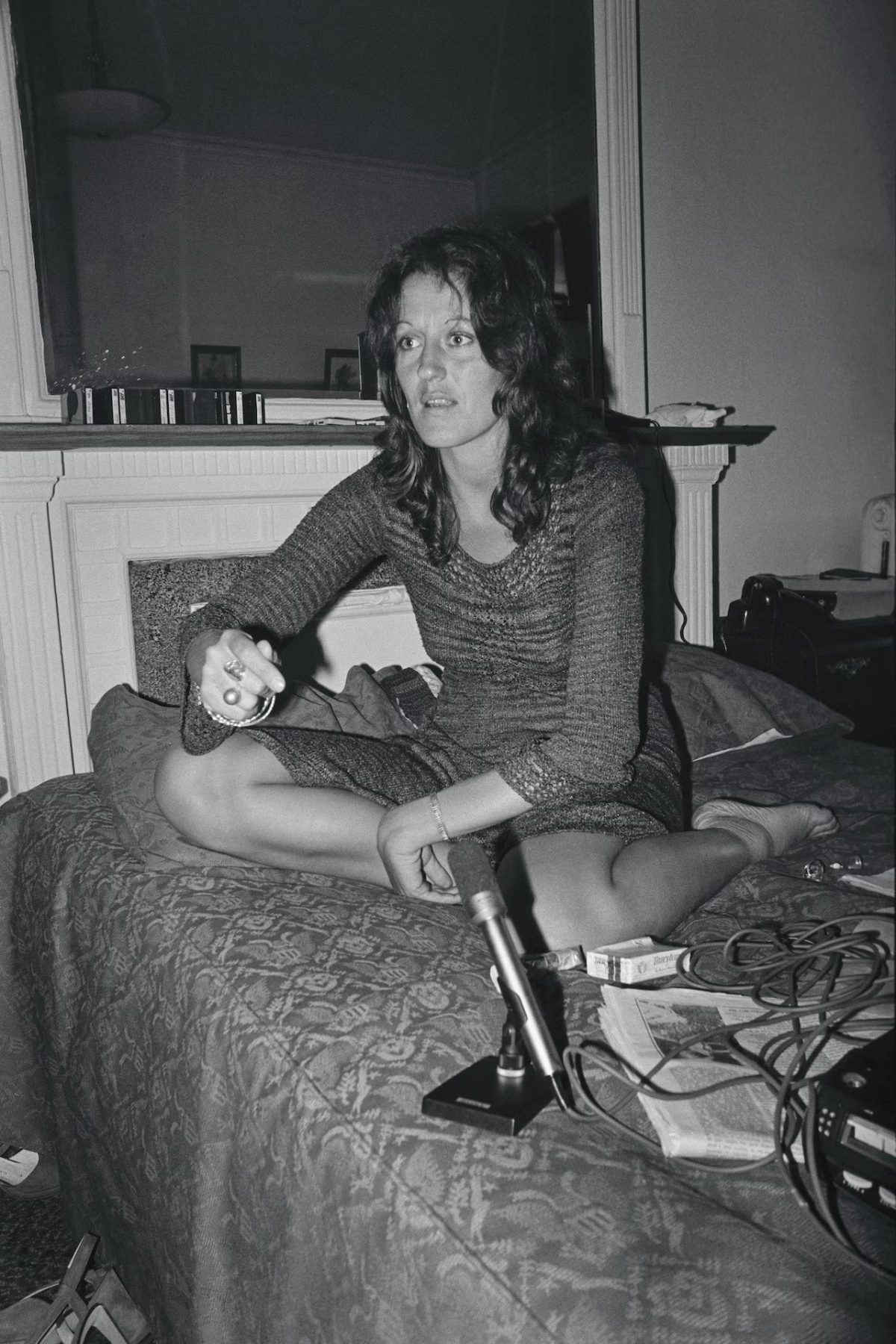
Germaine Greer
“When I wanted to photograph Germaine Greer, she flipped the gender roles. She told me she thought that if men wanted to talk to women, they had to sleep with them first.”
– Albert Scopin
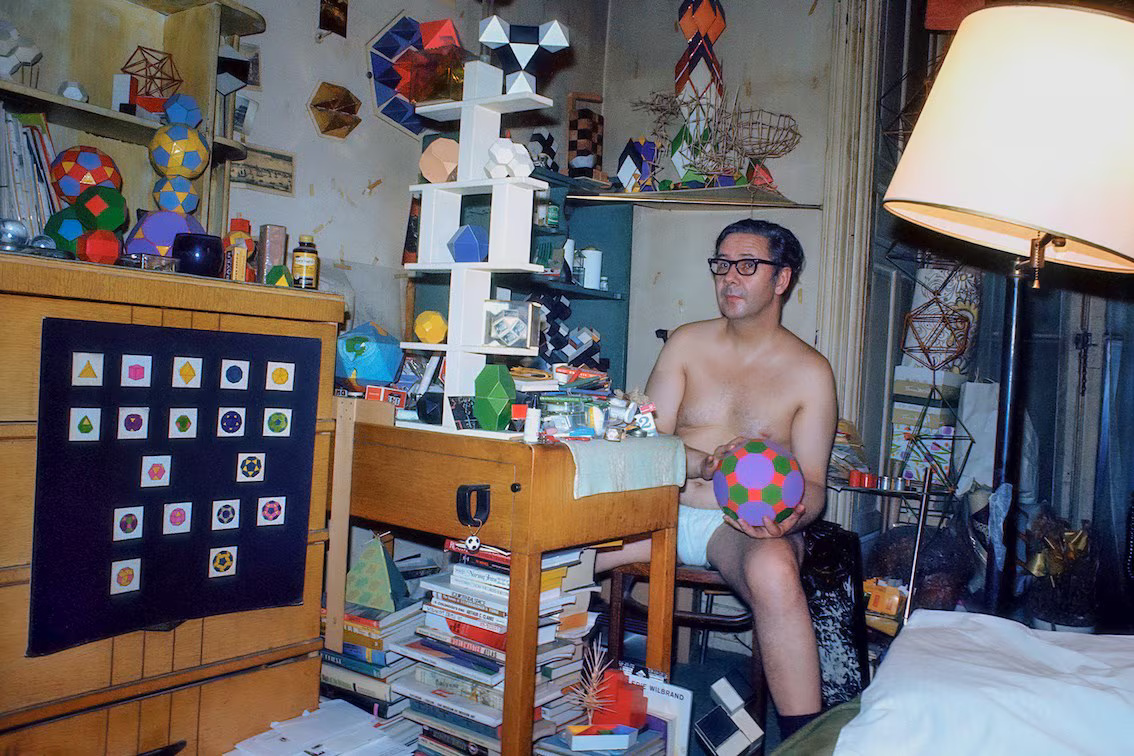
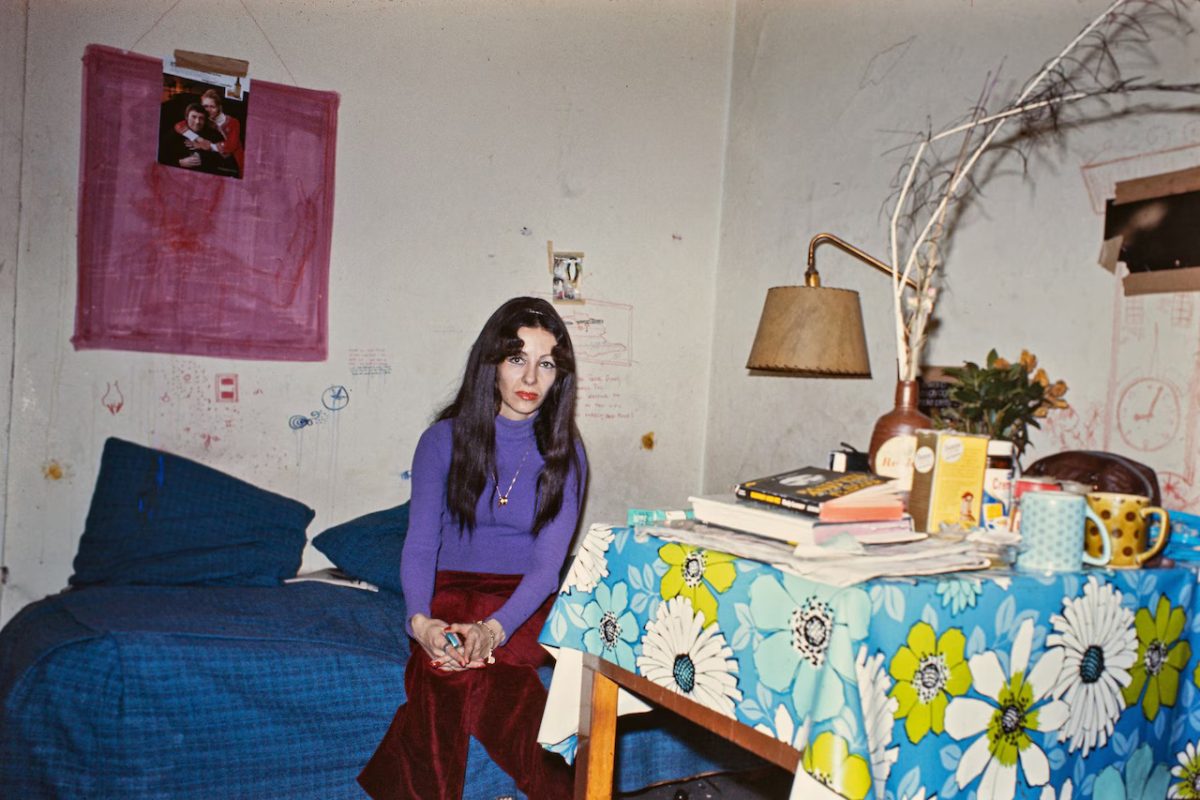
“Living at the Chelsea were the most formative days of my life. Even though it wasn’t easy, it was a very special time for me. I met so many fascinating people who confronted me with new ideas and lifestyle. My entire value system collapsed and had to be rebuilt. These people accepted me warts and all, I was one of them. In that atmosphere of acceptance, all the anxieties that had been drummed into me burnt to a cinder. I remember days when I was aglow inside, aglow and aflame. I felt boundlessly free, never again in my later years did I have an experience like it.”
– Albert Scopin
Order Scopin: Chelsea Hotel, published by Kerber Verlag.
Would you like to support Flashbak?
Please consider making a donation to our site. We don't want to rely on ads to bring you the best of visual culture. You can also support us by signing up to our Mailing List. And you can also follow us on Facebook, Instagram and Twitter. For great art and culture delivered to your door, visit our shop.