“We looked relatively sober and in control”
– Sophie Rickett on Pissing Women, 1995
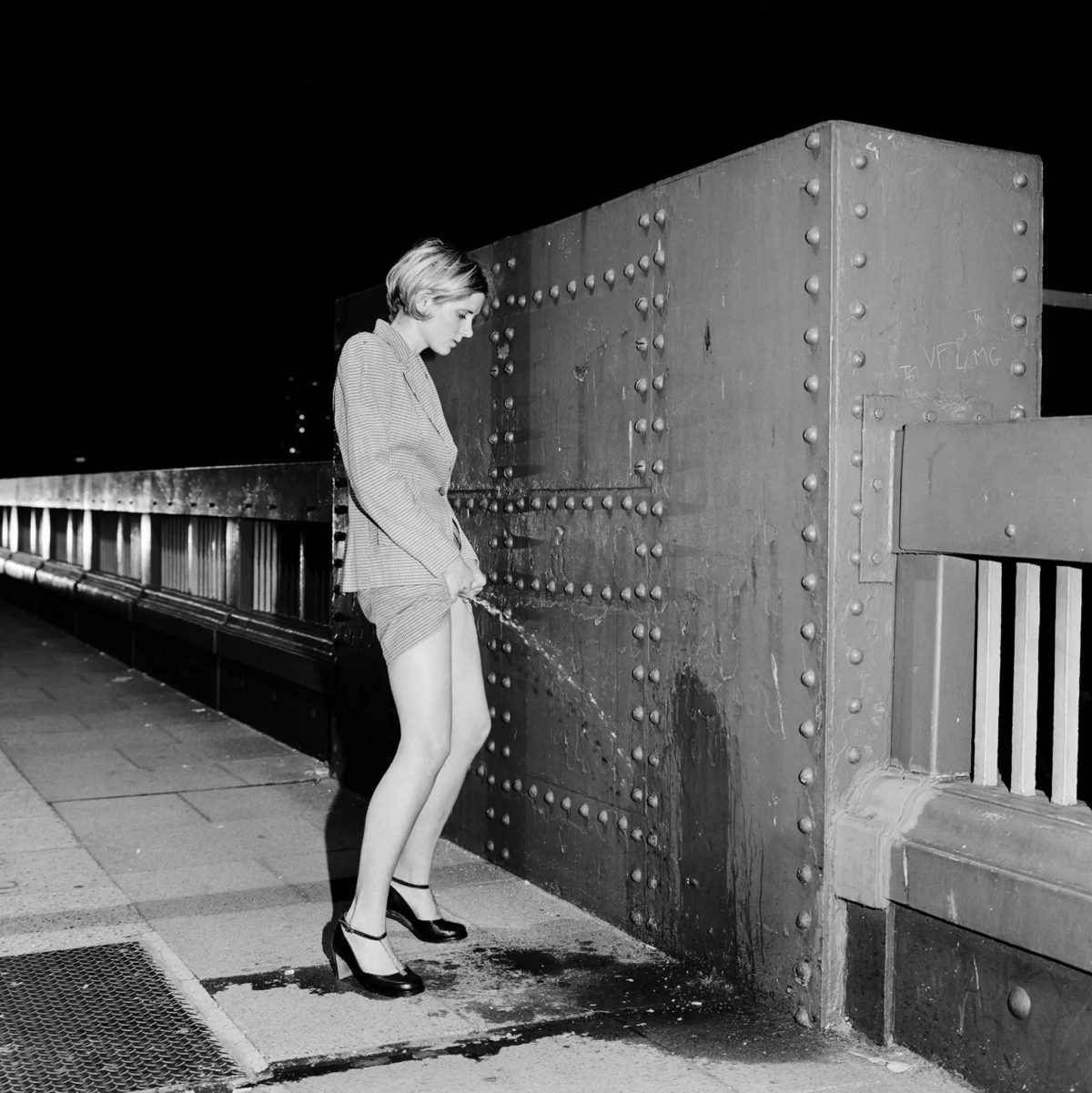
In Pissing Women, Sophie Rickett photographed women taking a leak standing up on the streets of London in 1995. The women, dressed in business attire, mark their territory on the walls of buildings and off bridges.
Pissing Women began when Rickett had graduated art school and took a temping job at the Financial Times. Through the newspaper office’s floor-to-ceiling windows, she could see views of the City of London across the river. She realised that she had crossed over one of the City invisible lines. Seeking a way to get meaning and creativity from her day job, and understand her “own complicity within the system”, she looked around.
This conditioning became clear when Rickett was at the Glastonbury Festival in 1994, when the then 23-year-old artist saw women and men pissing in public. “Men seem so carefree; they do it in the open while we have to perform it in private,” she says. But for women, “it feels unsettling and provocative.”
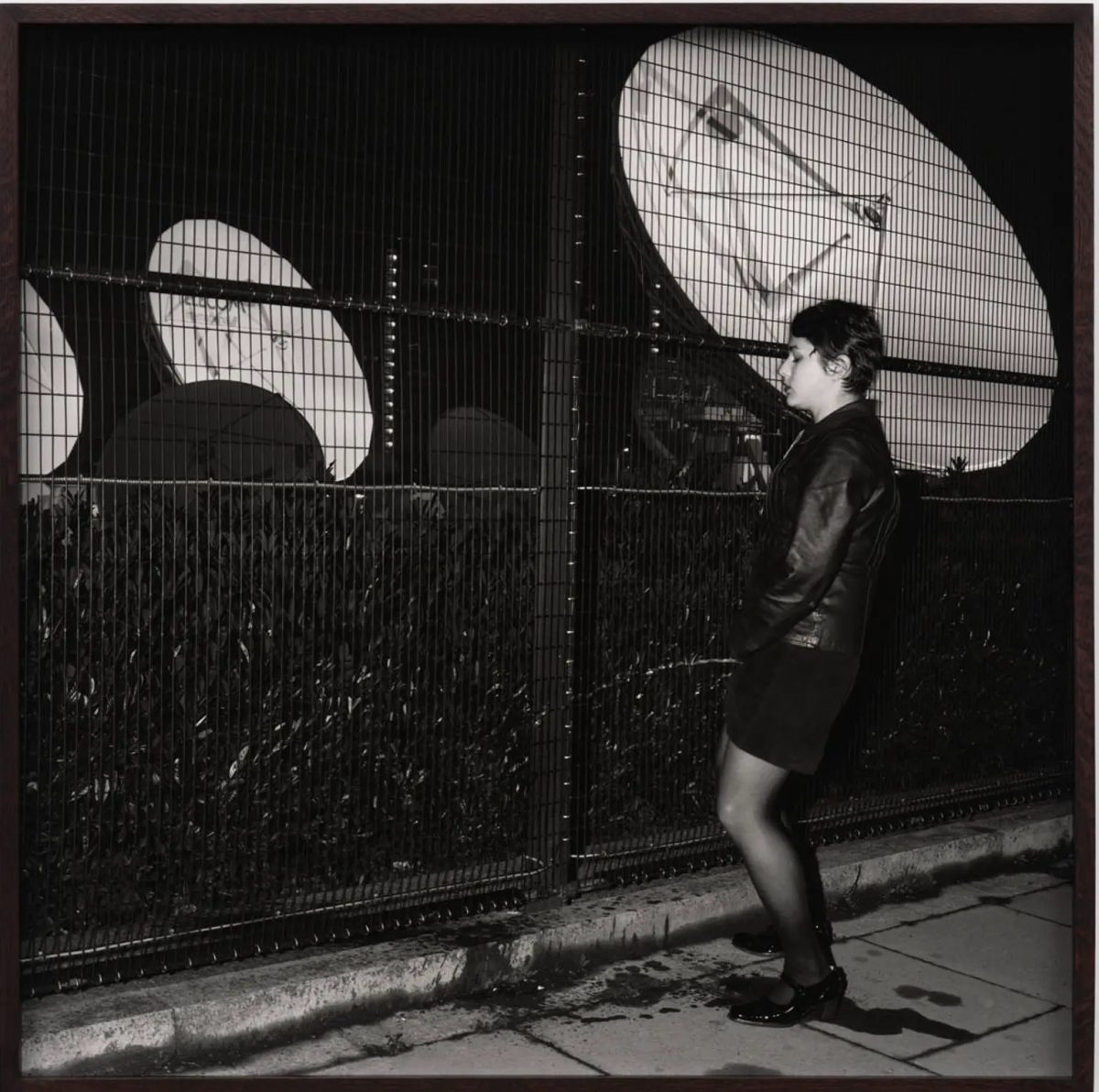
“It was exhilarating, risky, and often absurdly funny. After work, we would head out into the city at night with our cameras, tripods and flashguns, probably more conspicuous than we ever realised. Location scouting often took far longer than the shoots themselves, as we searched for sites that carried symbolic weight that related to finance, communication, and security. Once we began, a sense of jeopardy set in, the possibility of being spotted, challenged, or confronted by passersby or security guards, which, inevitably, at times, we were.”
– Sophie Rickett
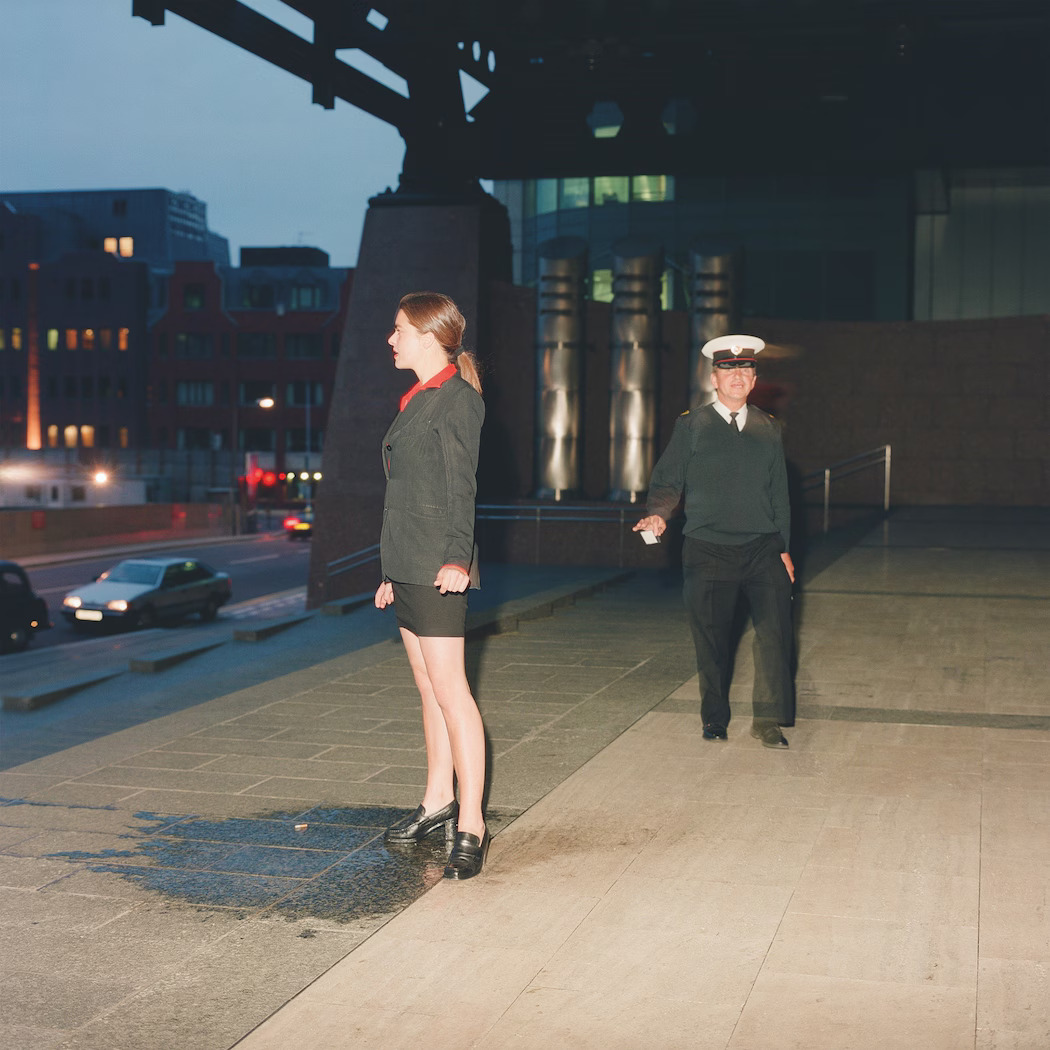
“At art school, I probably would have said [the guiding principle of Pissing Women was] something about exposing and destabilising codes of behaviour that have such a conditioning and disciplining effect on women in public space, especially in corporate environments,. But at the time, it was more about articulating my own experience as a recent graduate, encountering the world of corporate finance and news media at such close proximity. It was like a reckoning with the reality of my day job – trying to make it creatively productive, not just financially so. To be ‘feminine’ is to be disciplined, restrained. I wanted to see what happened when those boundaries were tested.”
– Sophie Rickett
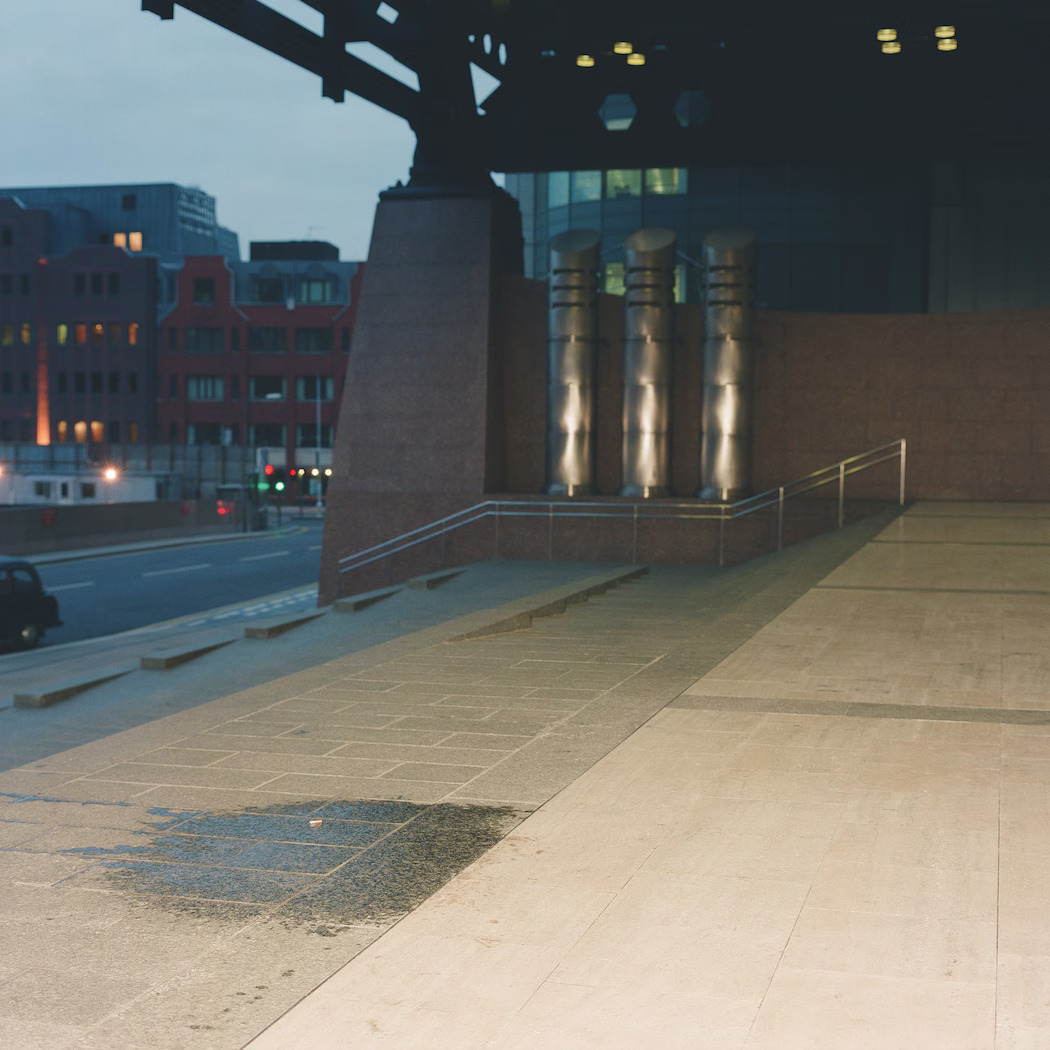

“Post-Thatcher, gender norms were still quite rigid, especially in the City. Seeing women pissing in public while dressed as workers unsettled those codes of behaviour in a direct and literal way that still feels confronting.”
– Sophy Rickett
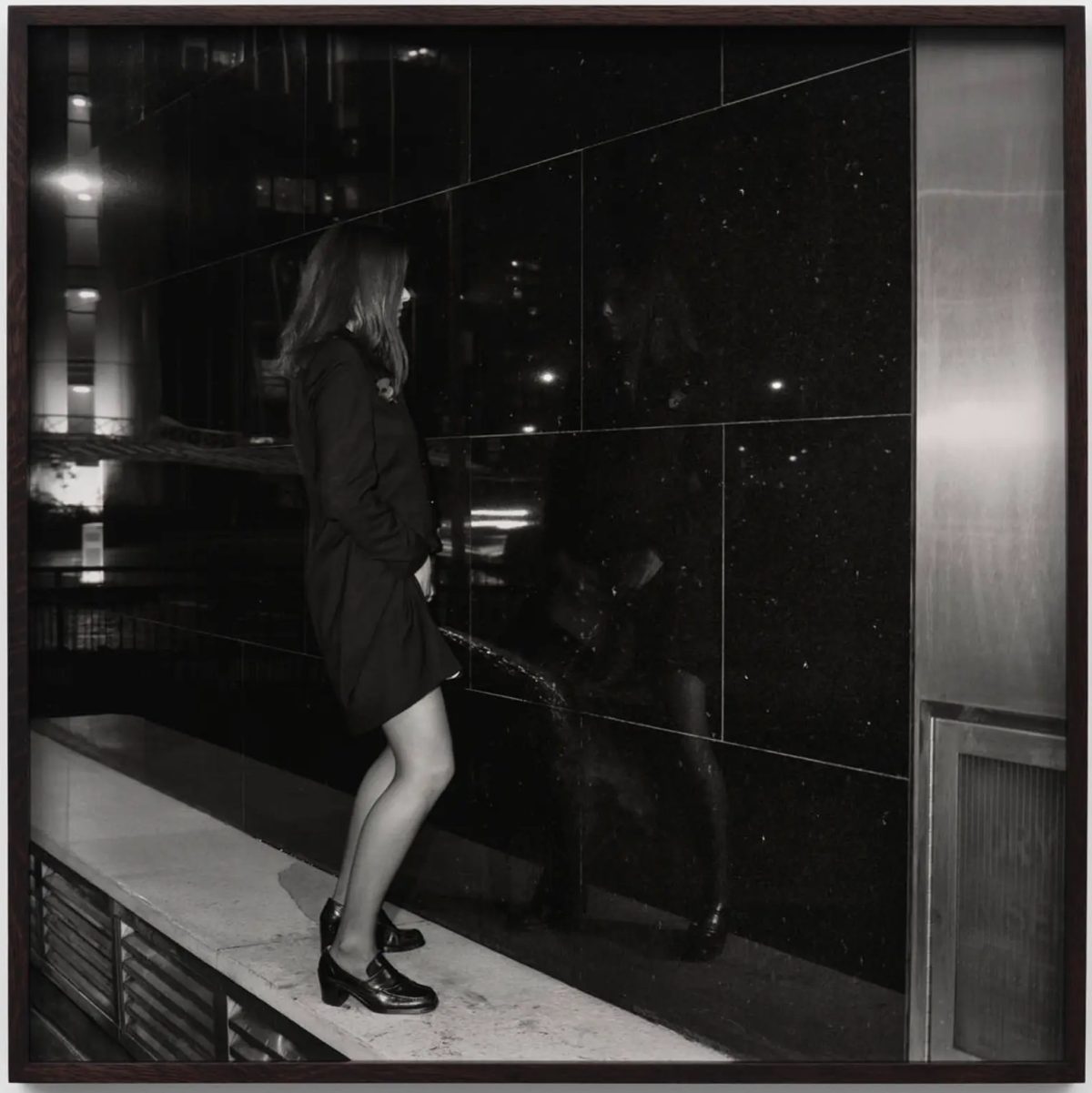
“When the series first circulated and began appearing on porn and fetish websites, I had a strange double reaction,” she says. “It was confronting, even violating, to see my work co-opted into a completely different context. That’s one of the striking things about photography: the multiple ways a subject can be deployed, put to use. At the same time, it reveals a wider and deeply problematic truth about how quickly female and queer bodies are funnelled into frameworks of sexualisation and consumption, regardless of intention. That dynamic is precisely what the work seeks to challenge.”
– Sophie Rickett
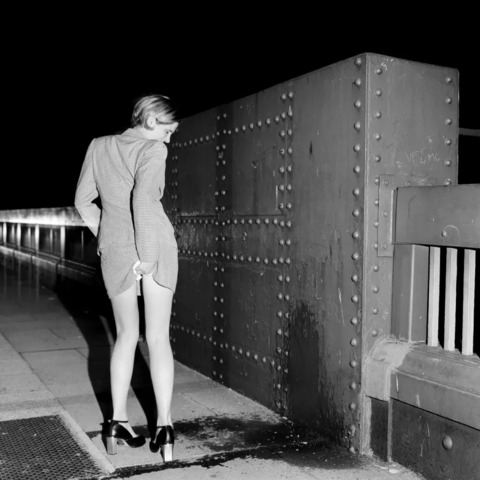

Via: anOther and Vie Projects. Sophy Rickett’s Pissing Women is published by Cheerio.
Would you like to support Flashbak?
Please consider making a donation to our site. We don't want to rely on ads to bring you the best of visual culture. You can also support us by signing up to our Mailing List. And you can also follow us on Facebook, Instagram and Twitter. For great art and culture delivered to your door, visit our shop.