“God forbid that I should do this thing and flee away from them… let us die manfully let us not stain our honour” – Maccabbees, quoted in Shadow Land, or Light From the Other Side, 1897
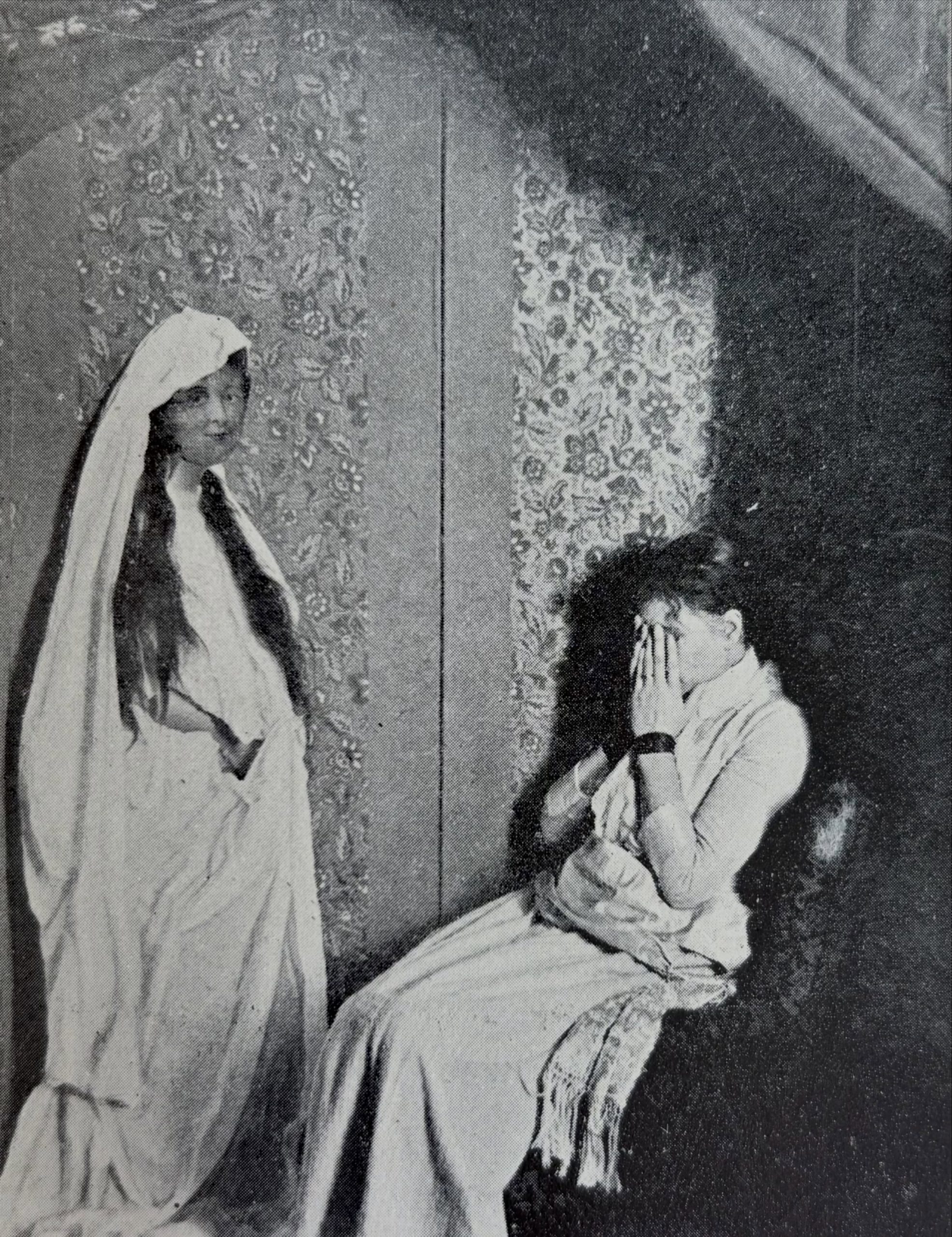
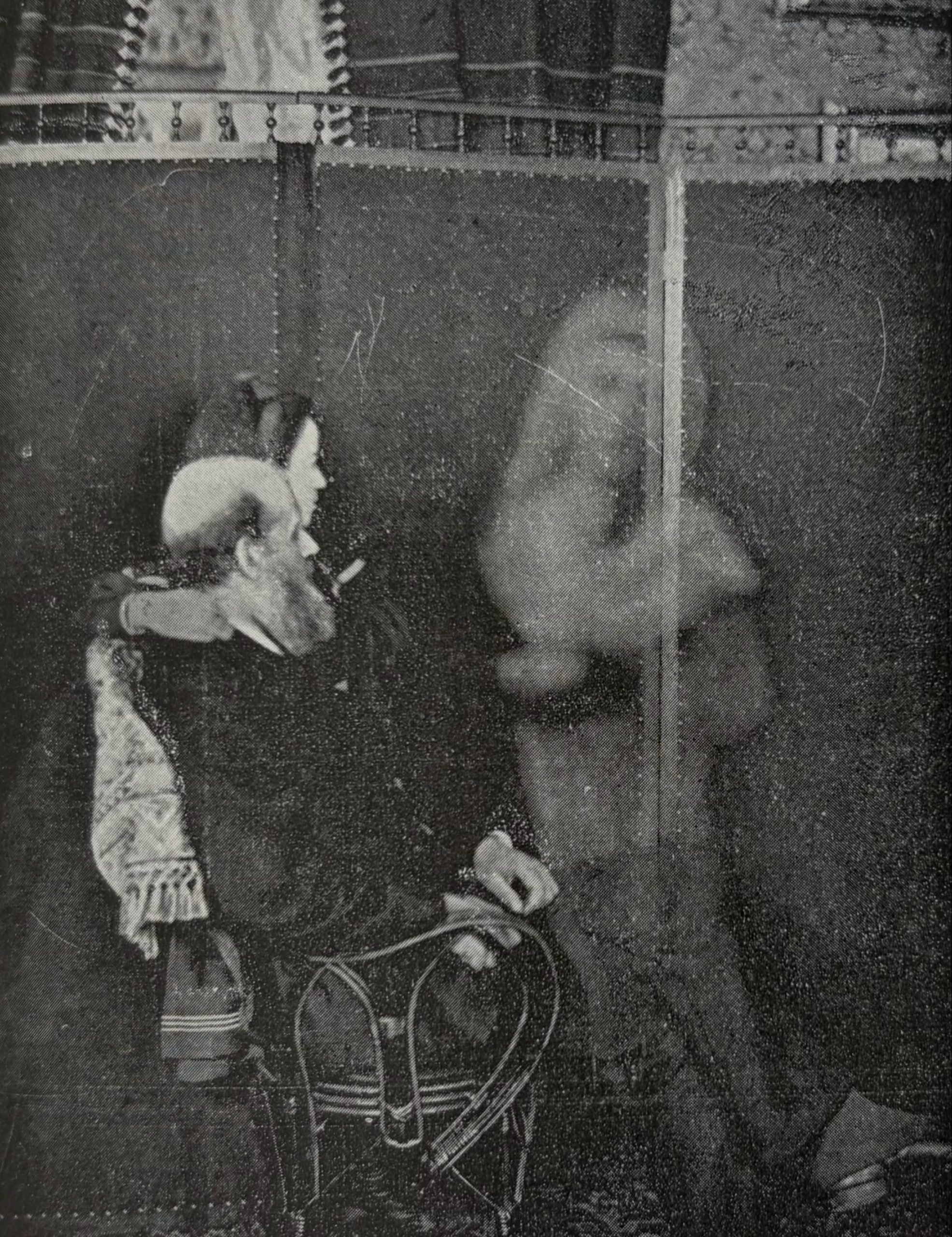
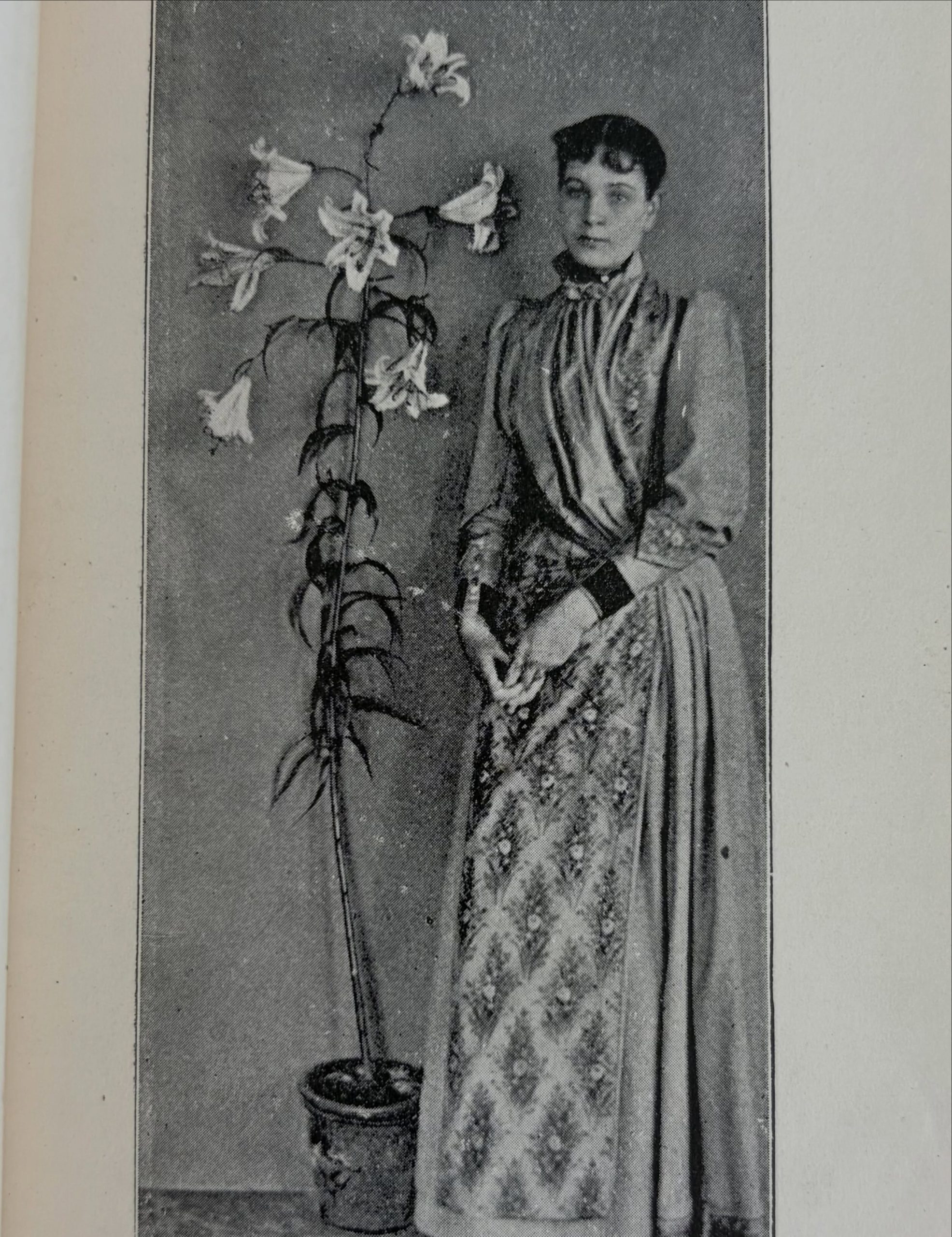
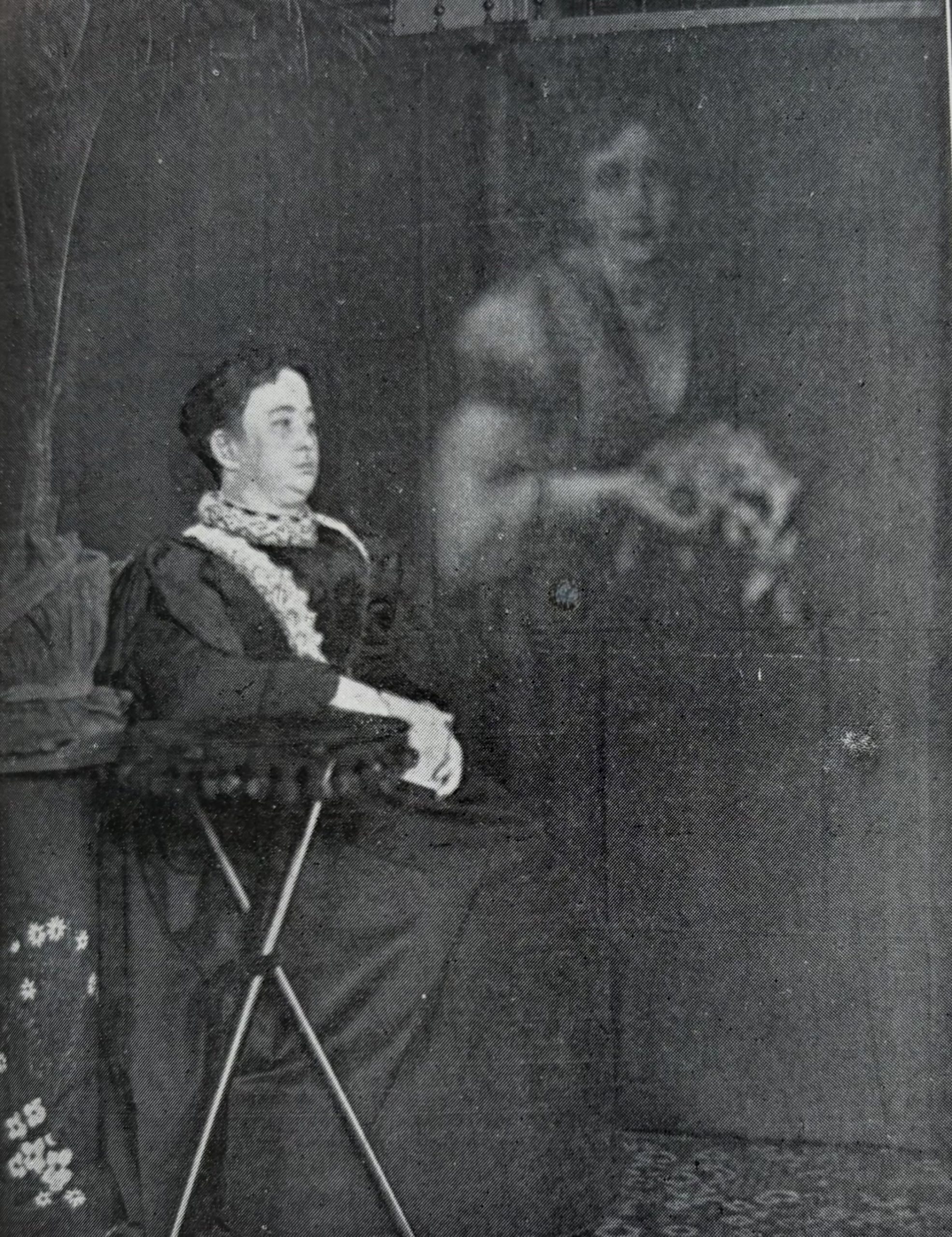
Madame Elizabeth Hope d’Esperance was a physical medium and spiritualist, well-known for her materialised forms which bereaved sitters often recognised as their dead relatives.
In her acclaimed biographical account, Shadow Land, or Light From the Other Side, we find a particular focus on her activities, first in Newcastle, England, and then in Gothenburg, Sweden. The book describes how she developed her psychic abilities, the experiments she performed with psychical researchers and her circle.
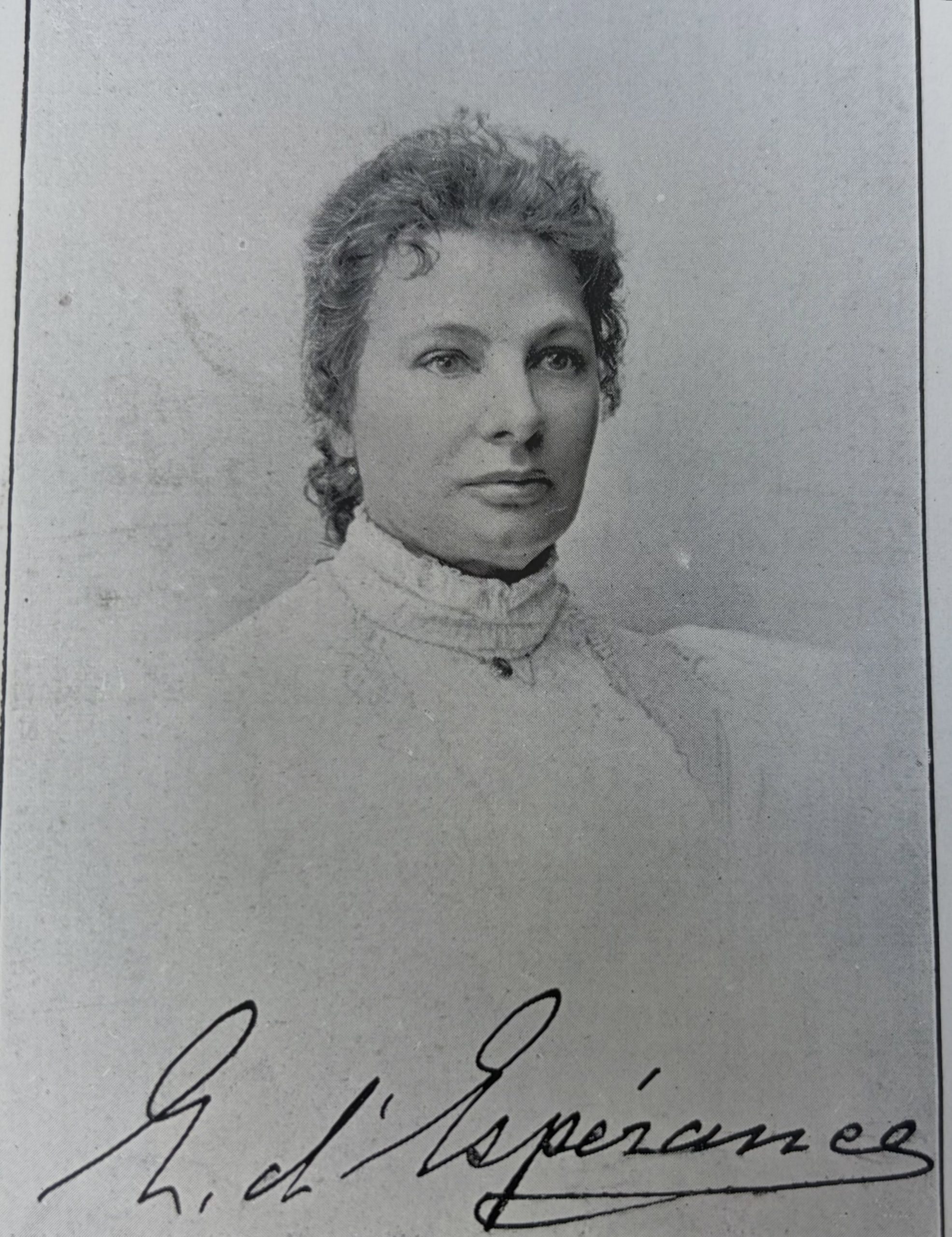
Born Elizabeth Jane Puttock (20 November 1848 – 20 July 1919), she grew up in London. Elizabeth claimed to have lived a rather lonely childhood in a haunted mansion with many empty rooms she liked to explore. She claimed to have experienced psychic visions by what she called ‘Shadow People’.
Elizabeth discovered spiritualism in the early 1870s in the form of mediumistic powers including automatic writing, ectoplasm, premonitions and table-turning. She married a Mr. Reed and move to Newcastle when she became Mme. d’Esperance. Under that name, she began travelling through Europe, giving séances in Denmark, France, Norway, Belgium, Sweden and Germany. She gained notoriety for performances in which she seemed to materialise flowers and spirits in the séance room.
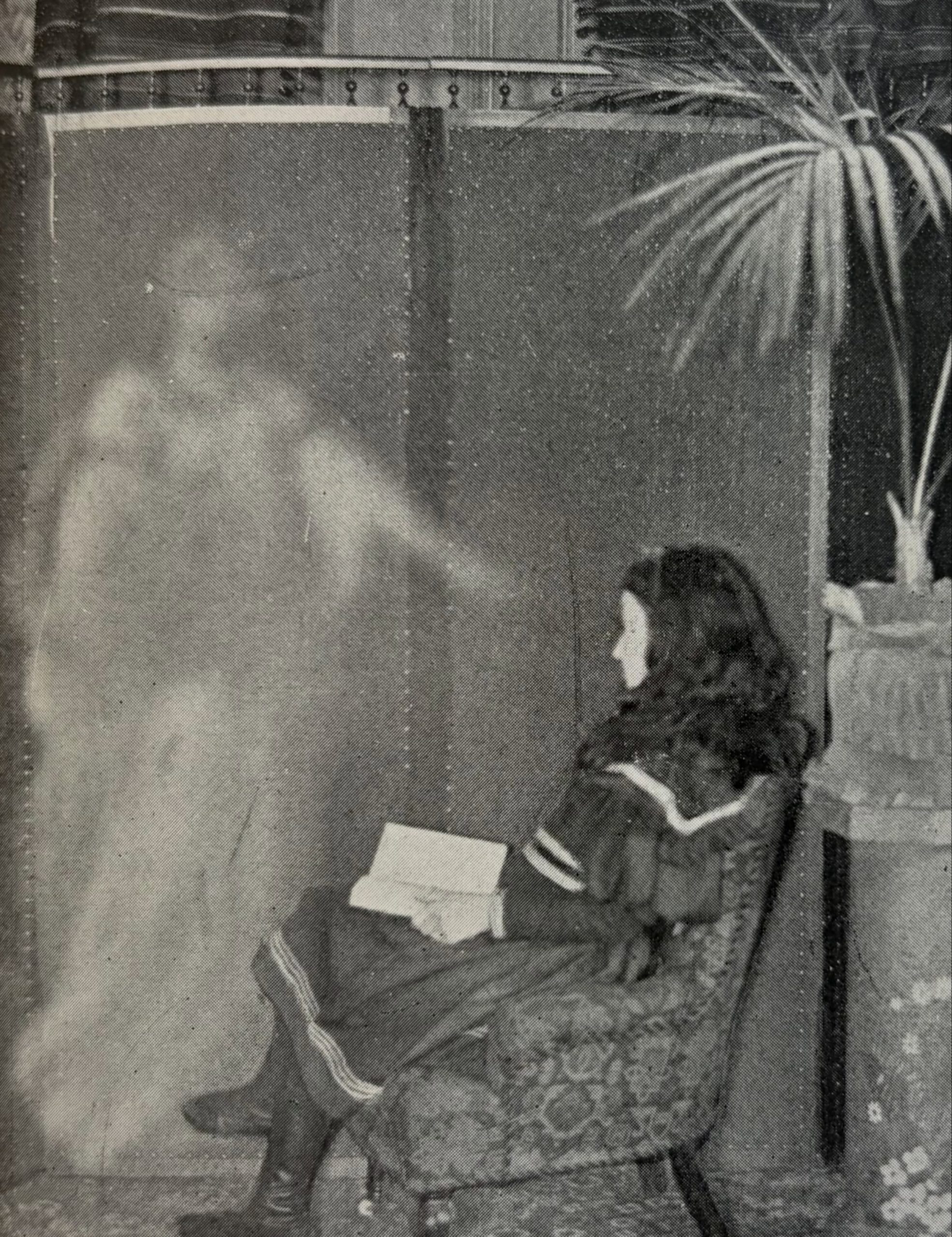
Come in Yohlande
It was a career not without controversy.
In 1880, where during a séance a spirit named ‘Yohlande’ appeared, a sitter grabbed it. As M. Lamar Keene wrote in his book The Psychic Mafia:
“Madame D’Esperance, was exposed- – literally. Ectoplasm grabbed in the dark by a sitter turned out to be the medium in total dishabille. After that embarrassing interlude, Madame D’Esperance apparently became more careful since she wasn’t busted again for thirteen years.”
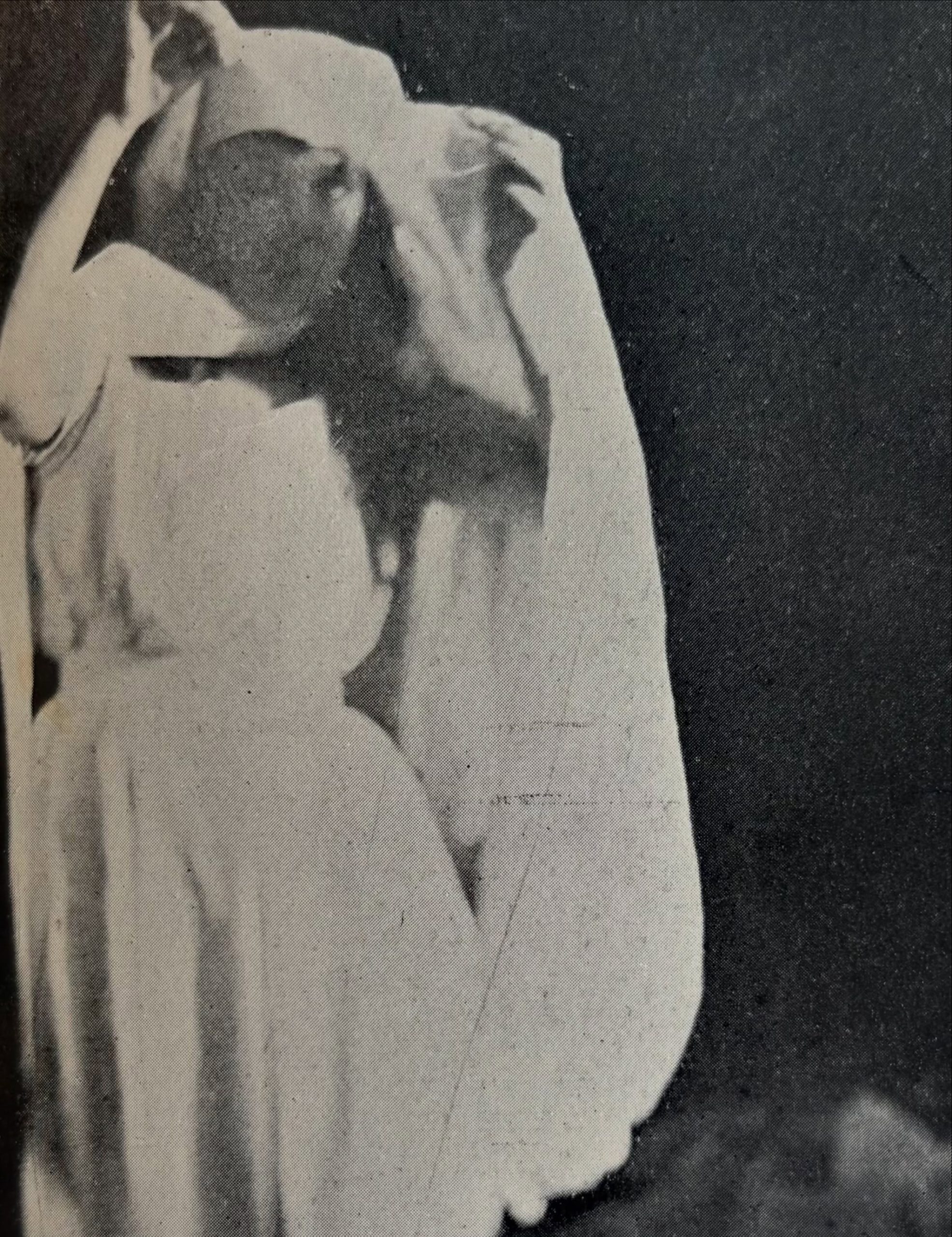

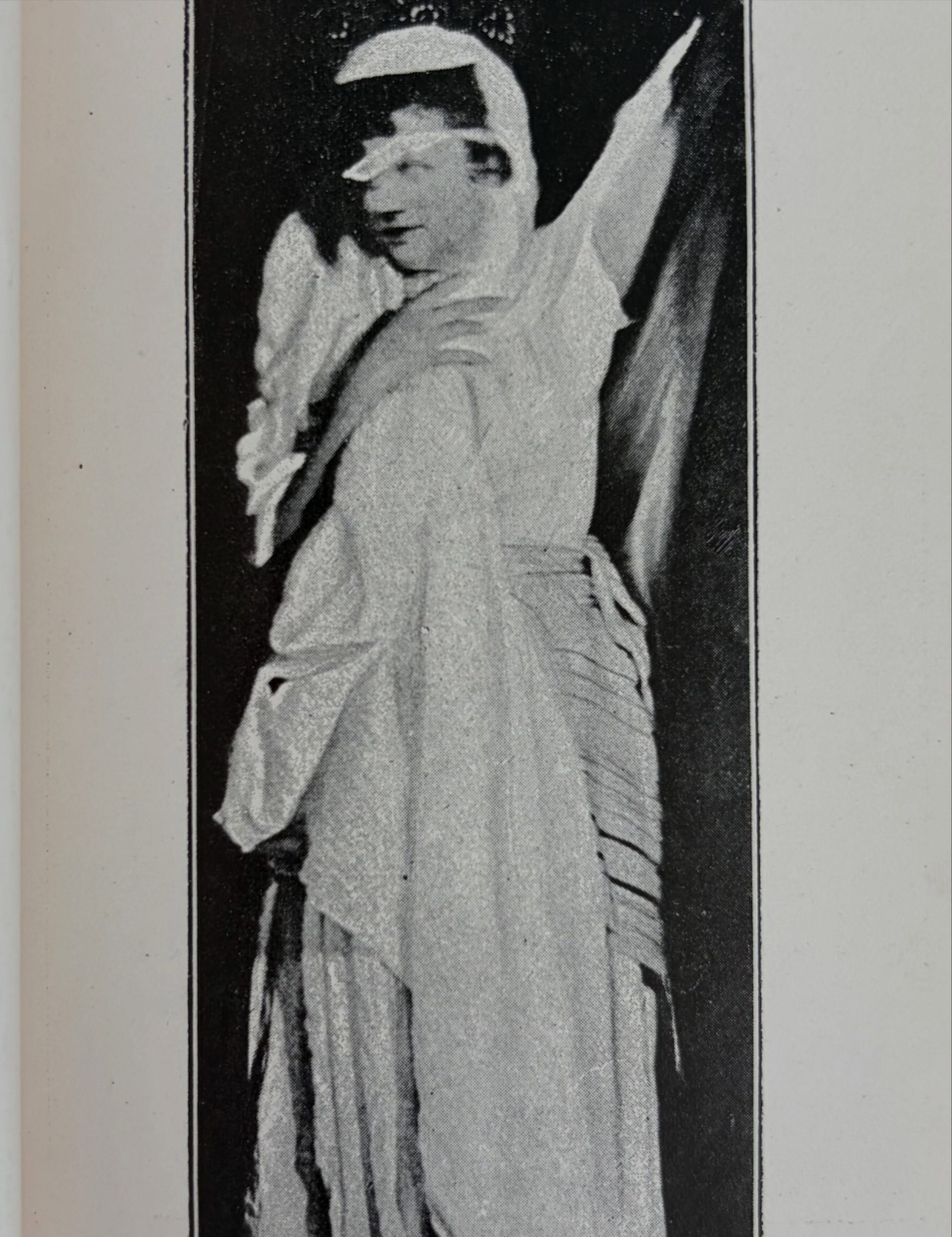
In Helsinki, Finland, on 11 December 1893 Elizabeth claimed to have vanished the lower part of her body and that only her head and stomach remained. Psychical researcher Hereward Carrington noted:
“The back of the chair was partially open, and of sufficient size to allow the medium to thrust her legs through as far as the hips, when the dress had been drawn up, and spread over the seat of the chair. The medium would, therefore, be in a kneeling position behind the chair, with the upper part of her body in front of the chair-back, and, of course, visible to the investigators who made the examination.”
Charles Richet, a scientistswho investigated psychic phenomena, added:
“These diverse experiments, which have not been repeated, and which are testified to only by certain observers possibly devoid of the necessary scepticism, do not seem to me such as to shake the negative convictions of scientists. But this is not the case with the phenomena recorded of Home, Florence Cook, Eusapia, and Miss Goligher which are unassailable. Those of Marthe-Eva, of Linda Gazzera, Mrs. Salmon, Eglinton, and Mme. Lacombe acquire full value from the others, and this value is considerable; nor do I see reason to dismiss entirely those of M. Corrales, Sambor, and perhaps those of Mme. d’Esperance.”

So was she a fraud or someone lucky enough not to get caught?
In July 2013, a small collection of her personal papers was discovered in the archives of the College of Psychic Studies in London (formerly the London Spiritualist Alliance) where a painting of her is still displayed.
‘I can recall no time when they were not familiar and natural; so that the only curious thing to me seemed the fact that other people should not have the same experiences. As a child I could not understand this fact; indeed the refusal of my companions to accept my version of what was going on around us sometimes irritated me beyond measure, and my frequent exhibitions of temper at their incredulity, gained for me the reputation of being “a little vixen” as well as “decidedly queer”. To my mind it was always the other people who were “queer”; and I thought it a great trial to have to listen to the wonder and incredulity, which frequently greeted my narration of something that to me seemed a trifling incident of every day life. However, as I grew older I began to understand that all were not gifted alike….’
– Shadow Land, or Light From the Other Side by Elizabeth Hope d’Esperance, 1897
Would you like to support Flashbak?
Please consider making a donation to our site. We don't want to rely on ads to bring you the best of visual culture. You can also support us by signing up to our Mailing List. And you can also follow us on Facebook, Instagram and Twitter. For great art and culture delivered to your door, visit our shop.