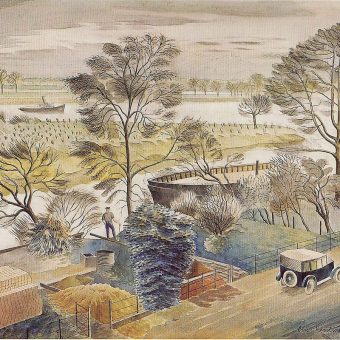
“To the left stretch masses of golden-ochred rush; to the right the rich greens of the marshes, and throughout winds the river, a vein of the deepest cobalt, whilst overhead roll masses of snow-coloured cumuli, flying before the wind”
– Life and Landscape on the Norfolk Broads, 1887
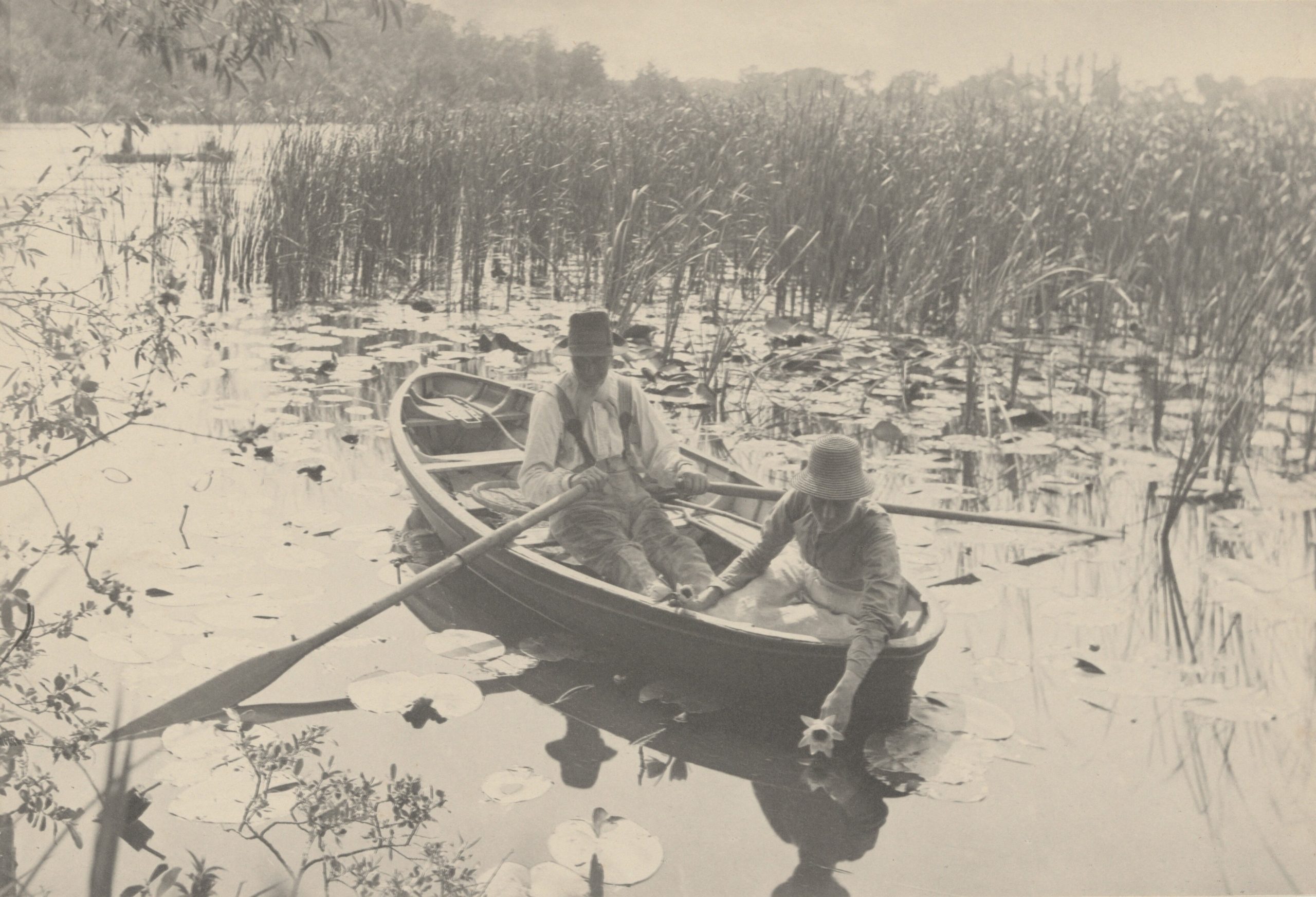
Gathering Water-Lilies, Life and Landscape on the Norfolk Broads, 1886
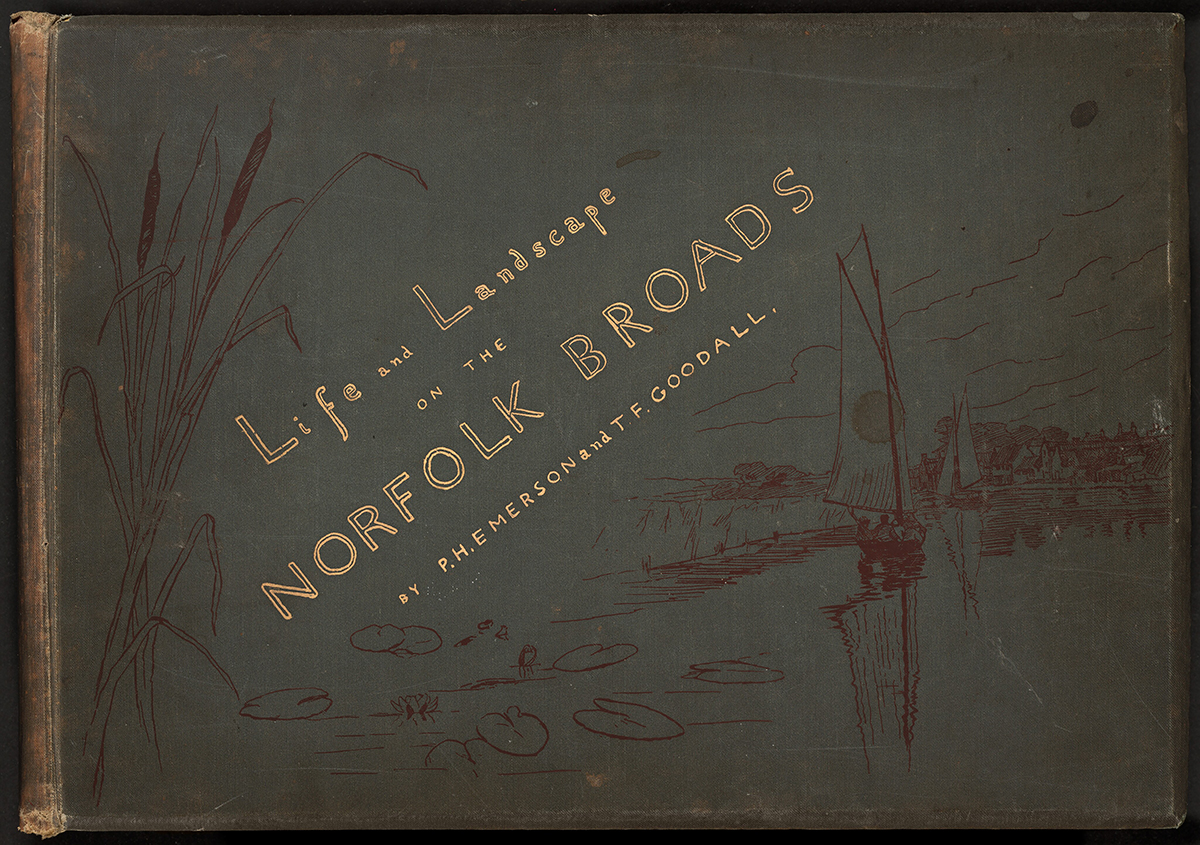
Life and Landscape on the Norfolk Broads (1887) features 40 platinum prints by pioneering Victorian photographer Peter Henry Emerson and artist Thomas Frederick Goodall.
Emerson (1856–1936) was born in Cuba and raised partly in America, before settling in England, where he trained in medicine, qualifying at Cambridge in 1885. He turned to writing and photography after election to the Council of the Photographic Society.
He is credited with elevating photography to an artform, often focusing on the everyday life of people in East Anglia.
He met Goodall (1856-1944) whilst in the county to photograph birds for a planned ornithology book. Goodall was already on the spot, painting in his houseboat studio.
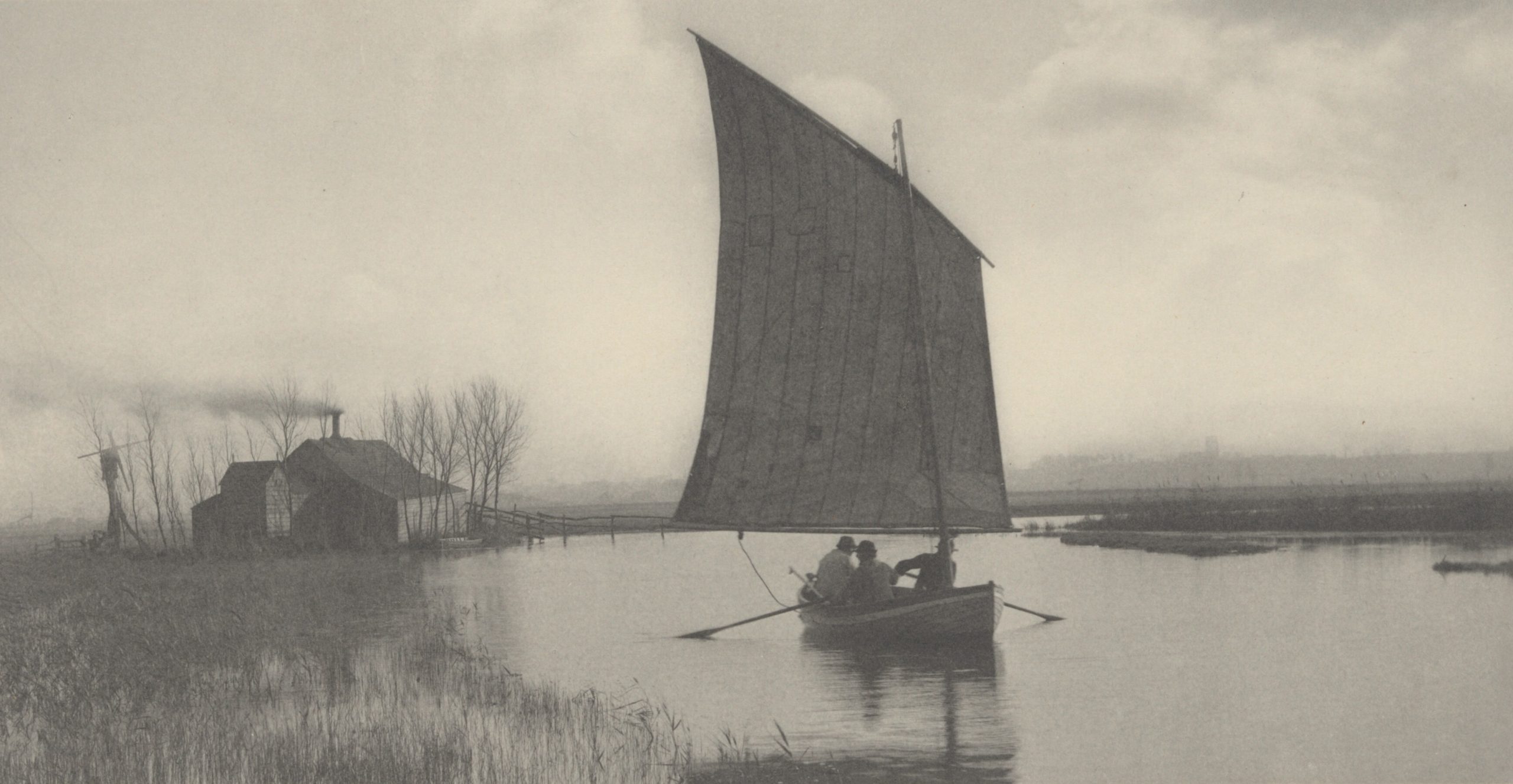
The Old Order and the New
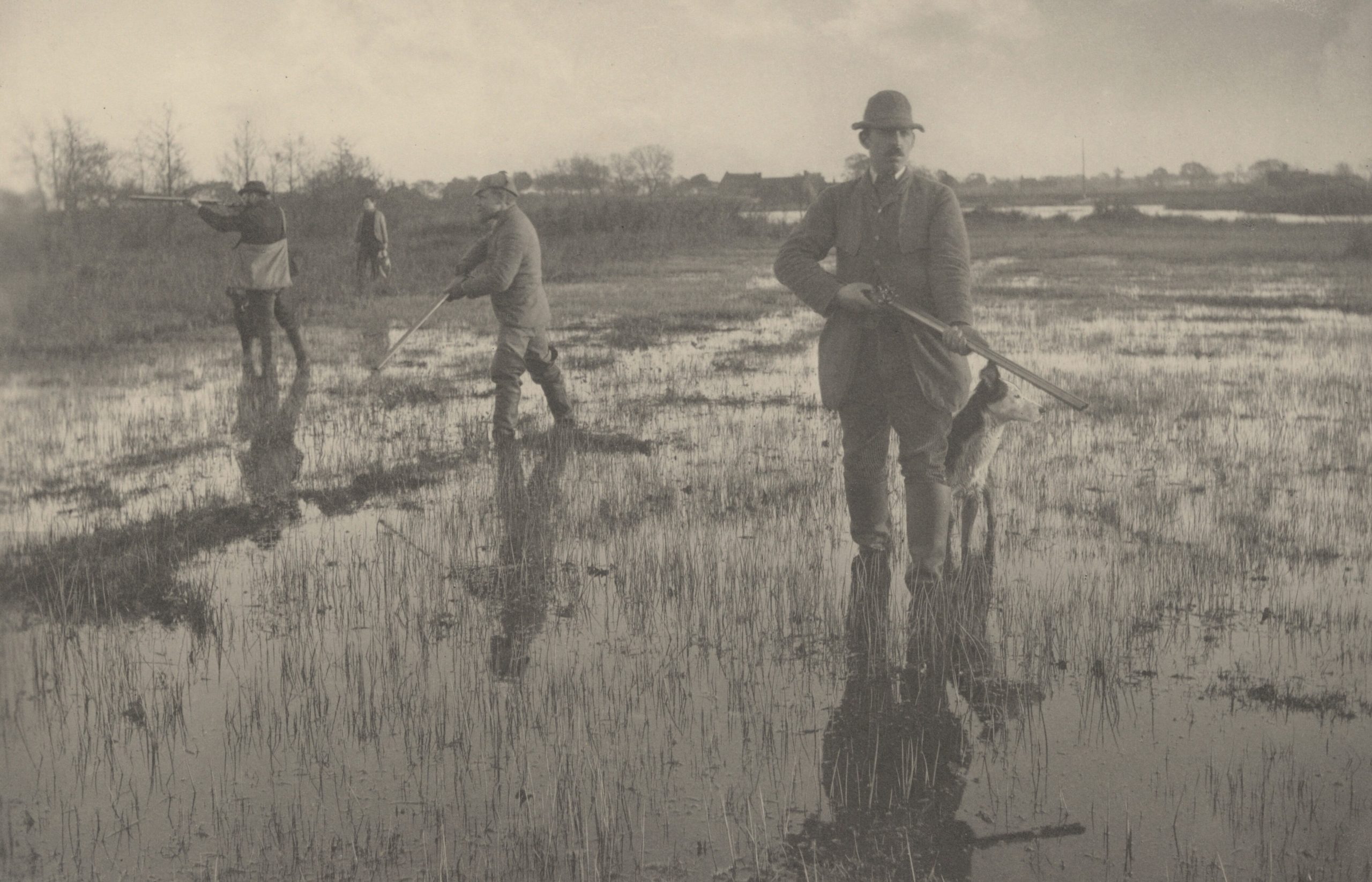
Snipe shooting
The Broads are shallow lakes that fill the pits created from peat-digging in Norfolk and Suffolk in medieval times. The landscape covers some 303 square kilometres, forms Britain’s largest National Park wetland, and shelters over a quarter of the country’s rarest animals and plants, from the swallowtail butterfly to the bittern and European eel.
By the late nineteenth century the railway had opened the Broads to visitors. Tourist took trips on Wherries – tall-sailed boats introduced in the early seventeenth-century – which were still key forms of transport.
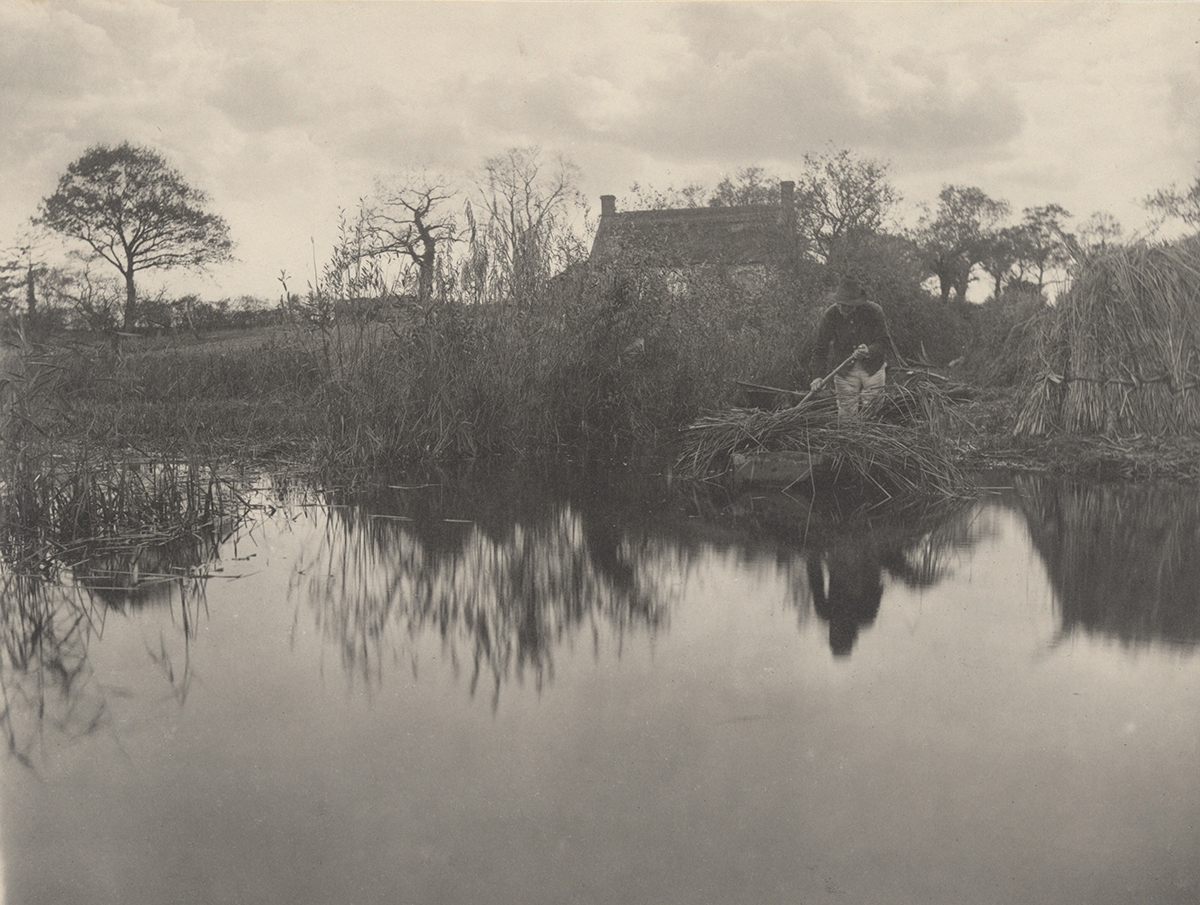

Emerson and Goodall document the work of the area with close attention to its traditional nomenclature and practices.
The book introduces some terms that might be unfamiliar to readers. ‘Rowing Home the Schoof-Stuff’ (coarse wheat); ‘Quanting the Gladdon’ (poling reeds in a punt); Poling the Marsh hay’ (women carrying reeds).
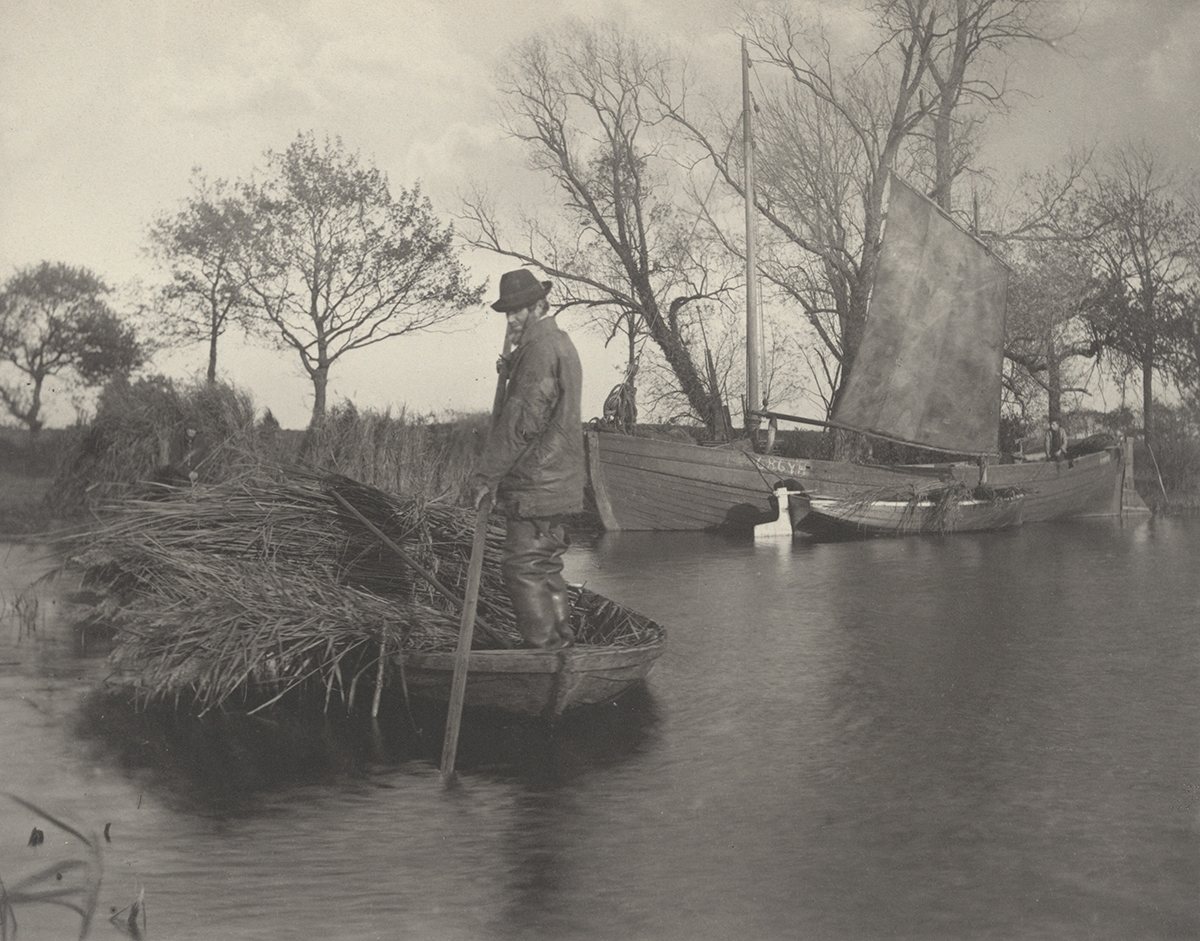
The Gladdon-Cutter’s Return
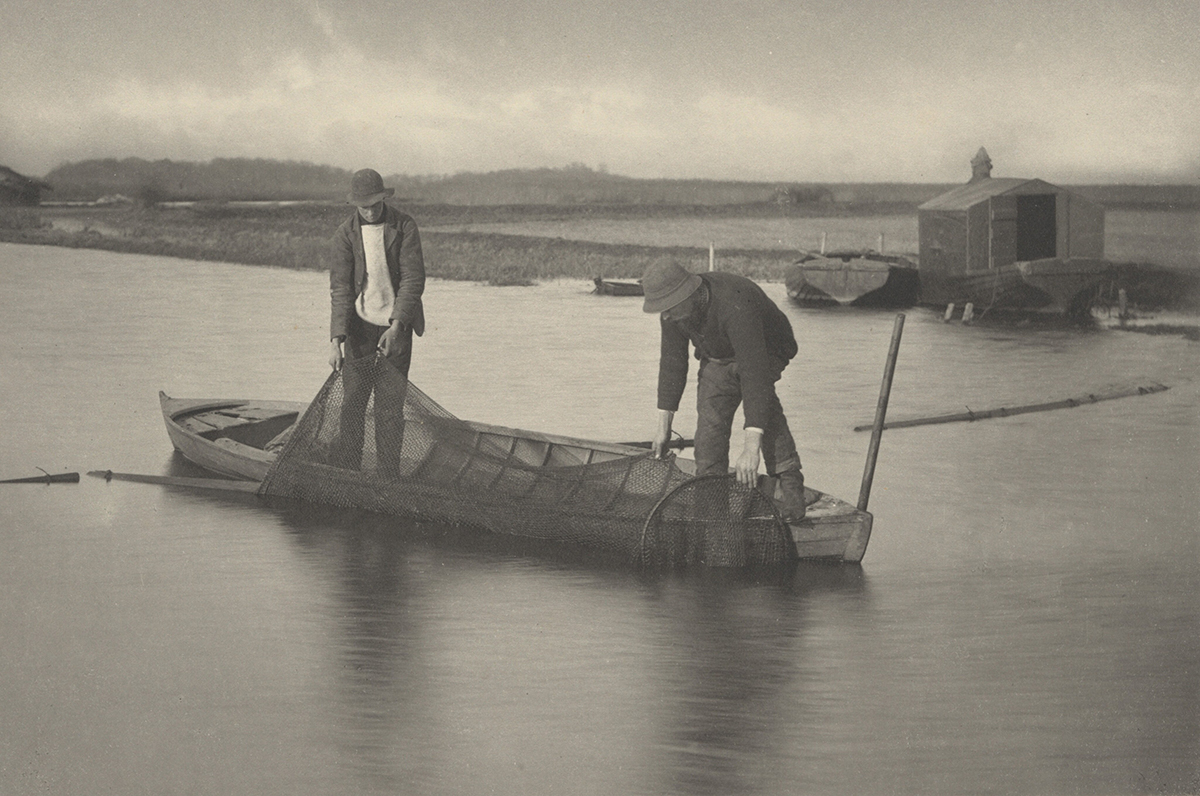

Taking up the eel net
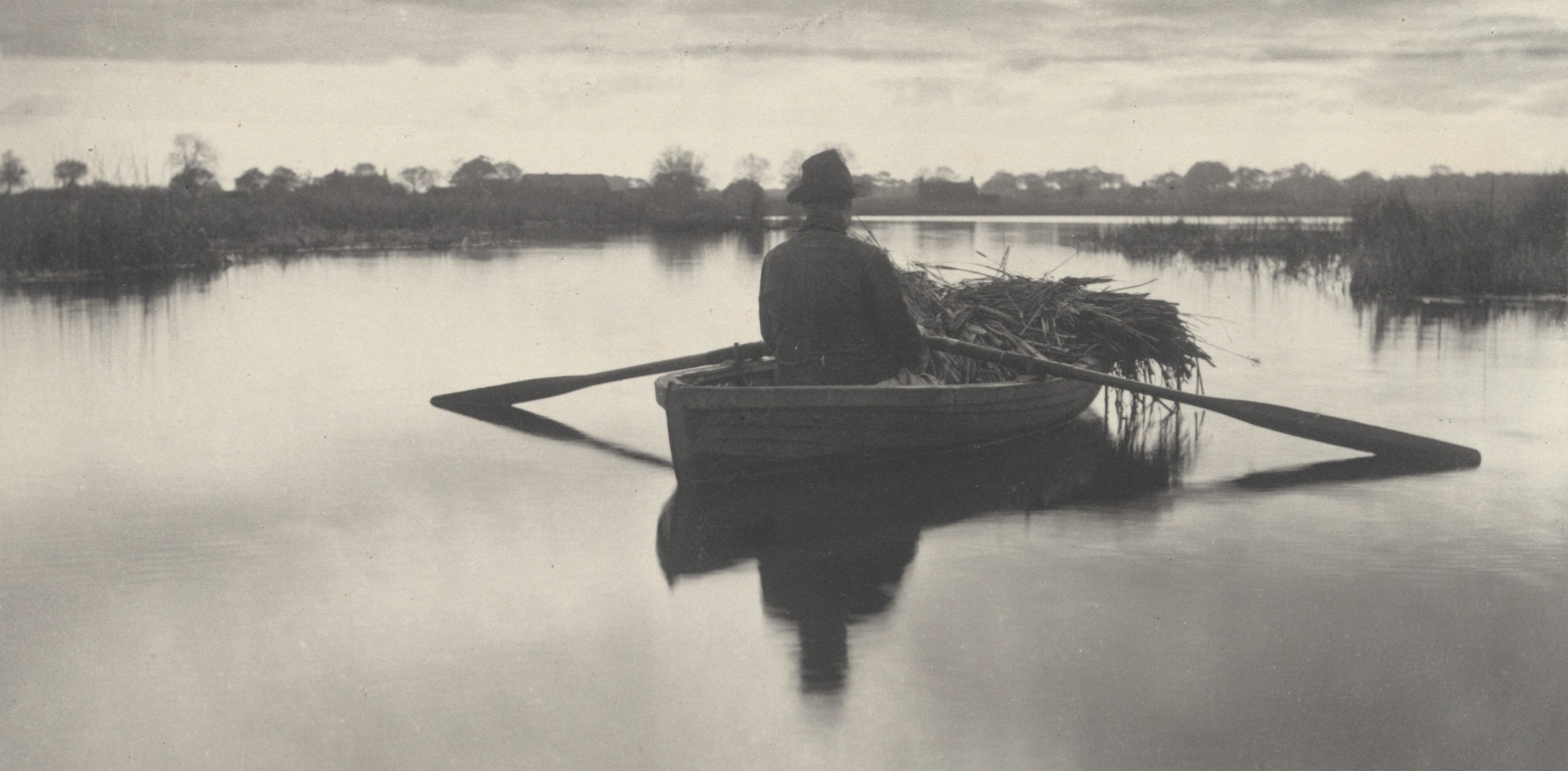
Rowing Home the Schoof-Stuff
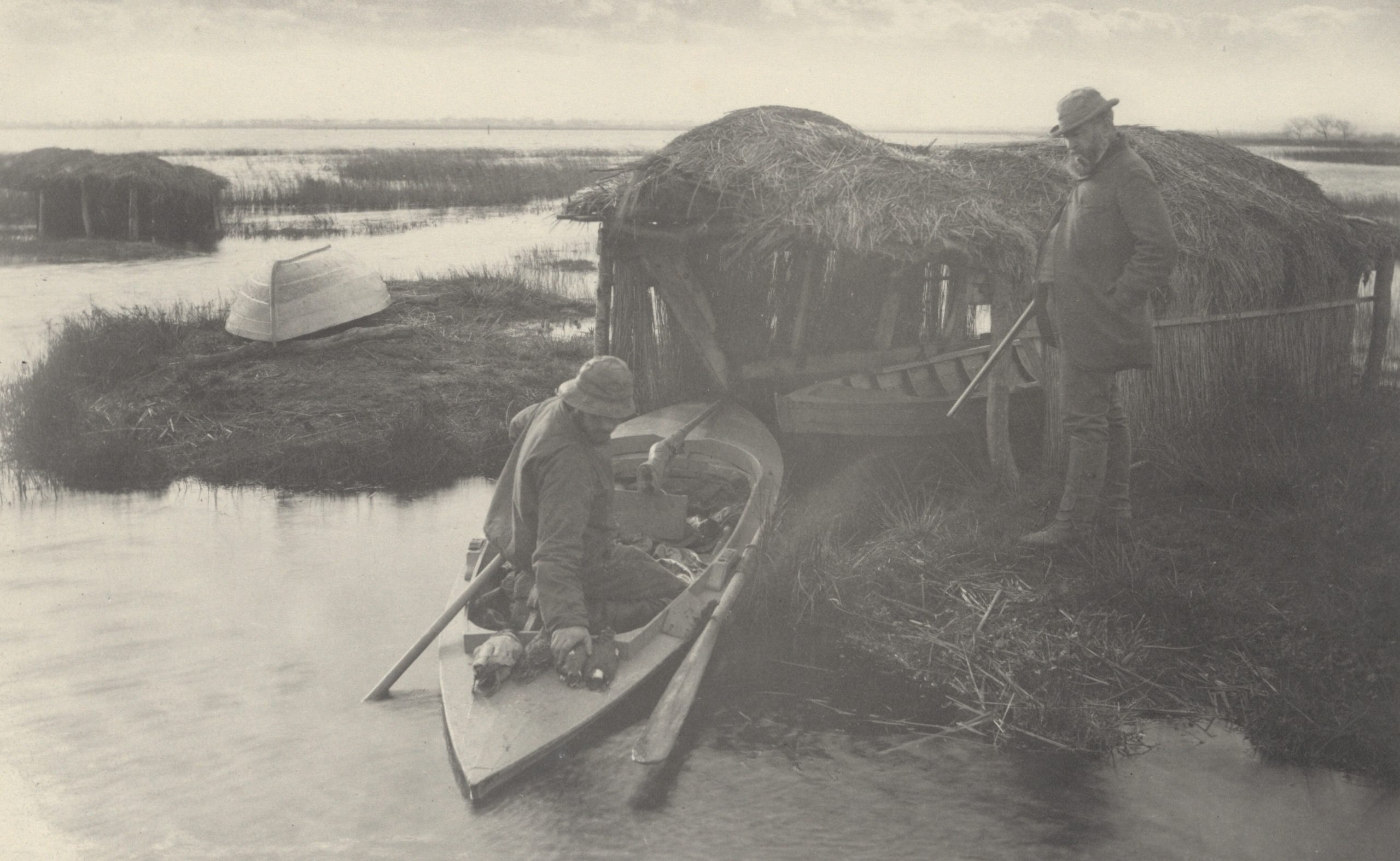
The Fowler’s Return
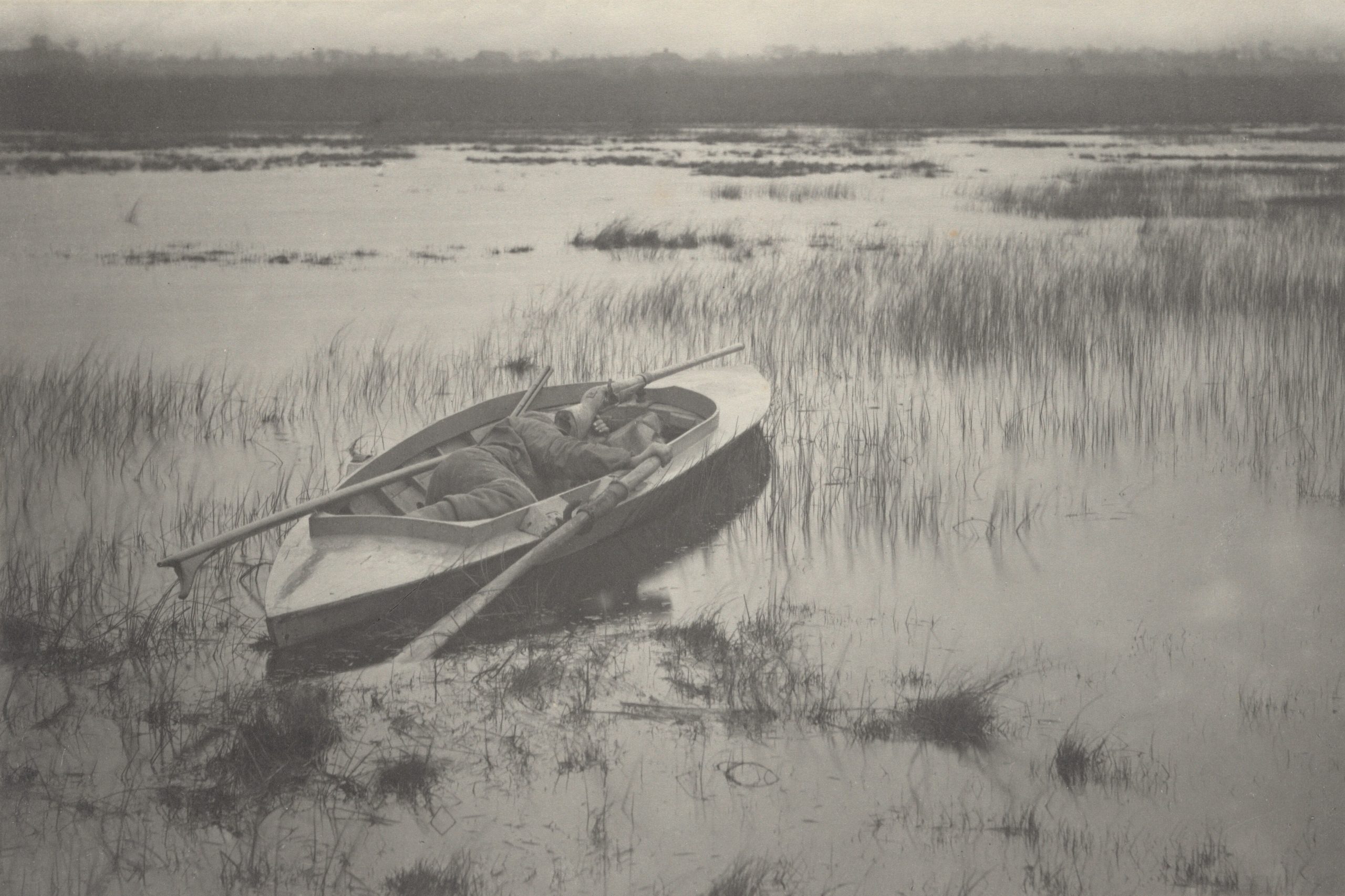
Gunner Working Up to Fowl
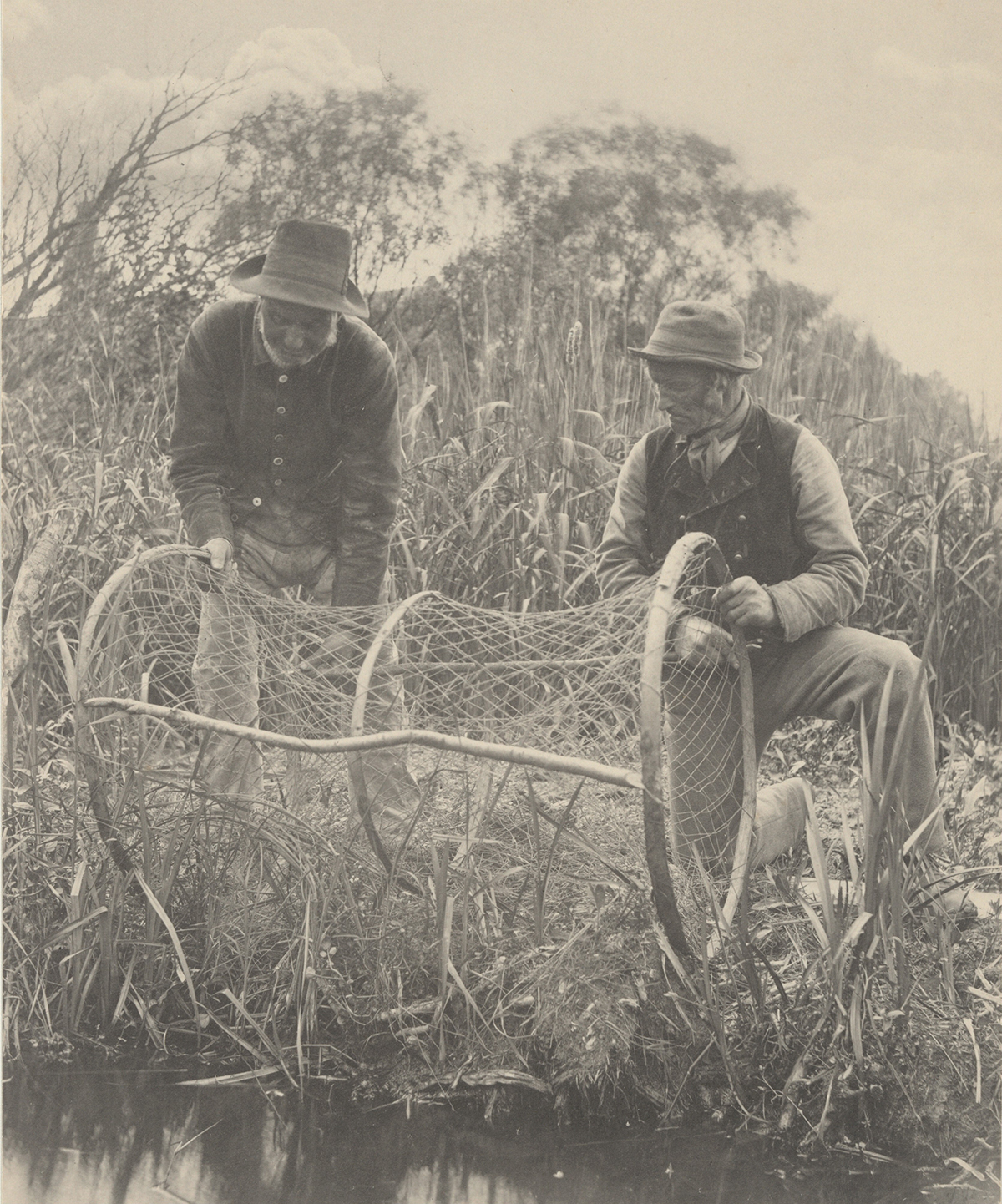
Setting Up the Bow-Net
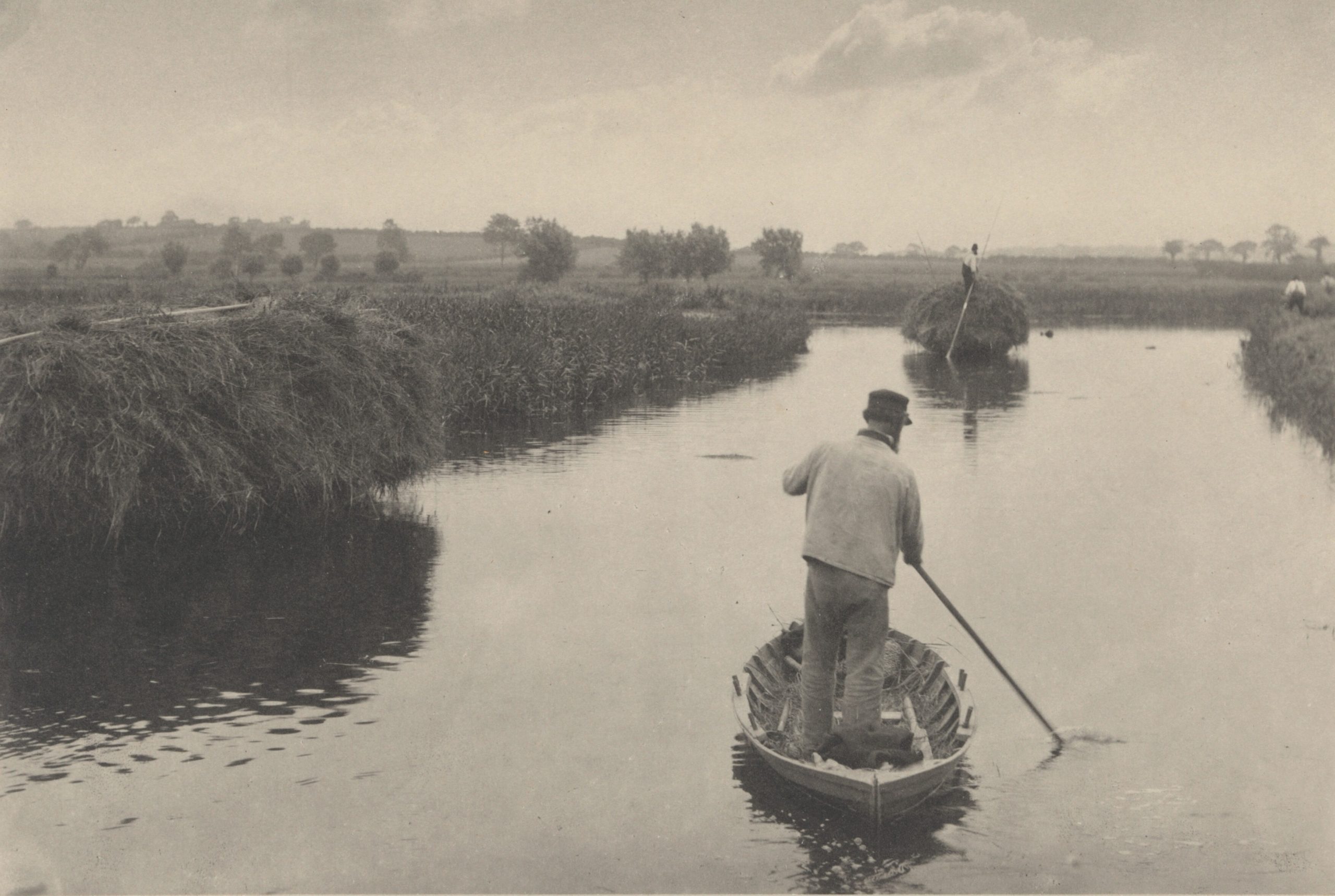
Quanting the Marsh Hay
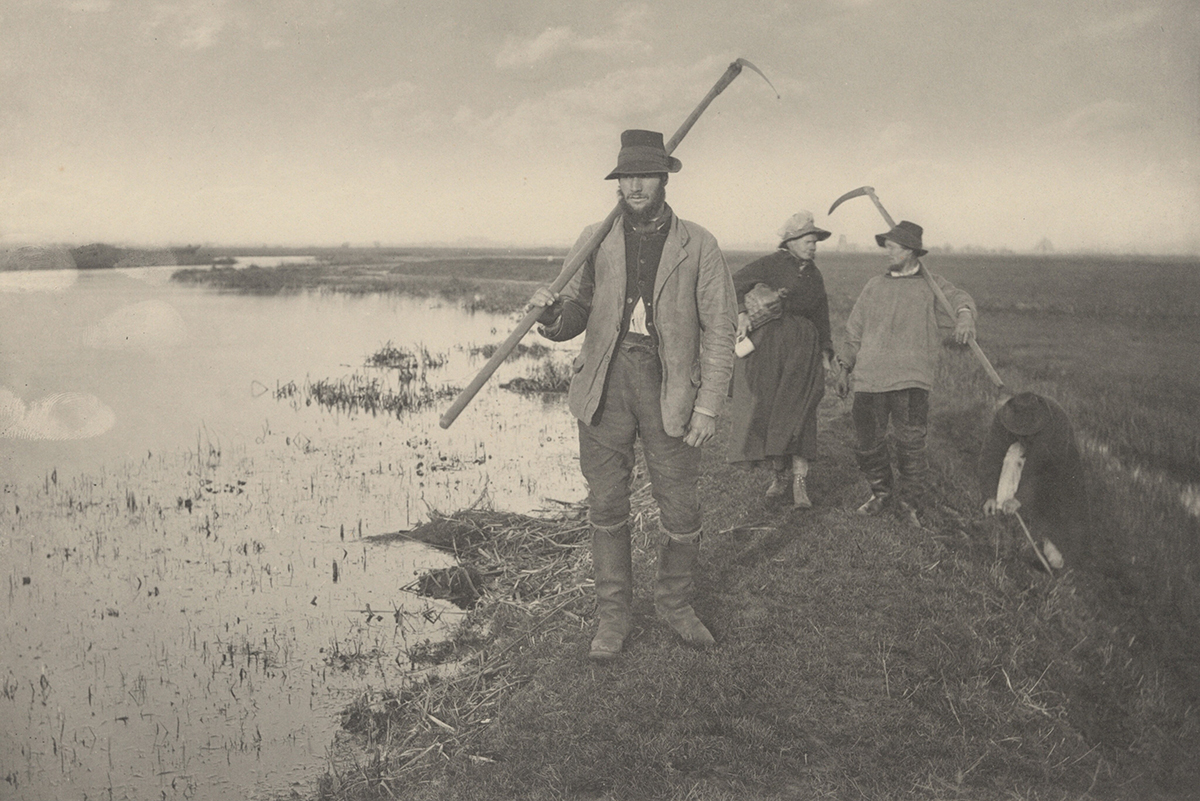
Coming Home from the Marshes
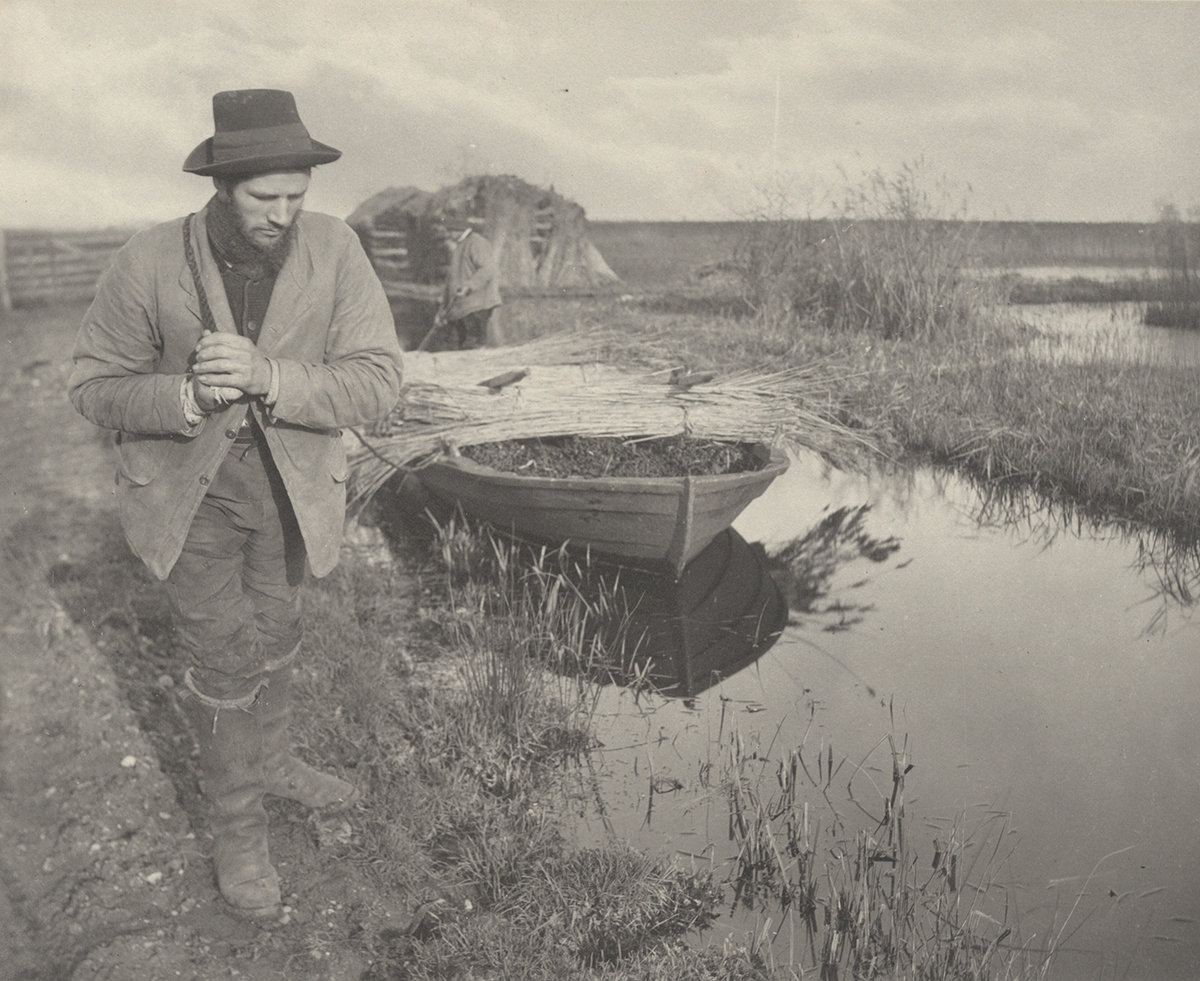
Towing the Reed
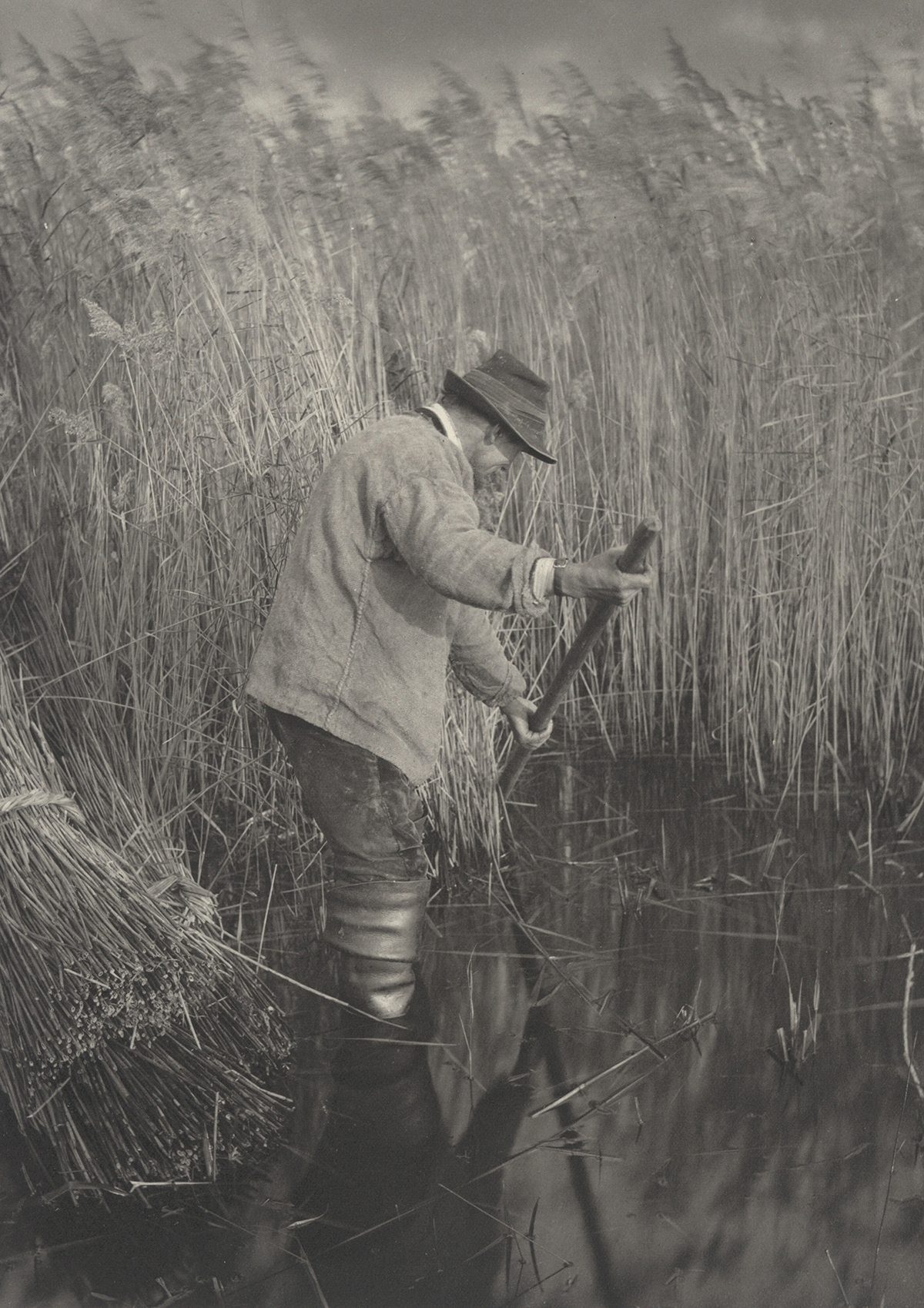
A Reed-Cutter at Work
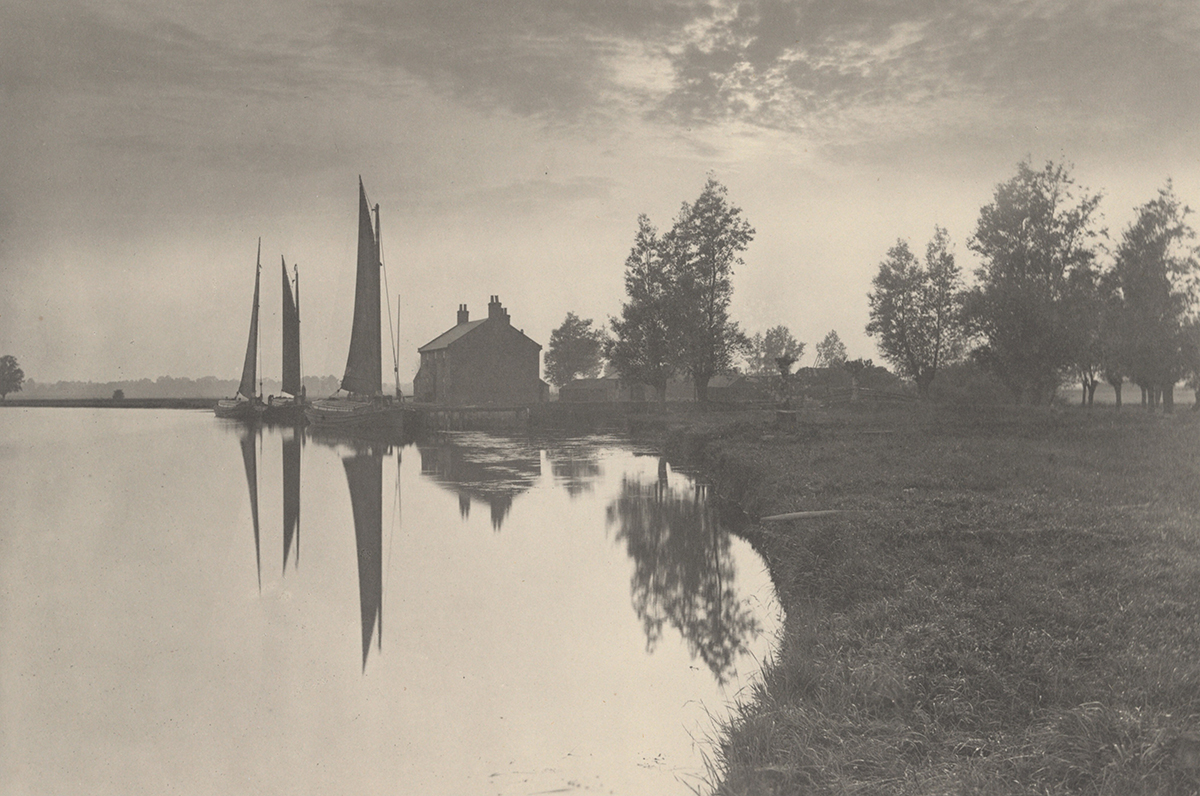
Cantley- Wherries Waiting for the Turn of the Tide
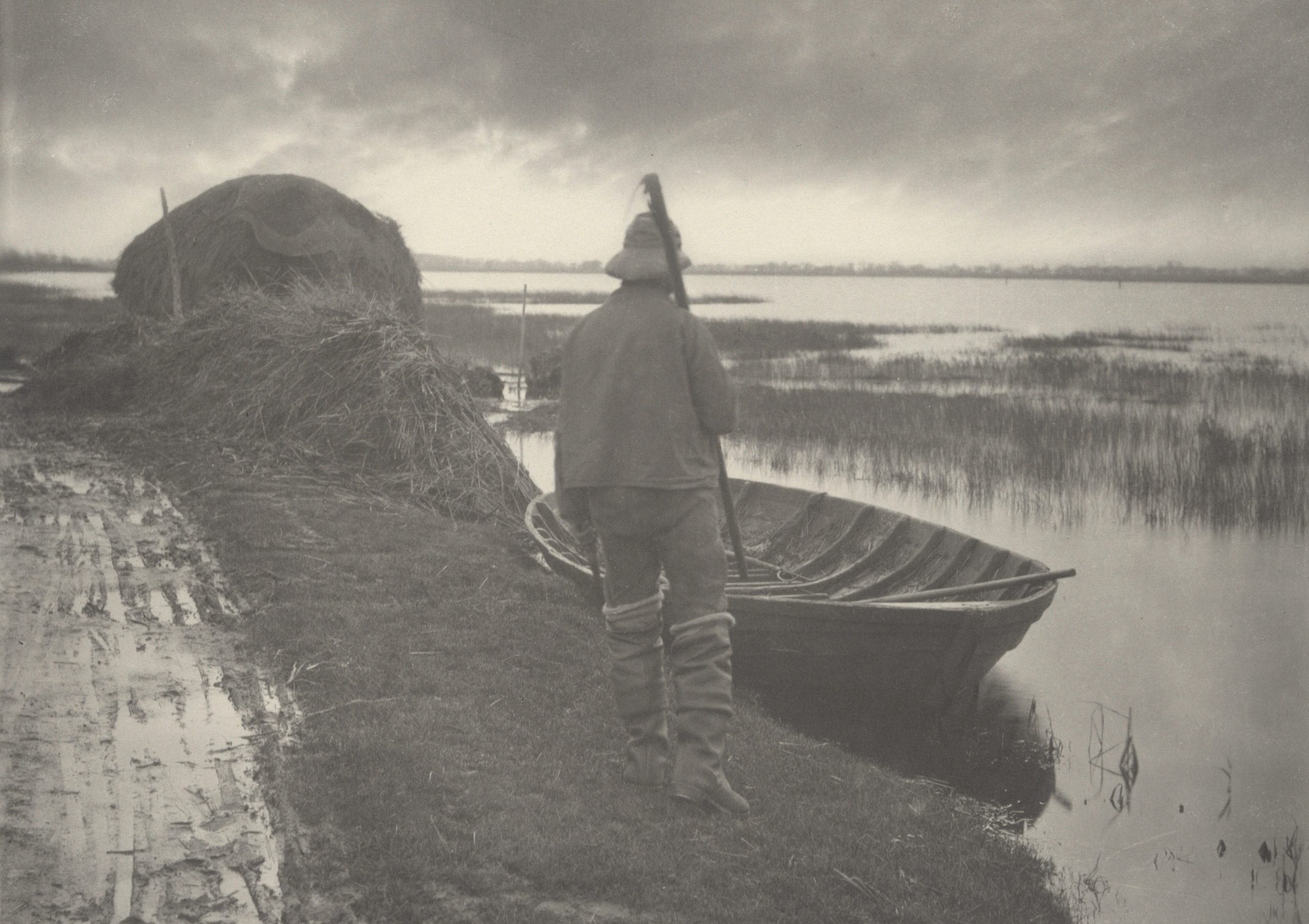
Marshman Going to Cut Schoof-Stuff
Prints of these wonderful photos are available here in the Shop.
Would you like to support Flashbak?
Please consider making a donation to our site. We don't want to rely on ads to bring you the best of visual culture. You can also support us by signing up to our Mailing List. And you can also follow us on Facebook, Instagram and Twitter. For great art and culture delivered to your door, visit our shop.