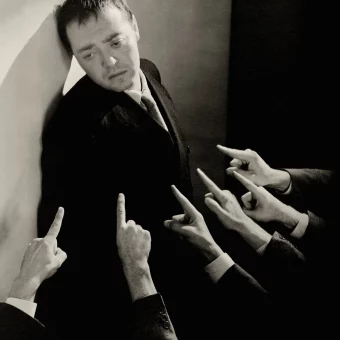
“I saw that the camera could be a weapon against poverty, against racism, against all sorts of social wrongs”
– Gordon Parks
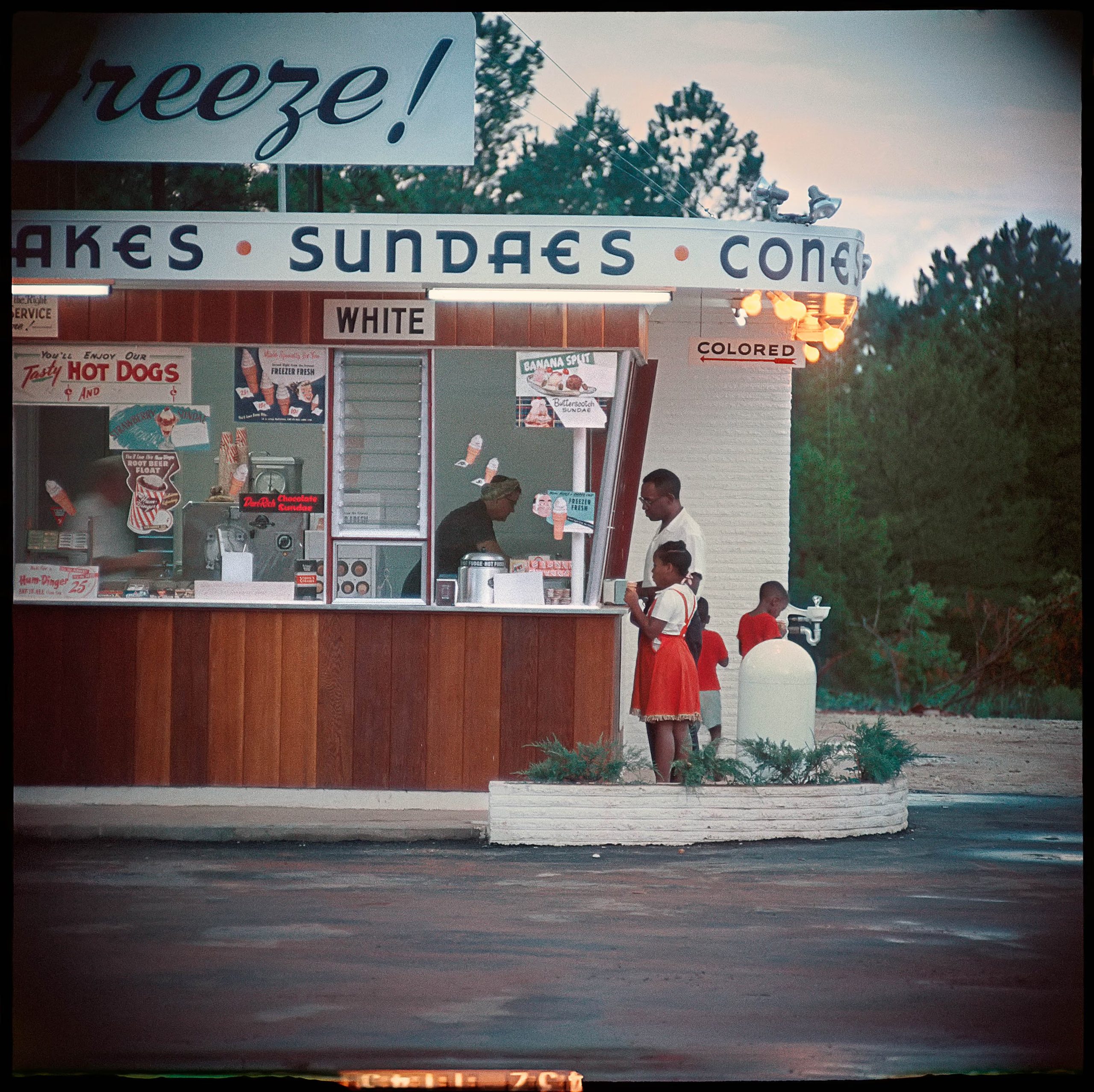
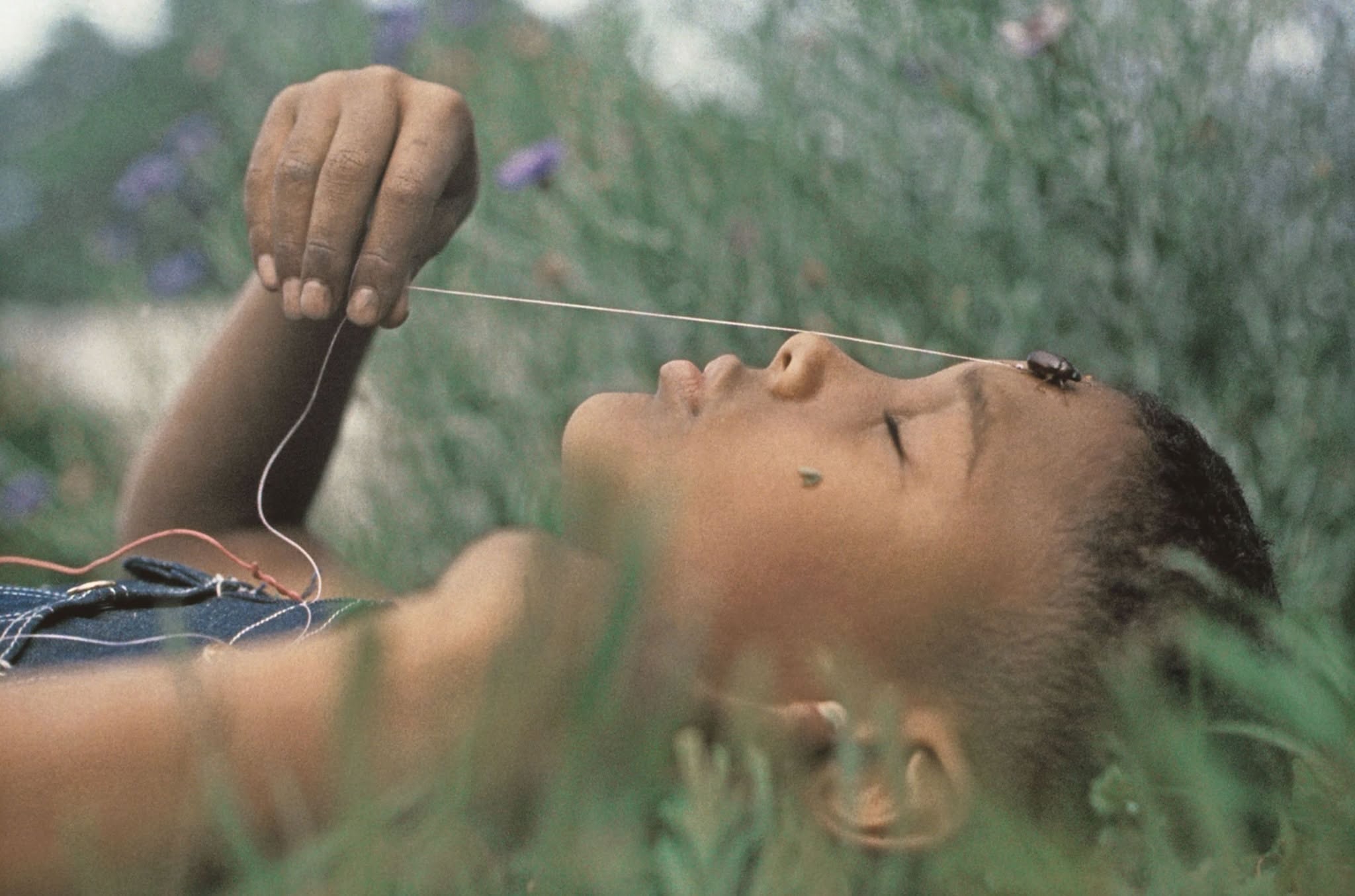
Untitled, Shady Grove, Alabama, 1956
Gordon Parks (November 30, 1912 – March 7, 2006) is celebrated in an exhibition at New York’s Jack Shainman Gallery. Voices in the Mirror revisits his work.
The show’s title is a take on Park’s autobiography. Published in 1990, Voices In The Mirror: An Autobiography shares the photographer’s life story in a tale of hardship, talent and grit. From being homeless in a Minnesota winter, working at menial jobs and riding streetcars all night to escape the cold, to learning how to take pictures (after finding a camera left on a train) and becoming the first black photographer at Vogue and Life magazines.
The Doll Test, 1947
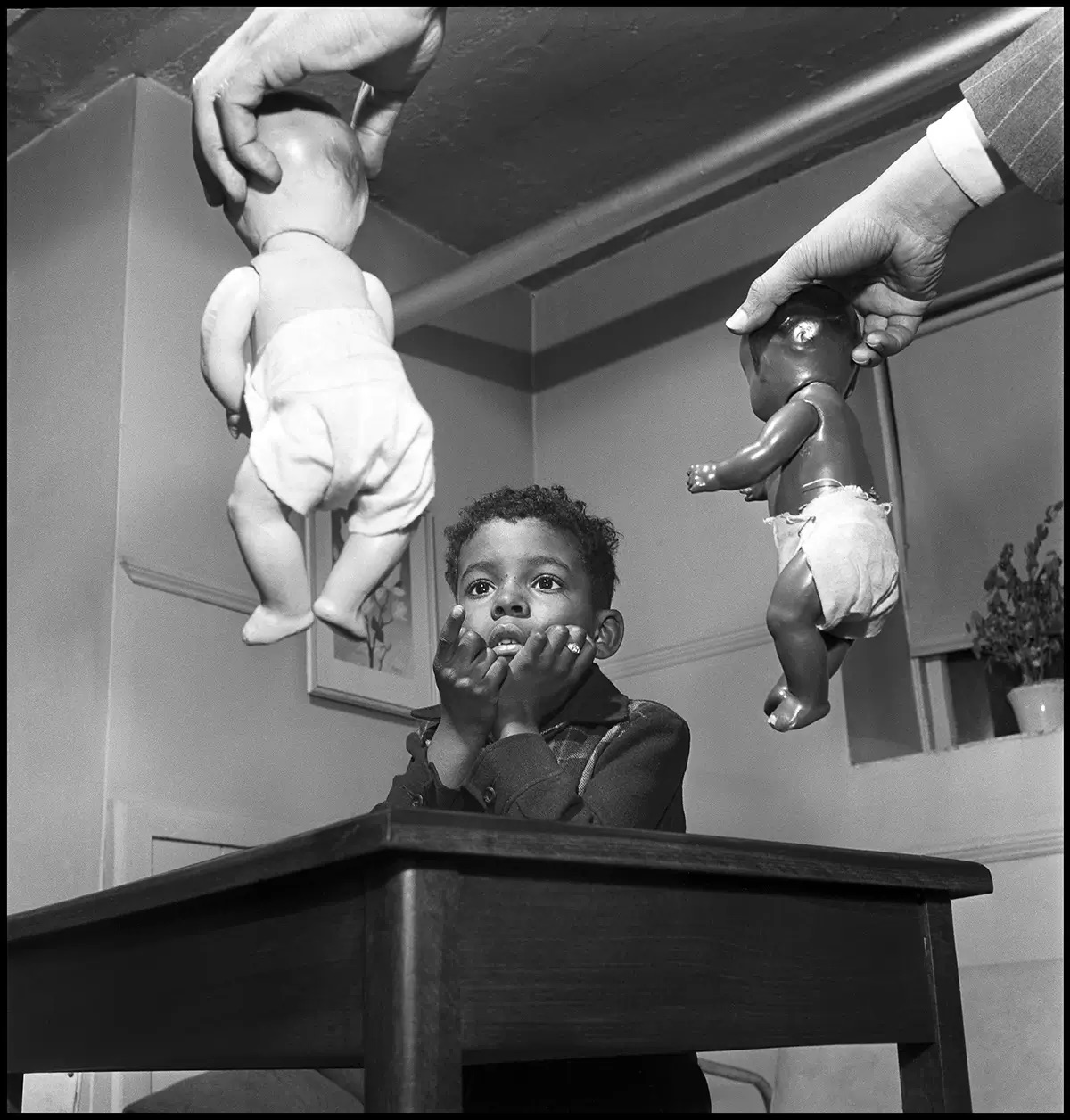
Doll Test, Harlem, New York, 1947
In 1947, Kate Clark Harris’ parents, Dr. Kenneth Clark and Dr. Mamie Clark, were photographed by Parks as they conducted their ‘doll tests’ – groundbreaking experiments that revealed the psychological effects of segregation on African American children. The tests were conducted using several dolls, all identical except for skin color, that were put before Black children, aged 3–7, who were asked to identify which one they preferred. The majority preferred the white doll, leading Drs. Clark to conclude that ‘prejudice, discrimination and segregation’ damaged their self-esteem and caused Black children to develop a sense of inferiority. In Doll Test, Harlem, New York (1947), Parks’s photograph shows a young boy in the midst of the test and pointing at a white doll held next to a black one. Harris remembered these tests and their psychological toll at length, concluding with the following sentiment: “One of the things that Gordon was so good at is getting beyond the surface and getting the feelings beneath. And so the pictures convey that, you can’t ignore it—you can’t.”
American Gothic, 1942
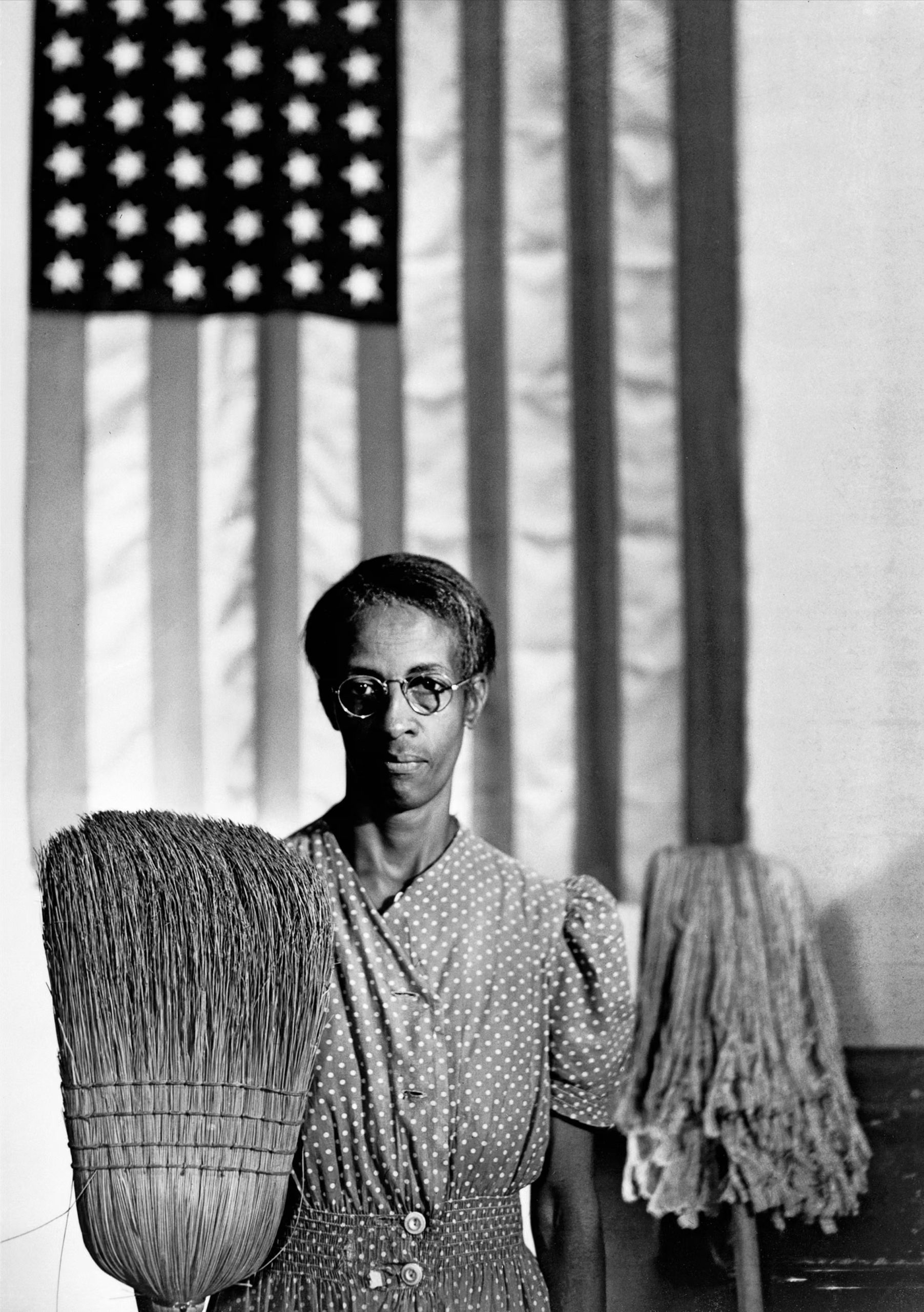
American Gothic, Washington DC, 1942
In American Gothic, Washington, D.C., 1942, we see Ella Watson with a broom and mop. The work nods to American Regionalist painter Grant Wood’s “American Gothic” painting, created 12 years earlier as an ode to American values.
Watson told Parks about her life. [It was] “so disastrous that I felt that I must photograph this woman in a way that would make me feel – or make the public feel – about what Washington, D.C., was in 1942,” he said. “I didn’t care about what anybody else felt,” he said. “That’s what I felt about America and Ella Watson’s position inside America.”
At Segregated Drinking Fountain, Mobile, Alabama, 1956
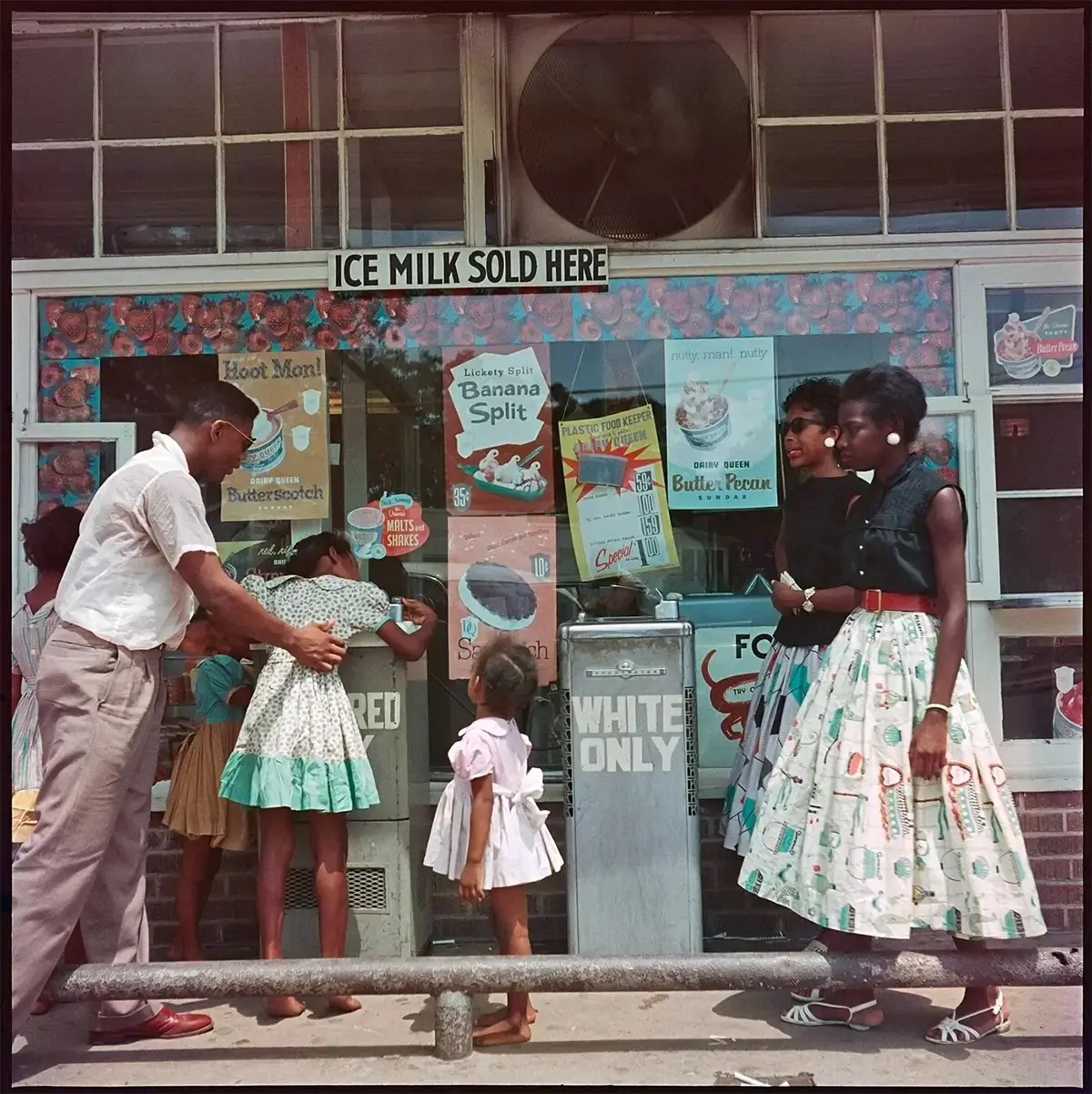

At Segregated Drinking Fountain, Mobile, Alabama, 1956
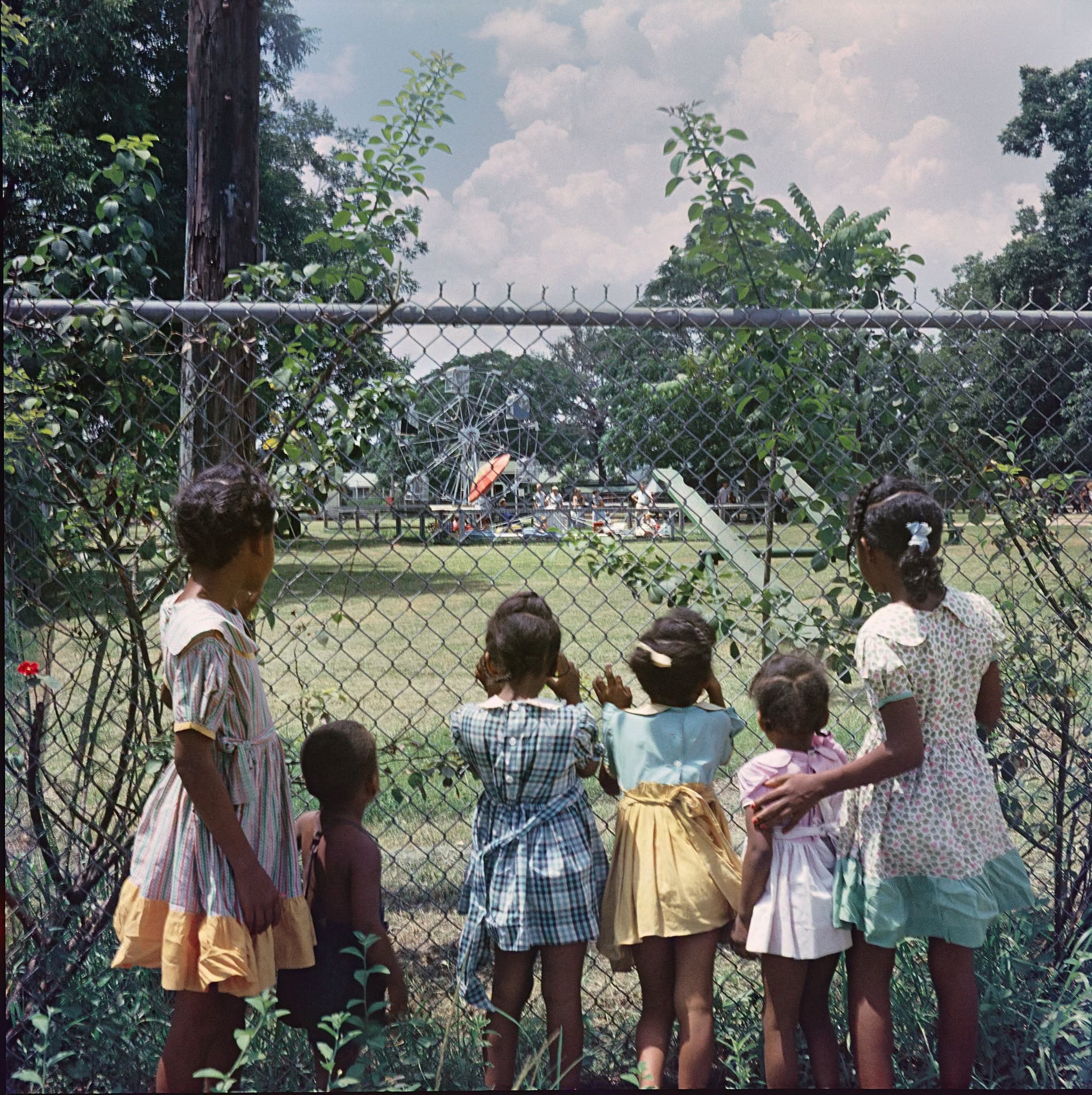
As one of his many projects for the magazine throughout his life, in the summer of 1956, Life sent Parks to Alabama to document the daily realities of Black Americans living under Jim Crow laws in the rural South. Eschewing a journalistic approach that focused on the leaders and momentous events of the struggle for civil rights, Parks’s empathetic approach instead portrayed the common humanity of his fellow Americans going about daily life in unjust circumstances. In At Segregated Drinking Fountain, Mobile, Alabama (1956), Parks photographed a young girl being helped up to drink from the ‘colored only’ water fountain in front of a general store, as two women look on. In excerpts of her full remarks, one of these women, Cora Taylor, remembers the moment and the photograph: “I wondered what was going on, because you didn’t know who to trust and who not to trust. I let my mother know about the photograph, in case anything went wrong. A few weeks later I saw the picture in Life magazine, and I just couldn’t believe it.”

“In reflecting upon Birmingham I can’t help but remember the perils of my youth. A lot of unfriendly teeth tried to devour it. Some had the roughness of nail points; others had the sweetness of poison. All of them were capable of chewing me to a pulp. Only by toughening my skin did I soften the sharpness of their bite. My youth didn’t hang around very long, it departed overnight, and the teeth had kept on bit-ing, gnawing away with a hunger that at times seemed impossible to abate. They bit chunks out of me, even attempted to swallow me”
– Gordon Parks in Voices in the Mirror: An Autobiography
Eldridge Cleaver and His Wife, Kathleen, Algiers, Algeria, 1970
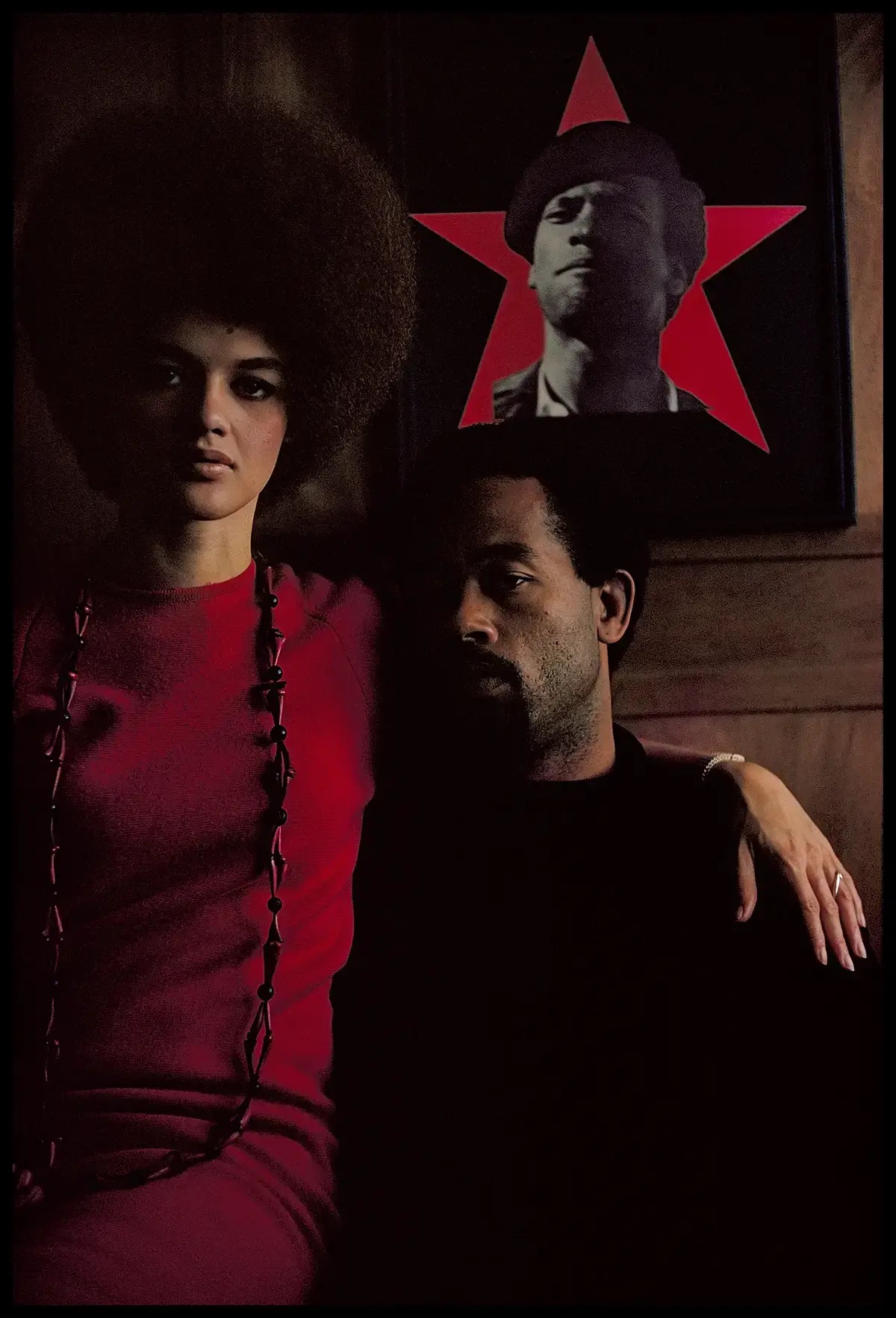

Eldridge Cleaver and His Wife, Kathleen, Algiers, Algeria, 1970
One of Parks’s most indelible portraits, Eldridge Cleaver and His Wife, Kathleen, Algiers, Algeria (1970), was made while on assignment for Life to report on the Black Panthers and their leaders. After serving a prison term, Cleaver was on parole when authorities ordered him back to prison because of his involvement in a Panther-police incident. He subsequently fled the country and moved to Algiers, where Parks met and interviewed him and his wife Kathleen Cleaver, who reflected on that time and the power of photography, excerpted here: “This photograph was taken in a very remote, isolated place. If you saw where we lived, it was not that historic. That’s the joy of photography—you isolate what’s important.”
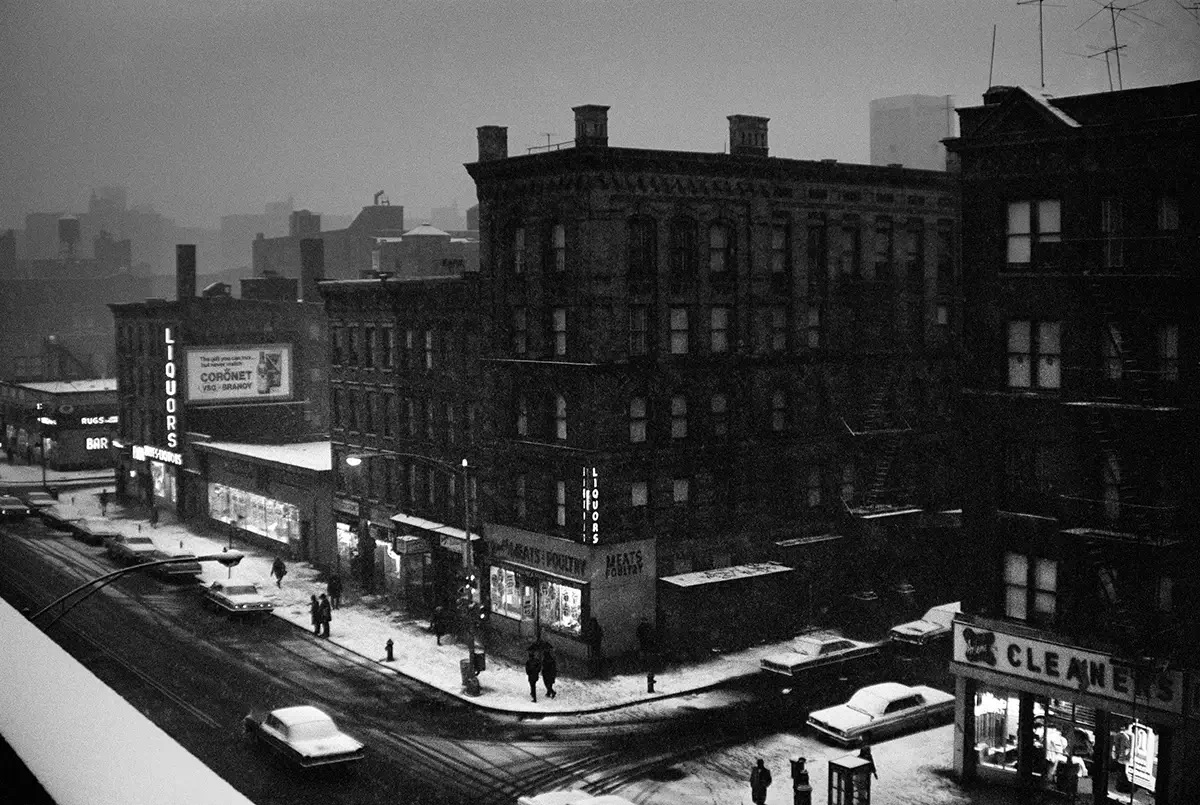
Untitled, Harlem, New York, 1967
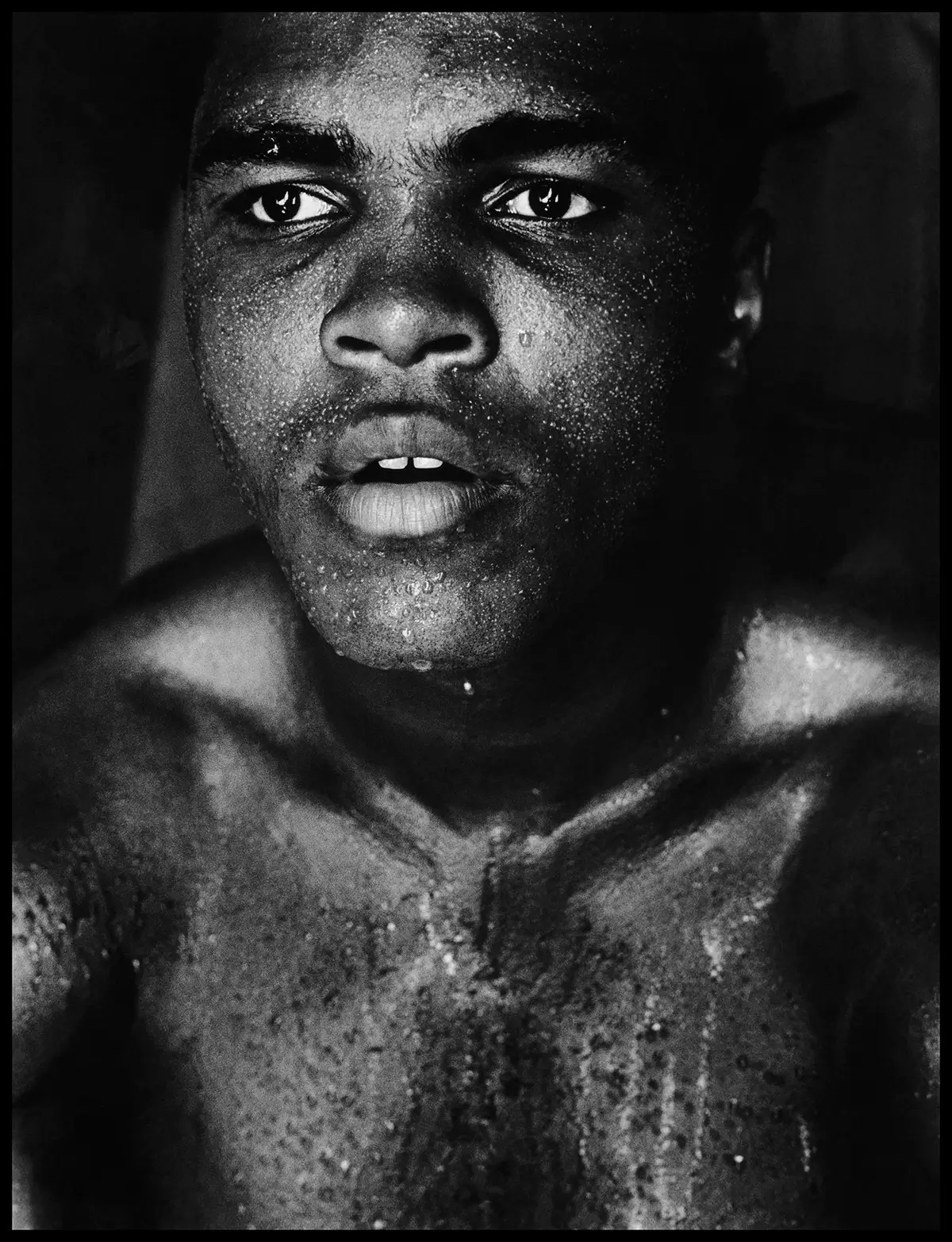
Muhammad Ali, Miami Beach, Florida, 1966
“The problem was to keep that part of me that survived from showing the marks. Now, violent dreams sometimes unleash the anger and discontent of those earlier years, but I still prefer the ferocity of a nightmare to the blast of a gun. Yet I wonder if the violence I shunned is, at last, demanding pay. I did suppress layer upon layer of rage during my youth and adulthood most of which was provoked by whites who held me inferior because I was black. But the energy I might have burned to sustain animosity toward my tormentors was used instead to prove them wrong. I had to get on with my life a complex, transi-tory, bittersweet existence that keeps shifting with time.”
– Gordon Parks in Voices in the Mirror: An Autobiography
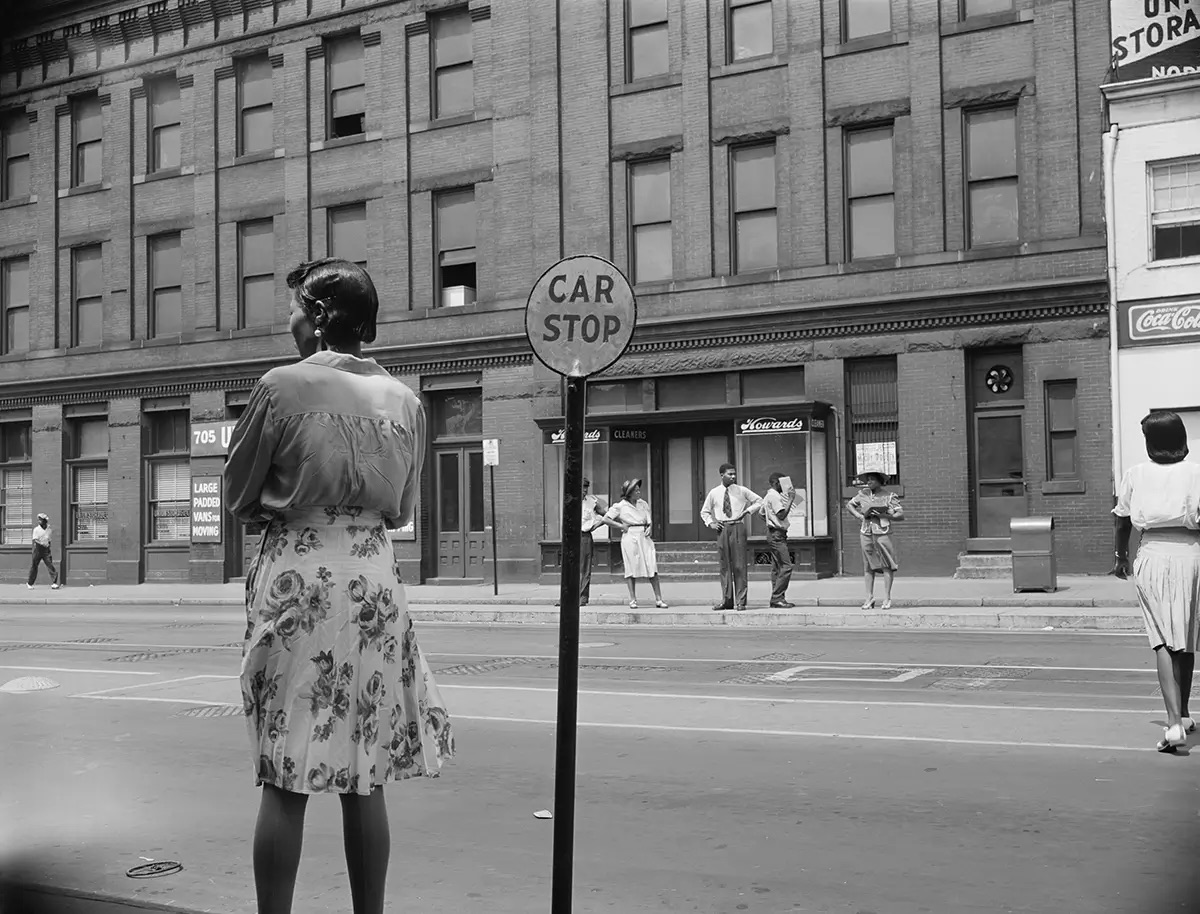
Untitled, Washington, D.C., 1942
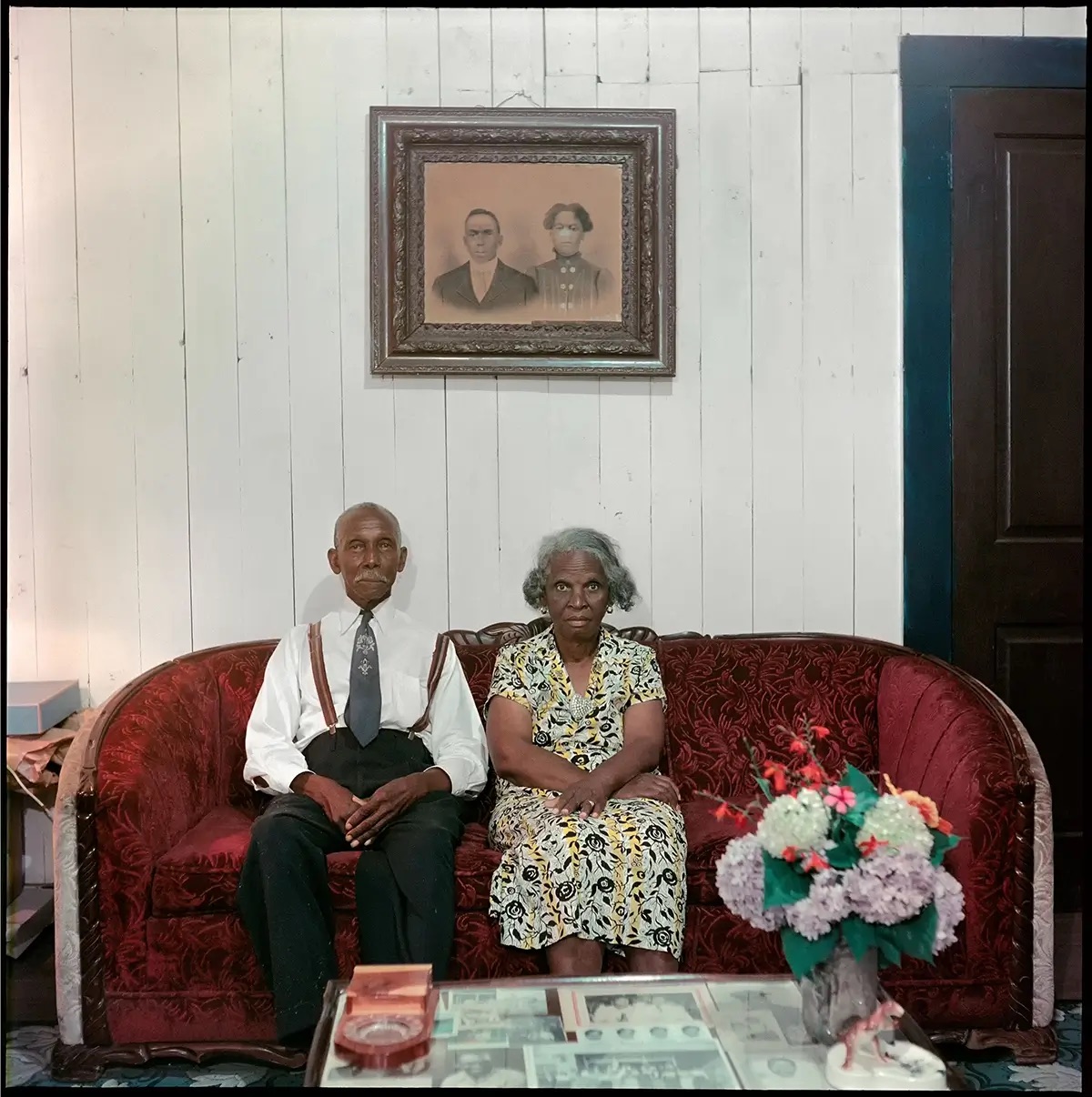
Mr. and Mrs. Albert Thornton, Mobile, Alabama, 1956
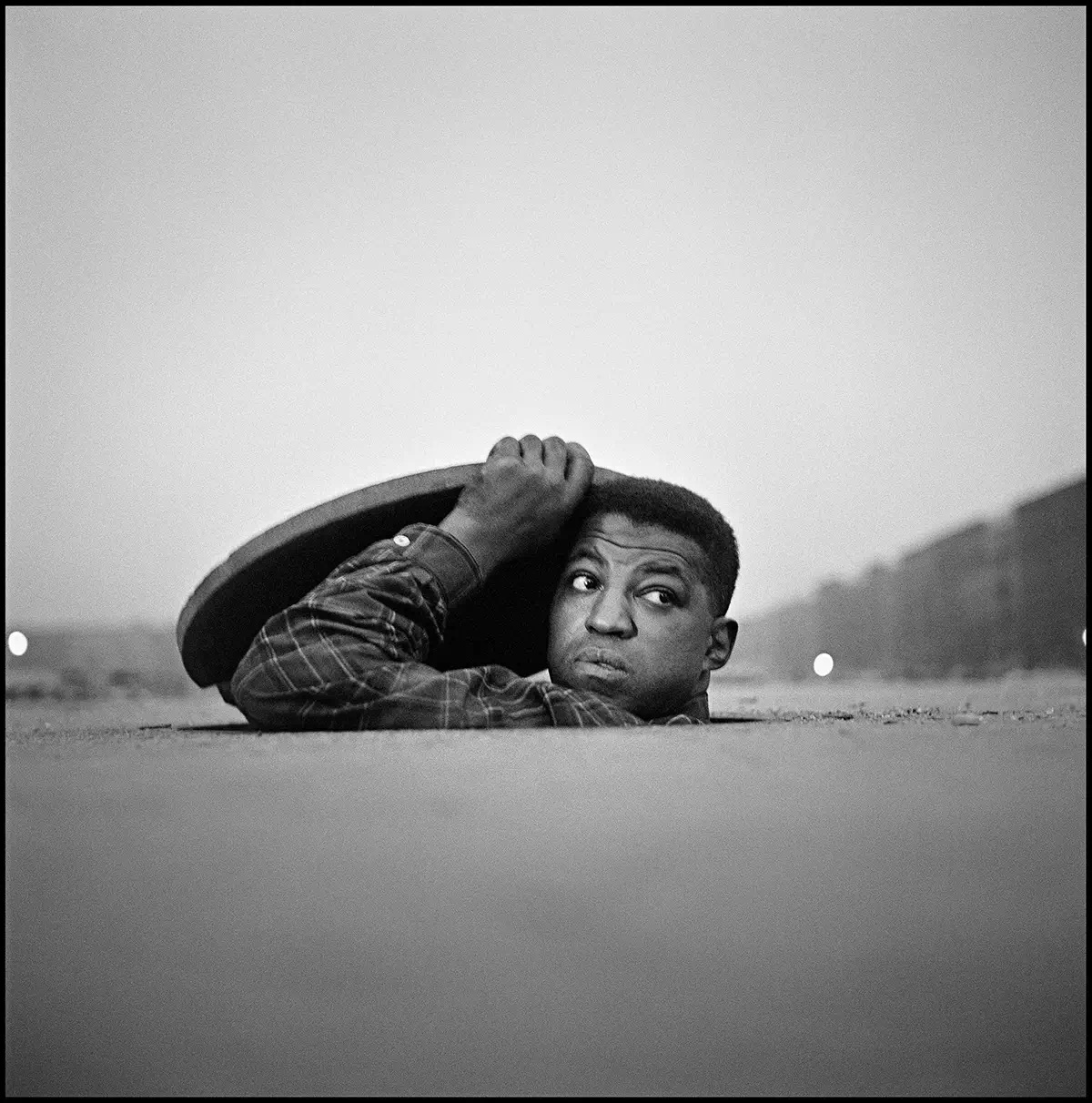
The Invisible Man, Harlem, New York, 1952
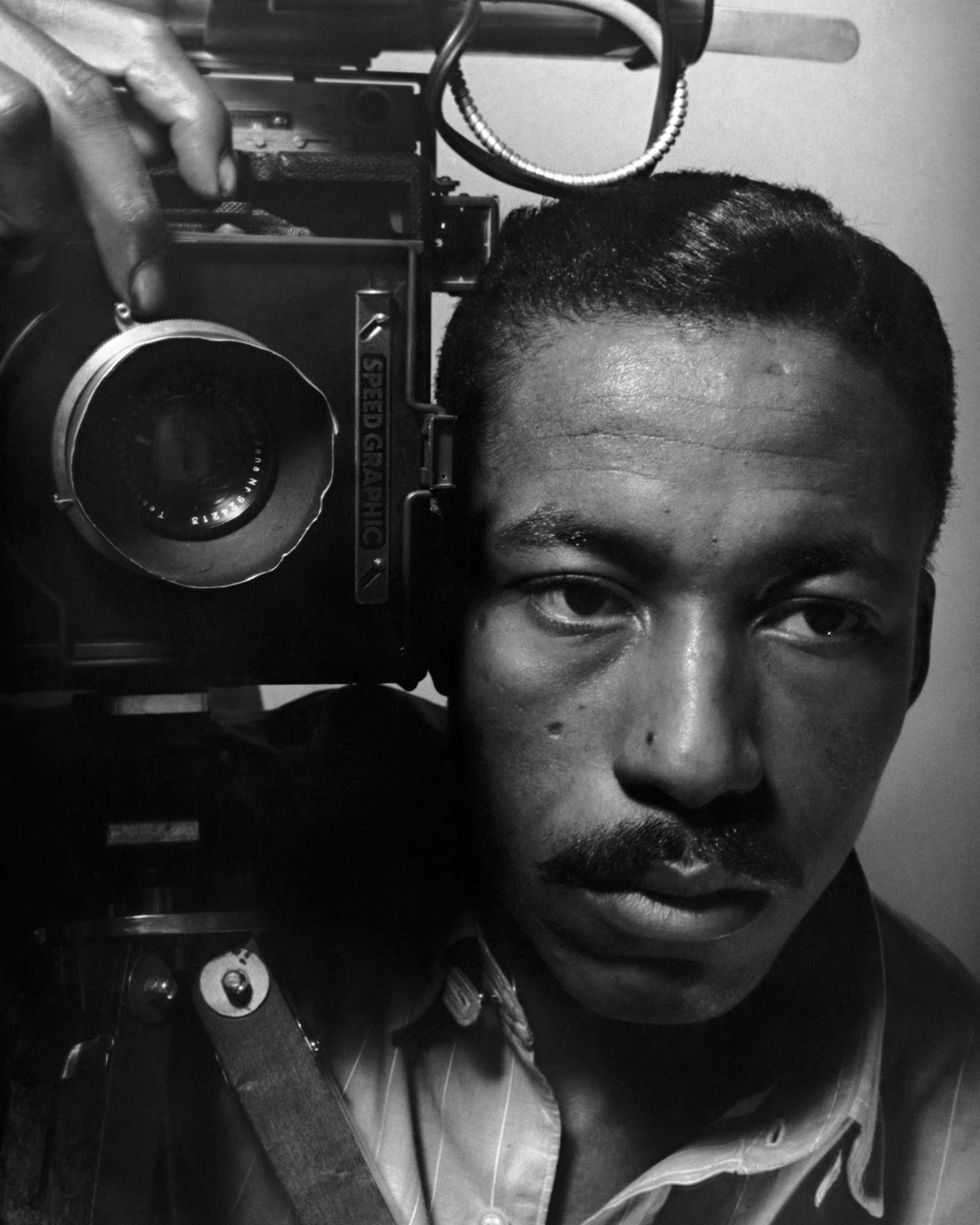
Untitled, 1941. Photograph- Gordon Parks
The show at the Jack Shainman Gallery also marks the 20th anniversary of The Gordon Parks Foundation.
Would you like to support Flashbak?
Please consider making a donation to our site. We don't want to rely on ads to bring you the best of visual culture. You can also support us by signing up to our Mailing List. And you can also follow us on Facebook, Instagram and Twitter. For great art and culture delivered to your door, visit our shop.