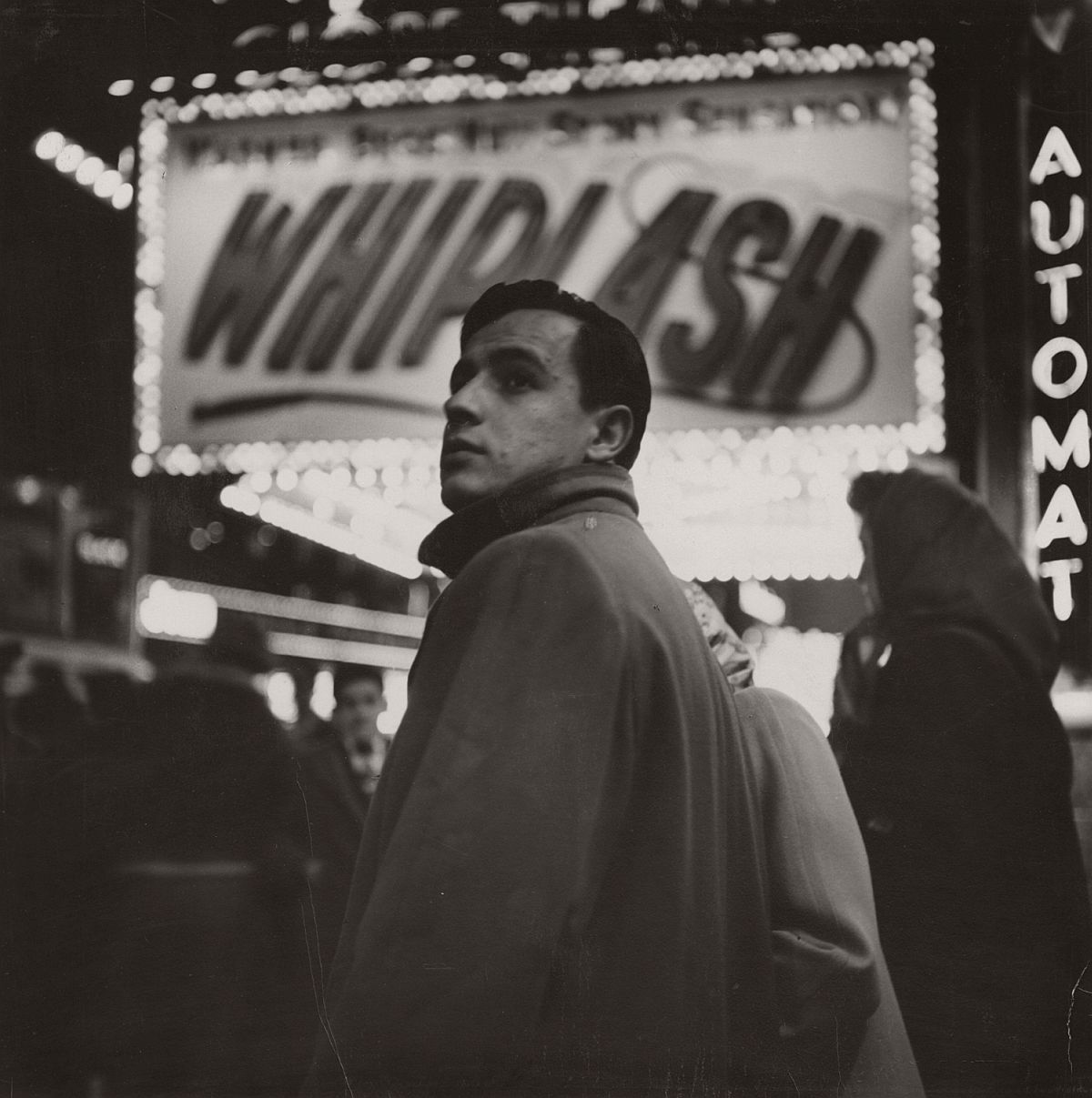
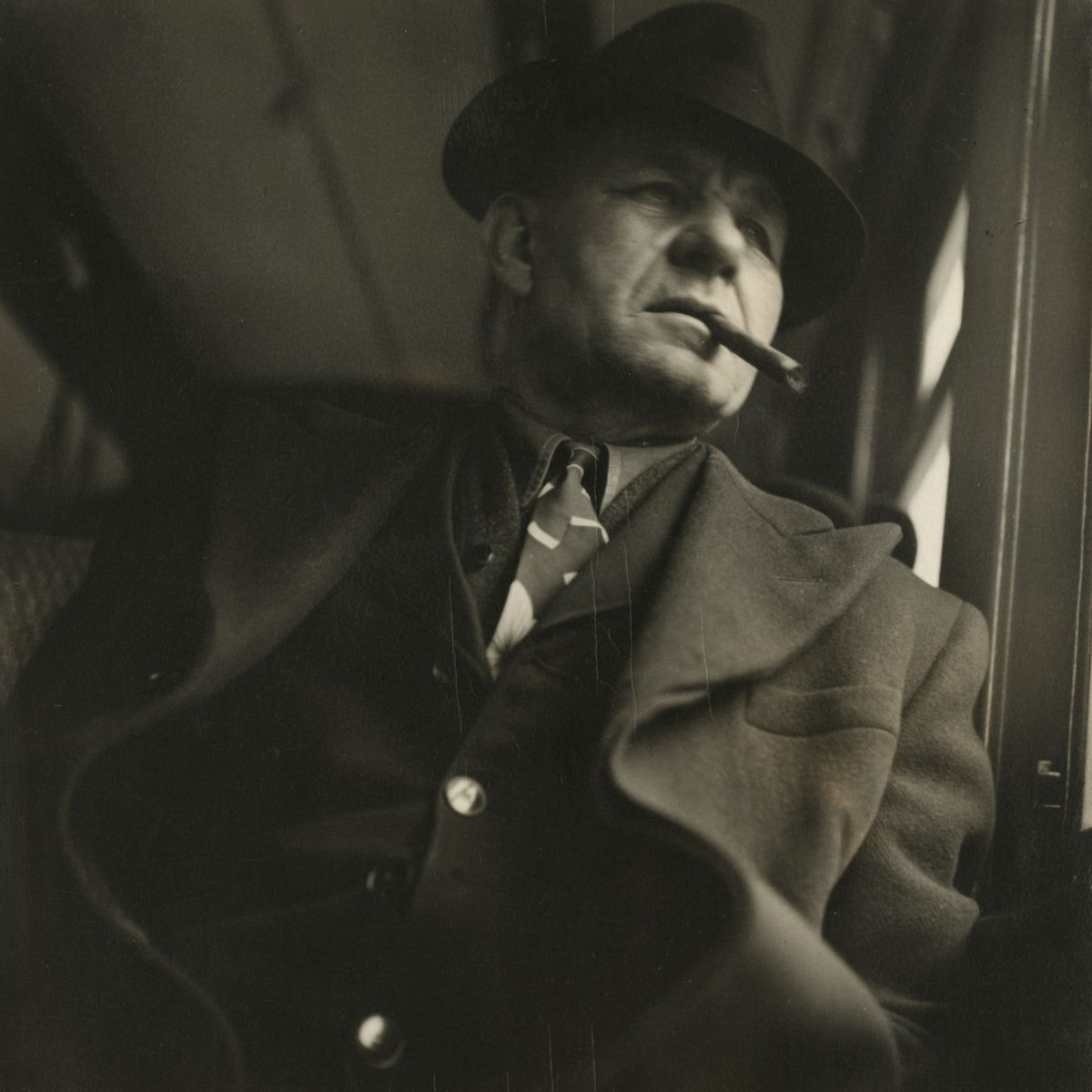
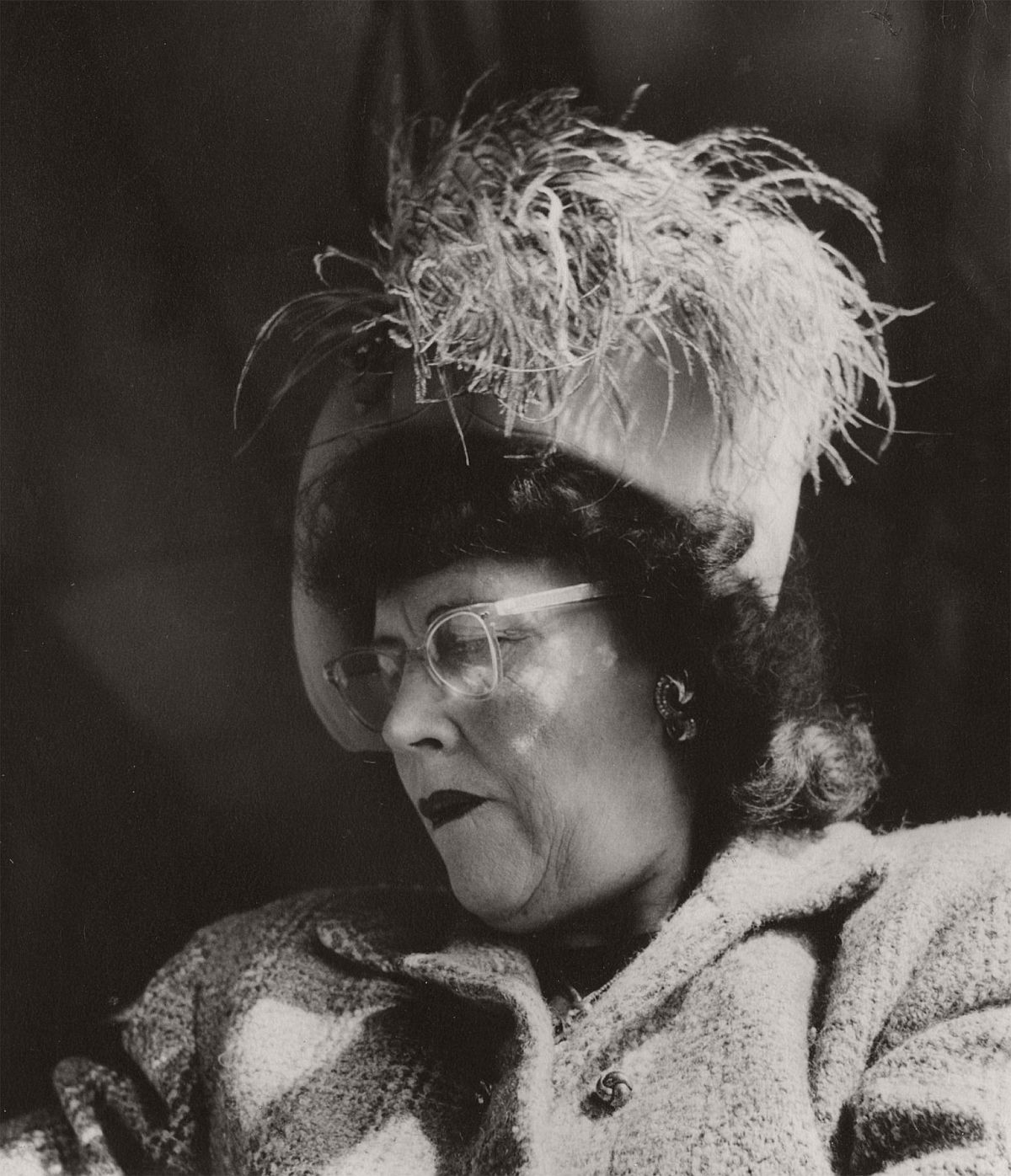
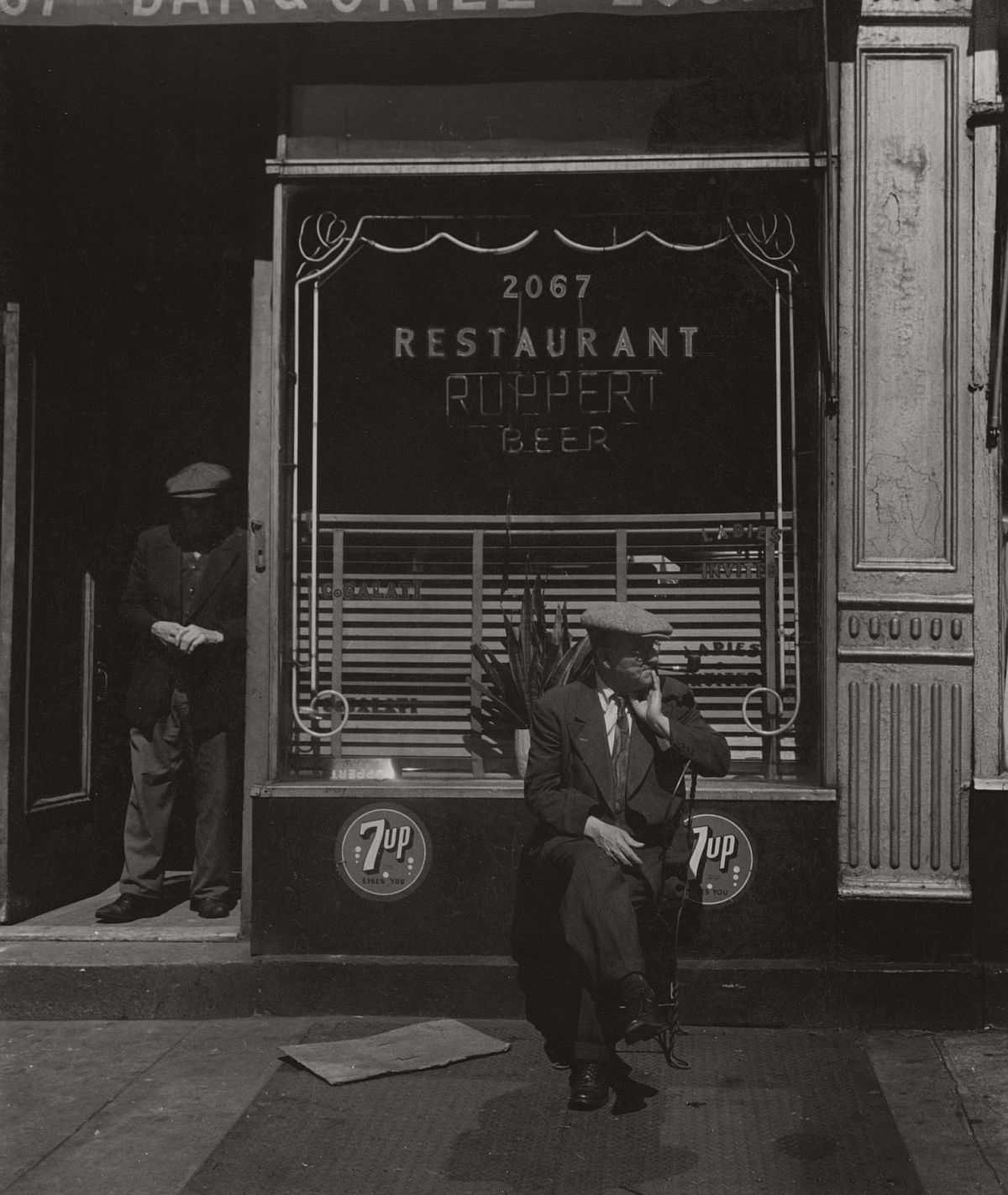
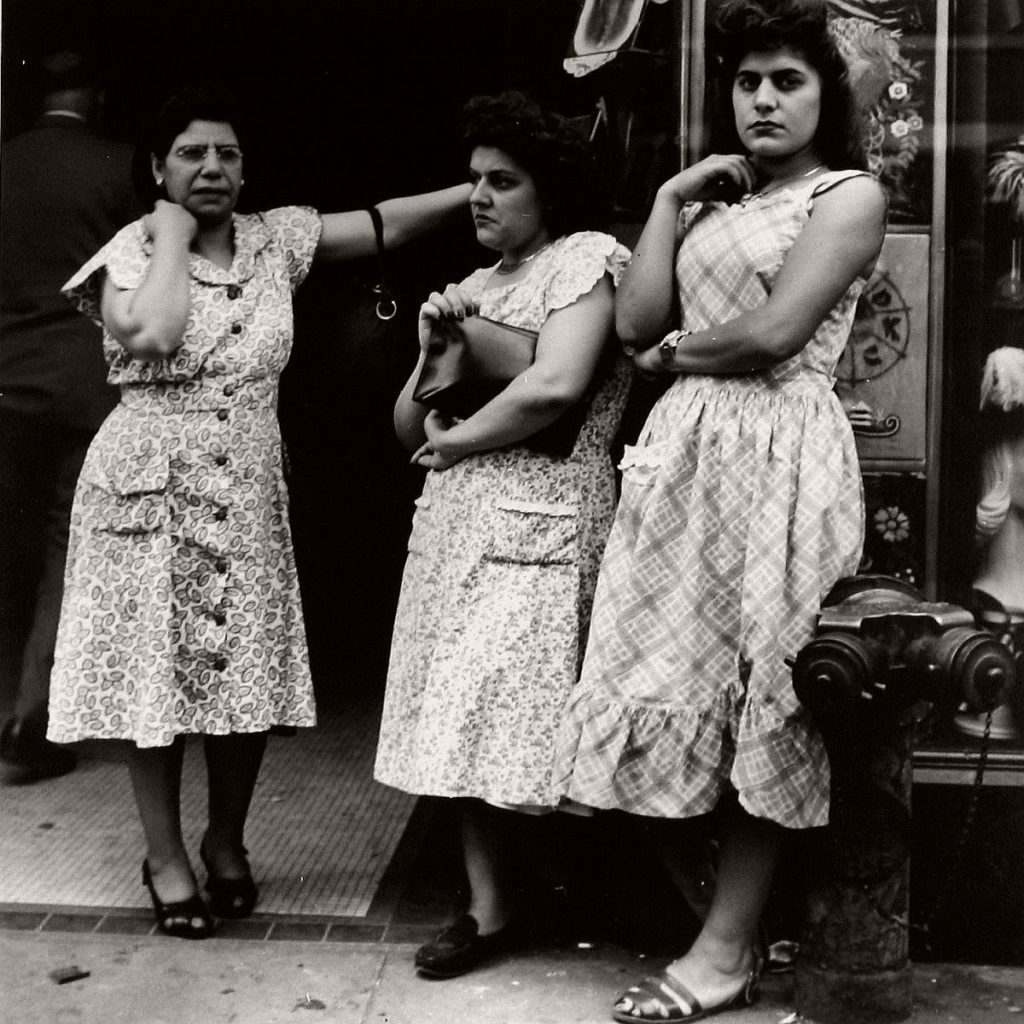
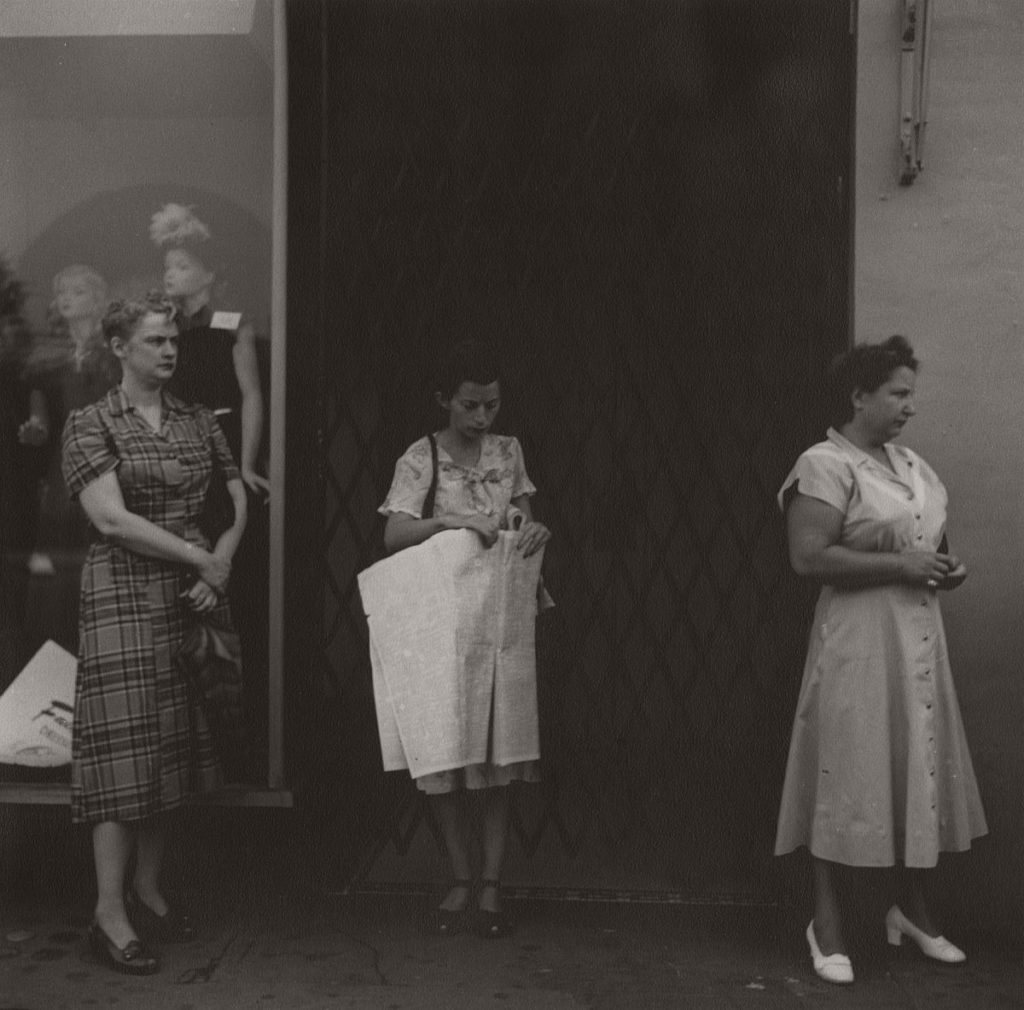
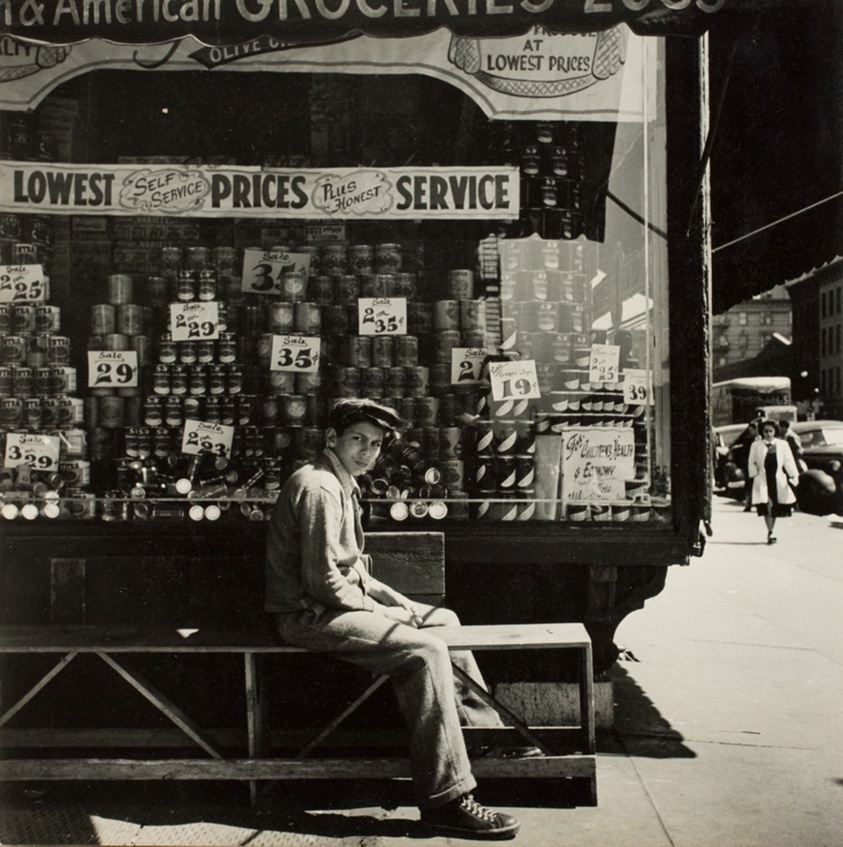
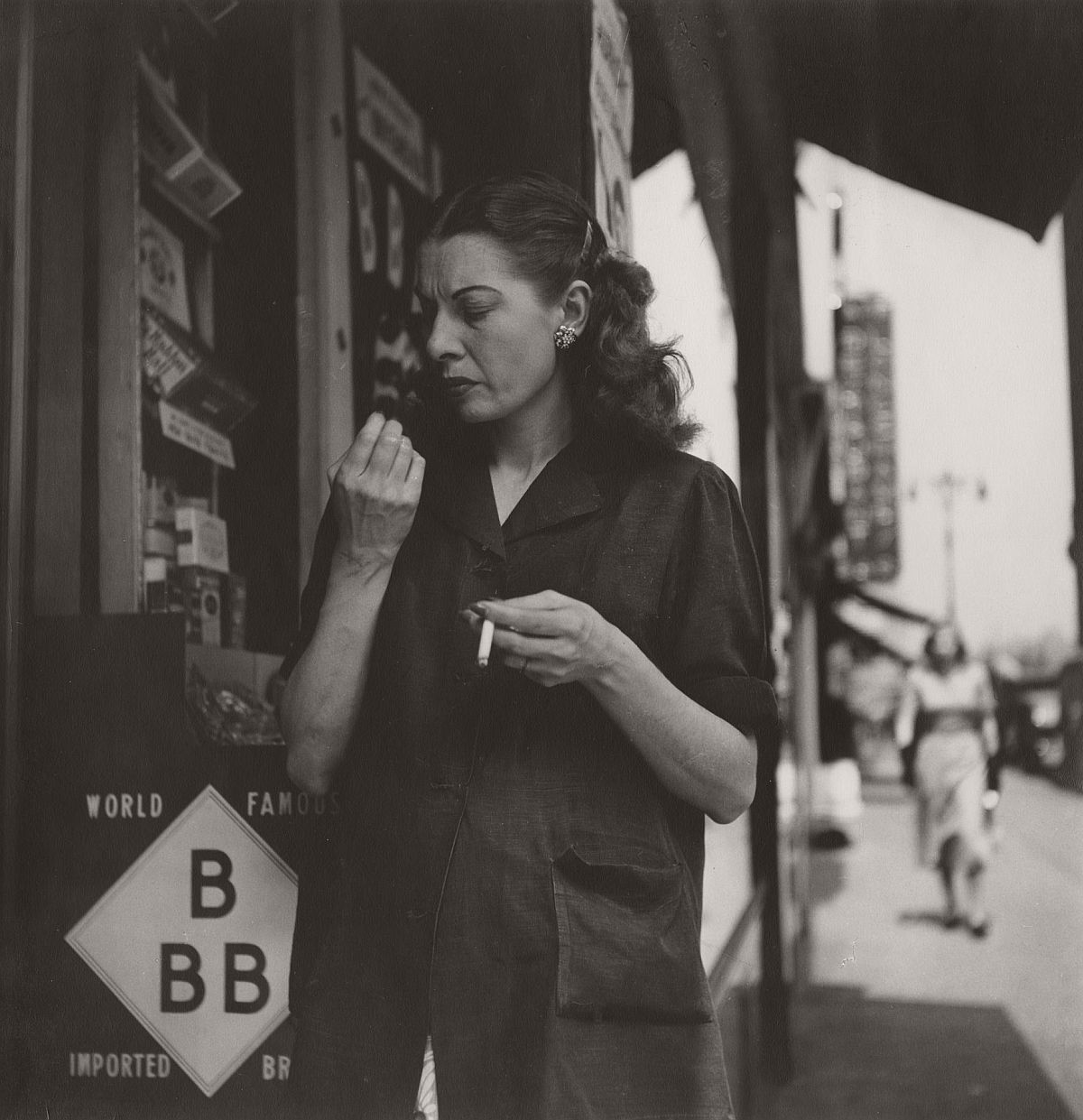
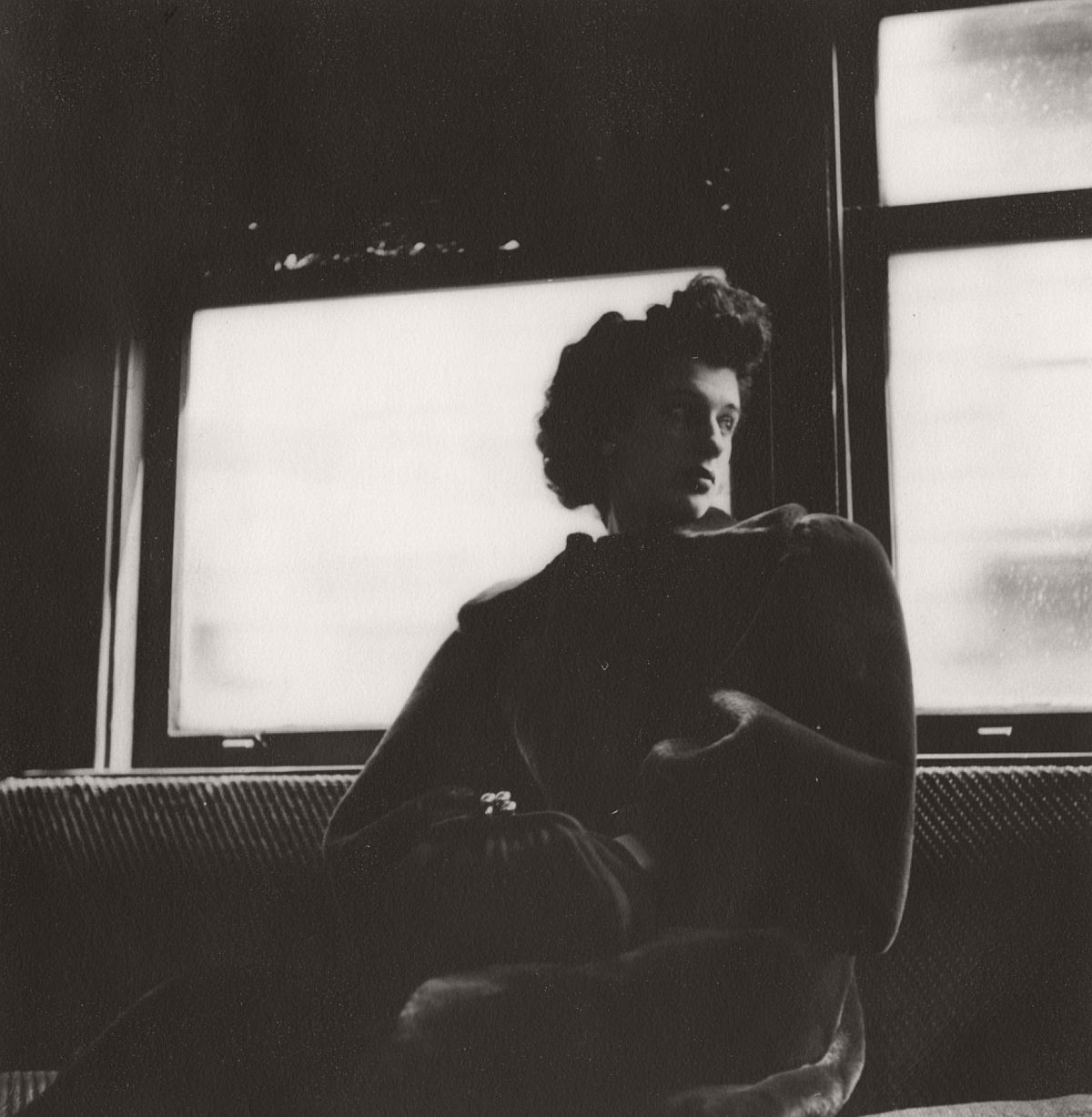
We’ve covered the history of New York many times, sharing rare and previously unseen pictures from all decades of the 20th Century. The city is a street photographer’s dream. Here we look at Sy Kattelson’s views of people in Manhattan taken around 1948.
The Bronx-born photographer, who studied with Sid Grossman and Paul Strand, and had a rich association with the Big Apple’s famed Photo League (1936-1951), would take his camera into Manhattan.
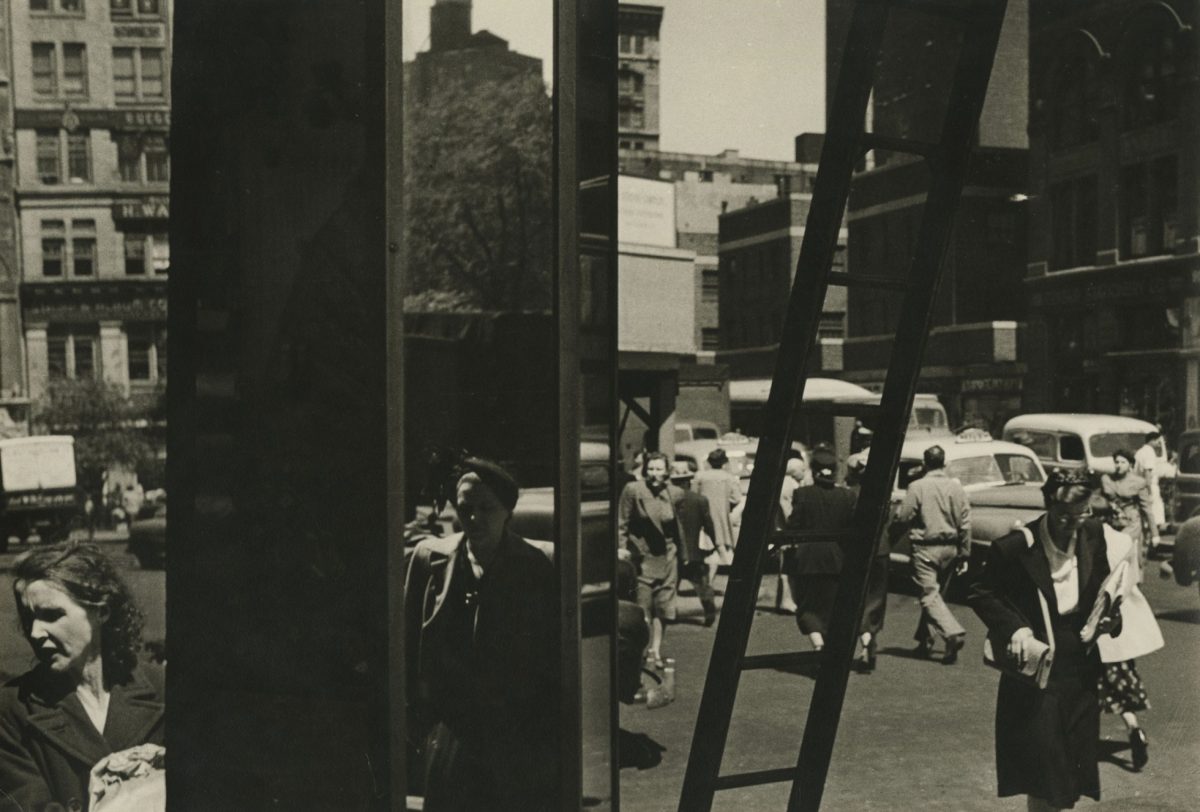
“I try to be as unobtrusive as possible,” he says, “looking for those moments when people are focused in on themselves. And I try to find settings where this inwardness is contrasted by the dynamics of the city, by taxi cabs rushing past, by advertisements, the perspective of the street, and by the other people in the same space, everyone in their own thoughts.”
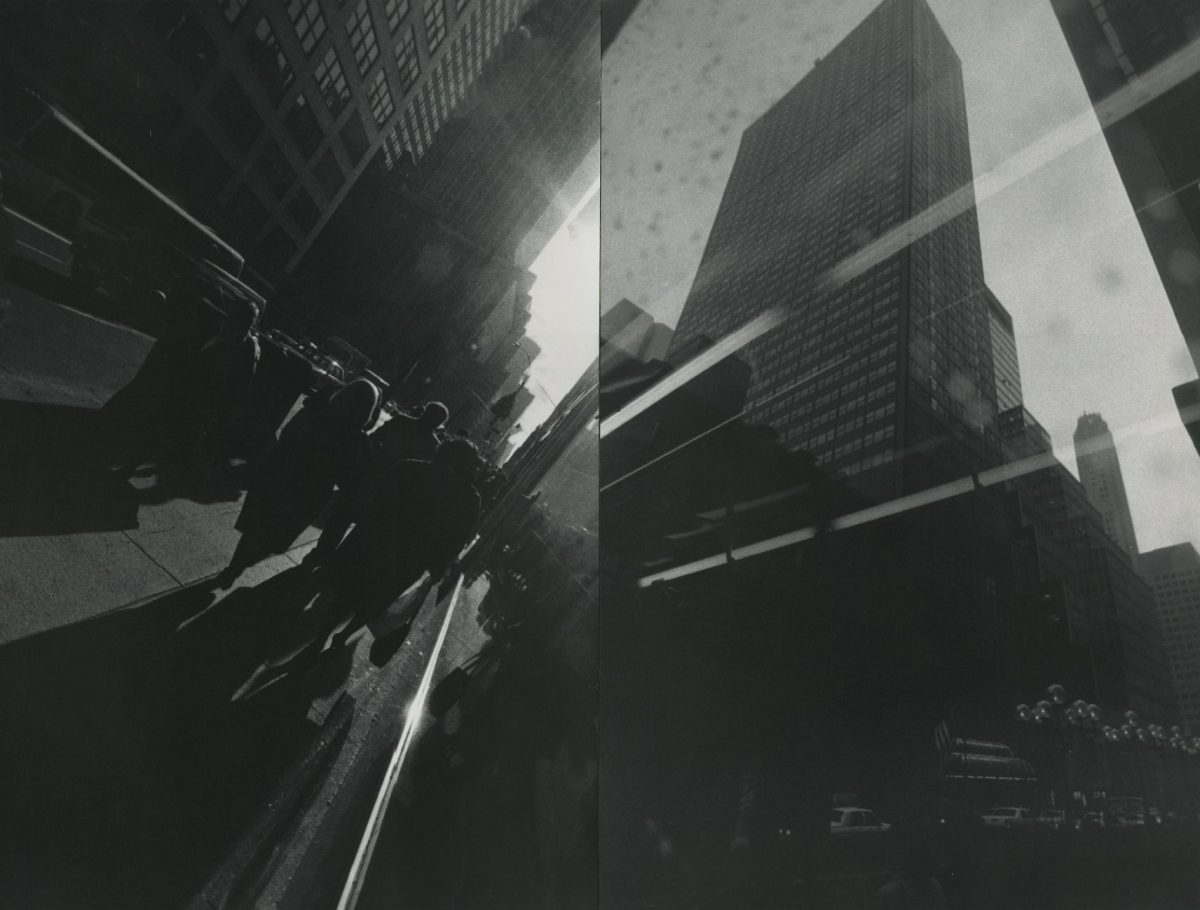
“When I go out to shoot I’m always looking for something, for a specific idea that I have. I wait until I find it. I don’t take a lot of photos. I try to put as much information as I can into each photo. That’s what interested me in reflections – in storefront windows and the windshields of cars. This eventually led me to the double exposures, and to the prints where I butt together two different images.”
– Sy Kattelson (February 11, 1923 – November 24, 2018)

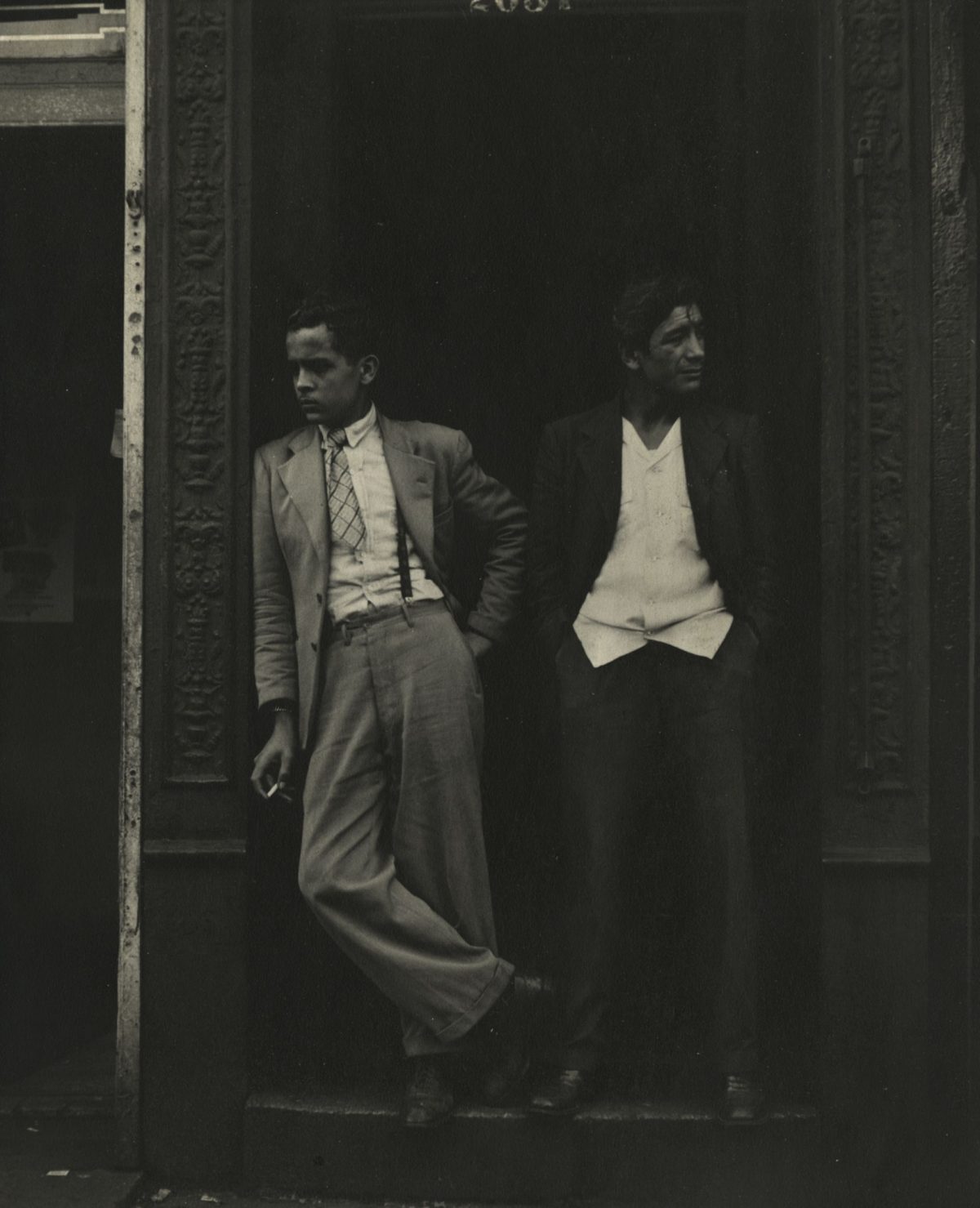

“Most people doing that type of work were doing poverty-stricken people, like on the Lower East Side. I started to think, ‘What about people like me, who were not in poverty?’ So I tried to show people what they were living like.”
– Sy Kattelson
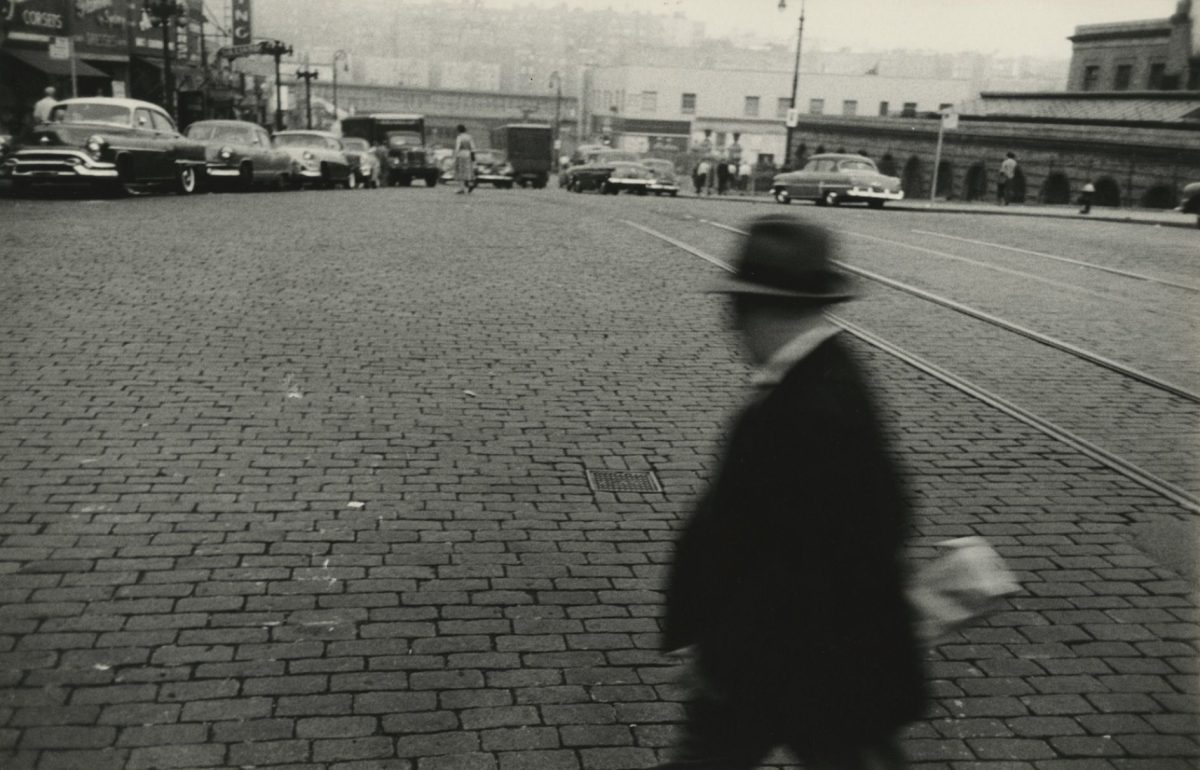
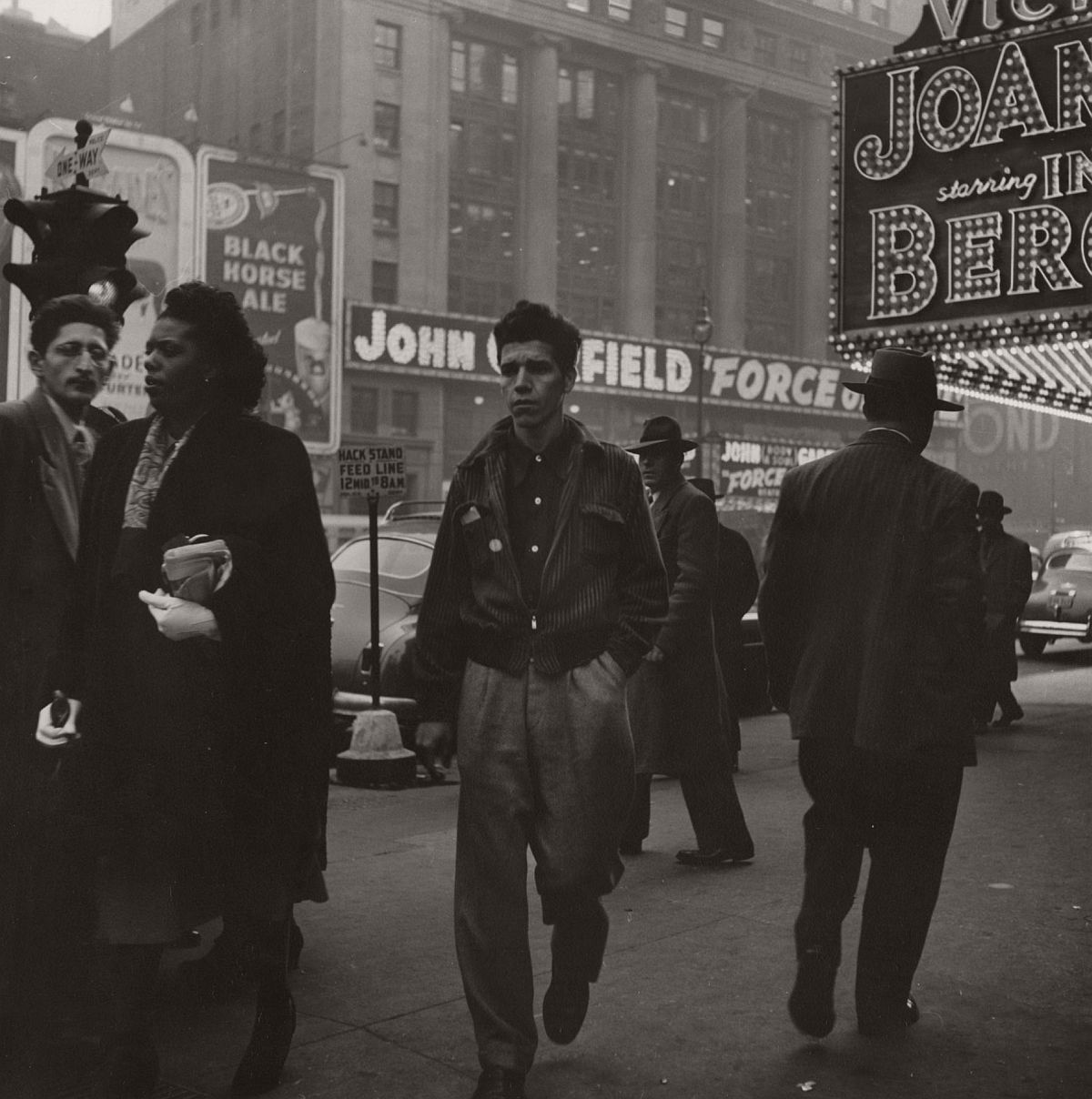
“I remember people arguing about whether photography was a serious art form. The Photo League talked about it the way I thought about it, as a serious art form showing ordinary people’s lives.”
– Sy Kattelson
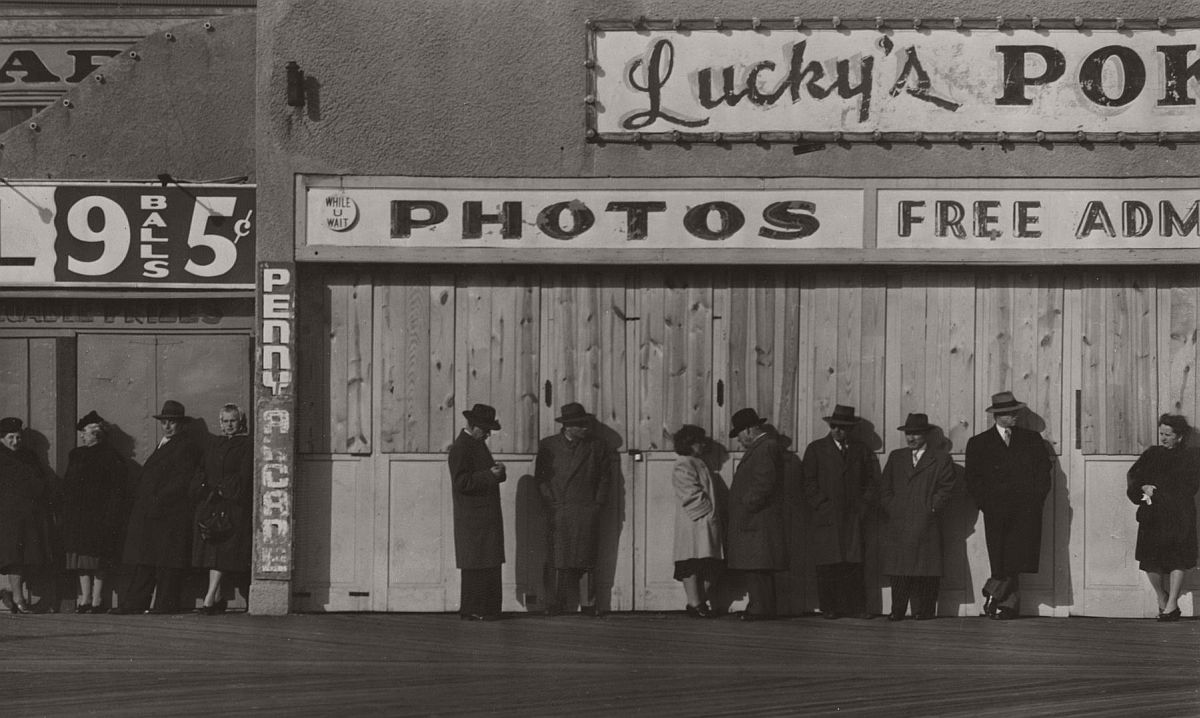
The NYC Photo League
The contributions of the Photo League during its 15-year existence (1936-1951) were significant. As it grew, the League mirrored monumental shifts in the world starting with the Depression, through World War II, and ending with the Red Scare. Born of the worker’s movement, the Photo League was an organisation of young, idealistic, first-generation American photographers, most of them Jewish, who believed in documentary photography as an expressive medium and powerful tool for exposing social problems. It was also a school with teachers such as Sid Grossman, who encouraged students to take their cameras to the streets and discover the meaning of their work as well as their relationship to it. The League had a darkroom for printing, published an acclaimed newsletter called Photo Notes, offered exhibition space, and was a place to socialise.
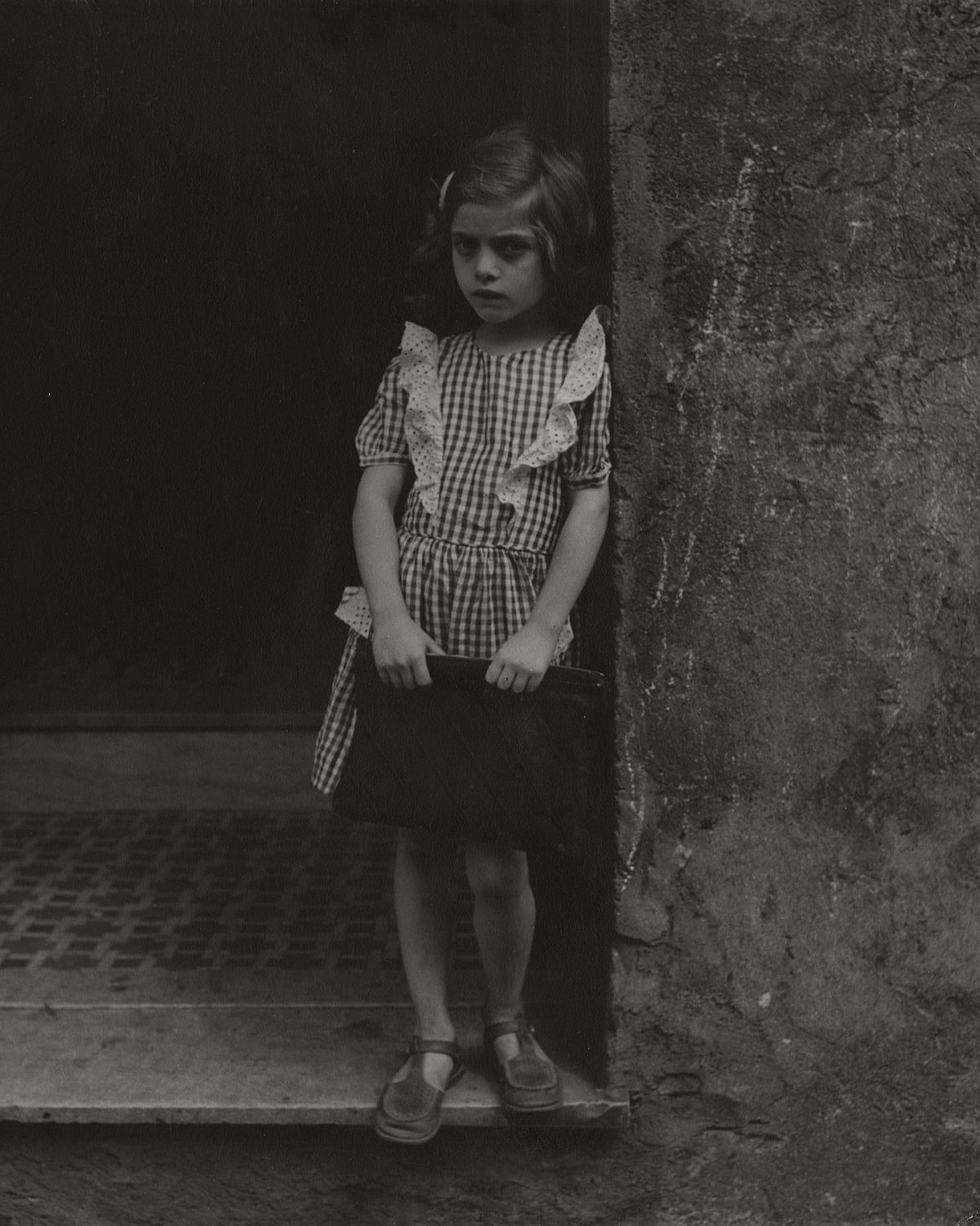
The Photo League helped validate photography as a fine art, presenting student work and guest exhibitions by established photographers such as Eugène Atget, Henri Cartier-Bresson, and Edward Weston, among others. These affecting black and white photographs show life as it was lived mostly on the streets, sidewalks and subways of New York. Joy and playfulness as well as poverty and hardship are in evidence. In addition to their urban focus, “Leaguers” photographed rural America, and during World War II, took their cameras to Latin America and Europe. The exhibition also addresses the active participation of women who found rare access and recognition at the League. The Radical Camera presents the League within a critical, historical context. Developments in photojournalism were catalysing a new information era in which photo essays were appearing for the first time in magazines such as Life and Look. As time went on, its social documentary roots evolved toward a more experimental approach, laying the foundation for the next generation of street photographers.
In 1947, the League came under the pall of McCarthyism and was blacklisted for its alleged involvement with the Communist Party. Ironically, the Photo League had just begun a national campaign to broaden its base as a “Center for American Photography.” Despite the support of Ansel Adams, Beaumont and Nancy Newhall, Paul Strand, and many other national figures, this vision of a national photography centre could not overcome the Red Scare. As paranoia and fear spread, the Photo League was forced to disband in 1951. The Radical Camera: New York’s Photo League, 1936-1951 has been organised by The Jewish Museum, New York, and the Columbus Museum of Art, Ohio. Major support was provided by the Phillip and Edith Leonian Foundation, the National Endowment for the Arts, and Limited Brands Foundation.”
– The Norton Museum of Art website
Seymour ‘Sy’ Kattelson was born in the Bronx on Feb. 11, 1923. His father, Robert, was an electrician, and his mother, Bertha (Garfunkel), owned a corset shop.
He grew up in the Bronx and Queens and attended Stuyvesant High School in Manhattan, where he discovered a penchant for engineering. But he left school before graduating because he thought that, as a Jew, he had little chance of becoming an engineer; he also wanted to find a job to help his family make ends meet during the Great Depression.
He grew interested in photography after he was hired as a delivery boy for the Aremac Camera Company in Midtown Manhattan. He went on to learn the basics of the craft working at photo studios in the city. In 1942, with the onset of World War II, he enlisted in the Army Air Corps and became an aerial cartographer. After the war he was briefly an Army publicity photographer in France.
When he returned home, he married Rita Lord. The marriage ended in divorce, as did a second, to Estelle Haber.
In 1961 Mr. Kattelson moved to Woodstock, N.Y., where he established an art house movie theater that became the Tinker Street Cinema. He sold the theater, now known as Upstate Films/Woodstock, and moved back to New York City in the 1980s.
Mr. Kattelson moved back upstate, to Saugerties, in the early 1990s and lived there until three years ago, when he moved across the Hudson River to Rhinebeck.
In addition to his daughter Raina, from his marriage to Ms. Haber, he is survived by three grandchildren.
Via: Howard Greenberg Gallery, Christies
Would you like to support Flashbak?
Please consider making a donation to our site. We don't want to rely on ads to bring you the best of visual culture. You can also support us by signing up to our Mailing List. And you can also follow us on Facebook, Instagram and Twitter. For great art and culture delivered to your door, visit our shop.