“A picture gives it life. As though if it didn’t exist on the page, it would be less.”
– William Eggleston
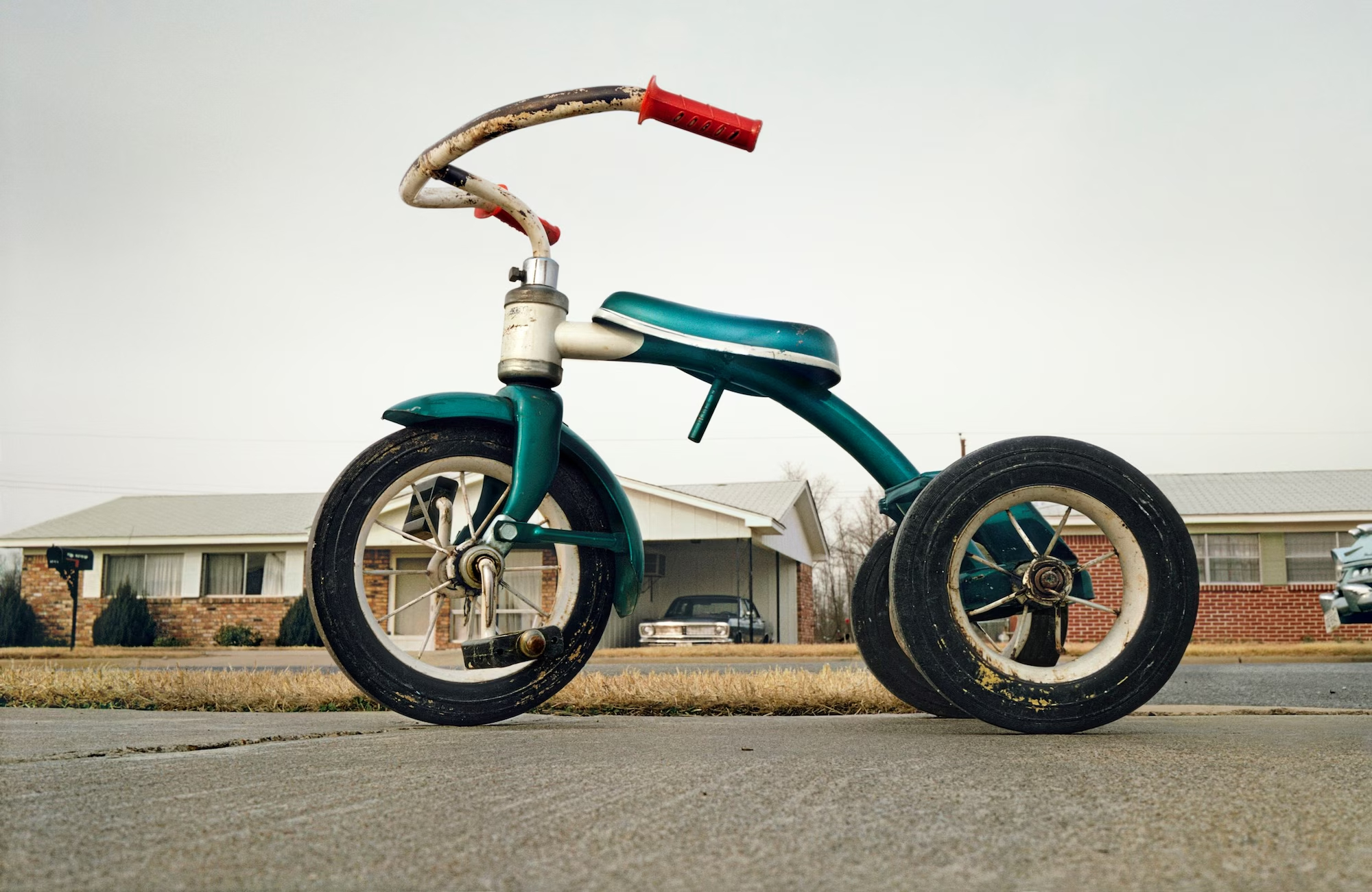
Untitled, Memphis, 1969
At The Photographers’ Gallery, London, a new show All That Goes Unnoticed mixes the Memphis-born maverick’s colour-saturated works with earlier, lesser-known monochromes.
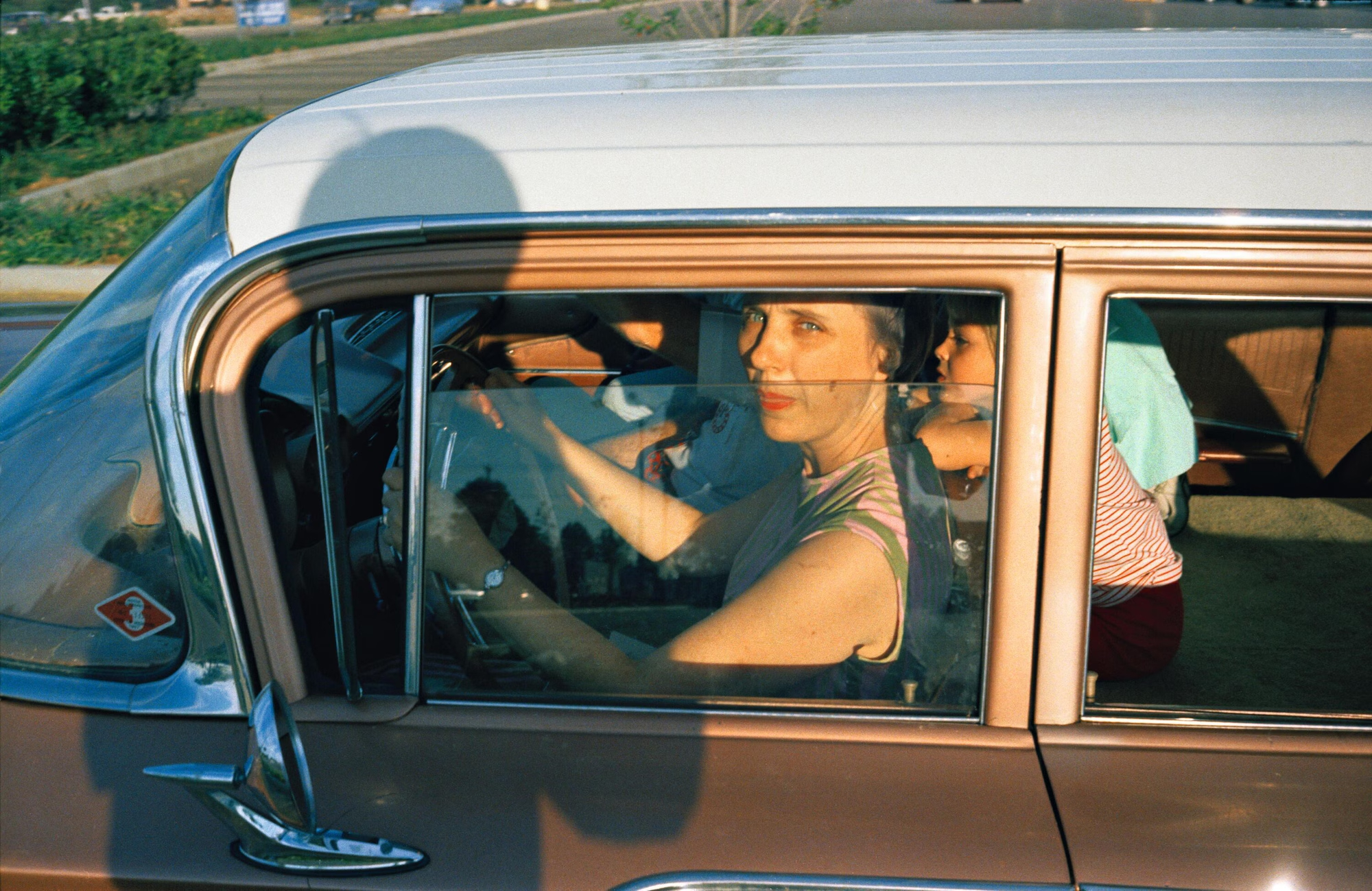
Untitled, (Woman and Children in Car) from the series Dust Bells, c 1970-74
In there 1960s, worthy art photographs cam in black an white. In 1967, William Eggleston (born July 27, 1939) met John Szarkowski (December 18, 1925 – July 7, 2007), a photographer and curator at MoMA, New York who had. written Looking at Photographs (1973), a practical set of examples on how to write about photographs
At Szarkowski’s insistence, the museum bought one of Eggleston’s works and in 1976 staged the photographer’s first solo show. Called William Eggleston’s Guide the show forced the knowing art world to deal with colour photography.
These show’s accompanying catalogue contained 48 images of people, landscapes and odd, off-centre moments in and around Eggleston’s hometown of Memphis, Tennessee. What a friend had called the “boring things” were Eggleston’s manna for a man who style himself as “at war with the obvious”.
The catalogue opened with a quotation from Walt Whitman’s Leave of Grass:
“I do not doubt but the majesty and beauty of the world are latent in any iota of the world…I do not doubt there is far more in trivialities, insects, vulgar persons, slaves, dwarfs, weeds, rejected refuse, than I have supposed…”
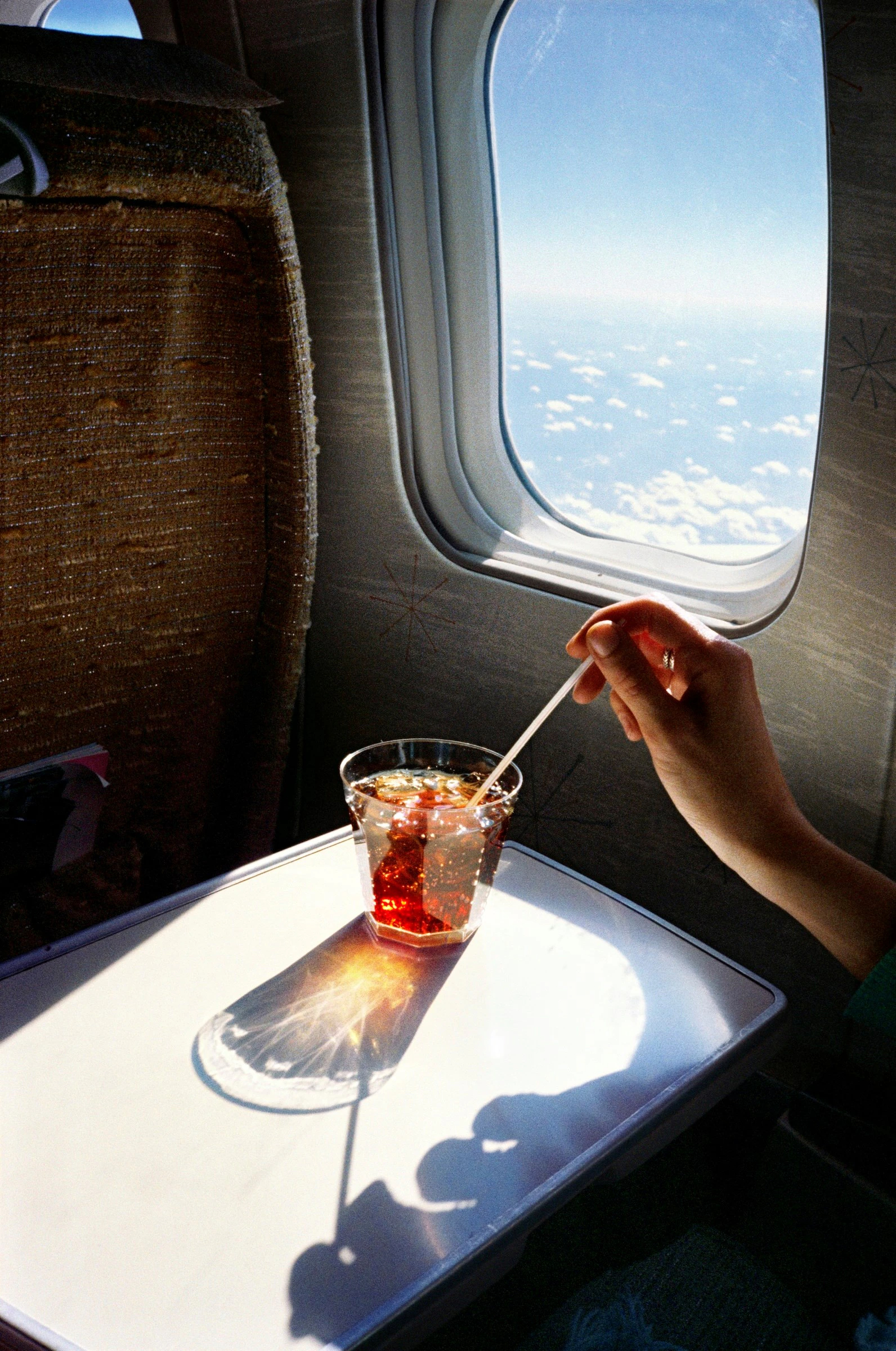
Untitled, from the series Los Alamos, 1965-1974
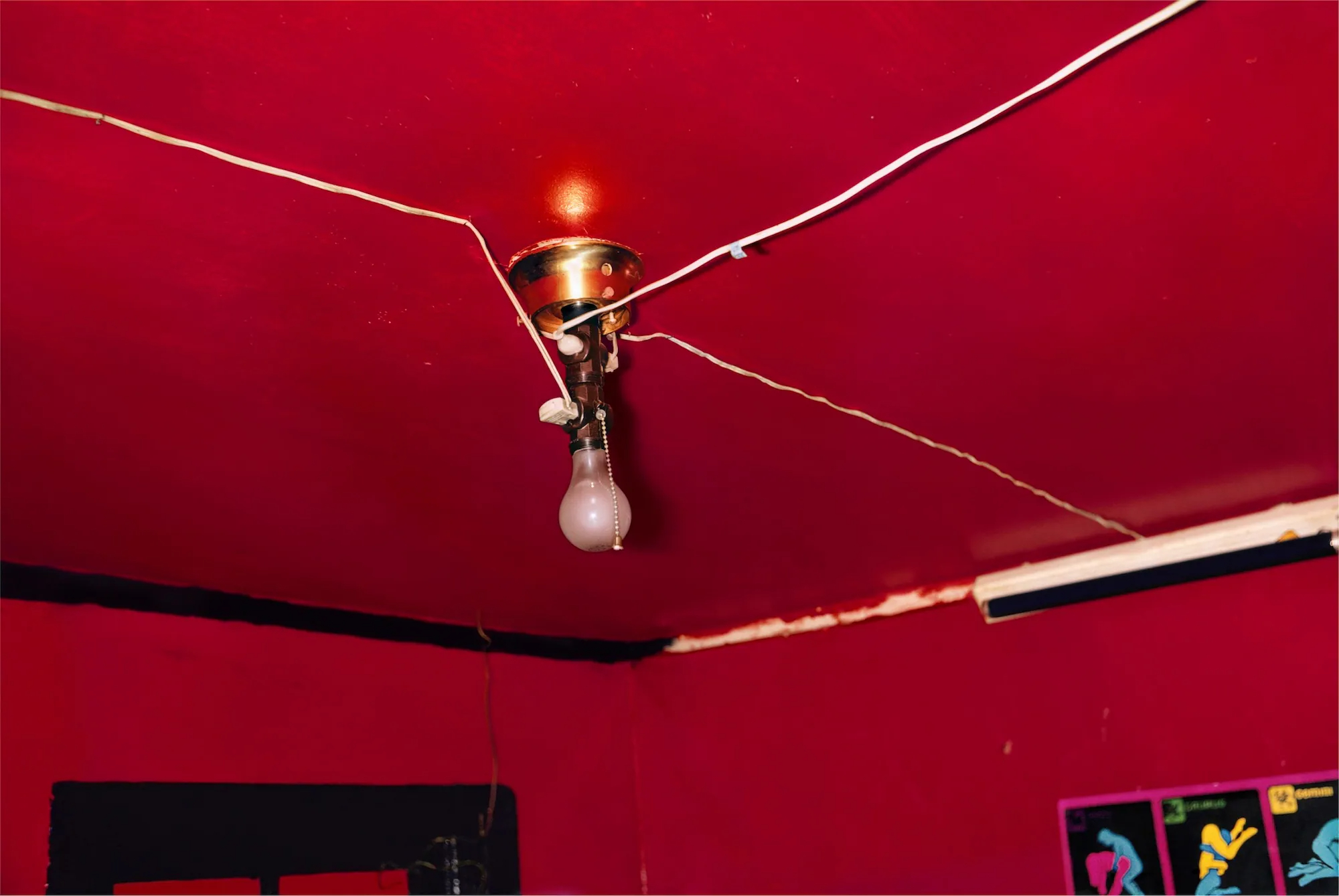

Untitled, Greenwood, Mississippi, 1973
“Black-and-white photography, which I was doing in the very early days, was essentially called art photography and usually consisted of landscapes by people like Ansel Adams and Edward Weston. But photographs by people like Adams didn’t interest me. And what we called photojournalism, the photos seen in places like Life magazine, didn’t interest me either. They were just not good-there was no art there. The first person who I respected immensely was Henri Cartier-Bresson. I still do…
“He couldn’t understand why I was working in color. He said something to me like, “Don’t you think it’s ridiculous?” If so, I spent an awful lot of years wasting my time.”
– William Eggleston in Interview
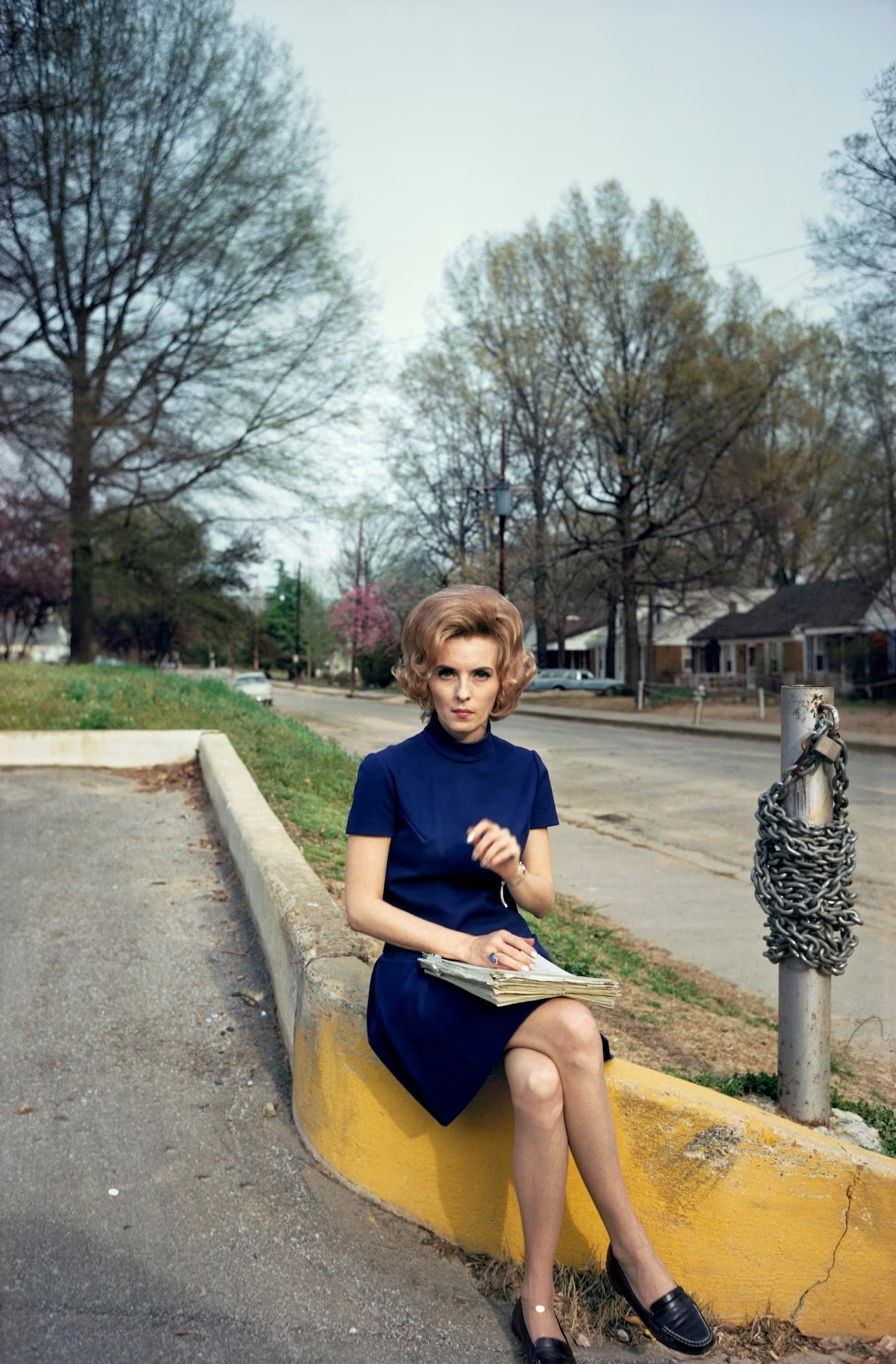
Untitled, Memphis, c 1971
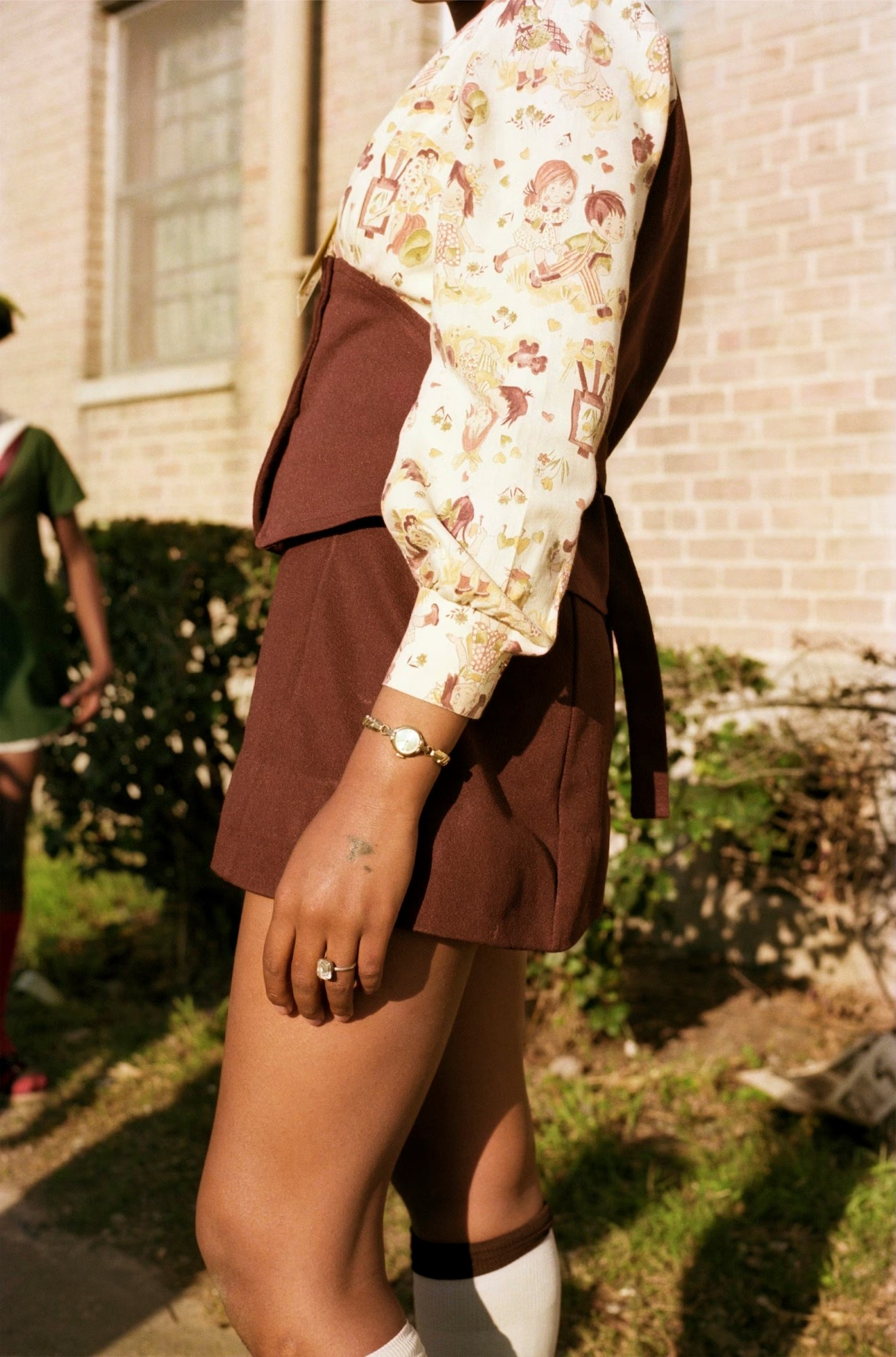

Untitled, Memphis, from the series Los Alamos, c 1971-74
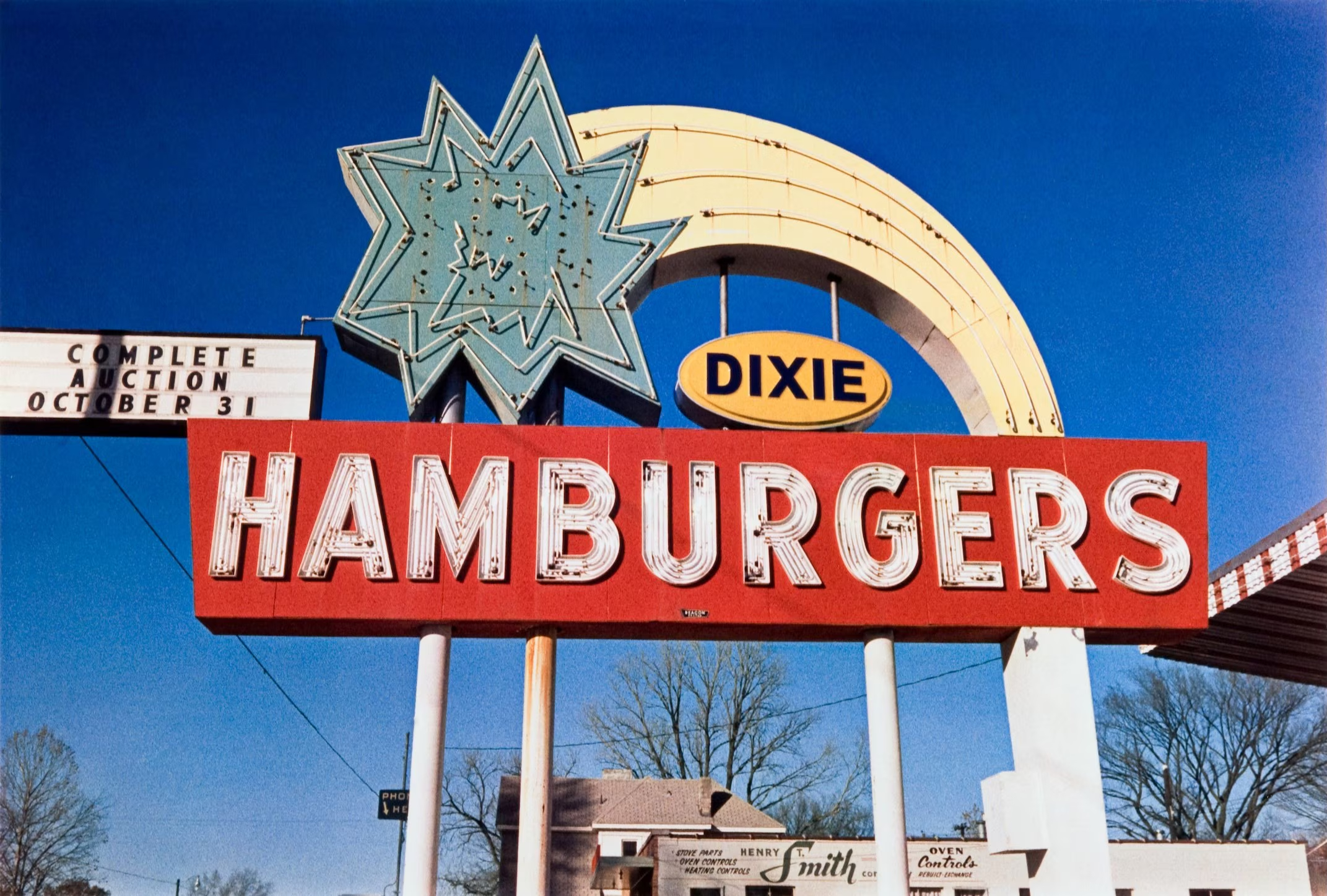
Untitled, Memphis, from the series Los Alamos, c 1971-74,
“I try to study everything about the thing, from every angle, the way colours work against no colour – those black-and-white areas – which is very important. The subject could be anything. A picture gives it life. As though if it didn’t exist on the page, it would be less.”
– William Eggleston in Art Review
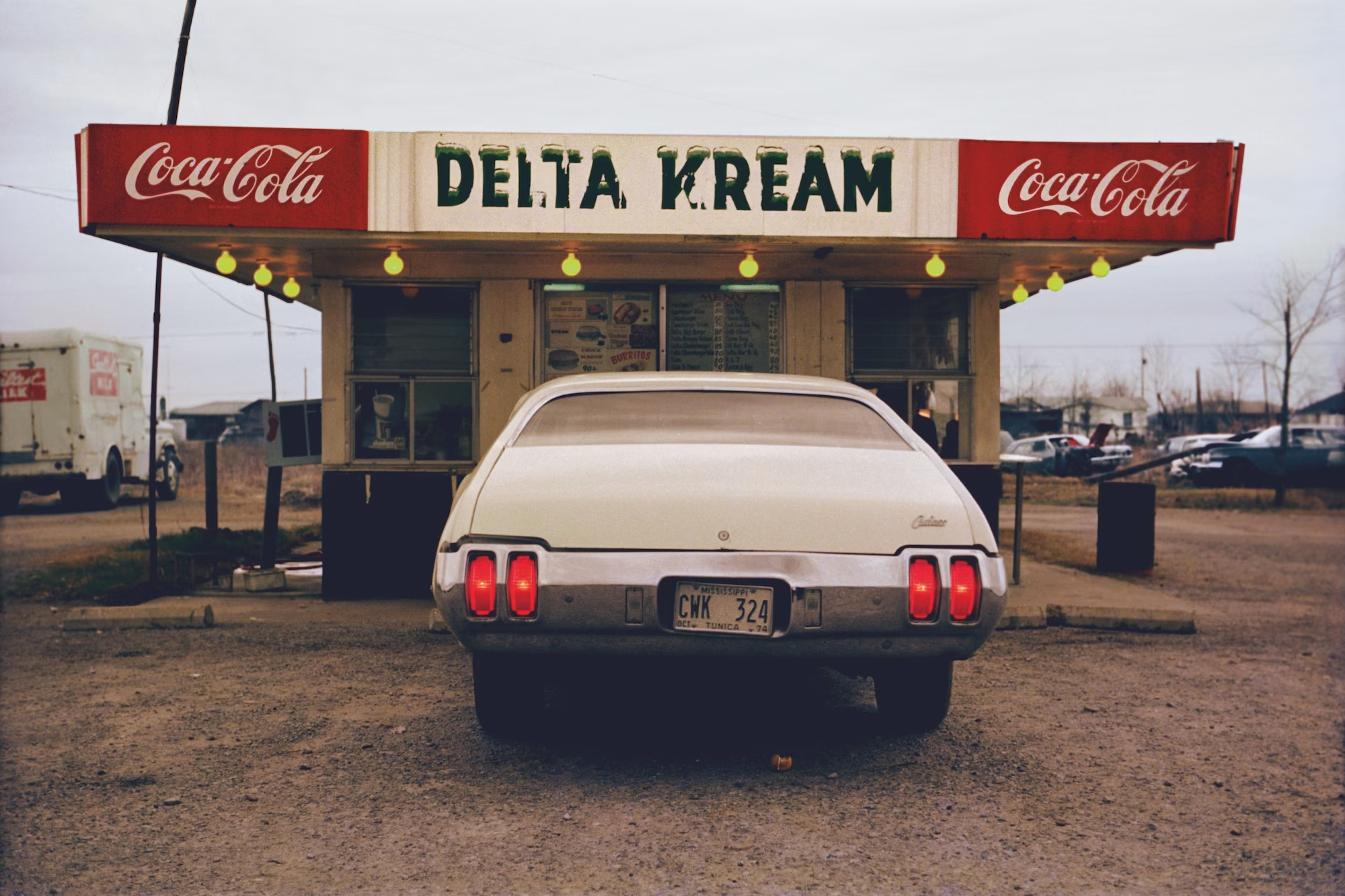
Untitled, Memphis, from the series Los Alamos, c 1971-74
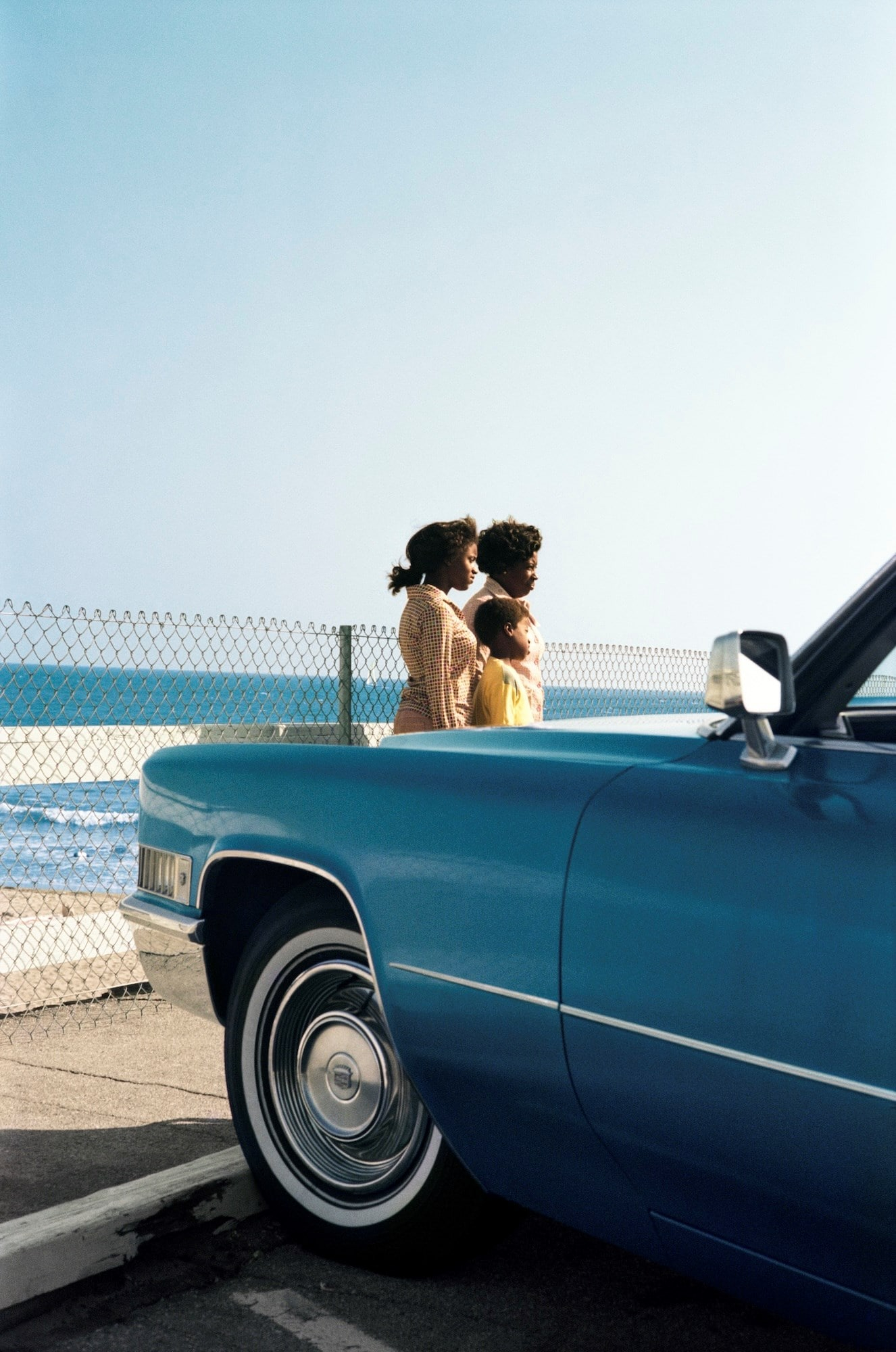
Untitled, Santa Monica, from the series Los Alamos, 1971-74
Born in Memphis in 1939, Eggleston was raised in a grand house on a former cotton plantation amid considerable wealth and privilege… His father was killed in action during the Second World War and he was raised by his grandfather, Joseph Albert May, who pursued photography as a hobby. Eggleston attended military academy, then Vanderbilt University and ‘Ole Miss’ – the University of Mississippi – without ever graduating. He took up the camera reluctantly in 1957, encouraged by his best friend, who was impressed by his enthusiasm for the work of Cartier-Bresson and Walker Evans.
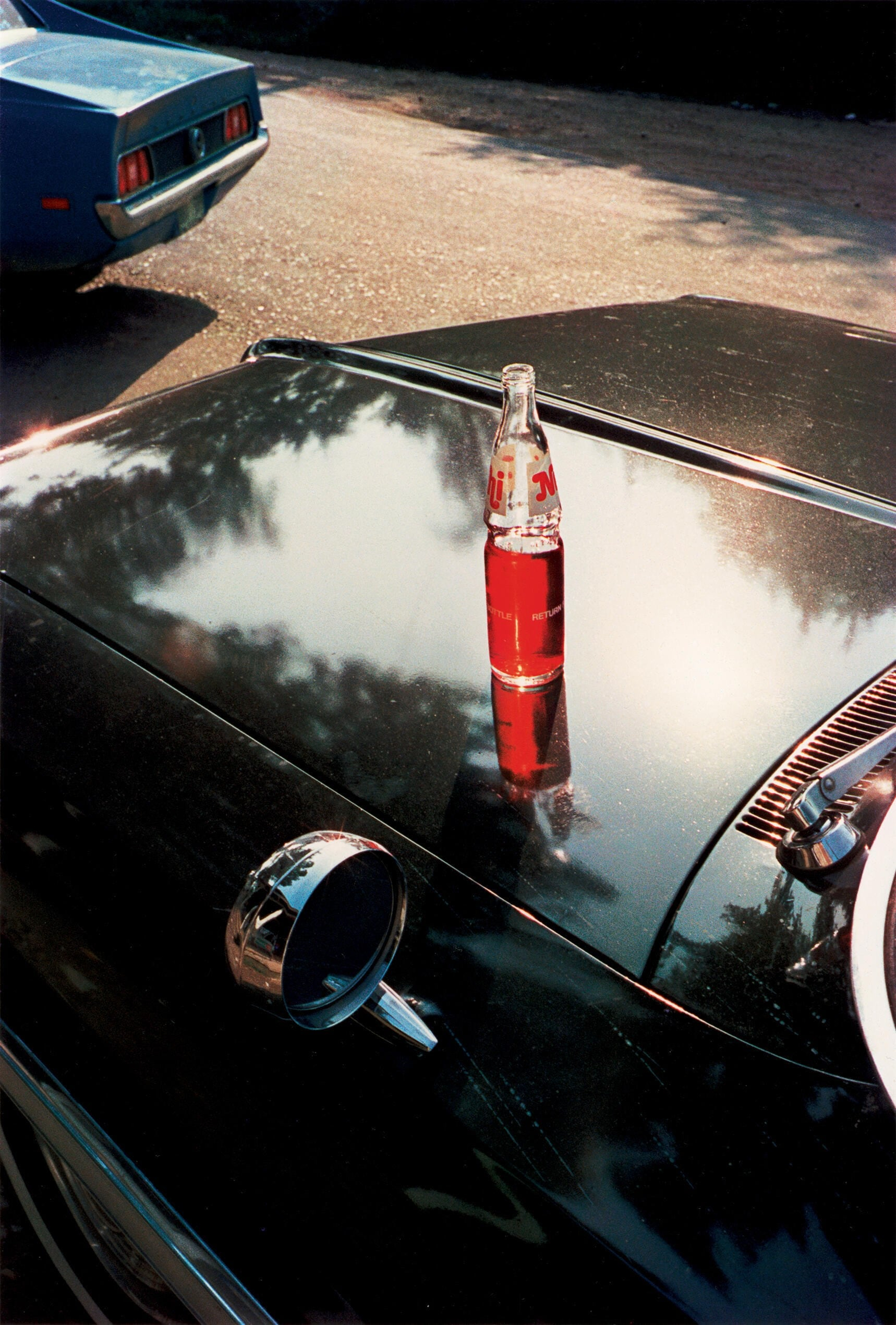
Untitled, Tennessee, from the series Los Alamos, c 1971-74
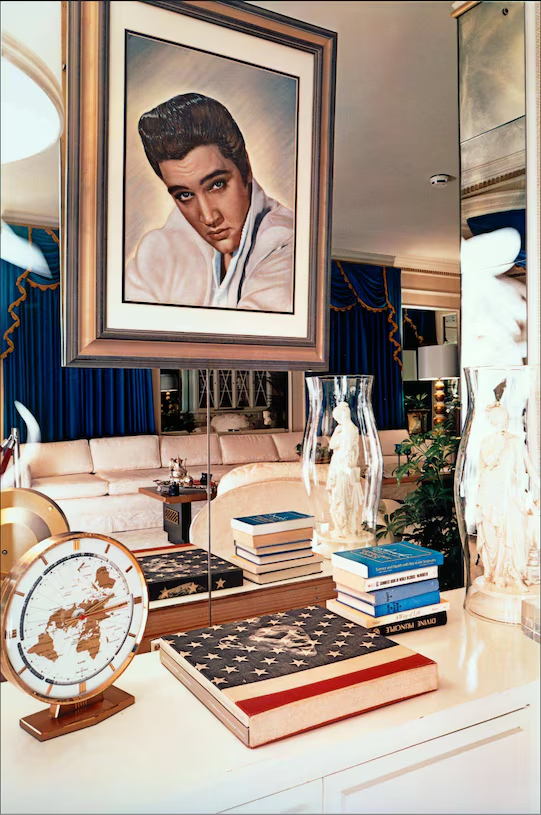
Untitled (Elvis and Kennedy) from the series William Eggleston’s Graceland, 1983
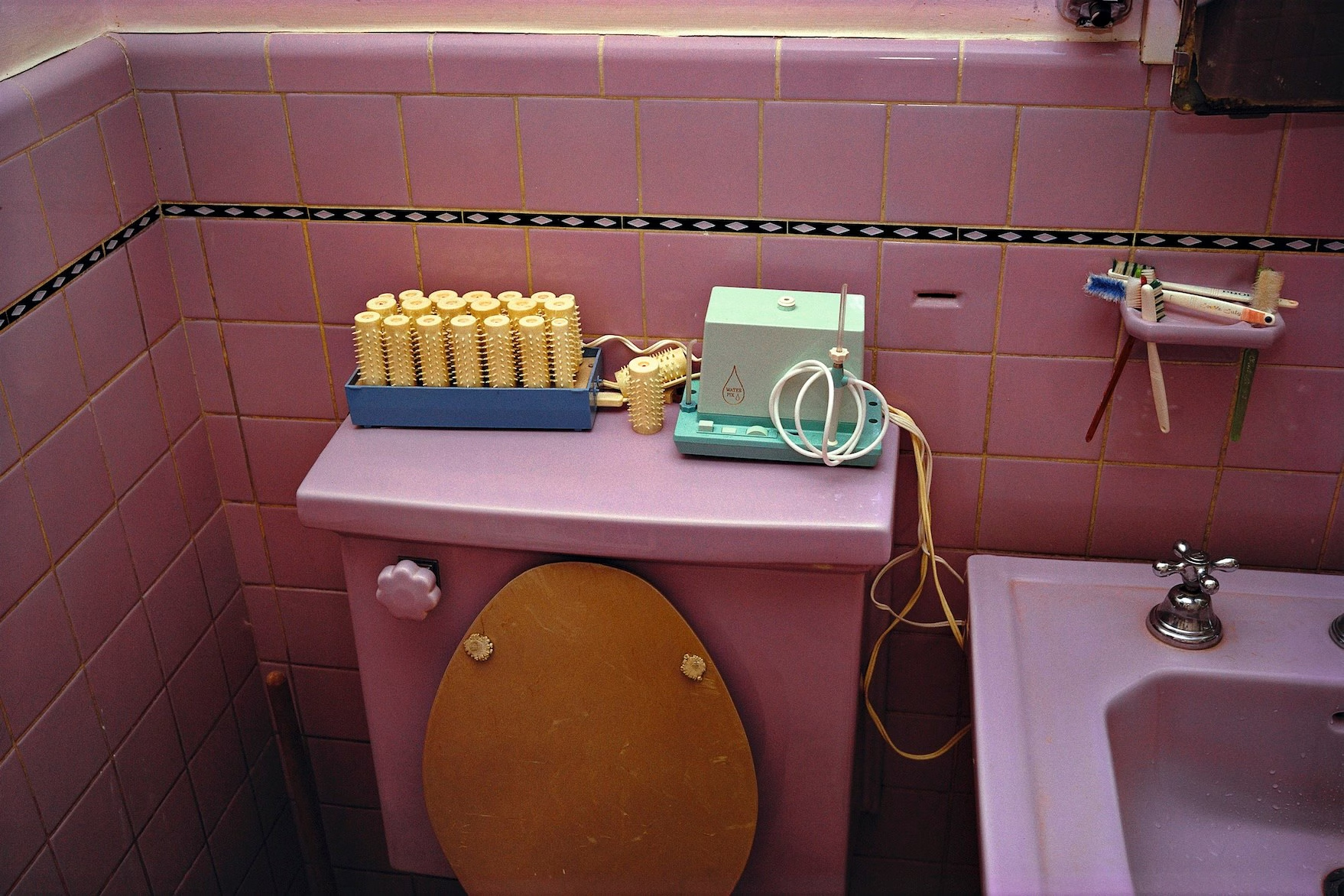
Untitled (Pink Bathroom), from the series Chromes, c. 1970-73
While teaching at Harvard in 1973 and 1974 he had discovered dye-transfer printing.
‘I was reading the price list of this lab in Chicago and it advertised “from the cheapest to the ultimate print”. The ultimate print was a dye-transfer. I went straight up there to look and everything that I saw was commercial work like pictures of cigarette packs or perfume bottles but the color saturation and the quality of the ink was overwhelming. I couldn’t wait to see what a plain Eggleston picture would look like with the same process. Every photograph I subsequently printed with the process seemed fantastic and each one seemed better than the previous one.’
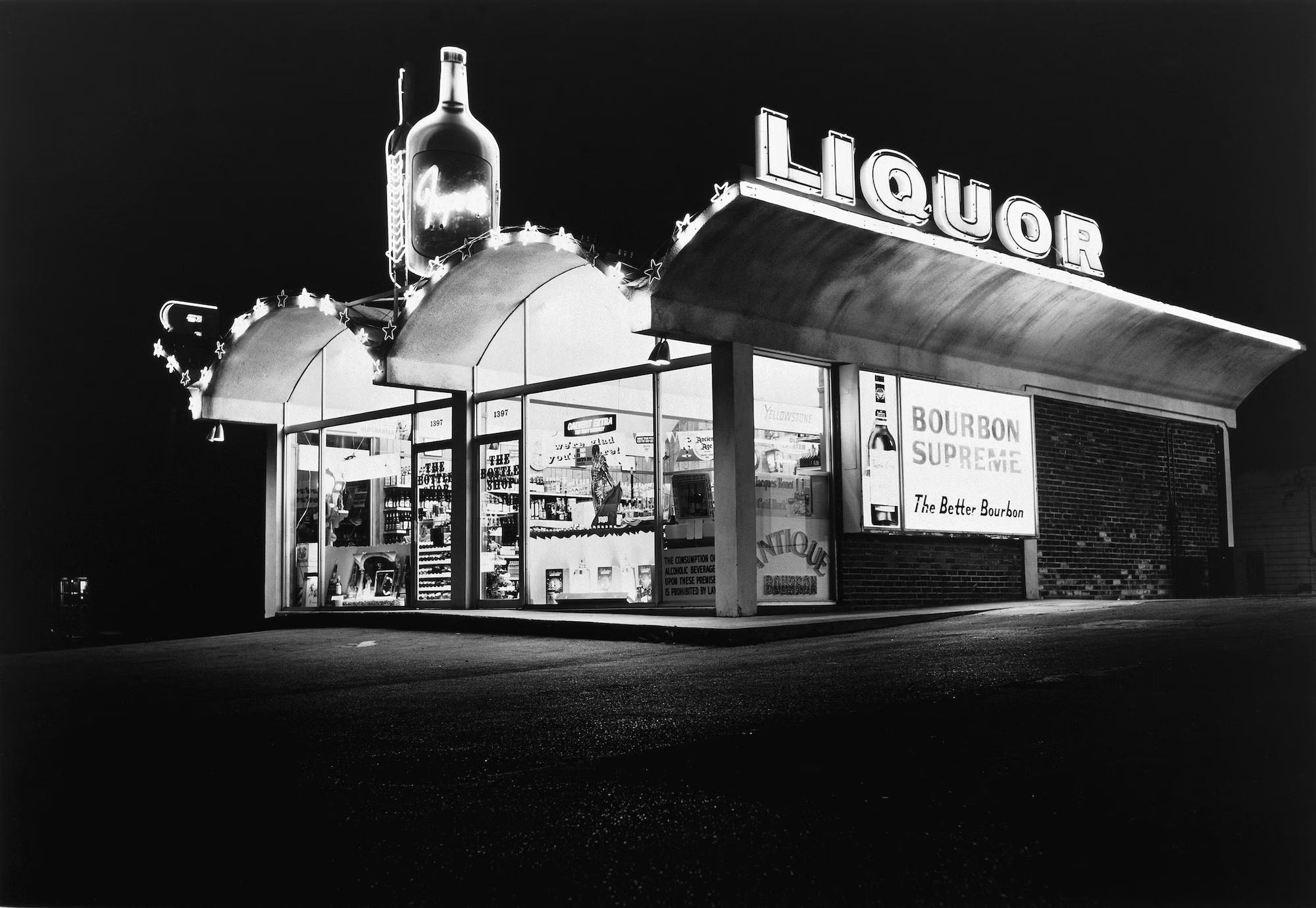
Untitled, (Liquor store at night), c 1960-72
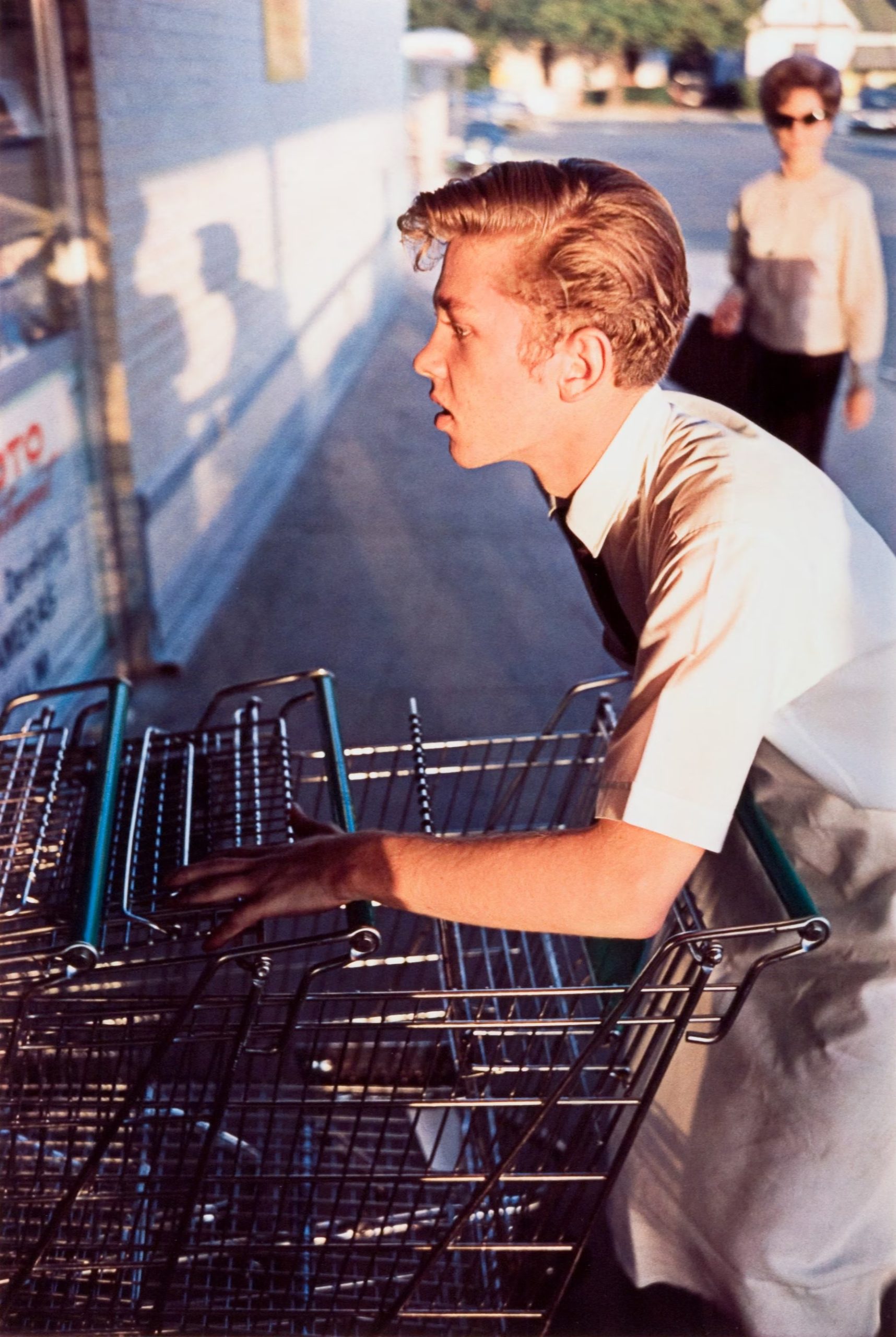
Untitled, from the series Los Alamos, 1965
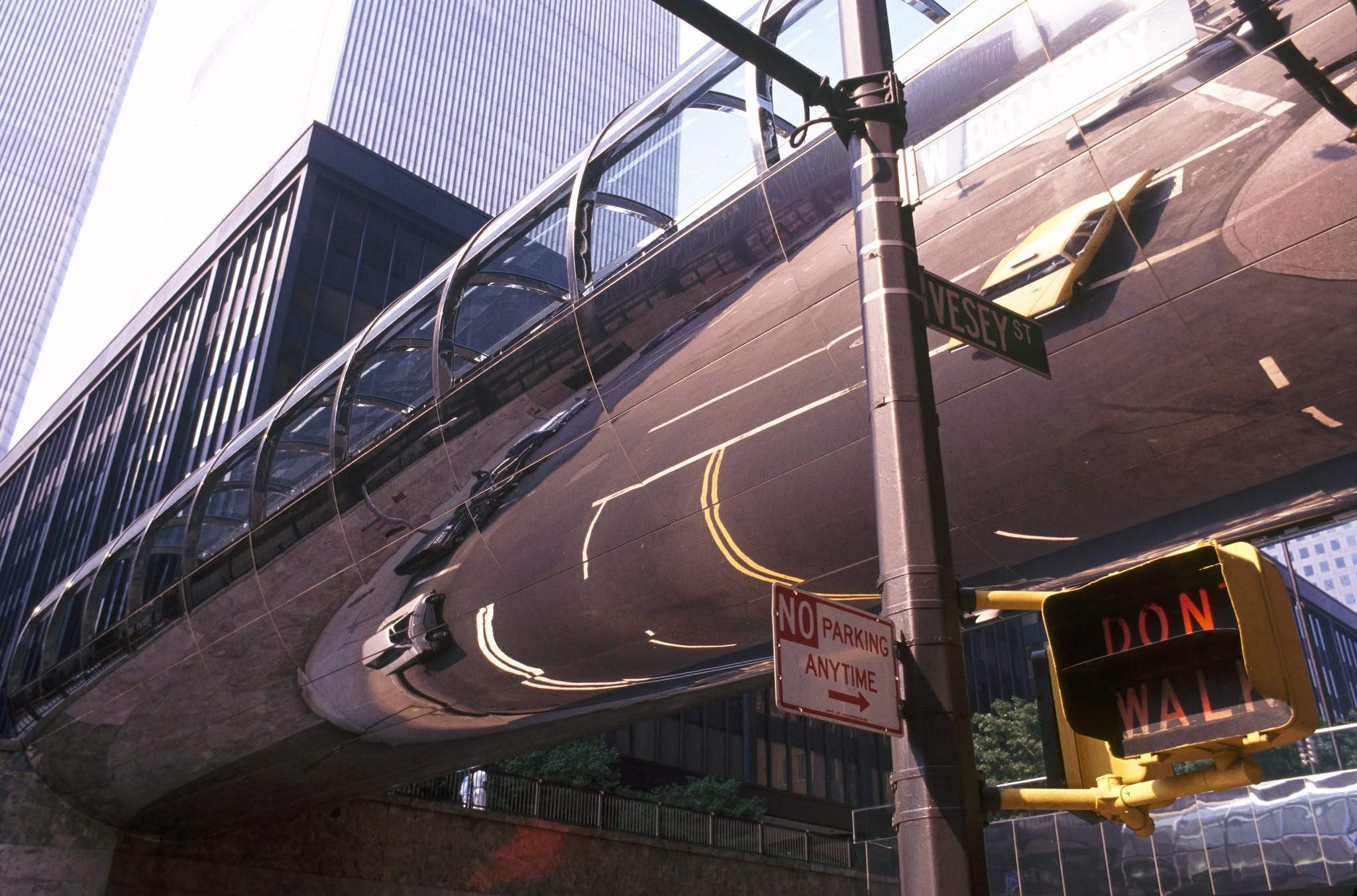
West Broadway & Vesey St. 1989. Photo (c) Jeff Rothstein
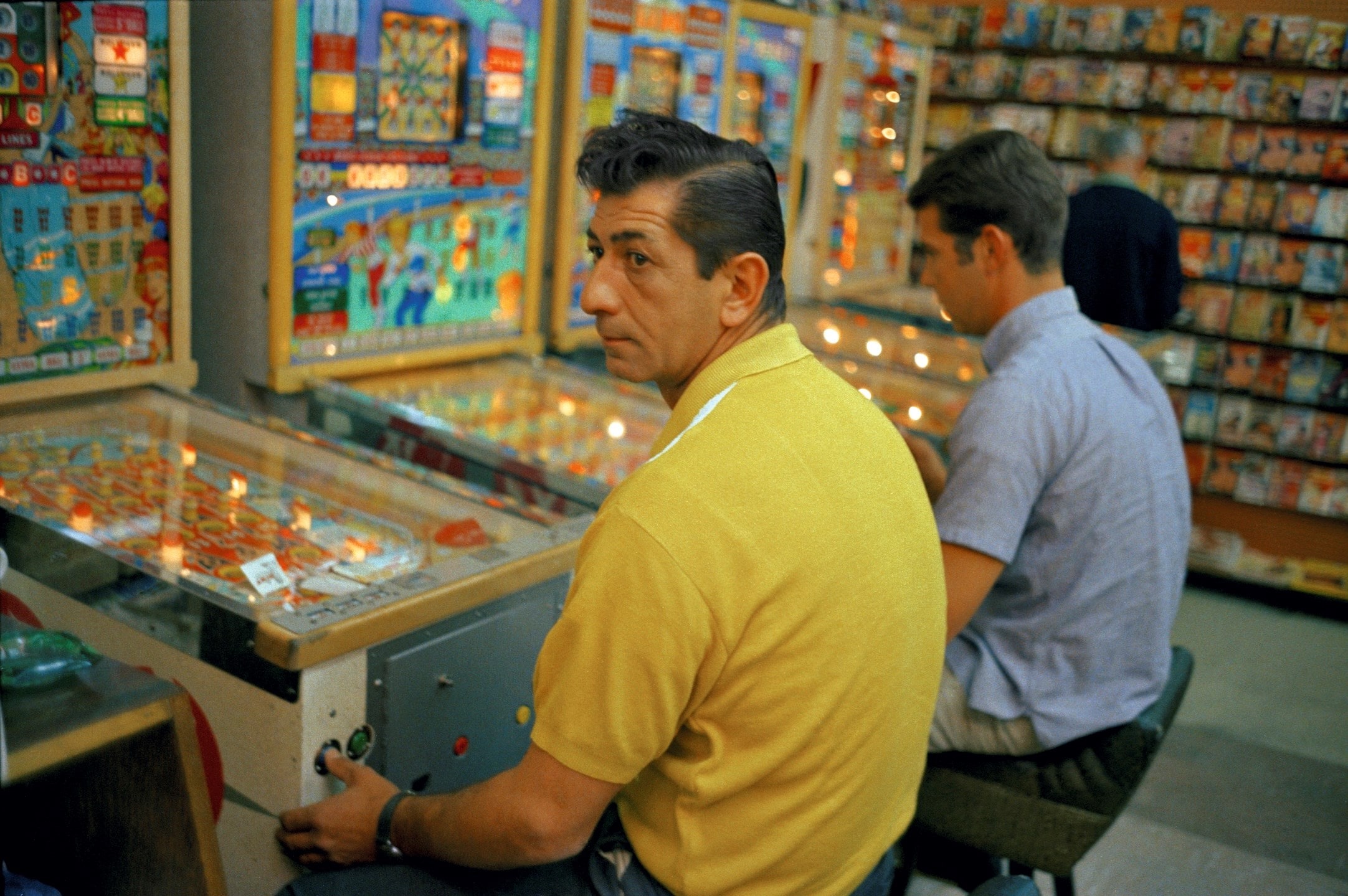
Untitled, Las Vegas, from the series Los Alamos, c.1971-74
Images from the Wilson Centre for Photography. © Eggleston Artistic Trust. Courtesy of the Eggleston Artistic Trust and David Zwirner.
Would you like to support Flashbak?
Please consider making a donation to our site. We don't want to rely on ads to bring you the best of visual culture. You can also support us by signing up to our Mailing List. And you can also follow us on Facebook, Instagram and Twitter. For great art and culture delivered to your door, visit our shop.