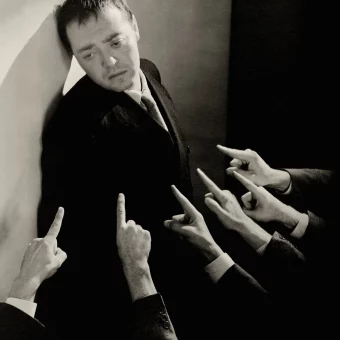
“Why the hell didn’t I photograph the really seedy bathroom in CBGB?”
– Gary Green, NYC punks in the 1970s
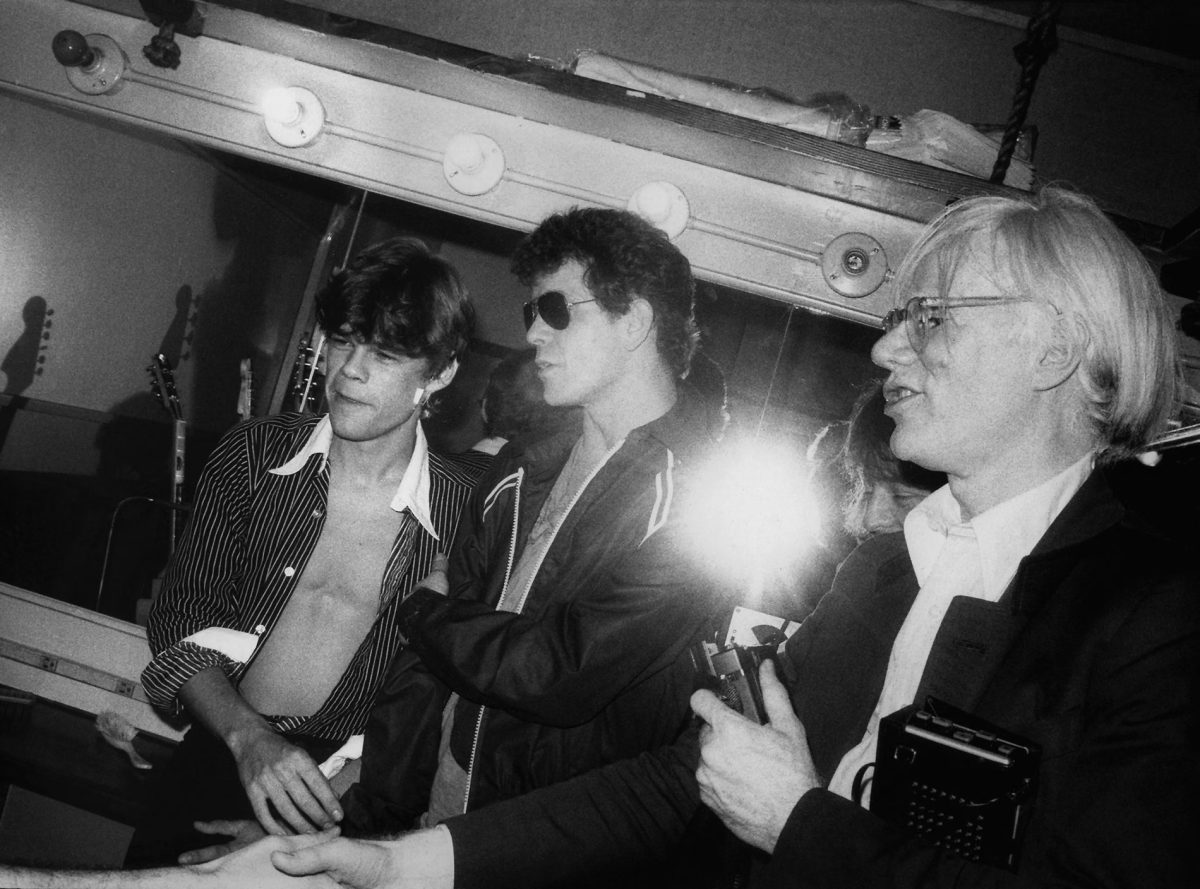
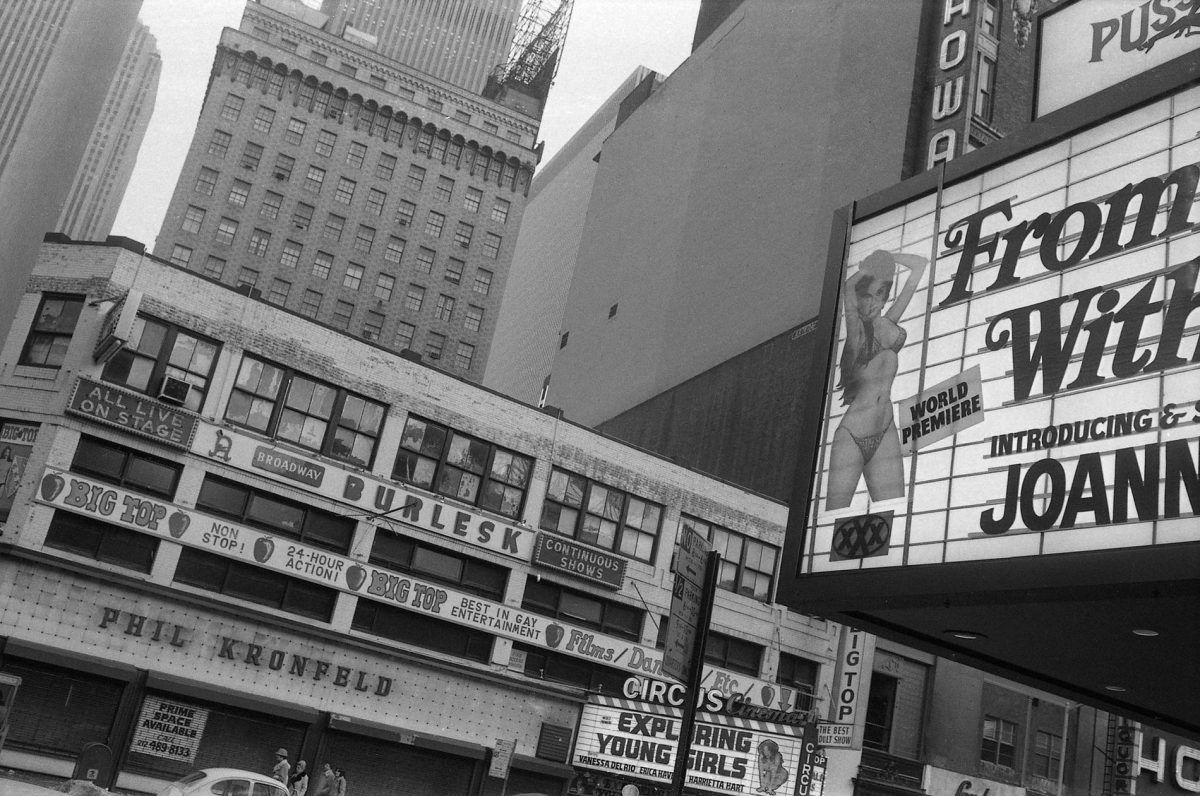
In 1976, Gary Green was pretty fresh out of college and living with his parents in Long Island. He as 22. Looking to move to Manhattan, he took an apartment in New York City’s West Village and began working as an assistant to a commercial photographer. The job meant that he could “go out every night and take photographs”.
Punk was the thing. And Green was in the heart of the crowd, at Max’s Kansas City and CBGB on The Bowery to see the Ramones, Television, Blondie and Talking Heads. Green showed bis work to New York Rocker. “The editor, Alan Betrock,” says Green, “gave me my first assignment, which was to photograph this young rockabilly-obsessed singer, Robert Gordon. It all started from there.”
In 1976, Gordon (March 29, 1947 – October 18, 2022) had played CBGB with the band Tuff Darts and appeared in a punk/new wave–style film entitled Unmade Beds. The homage to Jean-Luc Godard was directed by underground filmmaker Amos Poe and also featured Blondie lead singer Deborah Harry.
To square the circle, in 1975, Betrock had financed and produced a demo for the then-unknown Blondie, whom he originally intended to manage. A year later, he launched New York Rocker, chronicling the rising punk rock scene and other musical trends. According to Andy Schwartz, New York Rocker’s publisher and editor from 1978 to 1983, the magazine was a “visionary move, the product of Betrock’s realization that the music rising from a run-down Bowery bar deserved its own magazine – one with its own style of photography and graphic design, one that would blend a fan’s enthusiasm with an educated critical eye. Through the pages of New York Rocker, Alan Betrock defined the new rock and roll”.
Green was in the place to be. Decades later his work was published in the book When Midnight Comes Around.
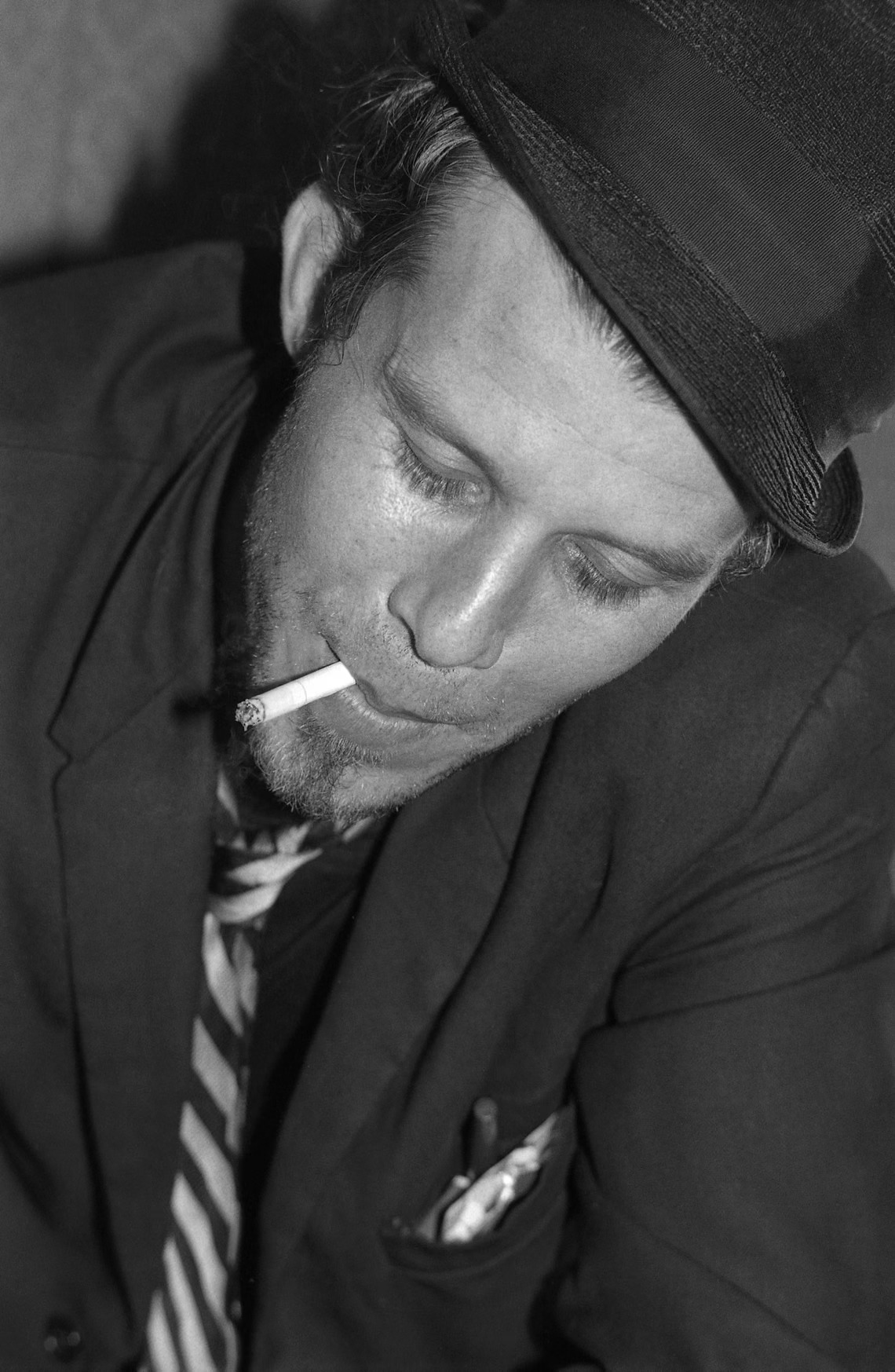
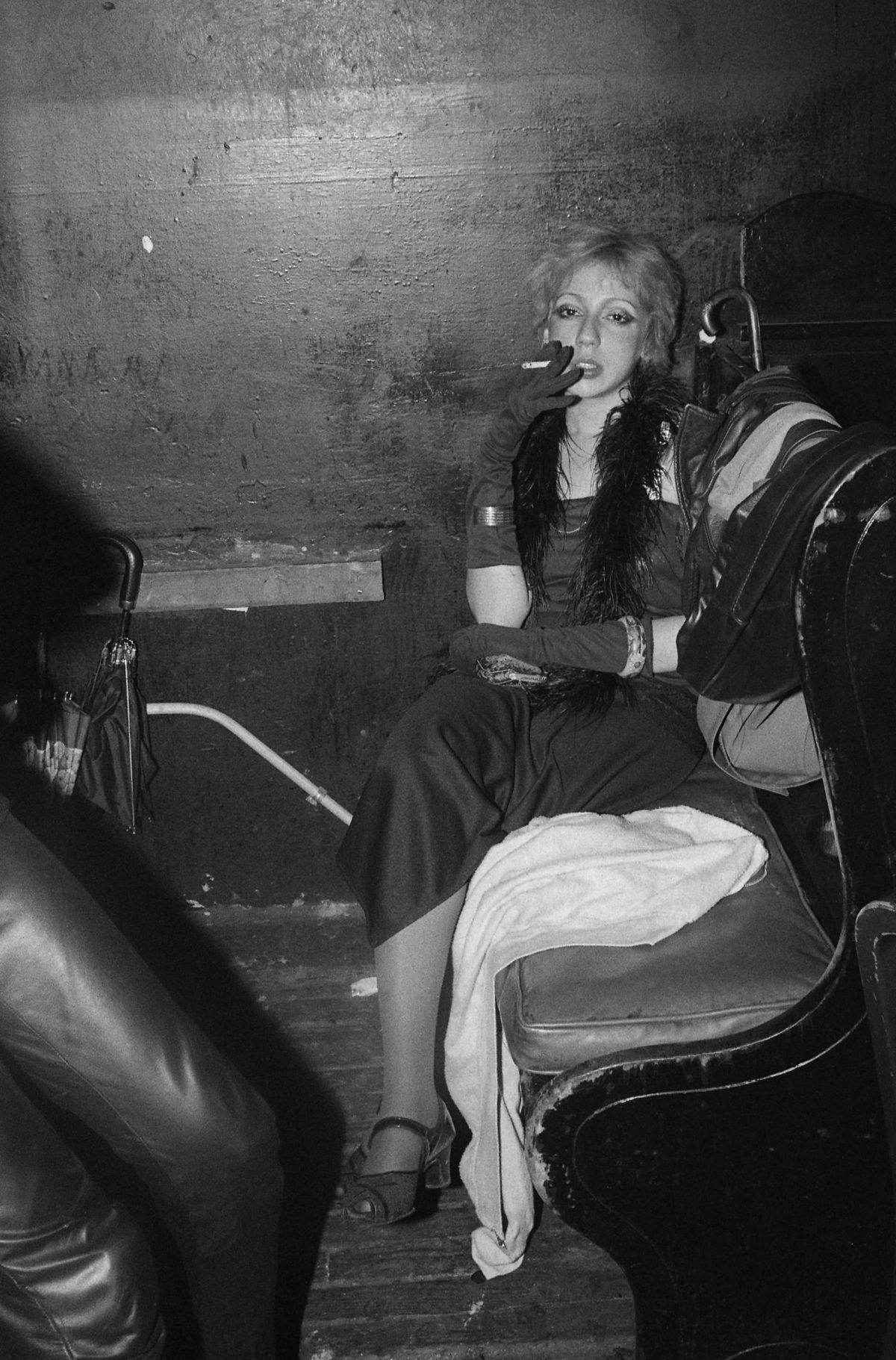
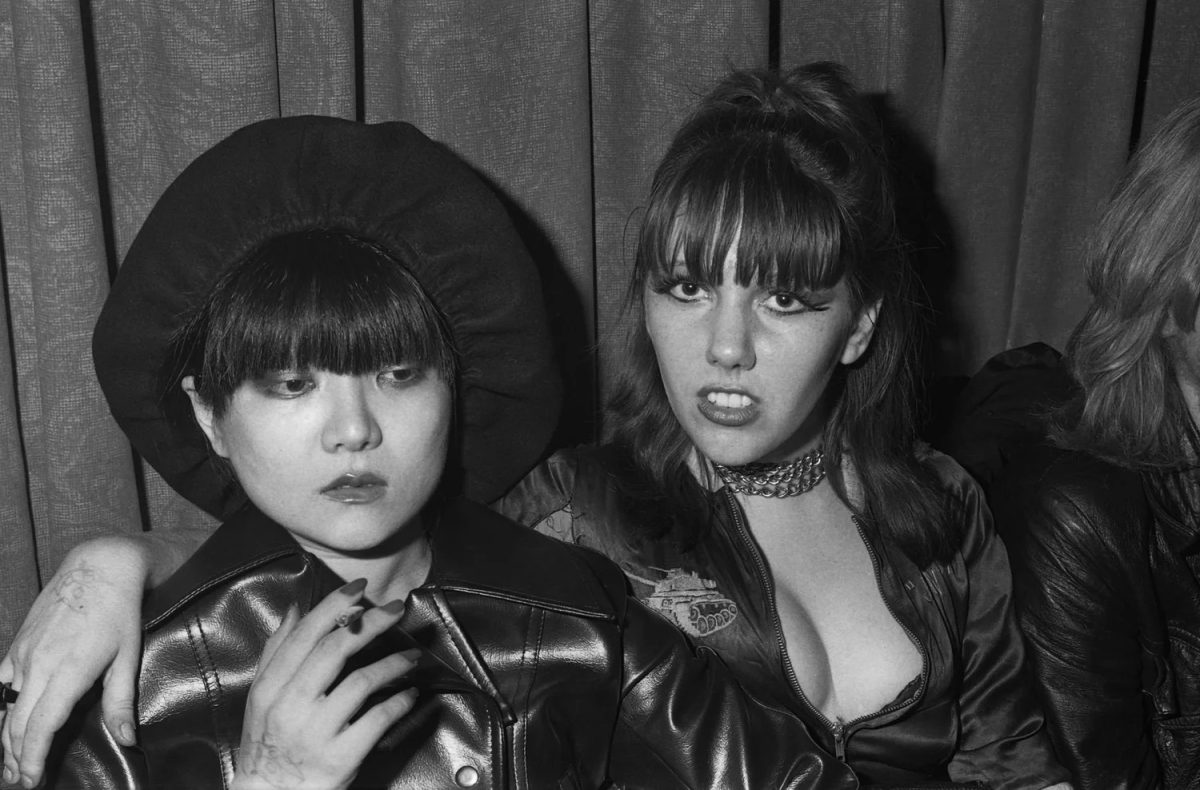
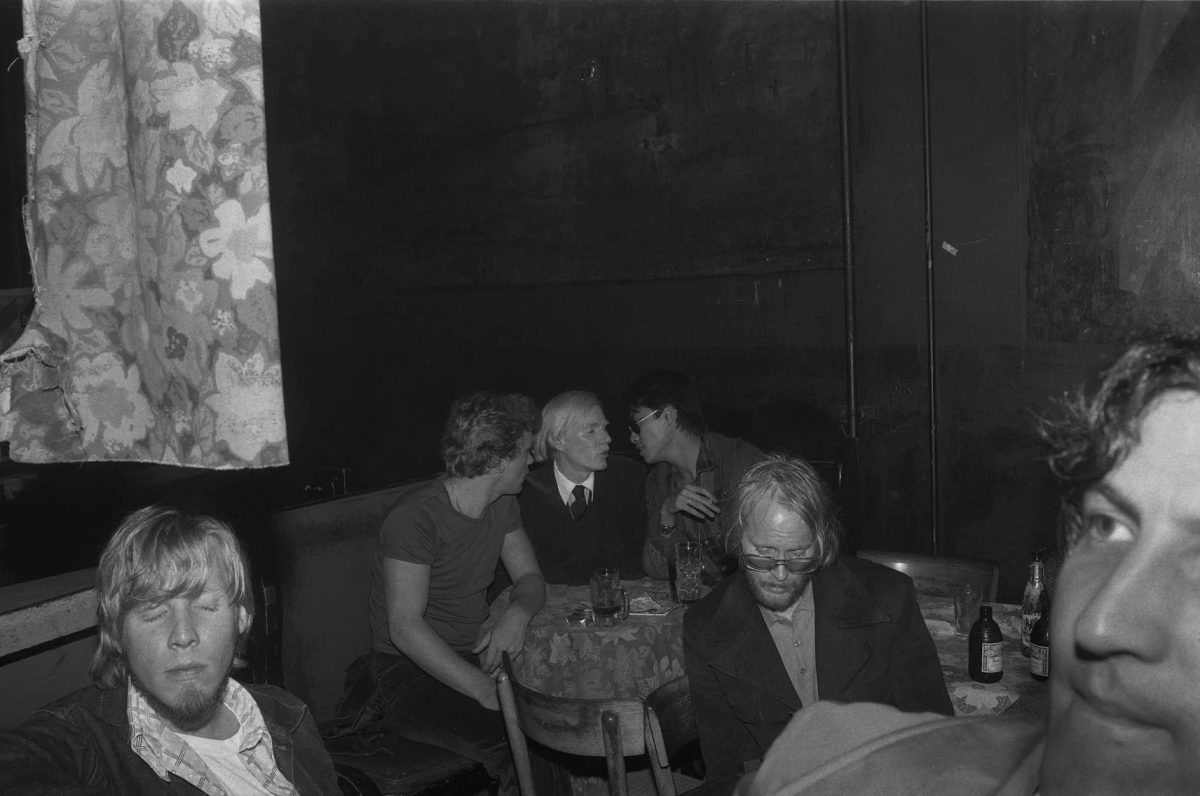
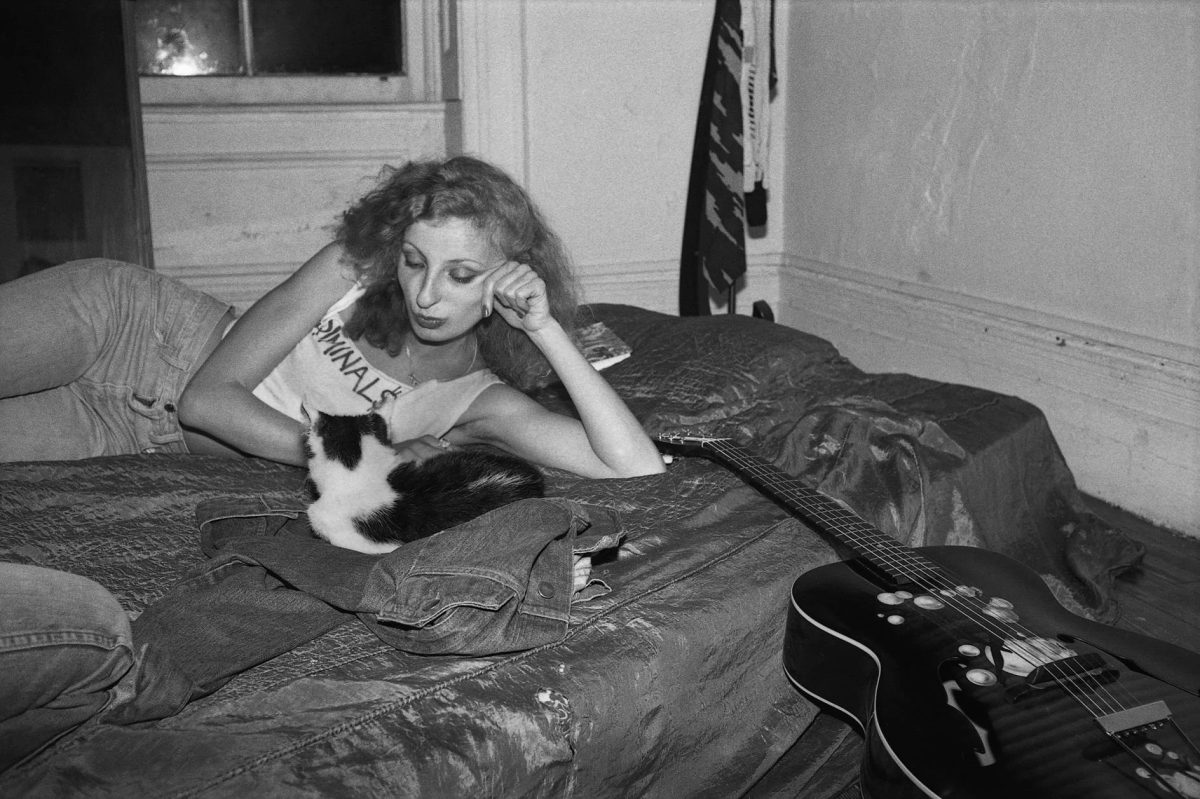
“I thought what I was doing was a kind of social documentary. I had seen Diane Arbus’s work and would later take a class with Lisette Model, who had taught Arbus. I think this accounts for my straight-on approach, but also my desire to shoot people who weren’t famous,” he says. “Also, I was never a fan of live photography. I preferred to turn away from the stage and look at what was going on around me.”
– Gary Green
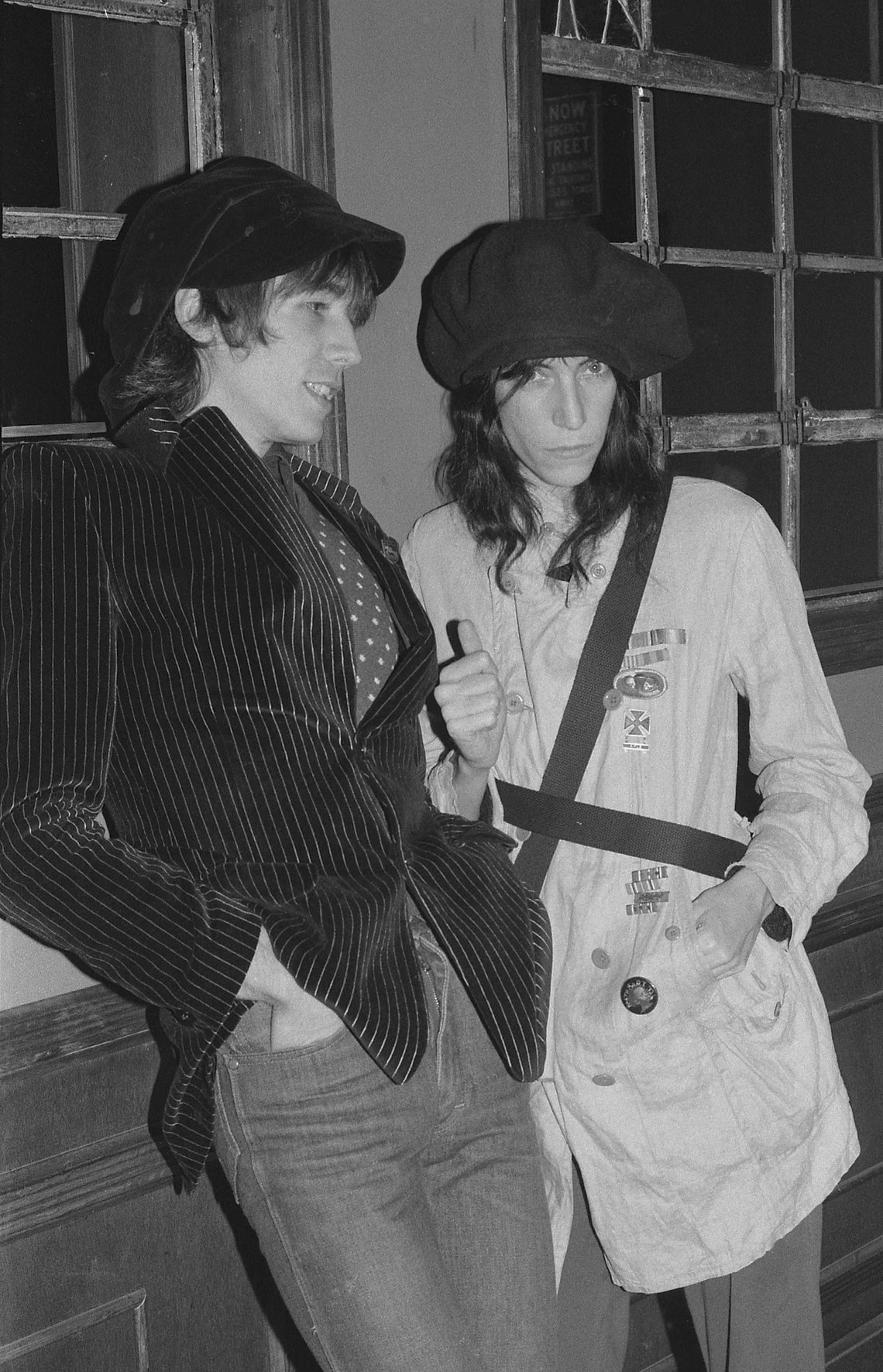

“People were there in those clubs to be noticed. So it was never that difficult to get access. Despite the look of everyone – cool, detached, tough – it was a fairly friendly scene.”
– Green
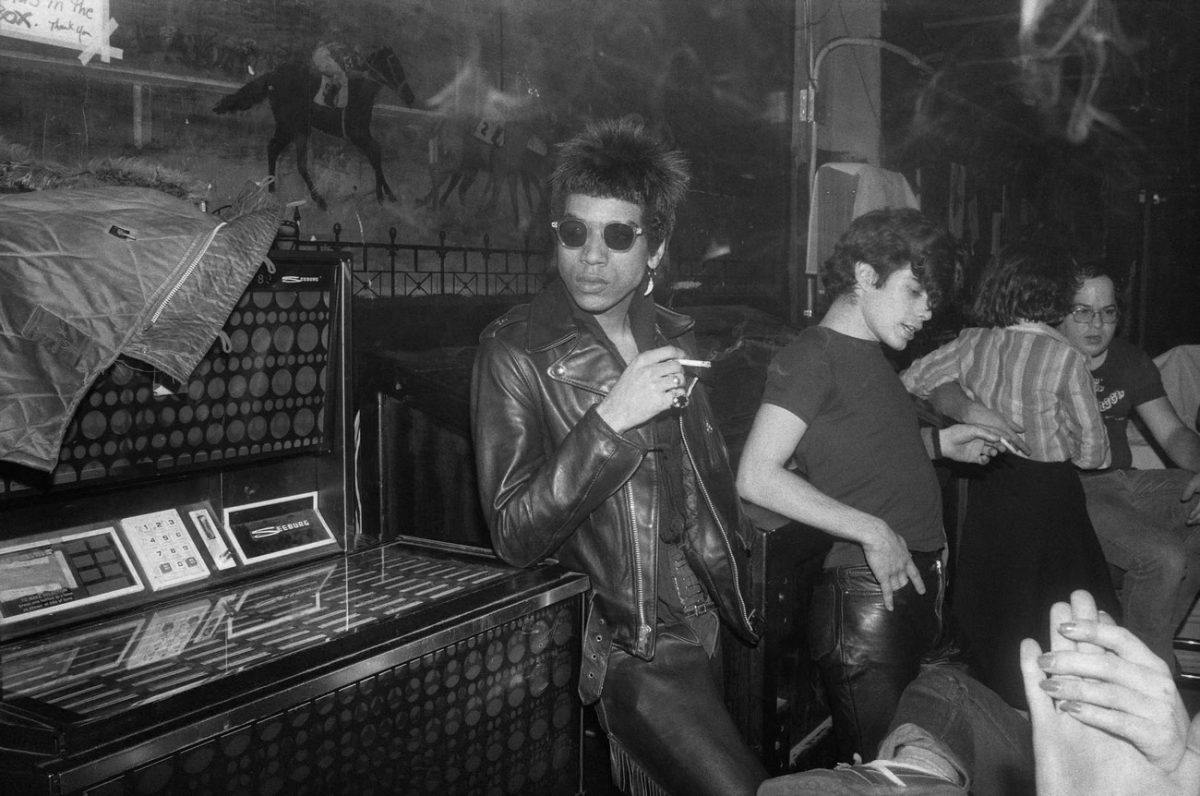
I would use a flash to photograph in the dark interiors of the clubs and other places I had access to. My idea was to soak the scene with light and simply record it. You can do a lot with that simple equipment. Even still, it’s a challenge to get everything you want, but the darkness of the prints at times was appropriate.”
– Gary Green
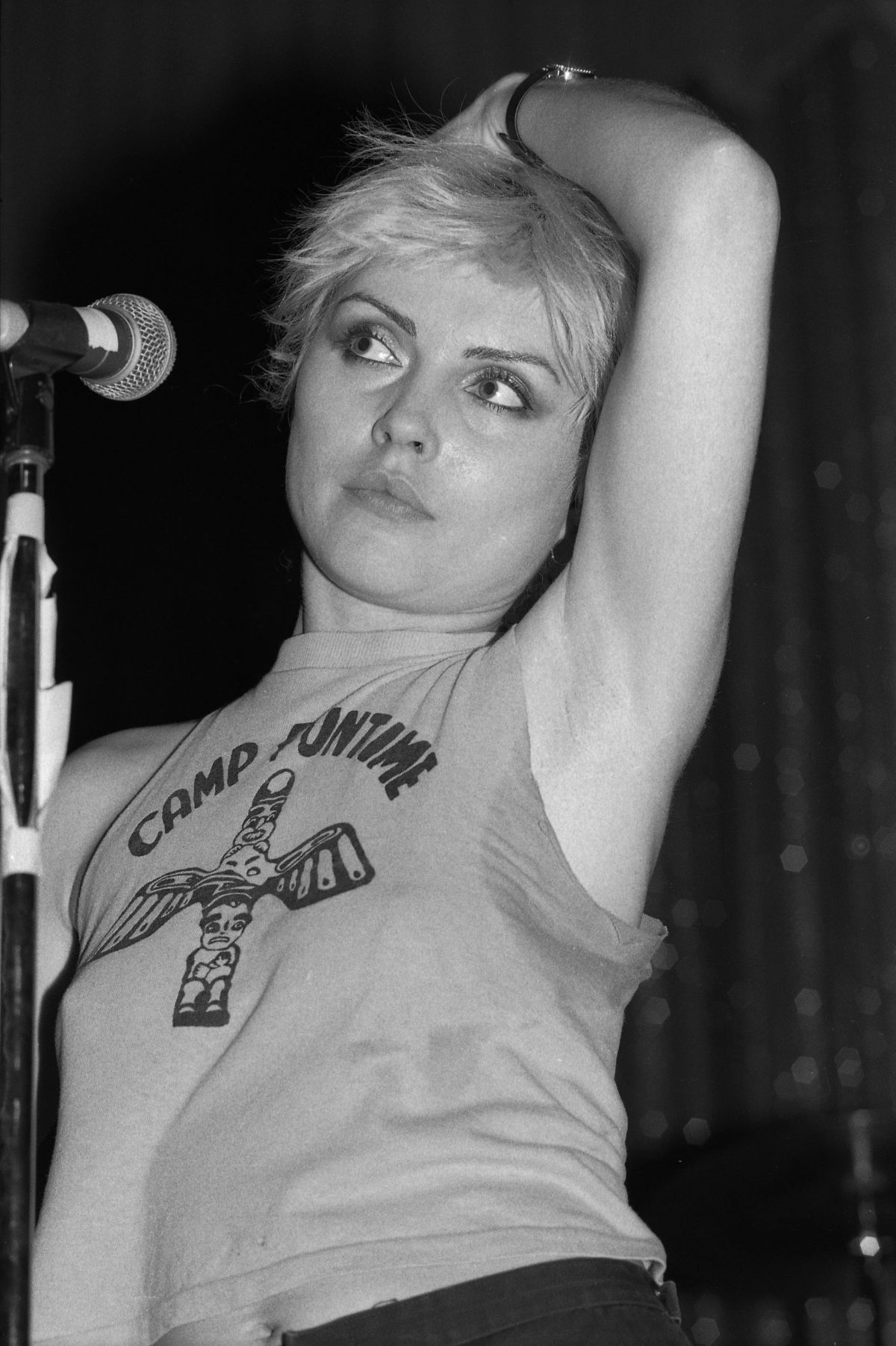

“I would work by day, go at night to photograph people and hear music, and then return to the studio, where I would process film and print late into the night before beginning another day.”
– Gary Green
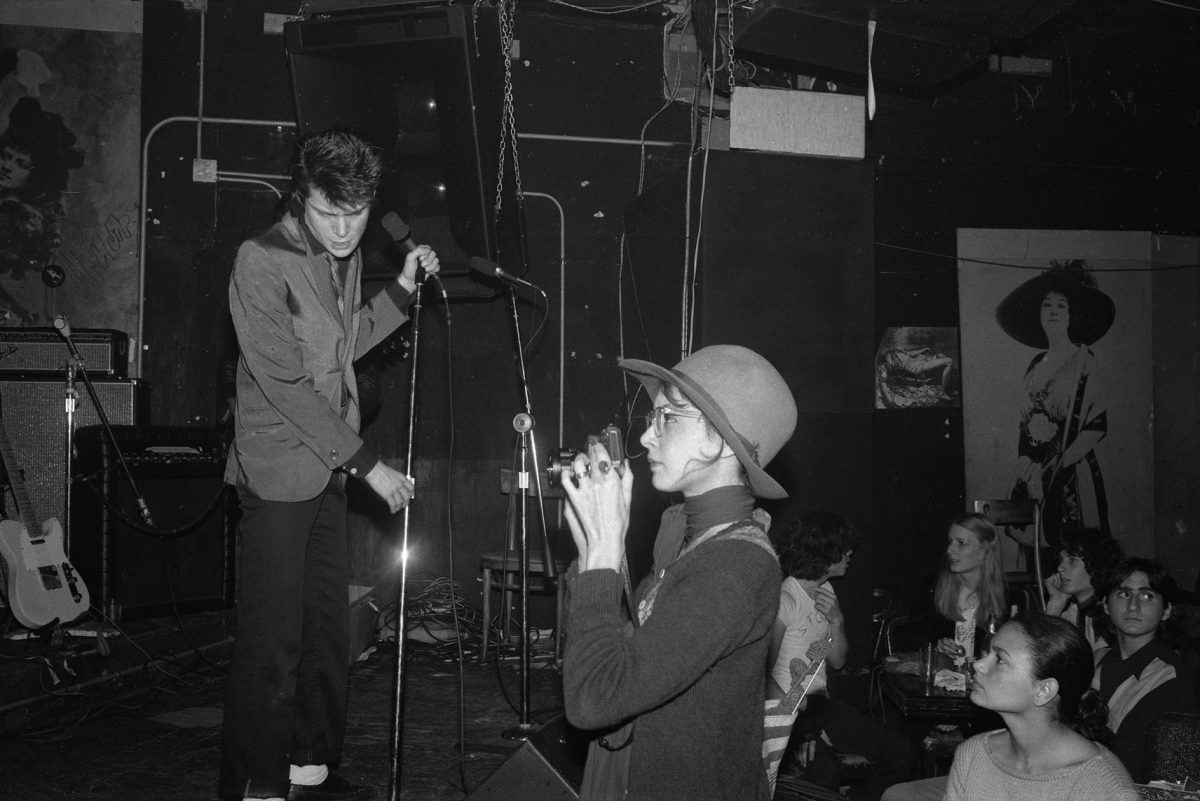
When Midnight Comes Around is published by Stanley/Barker.
Via: About Photography, Guardian
Would you like to support Flashbak?
Please consider making a donation to our site. We don't want to rely on ads to bring you the best of visual culture. You can also support us by signing up to our Mailing List. And you can also follow us on Facebook, Instagram and Twitter. For great art and culture delivered to your door, visit our shop.