Old Ford in East London got its name from the natural ford that provides a crossing of the River Lea. In 1110, when Henry’s I’s wife, ‘Good Queen Maud’, fell as she crossed the ford on her way to Barking Abbey, the king built a bridge over the tidal river. In the 1980s, Peter Marshall was in Old Ford, taking a walk in what is now the London borough of Tower Hamlets.
We’ll kick things off with a ‘gin and it’ at the City of Paris pub on Bonner Street. The place closed some time around July 2008 and is now the City of Paris curry restaurant.
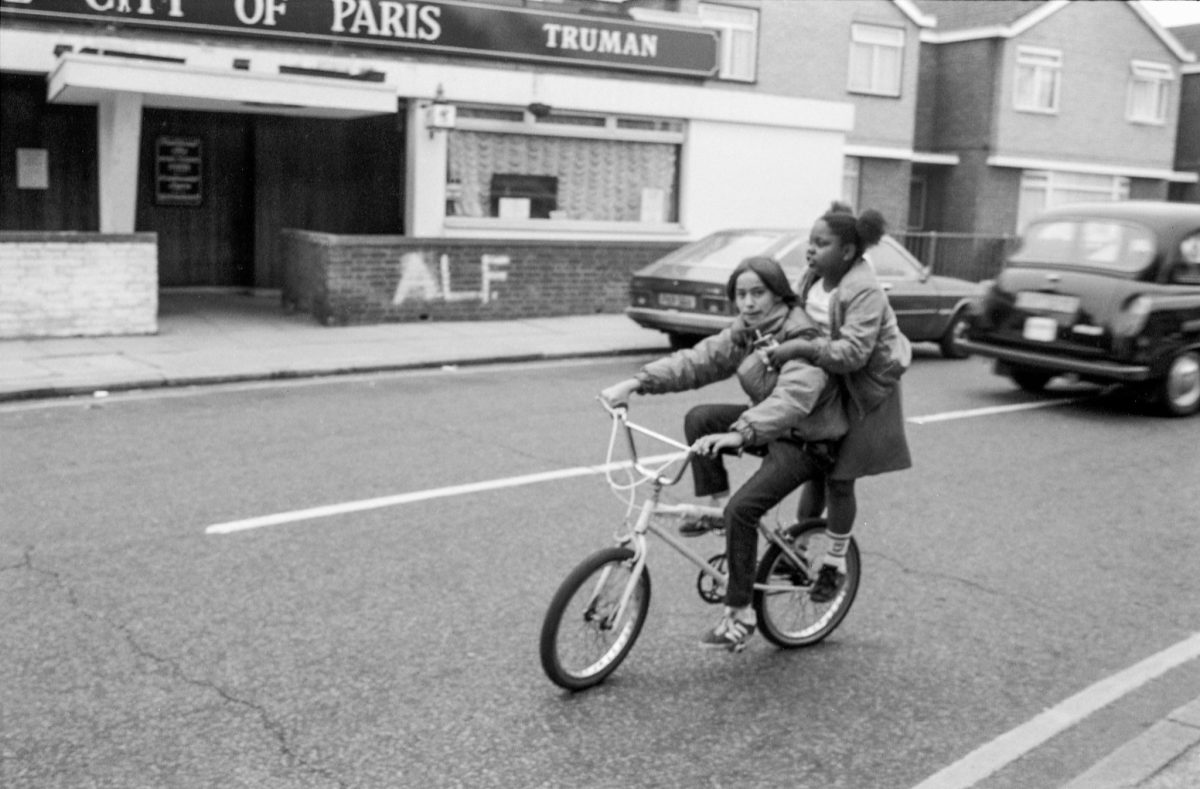
Bonner St, 1986
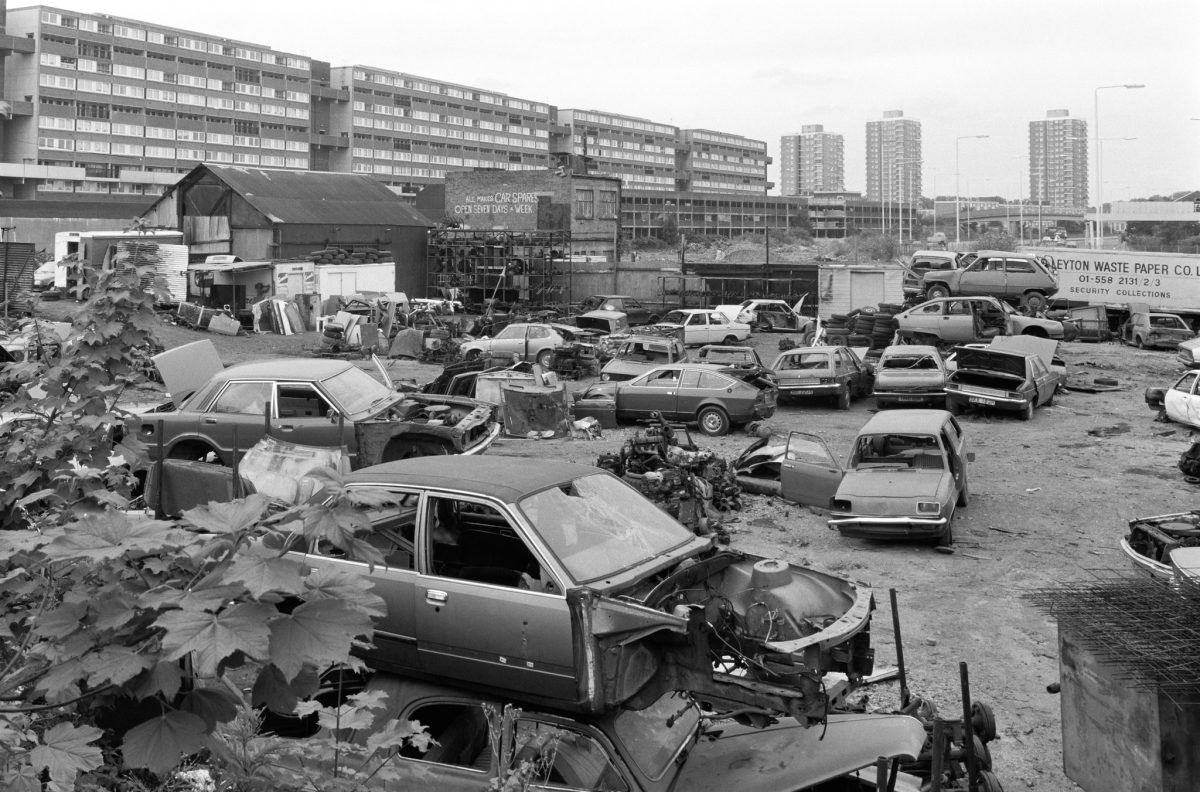
Old Ford Rd, 1988
Some facts and faces
Sylvia Pankhurst, the suffragette leader, lived at 28 Ford Road, Old Ford, while recovering from being force-fed in prison. She established the East London Federation of Suffragettes.
Old Ford was a scene for Thomas Dekker’s play ‘The Shoemaker’s Holiday’ in 1599, and featured deer hunting.
In the seventeenth century Samuel Pepys visited the area at least three times, recording a coach journey ‘to Old Ford, a town by Bow, where I never was before, and there walked in the fields, very pleasant, and sang: and so back again, and stopped and drank at the Gun, at Mile End…’ on 2 June 1668.
The routes of the earliest roads leading from Old Ford to Bow were determined by marsh plains, and as such the curves of Old Ford Road parallel the meandering form of the Lea, before joining at Bow Bridge.
The building of canals through Hackney Marshes was the first major factor in shaping the landscape, determining its use, types of industry, and architecture. The Hackney Cut (1770s) created a bypass between the River Lea and Old Ford, and with the opening of the Hertford Union Canal (1830), established the route as a major link between Regents Canal and the Docklands.
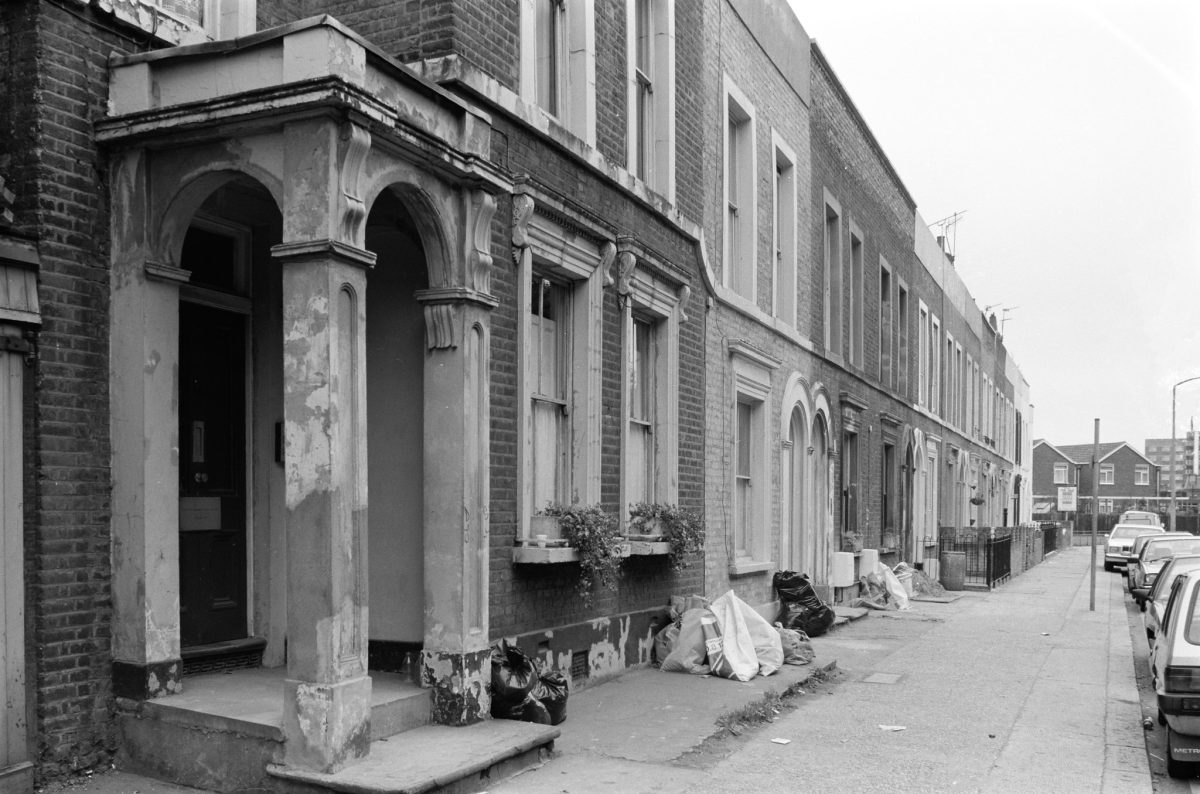
Old Ford Rd, 1988
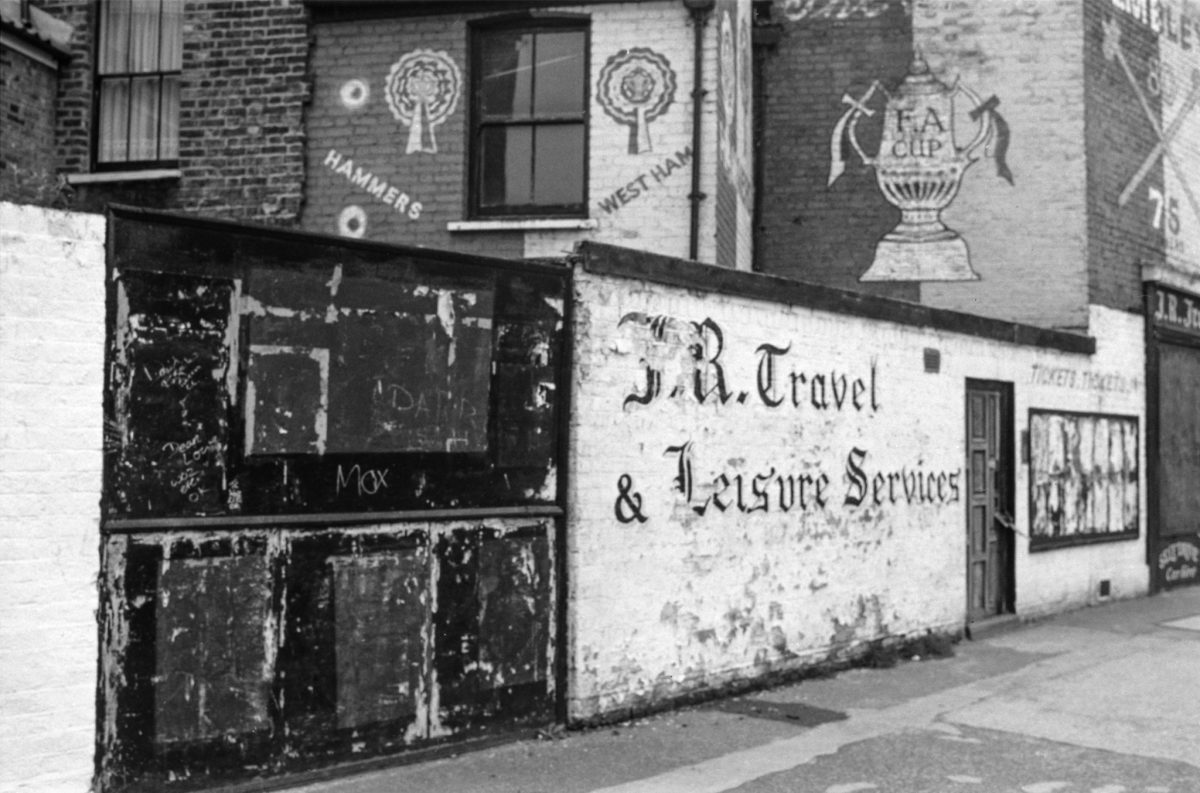

Hammers, Bonner St, 1986
What was clear was that, rather like West Ham, J R Travel had seen better days and was now firmly boarded up. Of course I also photographed this building in colour, but not being a West Ham fan I don’t greatly appreciate the colours and I think it looks better in black and white.
I don’t know what happened to J R Travel, though there have been companies elsewhere with this or similar names, including for a while one not far away on Brick Lane.
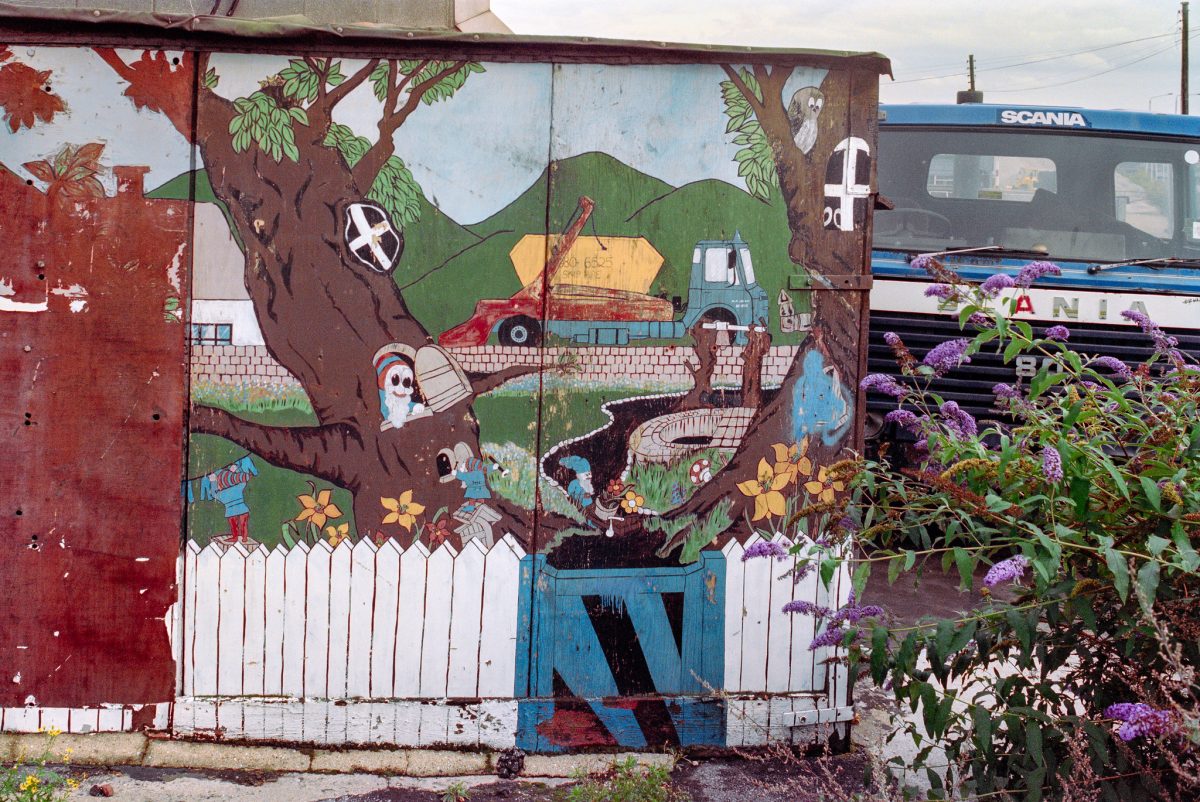
Wick Lane, 1990
The Great Stink
In the first half of the 19th century London was growing rapidly. More people meant more sewage. The vast majority of homes were built without flush toilets. ‘Night soil men’ collected some of the solid waste for use as fertilser but much found its way onto the capital’s streets or into its watercourses. Flush toilets merely displaced the problem from the home into London’s old sewers and onward to the Thames.
From 1831 London suffered a series of cholera outbreaks. At the time, the inhalation of ‘foul air’ was widely thought to be responsible for the spread of this dreaded disease. Many blamed the fetid smell that hung over the River Thames – by this time little more than an enormous sewer.
In reality cholera is a waterborne disease. It was carried in the sewage polluting the city’s watercourses and passed to the capital’s population when they ingested polluted water.
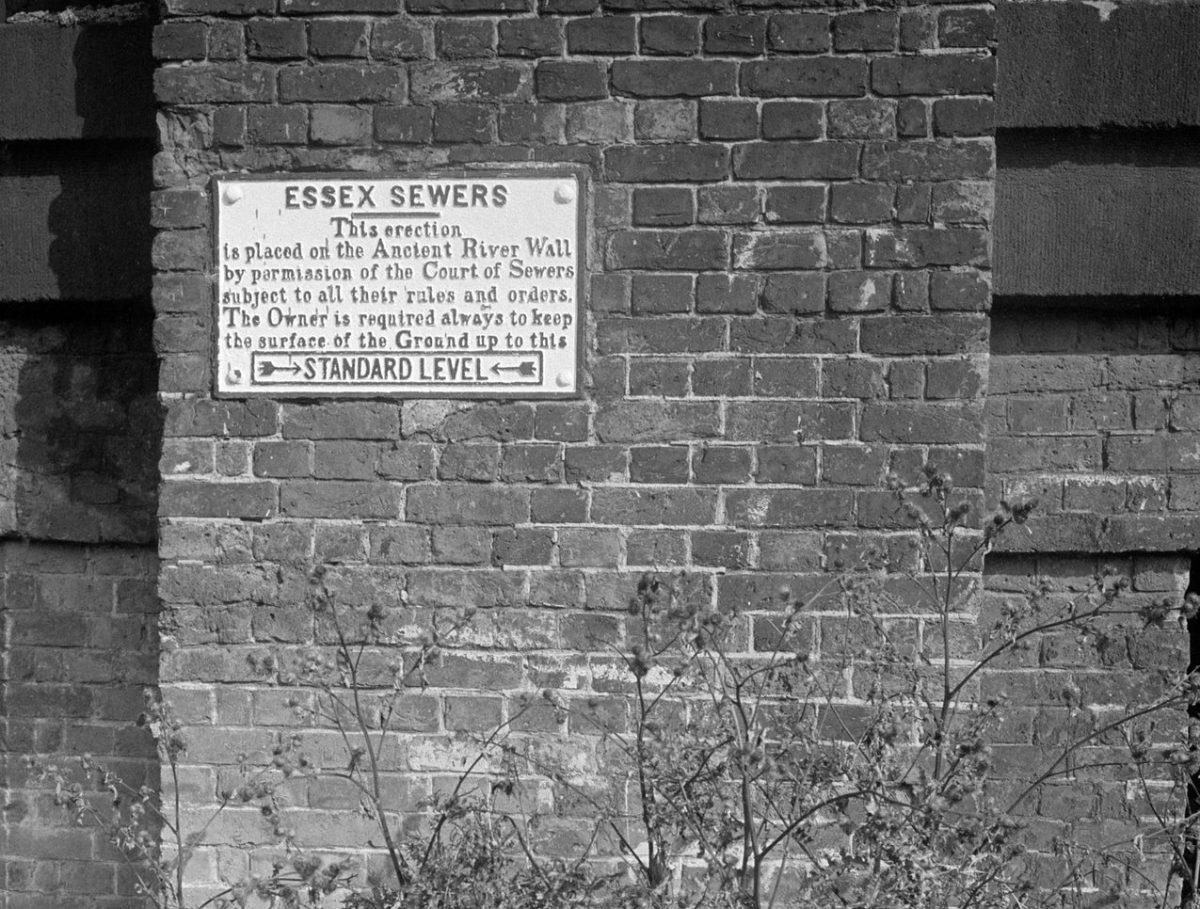

Northern Outfall Sewer, Lea Navigation, Old Ford
The Metropolitan Board of Works was established in 1855 to meet pressure on the public sewerage system and improve sanitary conditions after a major outbreak of cholera in 1853. The ‘Great Stink’ of the hot summer of 1858 caused widespread outcry, and within a year the Board’s chief engineer Joseph Bazalgette proposed a new sewerage system. As a result the Northern Outfall Sewer at Wick Lane was built to serve the sewers that drained London
north of the Thames.
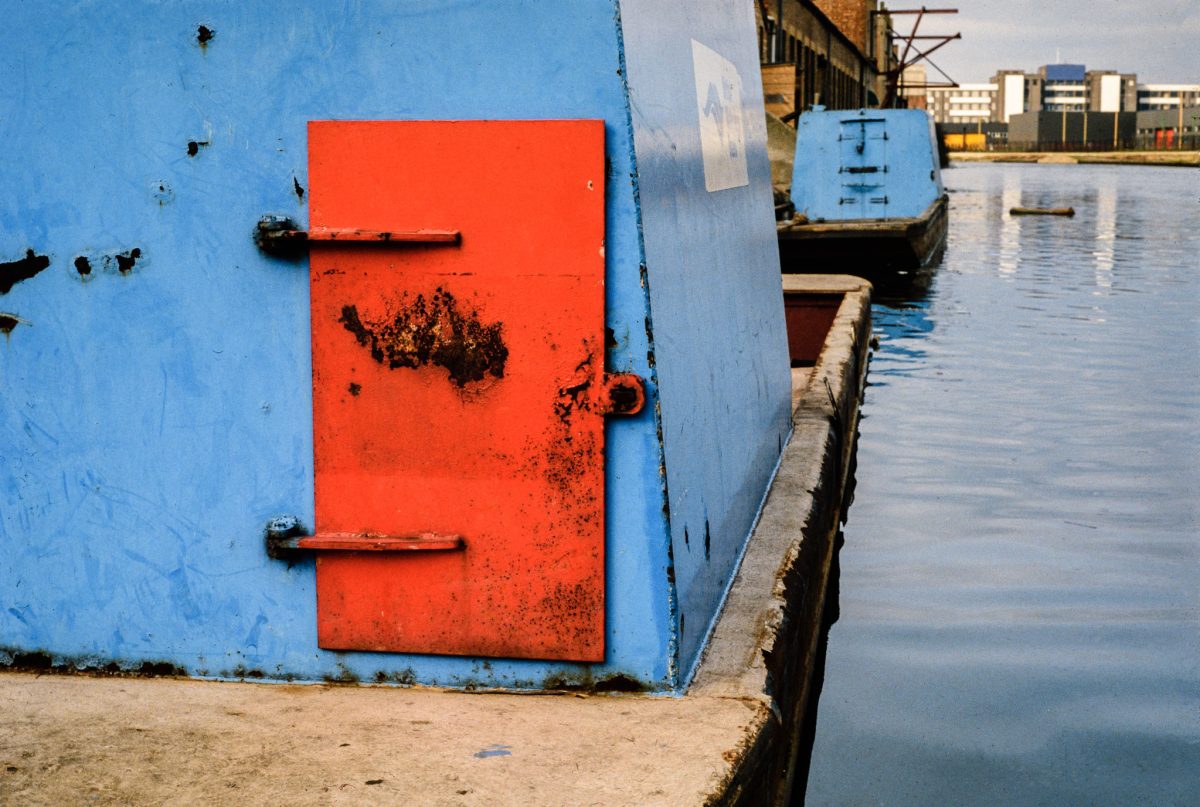
Old Ford Lock, Lea Navigation, 1983
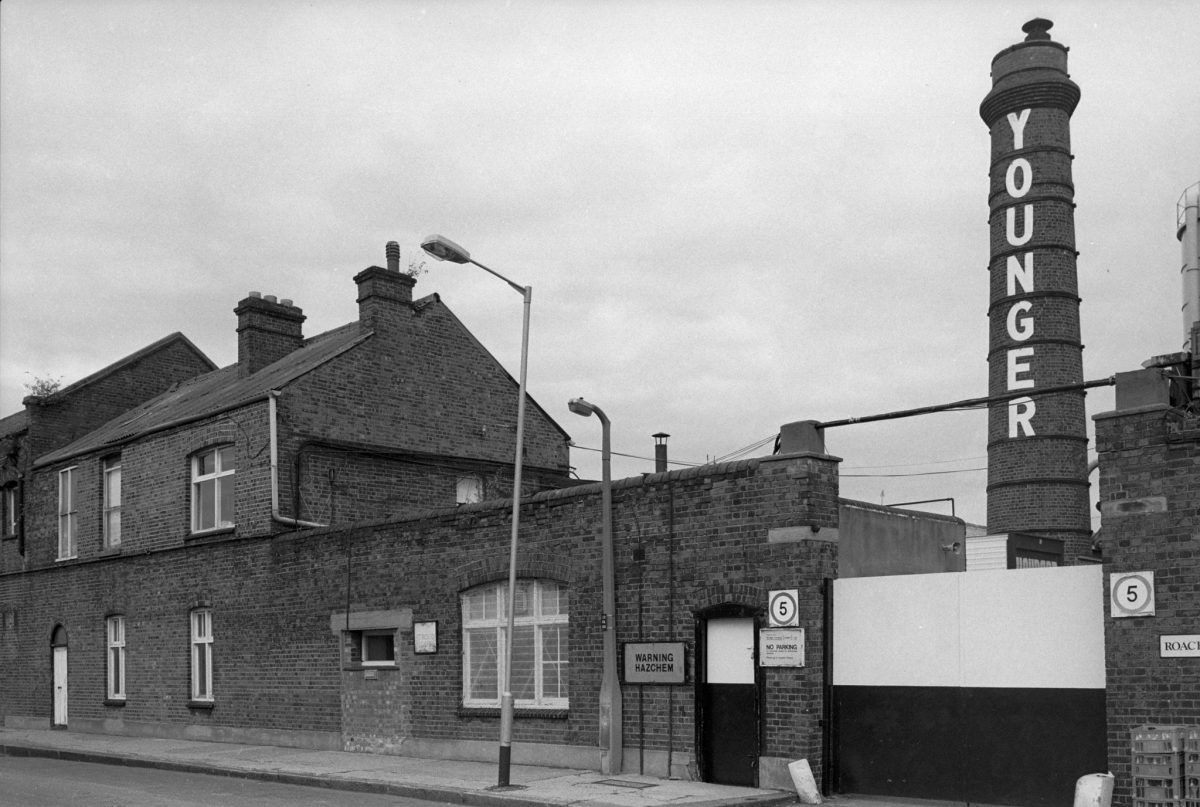
Roach Road, 1990
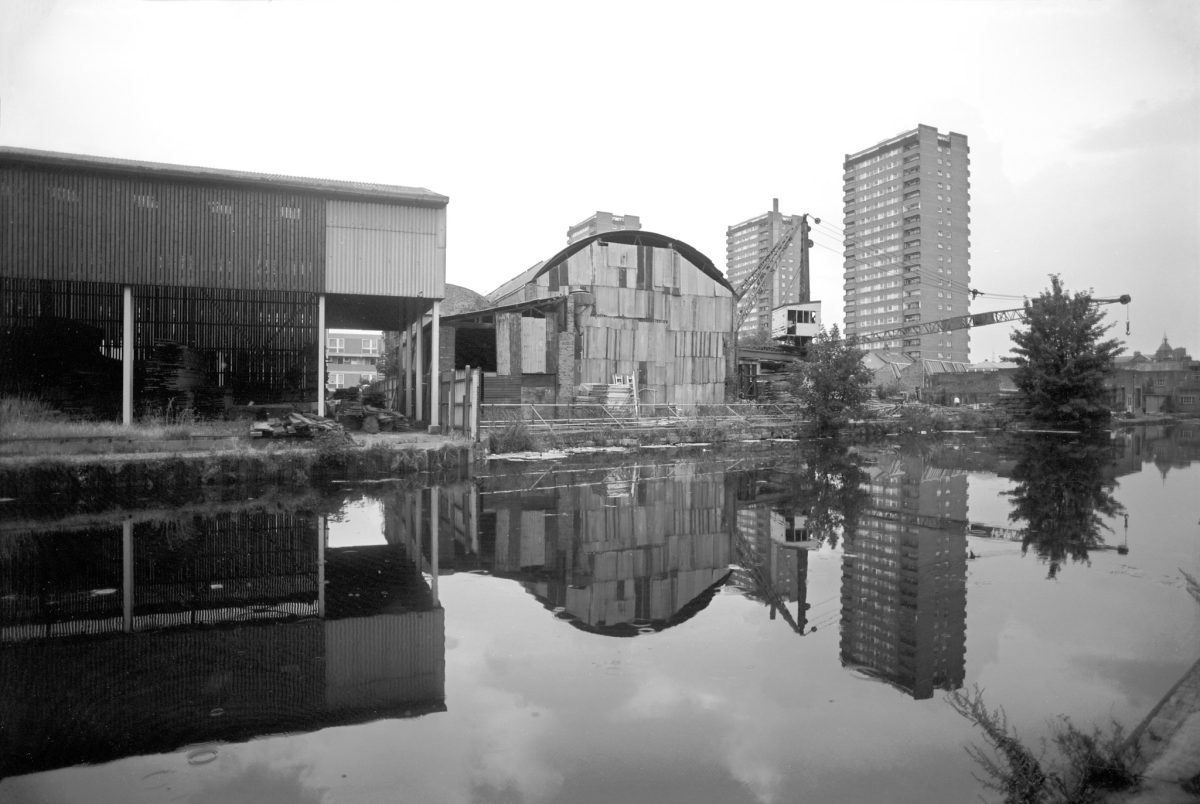
Hertford Union Canal, 1983
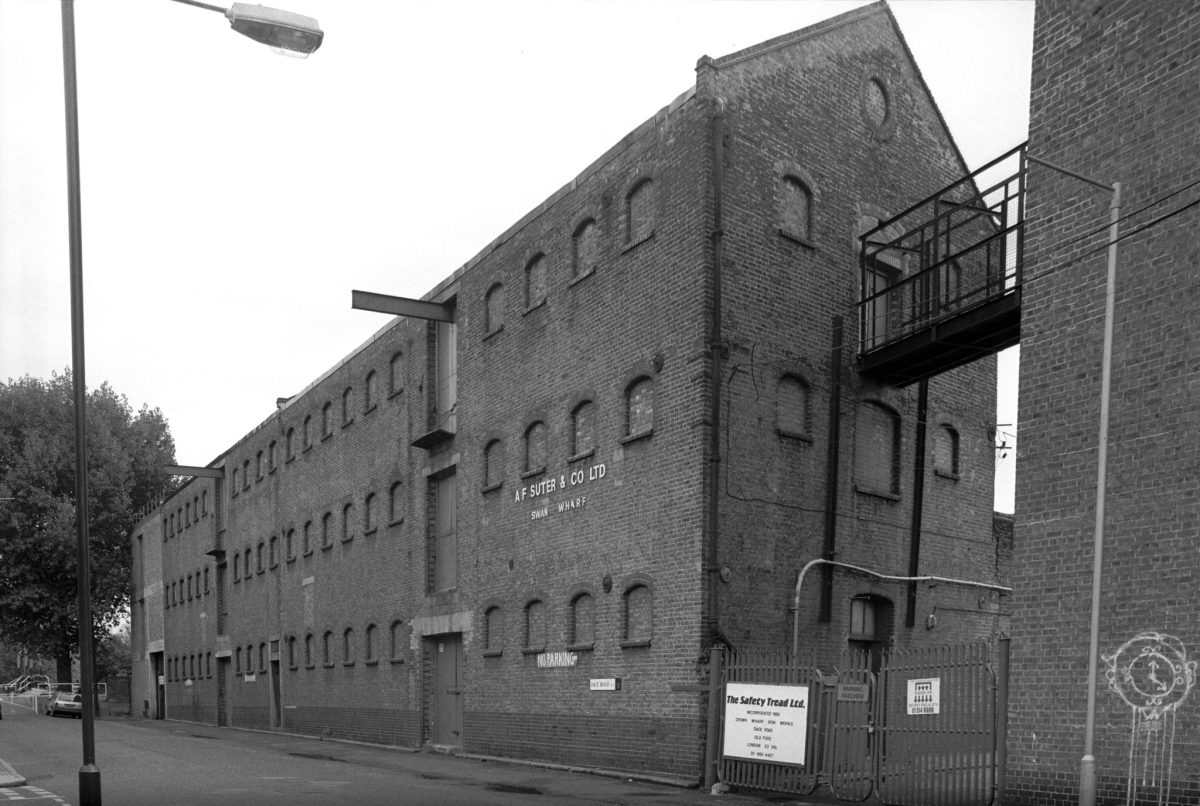
A F Suter & Co, Swan Wharf, Dace Road, 1990
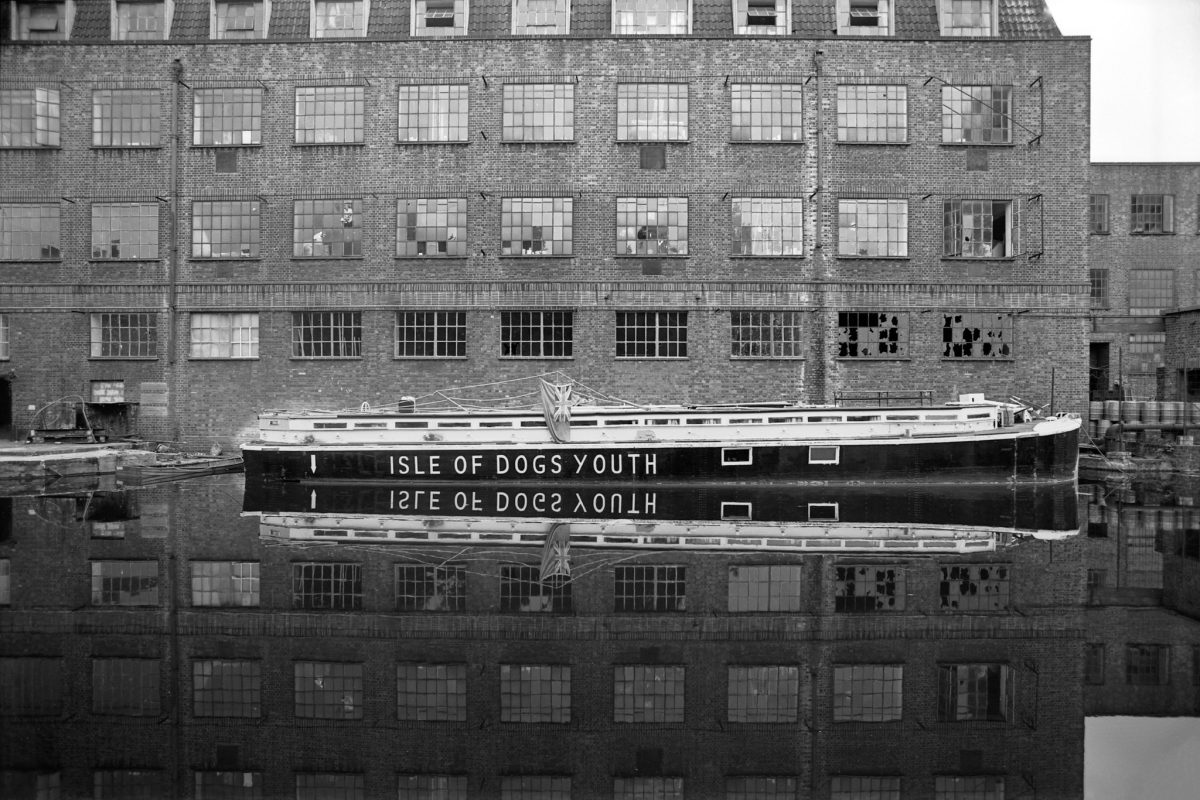
Isle of Dogs Youth, Hertford Union Canal, 1983
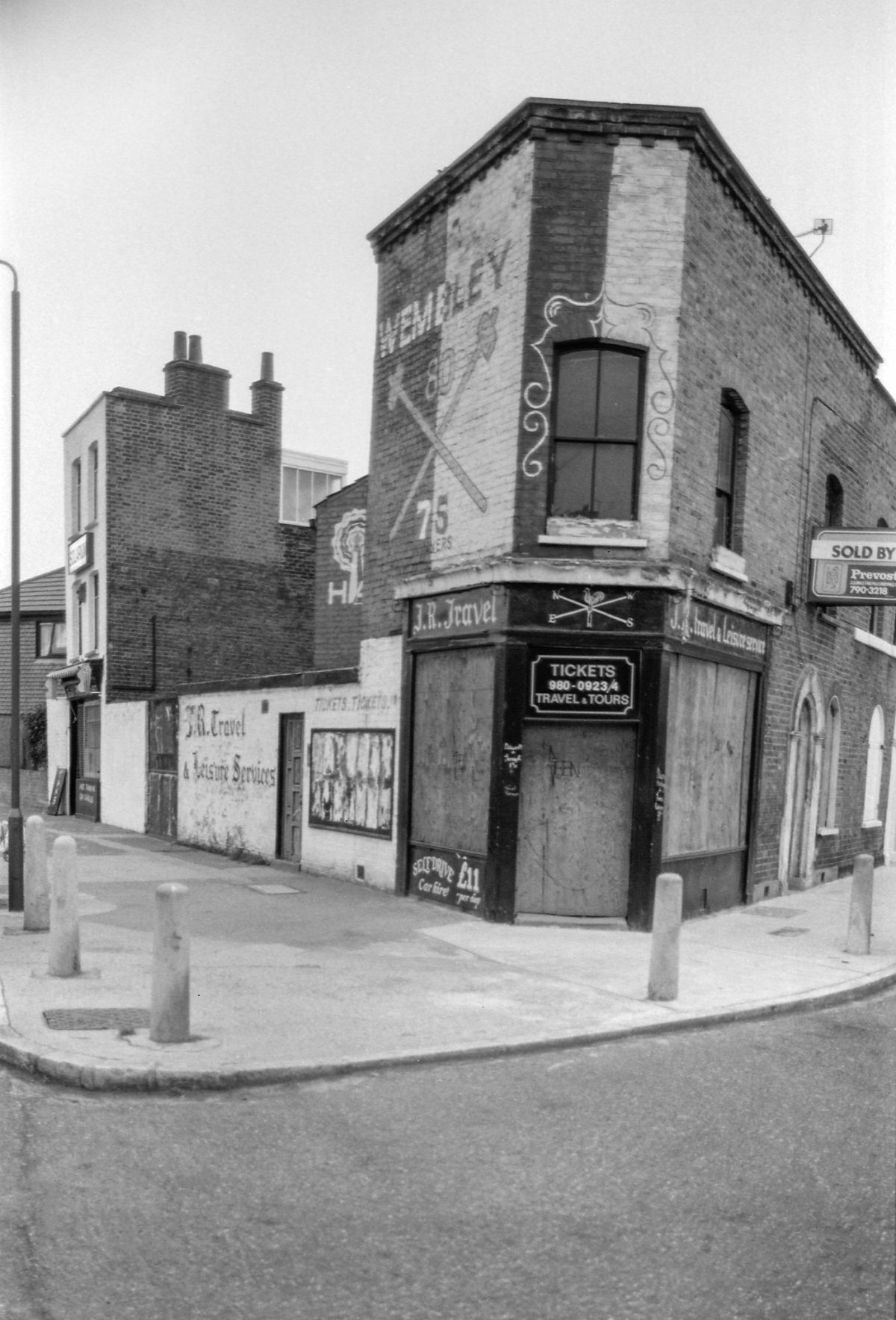
Bonner St 1986
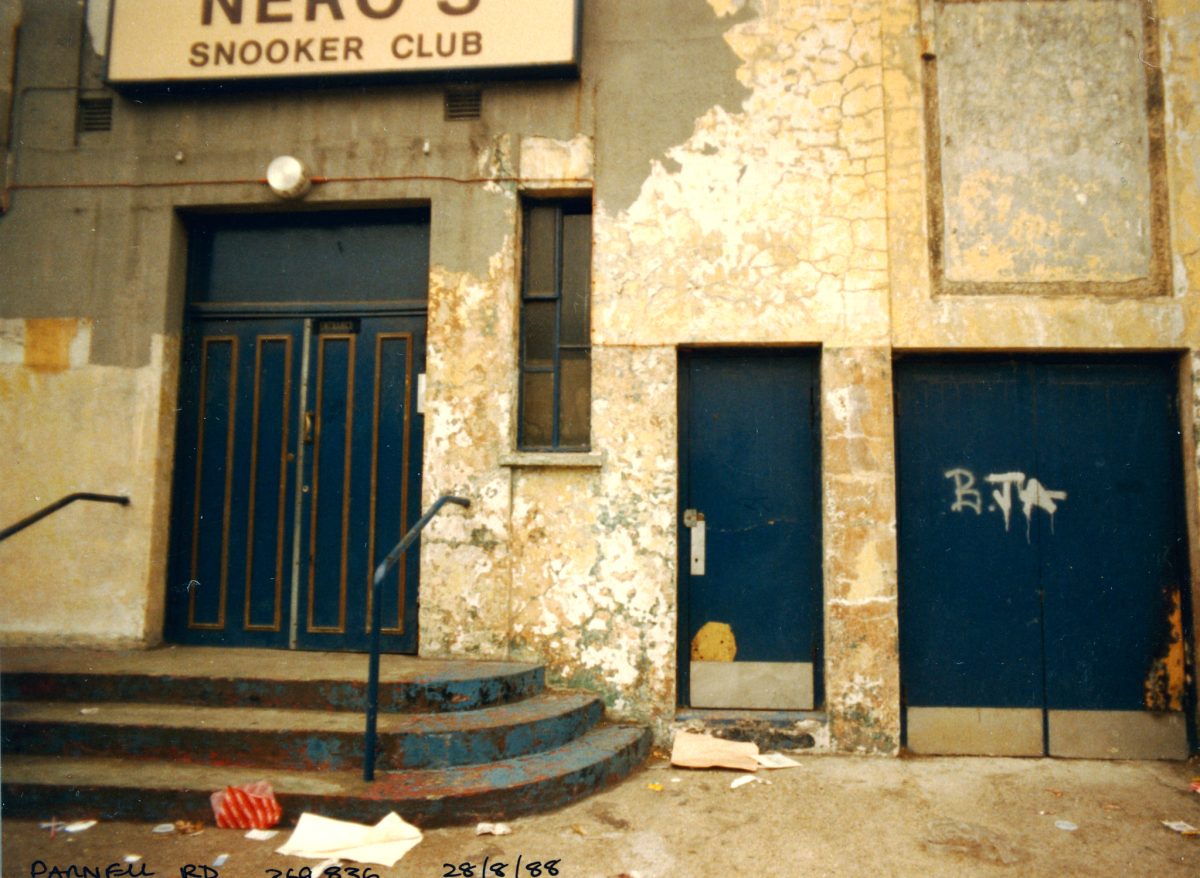
Nero’s, Snooker Club, Parnell Rd, 1988
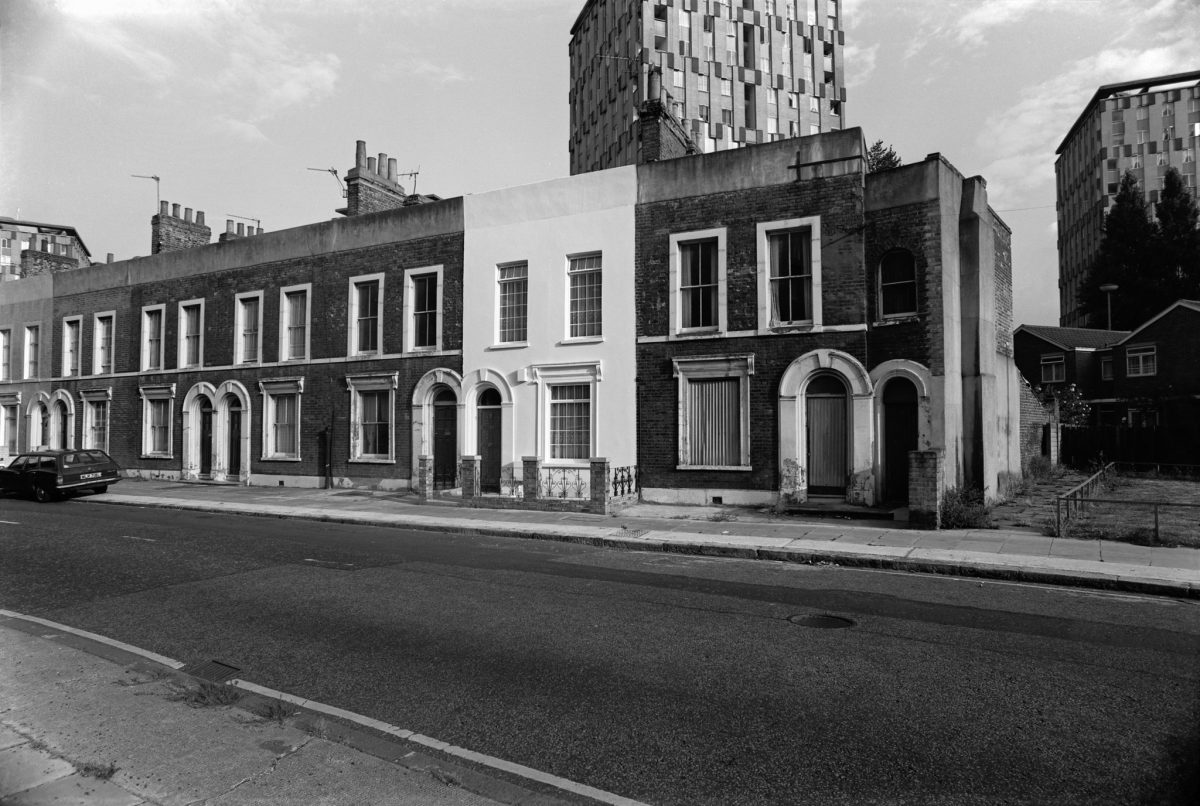
196-208 Old Ford Road, 1983
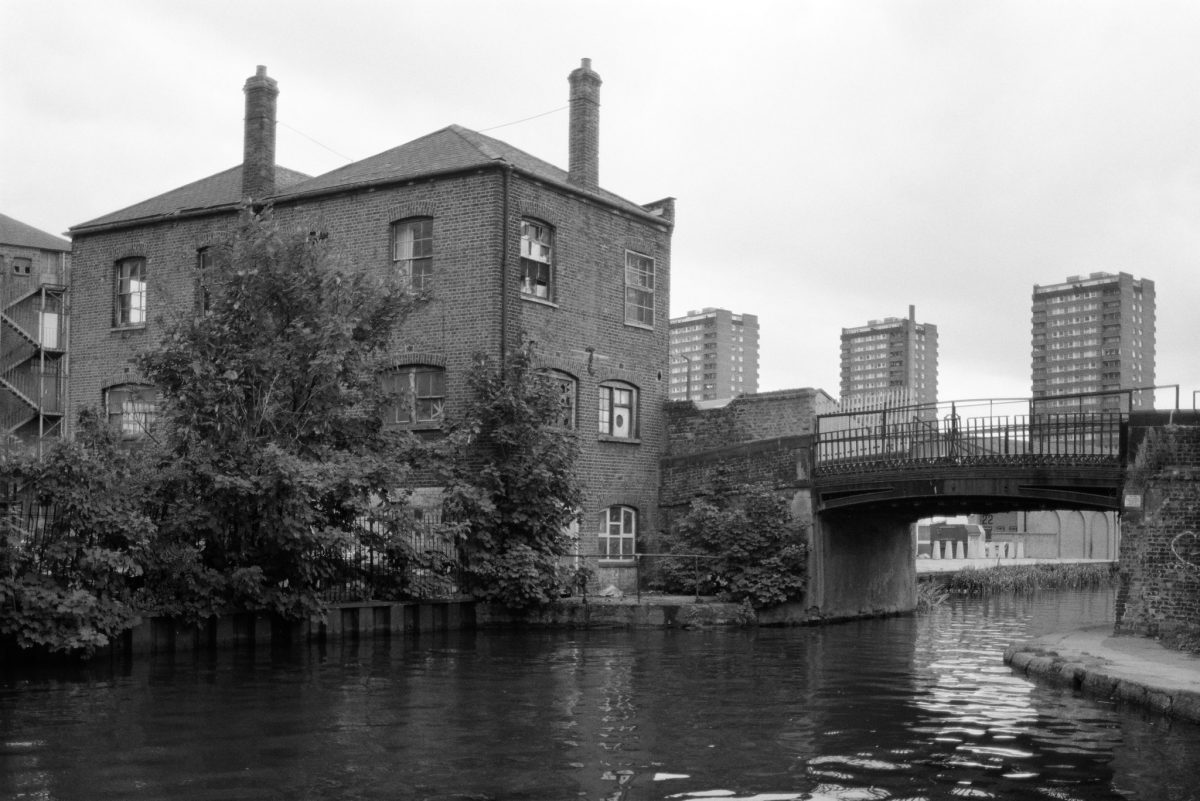
Gunmakers Lane, Hertford Union, canal, 1988
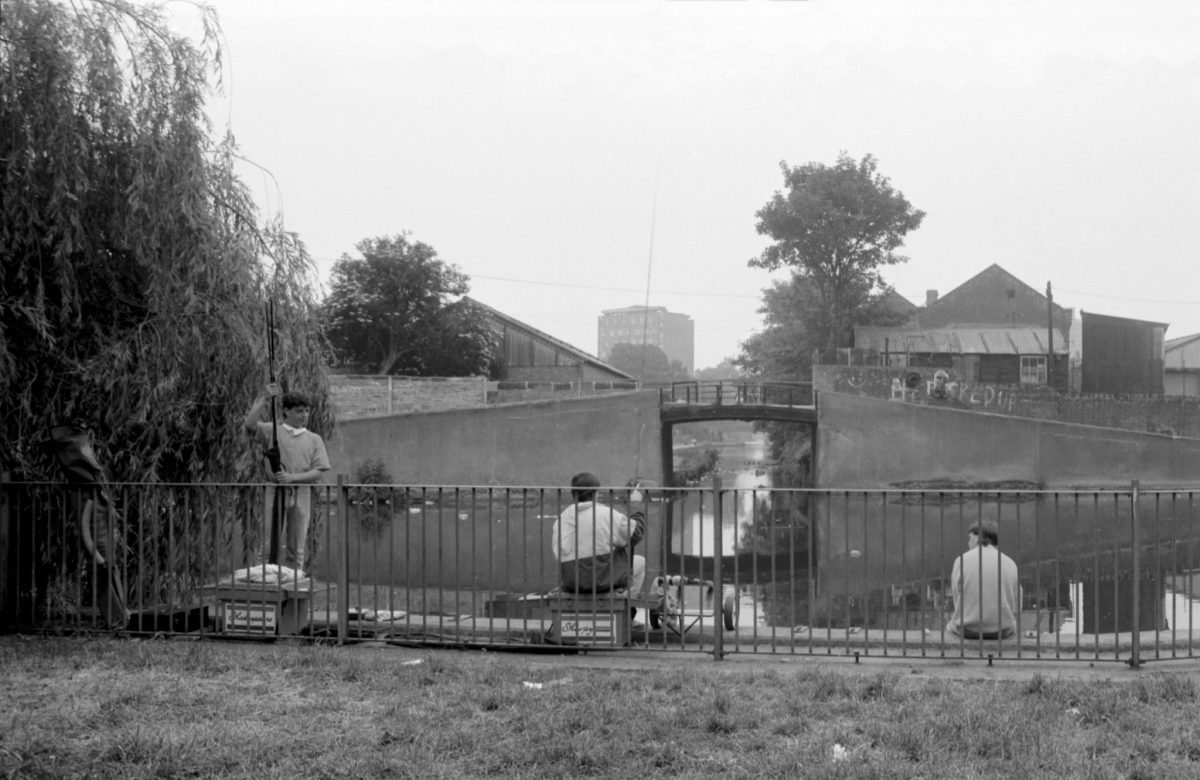
Regent’s Canal, 1986
.
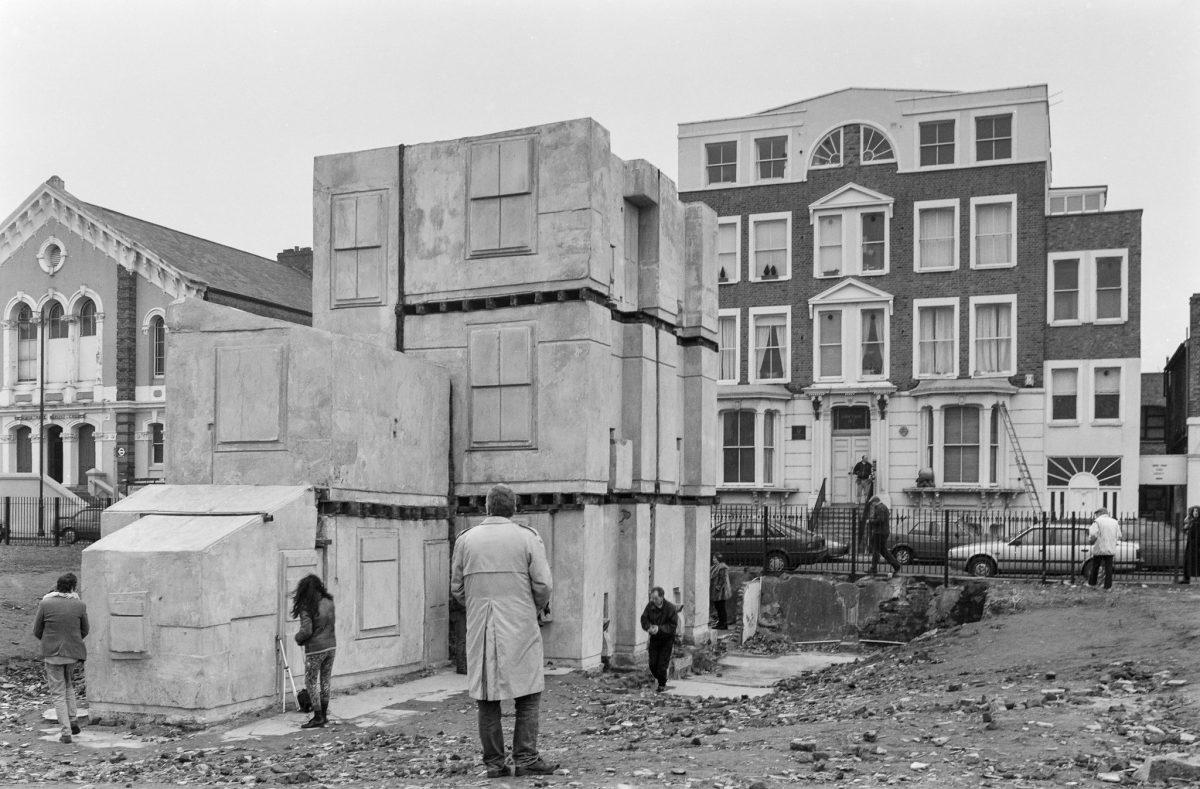
House, Sculpture, Rachel Whiteread, Wennington Green, Grove Road, 1993
More walks around lost London here.
Would you like to support Flashbak?
Please consider making a donation to our site. We don't want to rely on ads to bring you the best of visual culture. You can also support us by signing up to our Mailing List. And you can also follow us on Facebook, Instagram and Twitter. For great art and culture delivered to your door, visit our shop.